REVIEW · CUSCO
Cusco: Scenic Sun Route to Puno with Buffet Lunch
Book on Viator →Operated by Inka Express · Bookable on Viator
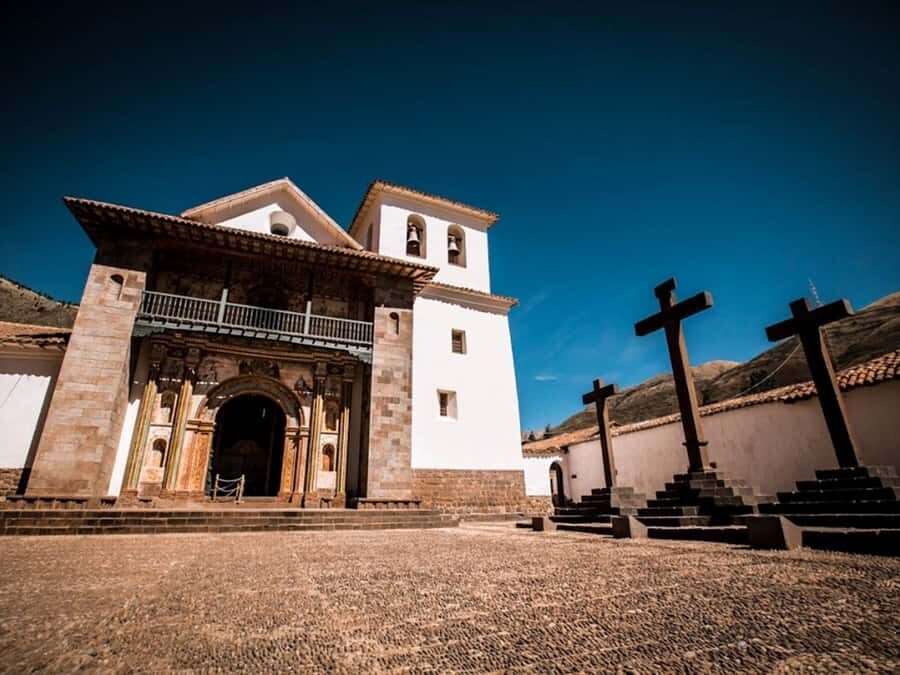
Sun Route beats a plain bus ride. This Cusco to Puno day trip breaks the drive with guided stops, starting at Andahuaylillas. I love the Church of Saint Peter the Apostle, often called the Sistine Chapel of America, for its gold-leaf altars and vivid frescoes.
The highlight after that is the La Raya Pass pause at about 4,300 meters, where you can stretch your legs and soak in the big highland views. You also travel with an oxygen tank on board and a comfortable, air-conditioned bus. One drawback to plan for: entrance tickets for Andahuaylillas, Raqchi, and the Pucará museum cost 53 soles in cash.
With a small max group size of 40 and a 4.9 rating, this is a popular way to connect Cusco and Puno without doing it solo. Just remember it’s a long day—expect short, focused time at each stop.
In This Review
- Key things worth knowing before you go
- Cusco to Puno in a Single Day: How This “Sun Route” Works
- Andahuaylillas Church: The Golden Baroque Stop That Sets the Tone
- Raqchi and the Temple of Wiracocha: Inca Monumentality Without the Fuss
- Buffet Lunch in Marangani–Sicuani: Included, But Not Always What You Expect
- Abra La Raya (4,300 m): The Photo Stop Where Altitude Feels Real
- Pucará Lithic Museum: Pre-Inca Stone Sculpture Meets the Titicaca Basin
- Price and Value: Why $45 Works, and Where the Extra Cost Appears
- Comfort, Timing, and Altitude Tips That Actually Help
- Who This Tour Fits Best (And Who Might Prefer Another Option)
- Should You Book This Scenic Sun Route to Puno?
- FAQ
- What is the duration of the Cusco to Puno Sun Route?
- What time does the tour start in Cusco?
- Where do I meet the group in Cusco?
- What time and where do I end in Puno?
- Is lunch included, and is it a buffet?
- Are entrance tickets included for the stops?
- Does the vehicle have comfort features for the long drive?
- How many people are on the tour?
Key things worth knowing before you go
- A 6:00 am start means early mornings, but it helps fit multiple sites into one day
- Guided visits at four major moments: Andahuaylillas, Raqchi, La Raya Pass, and Pucará
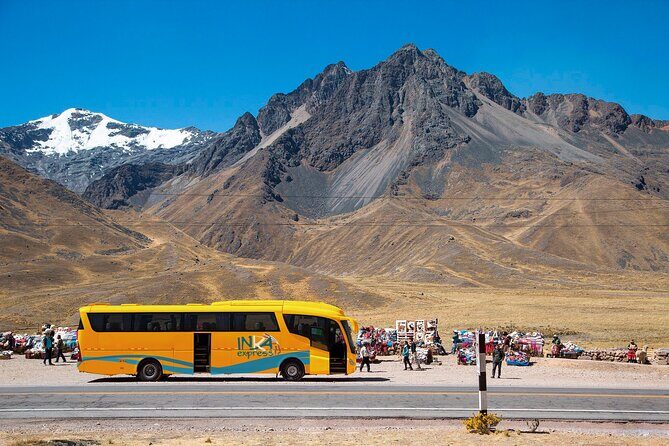
- La Raya Pass sits at 4,300 meters, and there’s an oxygen tank in the vehicle
- Buffet lunch is included in Marangani–Sicuani, with Andean staples like quinoa soup and local potatoes
- Plan cash for admissions: Andahuaylillas, Raqchi, and Pucará are not included (53 soles total in cash)
Cusco to Puno in a Single Day: How This “Sun Route” Works
The Cusco to Puno stretch can feel like you’re just grinding through hours of road. This version tries to fix that by turning the trip into a chain of stops with guided interpretation. You start at Alameda Pachacuteq 499b in Cusco at 6:00 am, then you end in Puno at the Terminal Terrestre Puno.
This is set up for comfort and pacing, not speed. It’s about 10 hours total, and the main idea is to break up the drive with sites that matter in the Andes—colonial, Inca, and pre-Inca—plus a high mountain pass. If you’re trying to travel light and still see real Peru beyond the view out the window, it can be a smart use of time.
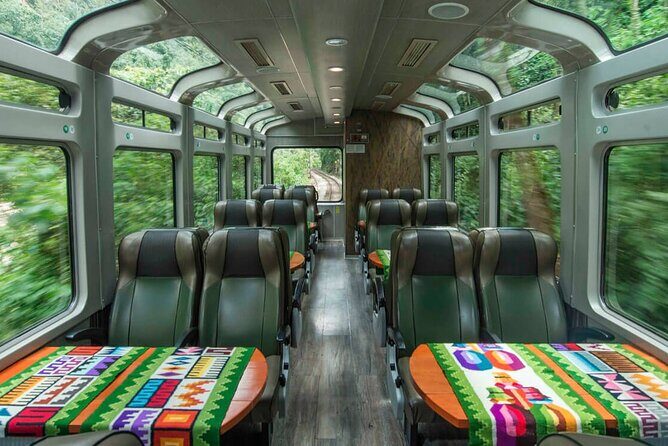
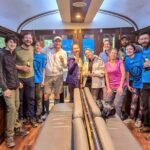
Group size is capped at 40, and you’re in an air-conditioned vehicle with restroom access. You’ll also have hot and cold drinks on board. That’s the kind of “small but important” support that matters when your day starts early and altitude is in the mix.
You can also read our reviews of more tours and experiences in Cusco

Andahuaylillas Church: The Golden Baroque Stop That Sets the Tone
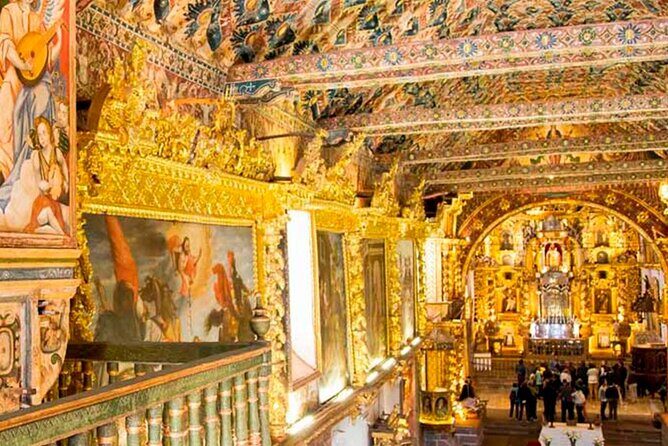
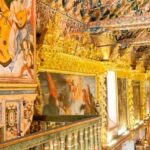
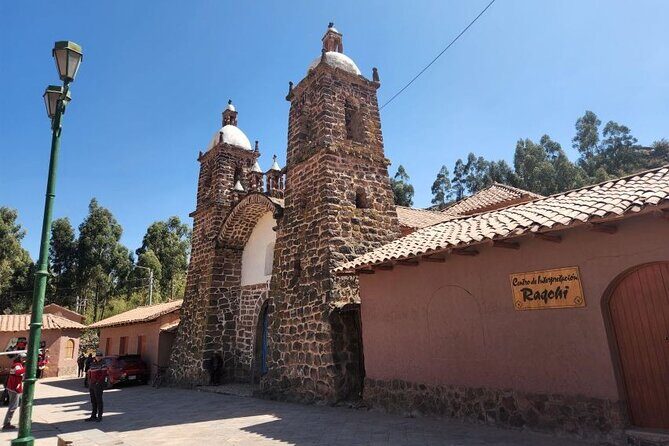
Andahuaylillas is where the day stops feeling like a transfer. The Church of Saint Peter the Apostle is famous for a reason: it blends Spanish Baroque style with Andean symbolism, built in the 16th century by Jesuit missionaries on top of an earlier sacred Inca site.
From the outside, it’s easy to miss the scale of what’s inside. Then you step in and the place hits you with detail—gold-leaf altars, vivid frescoes, and intricate paintings. Even if religious art isn’t usually your thing, this church is worth your time because it’s a clear example of cultural mixing, not just a pretty building.
How long do you get here? About an hour. That’s long enough to take it in, but not so long that you’ll feel stuck. The main thing I like about this stop is that it anchors the whole route. You’re not just watching the Andes go by; you’re learning why different eras left their fingerprints on the same region.
Practical note: admission tickets for this site are not included, and you’ll need cash (part of the 53 soles total).
Raqchi and the Temple of Wiracocha: Inca Monumentality Without the Fuss
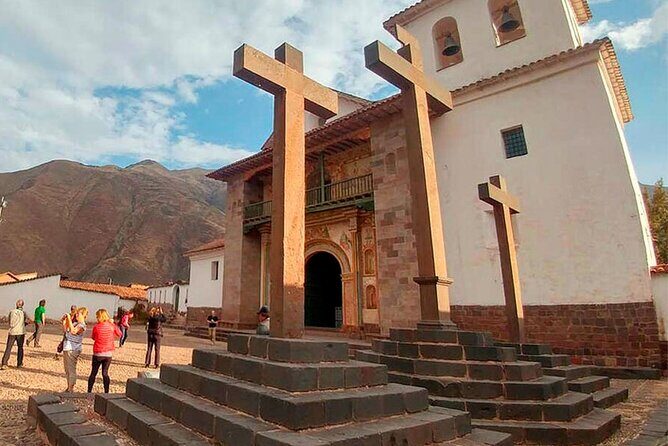
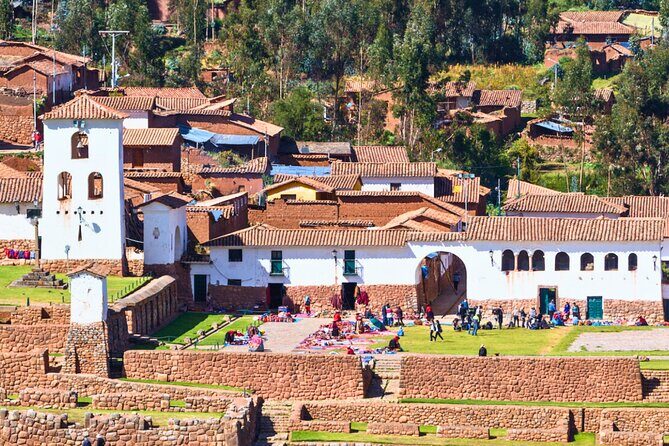
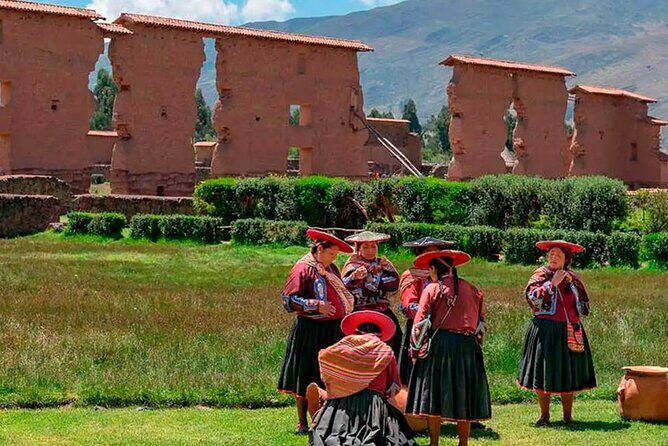
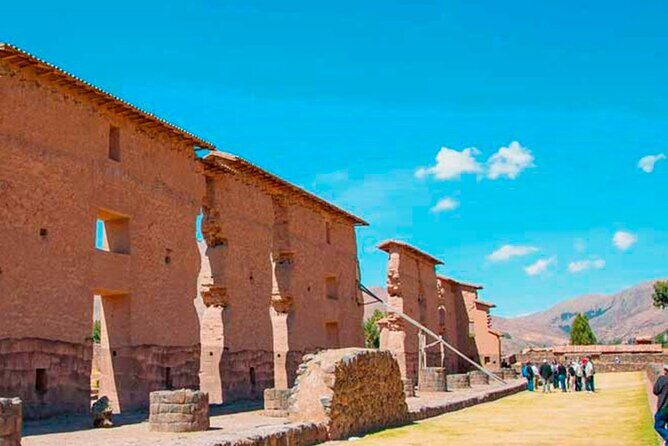
Raqchi is a major Inca archaeological site and it’s officially recognized as a Best Tourism Village. The star is the Temple of Wiracocha, one of the largest still-standing Inca structures. It’s tied to ancient chronicles about Wiracocha, the supreme deity in Andean belief—described as invisible, yet central to spiritual life.
What I appreciate here is the sheer scale. The temple is said to have been around 15 meters tall, and the site makes it easier to understand Inca engineering as practical and monumental—not just decorative. You’ll see ruins around it, plus a setting that helps you imagine how this area functioned as a spiritual and community focal point.
You get about an hour at Raqchi, guided. That means you’ll likely leave with a clearer story than if you walked the site alone. It’s also a good “middle” stop: you’ve already seen colonial art at Andahuaylillas, and now you’re stepping into Inca time.
The tradeoff is the usual one-day-route reality. One hour is enough to connect the main dots, but you won’t have time for long wandering. If you’re the type who likes museums and ruins slowly, you might wish the stop were longer.
Admission tickets for Raqchi are also not included, so again: budget the 53 soles cash total.
Buffet Lunch in Marangani–Sicuani: Included, But Not Always What You Expect
Lunch is included mid-journey and served as a buffet in Marangani–Sicuani. The food described is classic highland fare—quinoa soup, roasted vegetables, Andean potatoes, fresh salads, and regional meats. It’s scheduled for about one hour, which is a real break after two archaeology stops.
Here’s the practical thing to know: even when a meal is advertised as an Andean buffet, what ends up on the buffet line can skew toward more standard hot dishes. In some cases, people found the lunch included items like fried dishes, spaghetti, and orange chicken. That doesn’t make it “bad food,” but it can change the vibe if you were expecting a purely traditional, local-only spread.
My advice is simple: if you want the Andean version of lunch, scan for the local staples first—things like quinoa soup and potatoes are usually the best bets. If you’re sensitive to heavy or unfamiliar food, eat lightly and save your safest foods for dinner in Puno.
Abra La Raya (4,300 m): The Photo Stop Where Altitude Feels Real
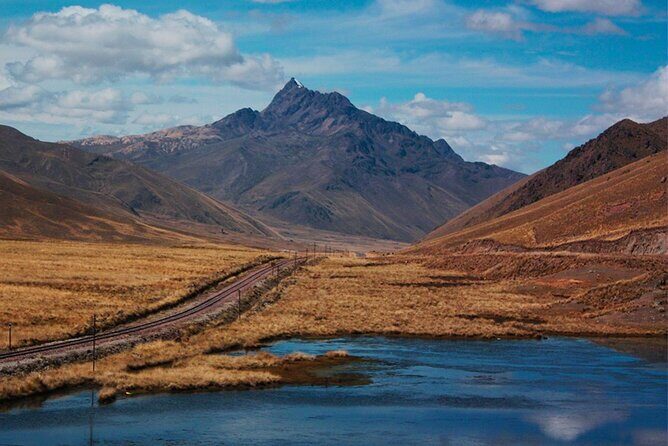
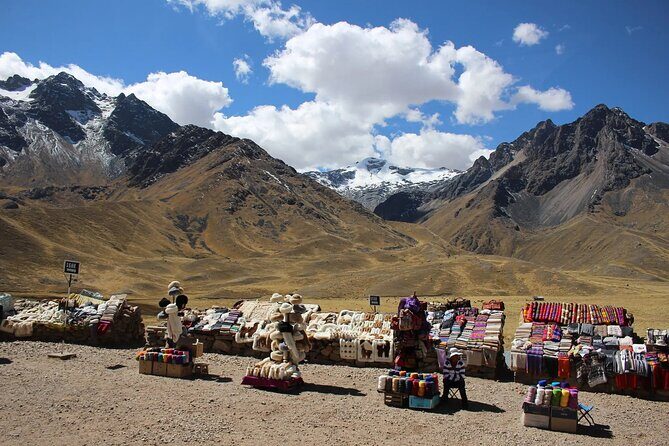
Then you hit the big altitude moment: Abra La Raya, the mountain pass marking the natural divide between Cusco and Puno. It sits above 4,300 meters. That’s high enough that even short breaks can feel different from lower elevations—more breathing, slower pace, and less tolerance for rushing.
This stop lasts about 30 minutes, which is built for a quick reset: stretch your legs, take photos, and enjoy the wide, snowy-peak views. It’s also the moment where the included oxygen tank matters. You’ll have it available in the vehicle, which is reassuring when you’re dealing with altitude in a short time window.
The reason I like this stop isn’t only the scenery—it’s the way it changes the mental rhythm of the day. Before La Raya, you’ve been in ruins and a dining room. After La Raya, you’re in Puno mode. A pass like this is a natural boundary, and the schedule gives you just enough time to feel the shift without losing the whole day to slow sightseeing.
Keep your expectations realistic: 30 minutes is brief. Dress for cold (it can be colder at the pass), and plan to move carefully if you’re feeling lightheaded.
You can also read our reviews of more tours and experiences in Cusco

Pucará Lithic Museum: Pre-Inca Stone Sculpture Meets the Titicaca Basin
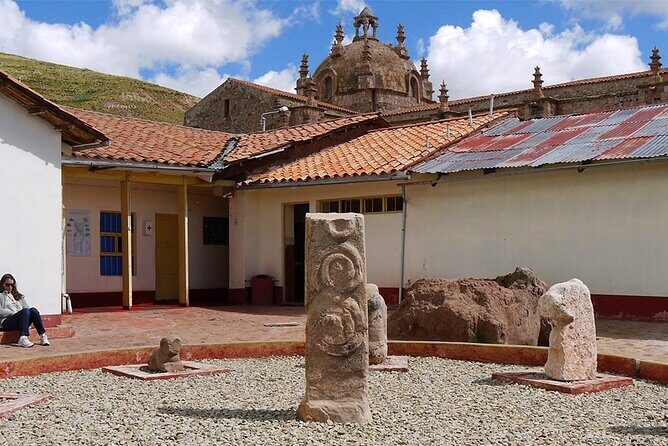
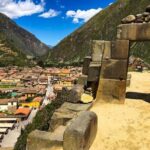
Your final stop is Pucará, an early major settlement in the Titicaca Basin region, dating back to about 500 BC. This is pre-Inca territory, which means you’re looking at an older layer of Andean life before the Inca expanded across the Andes.
The big draw today is the lithic focus: monolithic stone sculptures with geometric and animal forms. You’ll also see multi-colored ceramics tied to daily life and sacred rituals. The effect is that you’re not just learning names—you’re seeing how people expressed beliefs and identity through craft.
You get about an hour here. That works well because it keeps the end of the day from dragging. By this point, you’re probably tired from early departure and altitude moments, so an hour of guided focus can be a good balance.
Admission tickets for the Pucará museum are not included, so again you’ll rely on the cash total.
Price and Value: Why $45 Works, and Where the Extra Cost Appears
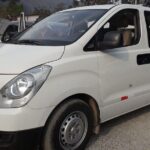
At $45 per person, this is priced like a value option for transportation plus guided stops plus lunch. What you’re really paying for is the package structure: a private luxury bus to Puno, air-conditioned comfort, restroom access, hot and cold drinks, a guided visit at each major site, and the included buffet meal.
Then there’s the catch. Several key entrances cost extra in cash: Andahuaylillas, Raqchi Complex, and the Pucará museum total 53 soles. La Raya is free. That means your final cost will be a little higher than the headline price, but it’s still straightforward because there’s a single cash figure to plan for.
If you want maximum predictability, bring the cash ahead of time. If you’re traveling with limited funds and hate surprise costs, this is the kind of tour where you’ll want to factor those entrances into your budget before you book.
Also, time matters for value. The day is long, and stops can feel brief—especially if you’re the type who likes reading every sign or taking lots of photos. For many people, that tradeoff is worth it because you get multiple major sites in one go.
Comfort, Timing, and Altitude Tips That Actually Help
This tour starts at 6:00 am. You’re moving from Cusco to Puno with several stops across the way, so plan for a full day rather than a relaxed half-day outing. The route is efficient, but you’re still dealing with road time plus short visits.
The good news: the bus is described as private and luxury, with air-conditioning and onboard restroom access. There’s also a provided oxygen tank, which is a thoughtful touch for the La Raya elevation moment. Hot and cold drinks are included, which helps you keep going without buying everything separately.
Based on the schedule, you may also feel a little push to stay on time at each stop. That’s normal on a one-day route. My best advice is to keep your expectations focused: show up ready to see the main highlights, not to do slow-depth museum studying.
Pack like you’re going up and down in minutes:
- layers for cold air at the pass
- something warm for morning comfort
- a small amount of cash for entrances
- a calm pace around the highest point
If you’re new to altitude, lean on the oxygen tank and take it easy at La Raya.
Who This Tour Fits Best (And Who Might Prefer Another Option)
This works well for you if you:
- want a guided Cusco to Puno route with real stops, not just a bus ride
- like a mix of colonial art, Inca ruins, and pre-Inca culture in one day
- value comfort features like air-conditioning, restroom access, and onboard oxygen
- are okay with quick, focused visit times at each site
It may not be ideal if you:
- hate added entrance fees and prefer fully inclusive pricing
- need long free time at museums or ruins
- have very specific food expectations and want an exclusively Andean buffet menu every time
For most people, it’s a balanced trade: structured sightseeing in exchange for a long day and a bit of extra cash planning.
Should You Book This Scenic Sun Route to Puno?
I’d book it if your goal is simple: connect Cusco to Puno with meaningful guided stops and included lunch, while keeping the trip comfortable. The combination of Andahuaylillas church artistry, Raqchi’s Temple of Wiracocha, the La Raya Pass pause at around 4,300 meters, and the Pucará lithic museum gives you a strong cultural arc in one workday.
Just go in with two clear expectations. First, bring cash for the entrance fees totaling 53 soles for Andahuaylillas, Raqchi, and the Pucará museum. Second, accept that this is a long day with short site visits, so it’s built for highlights, not lingering.
If that matches your style, this is a solid value way to travel from Cusco to Puno.
FAQ
What is the duration of the Cusco to Puno Sun Route?
It runs for about 10 hours (approx.), starting early in Cusco and finishing in Puno.
What time does the tour start in Cusco?
The start time is 6:00 am.
Where do I meet the group in Cusco?
You start at Alameda Pachacuteq 499b, Cusco 08007, Peru.
What time and where do I end in Puno?
The tour ends at the Terminal Terrestre Puno. The bus arrives at the bus terminal at Jirón primero de Mayo #703.
Is lunch included, and is it a buffet?
Yes. Lunch is included as an Andean buffet in Marangani – Sicuani and lasts about 1 hour.
Are entrance tickets included for the stops?
No. Entrance tickets for Andahuaylillas, Raqchi Complex, and the Pucará museum cost 53 soles in cash. La Raya Pass is free.
Does the vehicle have comfort features for the long drive?
Yes. The tour includes an air-conditioned vehicle, restroom on board, and hot and cold drinks. An oxygen tank is also provided.
How many people are on the tour?
The group is limited to a maximum of 40 travelers.