REVIEW · CUSCO
4-Day Classic Inca Trail to Machu Picchu
Book on Viator →Operated by Inkayni Peru Tours · Bookable on Viator
A classic Inca Trail hits different at altitude. This 4-day hike from Cusco builds in classic Inca ruins, cloud-forest walking, and the big view at Dead Woman’s Pass, then ends with Machu Picchu the next morning. I like how the team keeps logistics tight, with hotel pickup, bus to Km 82, and a return train and van day 4. I also love the small-group feel and the level of care in camp, especially the food that makes the hard sections feel more doable. One consideration: you need a moderate fitness level and you’ll be climbing high passes (around 4,000+ meters), so plan for slow pacing and early starts.
What makes this tour feel especially worth your time is how it ties the walking to the meaning—ruins, ritual spaces, and viewpoint stops are built into the day, not treated like side quests. You get an English-speaking guide and a full camp crew (chef plus porters) so you’re focused on the trail and less on gear and timing. Still, it is a regulated route with strict limits, so you’ll want to follow the prep guidance and book permits early to get your date.
In This Review
- Key Highlights You’ll Feel on Day One
- Cusco Starts Early: Pickup, the 5:30 am Reality, and the Small-Group Advantage
- Day 1: From Km 82 to Wilka Rakay and Wayllabamba Camp
- Day 2: Tres Piedras, Cloud Forest Breathing, and Dead Woman’s Pass
- Day 3: Runkurakay, Sayacmarca Ruins, and Phuyupatamarca Views
- Day 4: Inti Punku (Sun Gate) Sunrise, Machu Picchu, and the Train Ride Back
- Why the Guide and Camp Crew Are the Real Deal (Paul, Freddy, Edwin, and the Chefs)
- Meals, Water, and the Gear Reality (Sleeping Mattress Included, Sleeping Bag Not)
- Price and Value: Is $850 Fair for a Classic Inca Trail?
- What to Know About the Inca Trail Limits and Permits
- Who This Trek Fits Best (and Who Should Reconsider)
- Should You Book This Classic Inca Trail to Machu Picchu?
- FAQ
- What time do we meet for the trek?
- How long is the Classic Inca Trail to Machu Picchu?
- What’s included in the price?
- Is there an option to add Huayna Picchu or Machu Picchu Mountain?
- Do I need to bring a sleeping bag?
- Is lunch and dinner included on every day?
- What about water during the trek?
- What if I need to cancel?
Key Highlights You’ll Feel on Day One
- Small-group hiking with up to eight people, plus an overall tour cap of 15 travelers
- A real camp setup: chef, porters, dining tent, and your own inflatable mattress
- High-pass milestones including Abra de Warmihuañusca and Runkurakay Pass
- Cloud forest sections that cool you down and keep the walk interesting
- Early Sun Gate access with sunrise views at Inti Punku when weather cooperates
- Machu Picchu plus optional add-ons like Huayna Picchu or Machu Picchu Mountain for extra cost
Cusco Starts Early: Pickup, the 5:30 am Reality, and the Small-Group Advantage
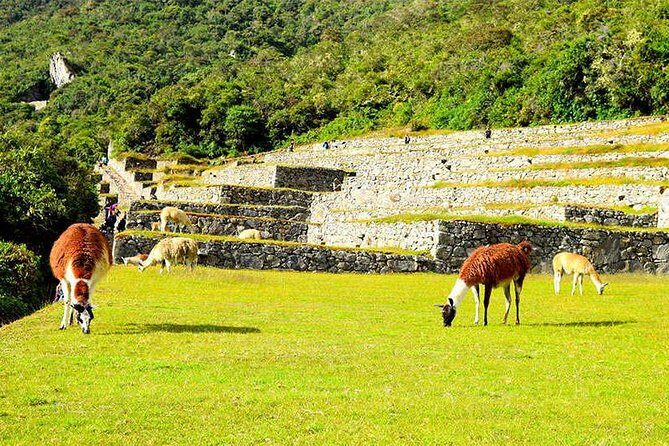
This trek starts before the day fully wakes up. The meeting time is 5:30 am, and you’ll be picked up from your hotel. Then it’s a private bus ride toward the Sacred Valley, passing through Chinchero, Urubamba, and Ollantaytambo before continuing on to the official trailhead at Km 82.
Why you should care about that early start: it gives you better odds of good conditions on the trail and helps you avoid scrambling later. And because this tour limits group size (with a maximum of eight in the hiking group, and up to 15 total on the activity), your guide can actually manage the pace and answer questions without shouting across a crowd.
If you’re the kind of person who hates feeling herded, this is a big deal. You can pause, take photos, and just look at the mountains without feeling like you’re in a moving line at a theme park.
You can also read our reviews of more tours and experiences in Cusco


Day 1: From Km 82 to Wilka Rakay and Wayllabamba Camp
Day 1 begins with that official “we’re on the Inca Trail” moment at Km 82. After a scenic drive, you start with a climb to Wilka Rakay, which sets the tone fast: wide Inca views, sweeping valleys, and the sense that you’re walking inside a landscape shaped by centuries of movement and settlement.
You’ll continue along the trail through high Andean scenery with native plants around you—an early taste of the variety the Inca Trail is famous for. Late afternoon, you arrive in Wayllabamba (3,000 masl / 9,842 ft.), where you’ll camp for the night.
Here’s what I think you’ll appreciate: the camp doesn’t feel like a survival test. The team handles the cooking and setup, including a dining tent with tables and chairs. Dinner happens at the right time, and the staff is there to keep your evening smooth. If you’re tired from the climb, you can actually rest instead of hunting for water, assembling gear, or trying to figure out where you’re sleeping.
Day 2: Tres Piedras, Cloud Forest Breathing, and Dead Woman’s Pass
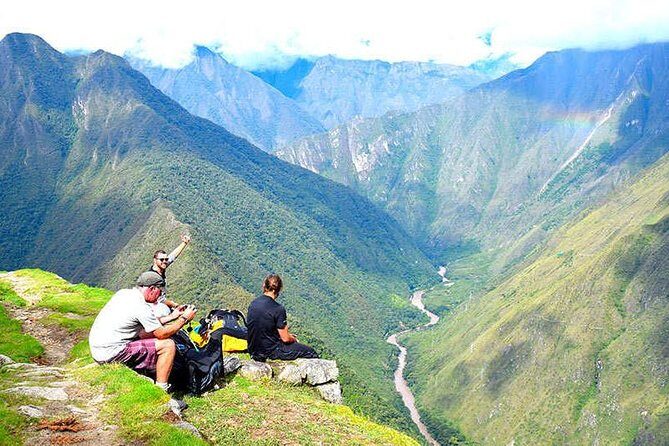
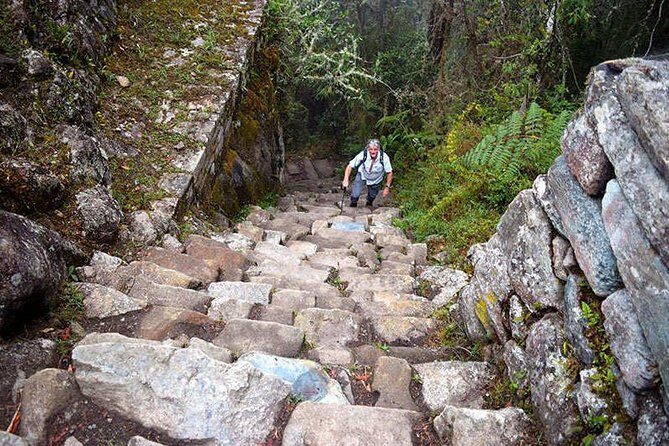
Day 2 is the “this is why you came” day. You start after breakfast and hike for about an hour to Tres Piedras (The Three Stones). From there, the scenery changes in a way you can feel in your lungs: you enter the cloud forest, where the air is cooler and the trail is surrounded by lush vegetation.
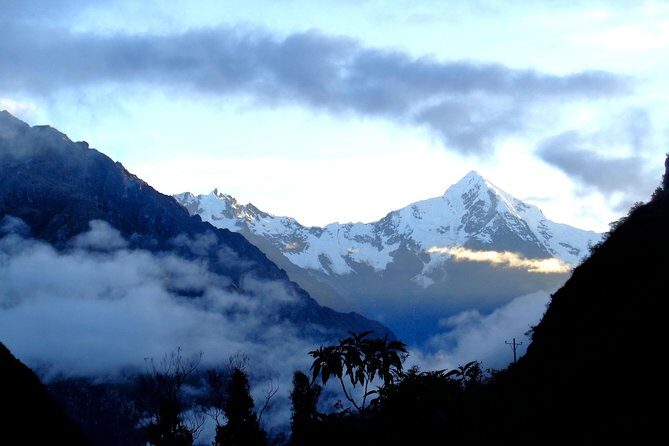
Then comes the big challenge: Abra de Warmihuañusca, also called Dead Woman’s Pass at 4,215 masl / 13,828 ft. This is the highest point on your trek in the classic 4-day format. The climb is demanding, but the payoff is dramatic—panoramic views across the Andes and high-altitude grassland stretching out in every direction.
After you reach the pass and soak in the moment, you descend steeply toward Pacaymayo (3,600 masl / 11,811 ft.) for the night. You’ll have a meal, time to unwind, and another night with the camp crew handling the behind-the-scenes work.
Practical tip for Day 2: pace matters more than speed. Plan to move steadily and keep your energy for the long day ahead. And because water is not included for the first stretch at the start of the trek (you need to bring what you need for the first 4 hours), make sure you start day 2 hydrated without counting on refills you haven’t planned for.
Day 3: Runkurakay, Sayacmarca Ruins, and Phuyupatamarca Views
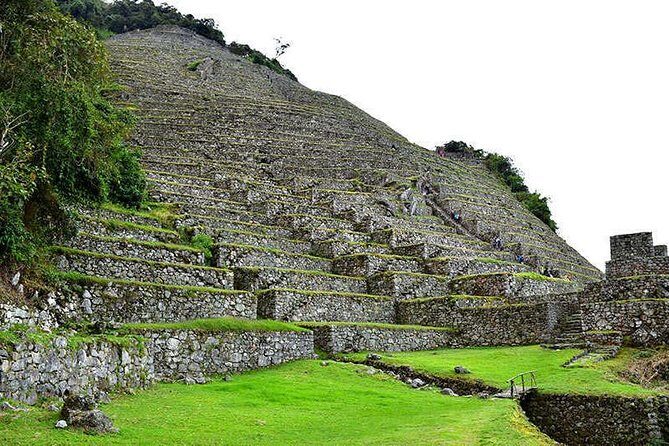
Day 3 starts with another climb, but it’s a different kind of climb—shorter sections that feel intense because you’re still gaining altitude. You hike about 45 minutes to Runkurakay, an ancient Inca resting site that gives you a sense of how travelers were supported and guided through the Andes.
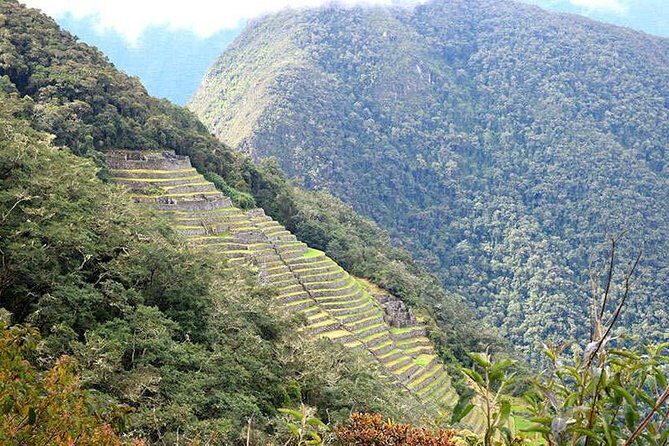
Another 45 minutes brings you to Runkurakay Pass (4,000 masl / 13,123 ft.), the second highest point of the route. After that, you descend to Sayacmarca, a set of ruins built into a steep mountainside. The location is part of the magic: the stones feel like they were placed to match the terrain, not to fight it.
From Sayacmarca, you continue along a well-preserved Inca path to Chaquicocha for lunch. Then you move back into cloud-forest walking with a narrow ridge that leads toward Phuyupatamarca Pass. This is where the Sacred Valley and the wider peaks start showing through in a serious way.
You’ll pass ceremonial areas and agricultural terraces as you descend toward your final campsite: Wiñayhuayna. This stop is important because it’s the emotional bridge toward Machu Picchu—your last night of camp before the end goal.
This is also where the guide’s role really matters. When you have an English-speaking guide, the ruins don’t just look old. They start making sense as part of Inca movement, worship, and daily life.
Day 4: Inti Punku (Sun Gate) Sunrise, Machu Picchu, and the Train Ride Back
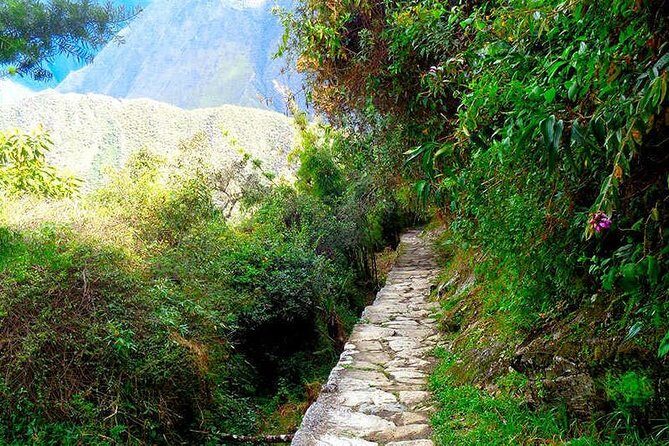
You rise early on Day 4 to finish the last stretch of the trail toward Inti Punku (Sun Gate). This section is described as relatively easier, and the timing is focused: after about an hour, you arrive at Inti Punku, where you may catch sunrise over the Andes if the weather allows.
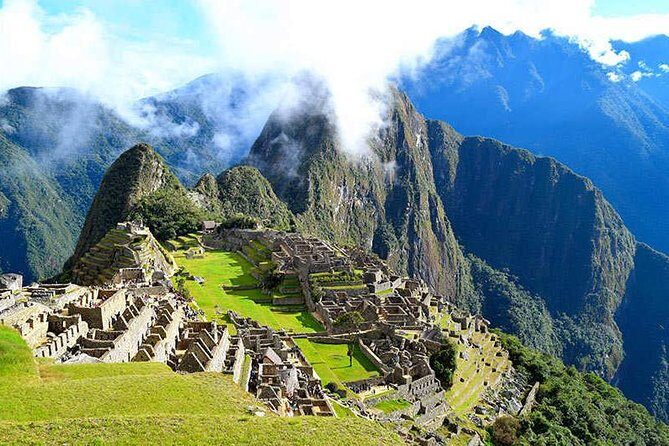
Even when sunrise doesn’t fully cooperate, Inti Punku is still a strong viewpoint. It’s your first major glimpse of Machu Picchu from the approach side, not from inside the city.
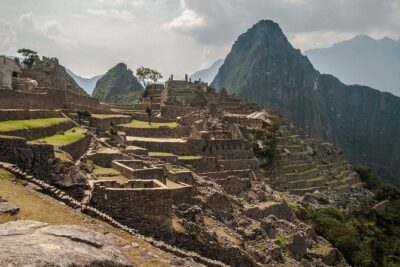
From there, you descend about 45 minutes to the upper terraces—great for classic photos. If you want a full tour inside the citadel, your guide leads you through key areas like temples, ceremonial sites, terraces, and storage structures.
Add-ons you might consider: if you already pre-book and pay the extra ticket cost, you can hike Huayna Picchu or Machu Picchu Mountain for more panoramic views. Also, there’s an important practical note here: there’s an optional extra cost for a new ticket for re-entry if you do those add-on hikes.
After your Machu Picchu time, you head to Aguas Calientes for lunch and a break. Then you board the train to Ollantaytambo, where a private van brings you back to Cusco.
Why this ending feels good: you don’t have to make your day 4 complicated. You get the iconic moment, then you transition cleanly back to Cusco with the transport already handled.




Why the Guide and Camp Crew Are the Real Deal (Paul, Freddy, Edwin, and the Chefs)
The Inca Trail is hard. The magic can fade if your team feels chaotic. This is where Inkayni Peru Tours tends to win people over.
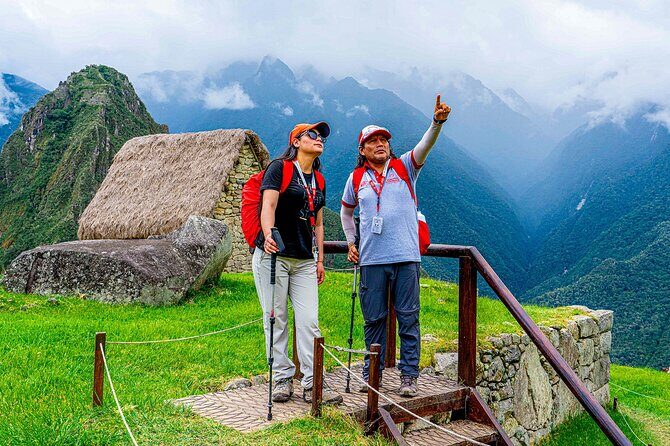
In the experiences I’m taking cues from, guides like Paul Cano, Edwin, and Freddy are repeatedly praised for making the story of the Incas feel alive and practical as you walk. That matters because the trail is not just pretty. It’s full of specific points—resting sites, ceremonial areas, and ruins you’ll pass close up. With an English-speaking guide, you’re more likely to understand what you’re seeing instead of just collecting landmarks.
The camp team also gets strong credit. Chefs named Fabian and Hermino (and similar spelling variants) are highlighted for meals that feel genuinely good in tough conditions. That can sound like a small detail, but it’s not. On a trek like this, food is energy, mood, and recovery all at once. You’re also sleeping in camp settings, so good meals help you avoid that cranky, depleted feeling that can build late in the trek.
Porters get respect too. Efficient support makes the difference between a trek that feels like a partnership and one that feels like you’re carrying too much alone. If you’re worried about gear weight, this tour’s setup is built around having porters handle cooking and camping equipment.
Meals, Water, and the Gear Reality (Sleeping Mattress Included, Sleeping Bag Not)
Your days here run on a camp rhythm: breakfast, hike, lunch/snack, then camp dinner. The package includes 3 breakfasts, 3 lunches, 3 afternoon snacks (happy hour), and 3 dinners. Day 1 breakfast is not included, and on Day 4, lunch and dinner are not listed as included (you’ll have time after Machu Picchu in Aguas Calientes, but check your specific inclusions before you assume every meal is covered).
Water is included after the initial start period, but you’ll need to plan for the first stretch. You’ll have water included excluding the first 4 hours of the trek, so bring what you need for that early period.
Sleeping setup: you get a 4-man tent for every 2 trekkers, plus an inflatable sleeping mattress. You’ll need to carry that unless you hire a personal porter. A sleeping bag is not included, but it can be hired from the operator.
If you want to sleep well (or at least not hate the night), pack smart:
- Warm layers for nighttime (high altitude drops fast)
- A rain layer (the Andes can change quickly)
- A hat and gloves because mornings can bite
- Sunscreen and insect repellent
Also, the tour includes an oxygen bottle and first-aid kit, which adds comfort if you’re nervous about altitude. Still, it’s not a substitute for common sense: go slow, hydrate, and pay attention to your body.
Price and Value: Is $850 Fair for a Classic Inca Trail?
At $850 per person, this is not a budget hike. But it’s also not just “walking with a guide.” The cost covers a lot of real logistics: transportation from Cusco to Km 82, camping and chef service, porters to manage camp equipment, and the return transport from Machu Picchu back to Cusco via train to Ollantaytambo and a private van.
You also get entrance coverage for the trek segments (admission is included for each day’s trekking component), and Machu Picchu admission is listed as free within the tour plan. Optional add-ons like Huayna Picchu or Machu Picchu Mountain cost extra.
So where does the value land? In the “small details” you feel every day:
- fewer people around you
- camp support so you can recover
- meals that don’t feel like punishment
- a guide who helps you make sense of ruins and passes
If you’re the type who wants the best shot at enjoying Machu Picchu without turning the whole thing into a scheduling headache, this price starts to make sense fast. If you already have your own gear, love solo-style travel, and don’t need organized transport, you might feel the cost more. But for a classic, end-to-end Inca Trail experience, $850 is a defensible number.
What to Know About the Inca Trail Limits and Permits
Since 2000, the Inca Trail has been regulated, and that’s why your trek is quieter than the chaos people imagine. Only 500 people are permitted each morning, and that number includes hikers, guides, porters, and cooks. That’s a key reason the trail feels controlled and camp sites are more structured.
Plan ahead. You’re strongly advised to book at least 5 months in advance, because permits can sell out quickly.
Who This Trek Fits Best (and Who Should Reconsider)
This tour is built for people with moderate physical fitness. You’ll hike roughly 8 hours per day on Days 1–3, and about 6 hours on Day 4. The passes are high—especially Dead Woman’s Pass at 4,215 masl—so you need realistic expectations and a willingness to slow down.
This tour tends to fit well if you:
- want a classic route with the biggest highlights
- prefer a small group over a large herd
- want an English guide so the ruins make sense
- value camp comfort like tables, chairs, and good meals
Think twice if you:
- have life-threatening food allergies (the tour notes they do not accept these bookings)
- expect a low-altitude hike (this is a true high pass trek)
- need every meal included on every day (Day 1 breakfast and Day 4 meals are listed as not included)
One more point: you’ll be asked for your passport details and date of birth, and if you’re a student, an ISIC card can matter for discount eligibility.
Should You Book This Classic Inca Trail to Machu Picchu?
If you want the classic Inca experience with fewer people, real camp support, and strong guide energy, I’d put this on your short list. The best signal is how consistently people praise the guides (including Paul Cano, Edwin, and Freddy) and the chefs (like Fabian and Hermino) for making the hard days feel like a full service experience, not a rough DIY project.
Book it if you’re ready for altitude, you want organized logistics from Cusco to the trailhead and back, and you care about understanding what you’re walking through. Skip it if you’re hoping for a completely leisurely hike or you’re not comfortable with high passes.
If you want one practical deciding factor: be honest about your fitness and your morning routine. This trek starts early, climbs high, and ends with sunrise timing. If that sounds like your kind of challenge, this is the version worth paying for.
FAQ
What time do we meet for the trek?
You meet at 5:30 am.
How long is the Classic Inca Trail to Machu Picchu?
It’s listed as 4 days, approximately.
What’s included in the price?
You get a professional English-speaking guide, hotel pickup, transportation by bus to Km 82, bus from Machu Picchu to Aguas Calientes, and return transportation by train and bus to Cusco. Meals include 3 breakfasts, 3 lunches, 3 afternoon snacks, and 3 dinners, plus camp support like chef and porters, a dining tent, and an inflatable sleeping mattress.
Is there an option to add Huayna Picchu or Machu Picchu Mountain?
Yes. Those hikes are optional, cost extra, and are not included in the base package.
Do I need to bring a sleeping bag?
A sleeping bag is not included, but it can be hired from the tour operator.
Is lunch and dinner included on every day?
Day 1 breakfast is not included, and lunch and dinner on Day 4 are not included.
What about water during the trek?
Water is included, excluding the first 4 hours of the trek when you need to bring your own.
What if I need to cancel?
This experience is non-refundable and cannot be changed for any reason.