REVIEW · CUSCO
From Cusco: Chinchero Weavers, Moray, Maras Salt Mines Tour
Book on GetYourGuide →Operated by Inka Altitude · Bookable on GetYourGuide
Cusco-to-Sacred Valley drives can feel rushed, but this loop is built for the good stuff. I love how you start with Chinchero weaving and end with the surreal Maras salt pools, with Moray sitting right in the middle like a history lesson you can actually stand inside. The views of the Chicon and Pitusiray Mountains aren’t just background here—they’re part of why the stops feel memorable.
The main drawback is pacing. You’ll cover three locations in about 5 to 6 hours, so Chinchero shopping and textile time can feel tight if you want a slow browse. The ride also includes uneven road sections, which can be rough if you have a sensitive back or mobility limits.
In This Review
- Key points that make this tour worth it
- How this half-day Cusco route is structured
- Chinchero Weavers: where traditional textiles feel practical, not staged
- Moray’s circular terraces: Inka farming experiments you can walk through
- Maras Salt Mines: a mountain-fed grid of about 1,000 pools
- Timing, comfort, and the real pace of 5–6 hours
- Price value: what you’re really getting for about $14
- What to bring (and what to skip) for a smoother day
- Shopping tips at Chinchero: enjoy it, don’t get rushed
- Should you book this tour?
- FAQ
- How long is the Chinchero, Moray, and Maras Salt Mines tour?
- How much does the tour cost?
- Where is the meeting point and how do I find the guide?
- Where do I get dropped off in Cusco?
- What languages are spoken on the tour?
- Are the Moray entrance fees included?
- Are the Maras salt mine entrance fees included?
- Is the Chinchero archaeological site included?
- What should I bring?
- Who might not be a good fit for this tour?
Key points that make this tour worth it
- Chinchero textile process with a real look at how traditional weaving works
- Moray’s circular Inka terraces and the irrigation story behind them
- Maras Salt Mines: about 1,000 evaporation pools fed by a mountain stream
- Panoramic mountain views of Chicon and Pitusiray along the way
- Bilingual guides (English and Spanish) and small-group or private options
How this half-day Cusco route is structured
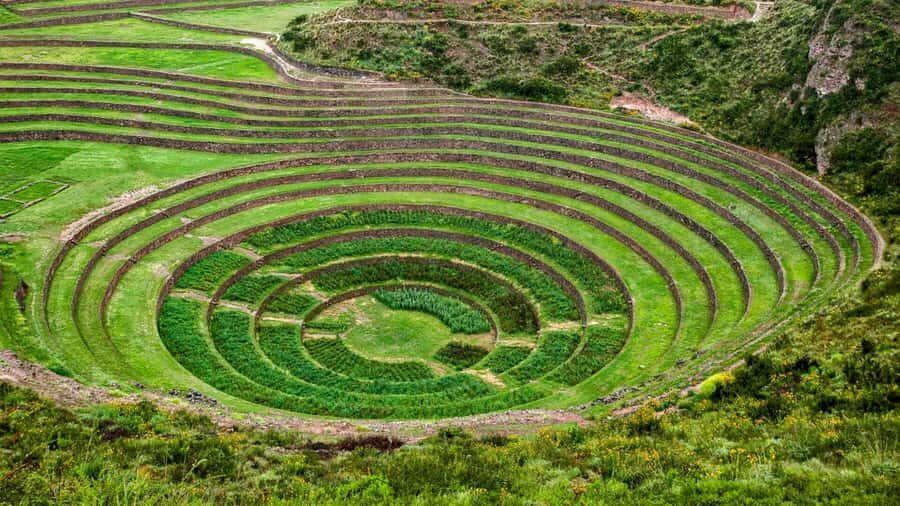
This is a classic “Sacred Valley highlights” circuit, designed as a half-day break from Cusco. You get group pickup, then you ride out to the first stop around Chinchero, move to Moray for the Inka agriculture site, and finish at Maras Salt Mines before returning to Cusco for drop-off near the Main Plaza de Armas.
The schedule is simple, but the order matters. Starting with textiles in Chinchero sets the cultural tone, Moray gives you the engineering brain-teaser, then Maras ends with something visually striking and unlike the other two.
Plan on comfortable layers and a snack. You’ll spend a good chunk of time outdoors, and the sun around the Sacred Valley can be strong even when the mornings feel cool. Also, bring cash for entrance fees you’re responsible for at Moray and Maras.
You can also read our reviews of more tours and experiences in Cusco.



Chinchero Weavers: where traditional textiles feel practical, not staged
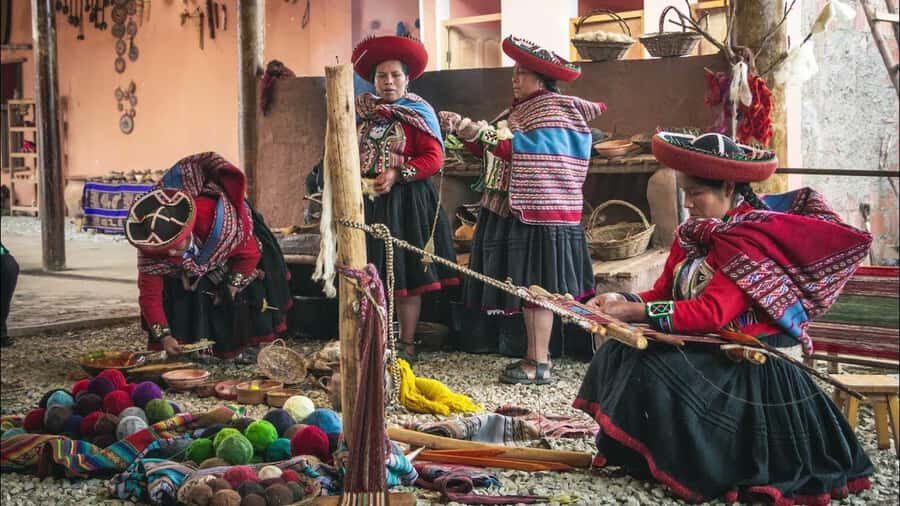
Chinchero is where the trip becomes personal. You’ll drive about an hour from Cusco, then spend roughly 45 minutes in the Chinchero district area with a stop that focuses on traditional weaving and a visit connected to one of the last traditional families.
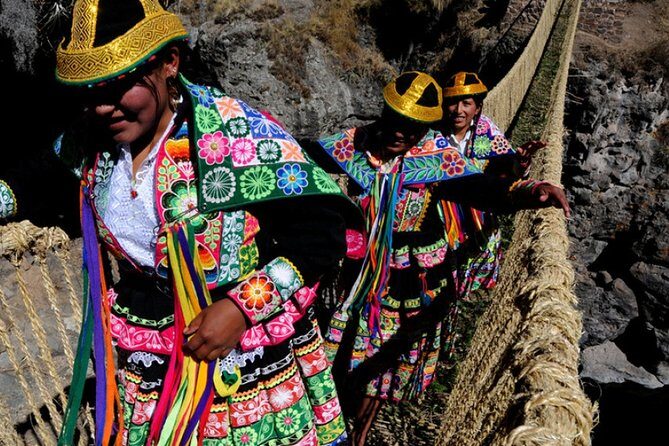
What I like most is that the focus isn’t just on finished products. You get explanation around how the weaving process works—especially how alpaca fibers are handled into yarn and turned into cloth. Guides also tie this to what the Inkas valued and how textile traditions connect to identity in the Andes.
You’ll also have time at local workshops and stores. In practice, this is where you’ll see alpaca blankets and woven items on display. A key detail: you’re not required to buy anything. There’s no entrance fee for those workshop stops, and they’re built into the tour as part of how the area earns a living. That said, if you’re hoping for a long, unhurried Chinchero shopping session, the tour’s time limits can feel tight.
If you care most about textiles: consider using this stop as research—ask questions, learn what you’re looking at (fiber quality, dye ideas, weaving types), then buy only when you’re sure. One of the best values in these circuits is knowing what you want before you’re standing in front of a wall of beautiful alpaca products.
Moray’s circular terraces: Inka farming experiments you can walk through
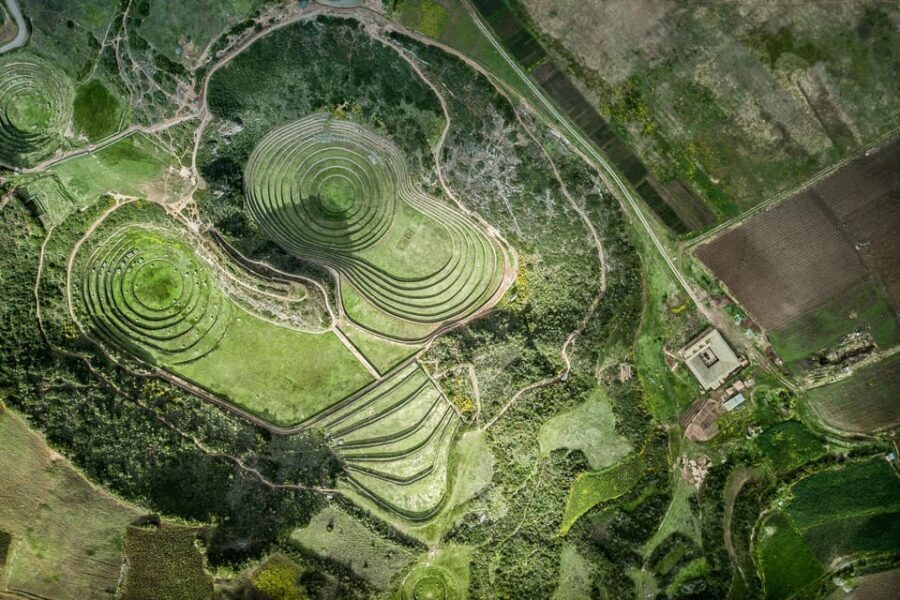
Next comes Moray, the ancient Inka agriculture laboratory. You’ll reach it after another short drive, and you’ll have about 45 minutes with a guided visit.
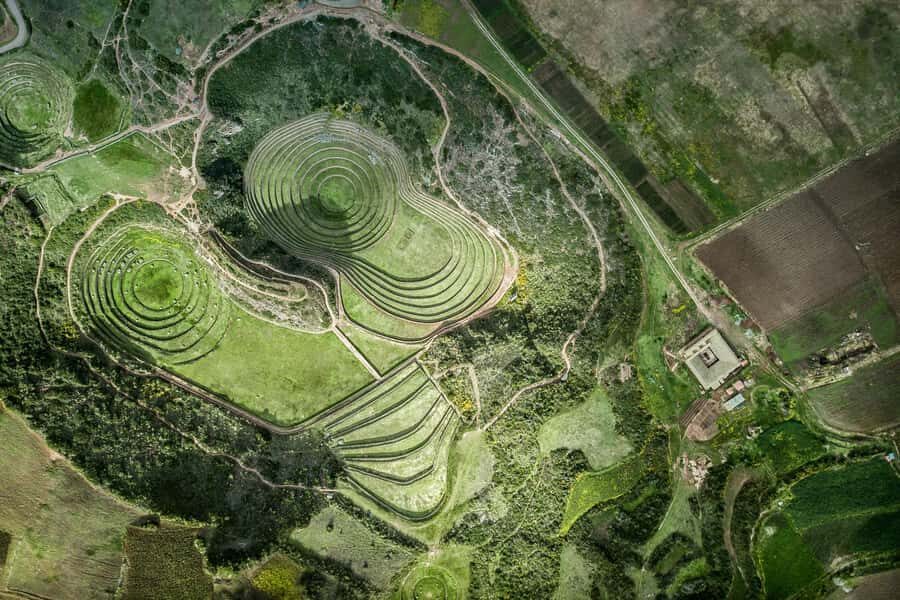
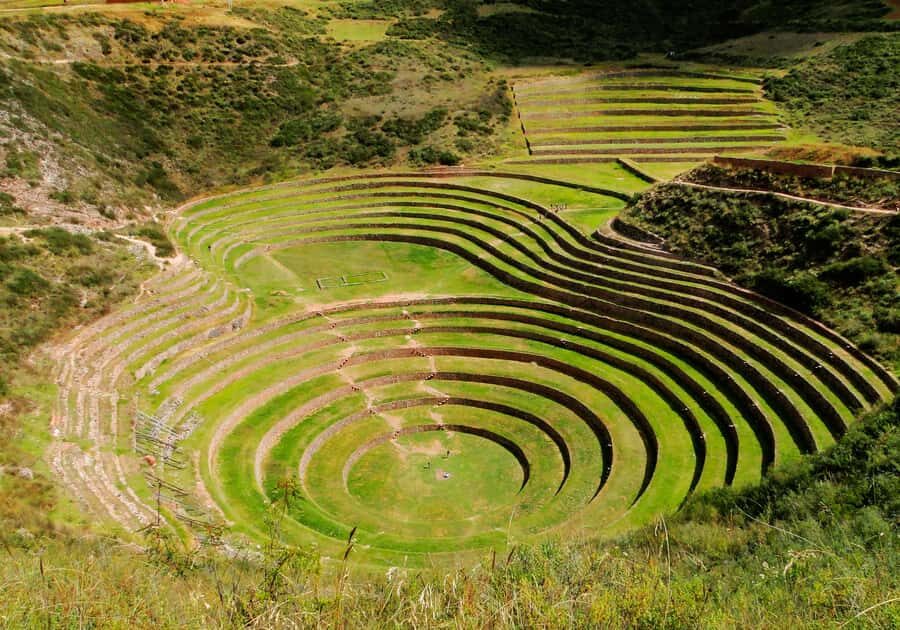
Moray is famous for its circular terrace layout, created inside a rare topographical depression. The terraces aren’t there just for looks. Your guide explains how the Inkas used the site’s unique conditions and engineered irrigation so the area could support different agricultural experiments.
In my view, Moray hits a sweet spot between “easy to understand” and “still impressive.” You don’t need technical background to see the logic: different levels, organized water, and a controlled environment. The guide help matters here—when you understand the irrigation system, the terraces start to make sense fast.
One heads-up: the Moray stop may require paying an entrance fee on the day of your tour. The site ticket is 70 soles and can be purchased on-site for cash. This isn’t included in the base price, so keep that in mind for your budget.
Maras Salt Mines: a mountain-fed grid of about 1,000 pools
Then you head to Maras Salt Mines (often called Salineras). This is the final big visual stop, with about 45 minutes of guided time.
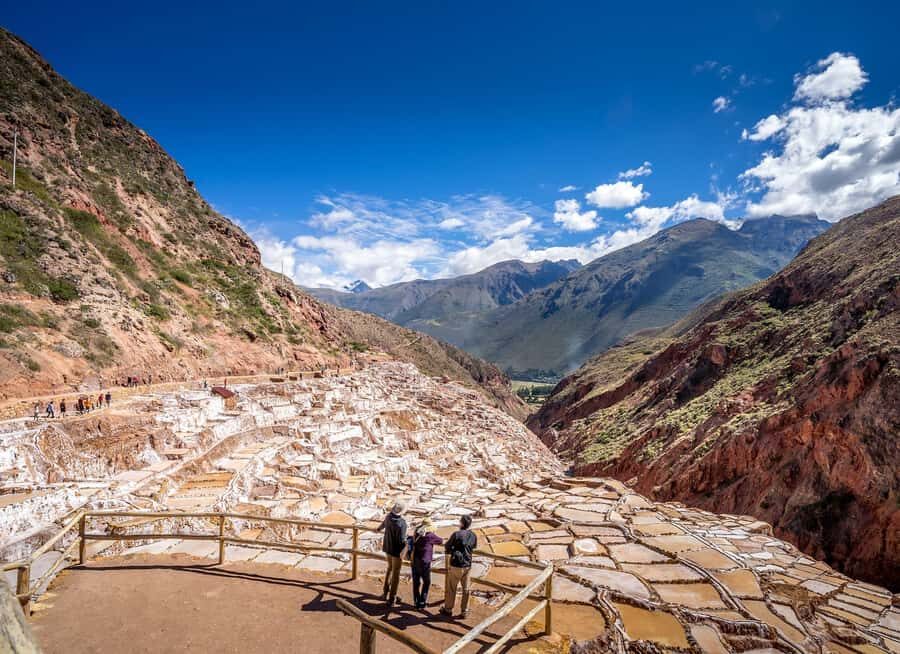
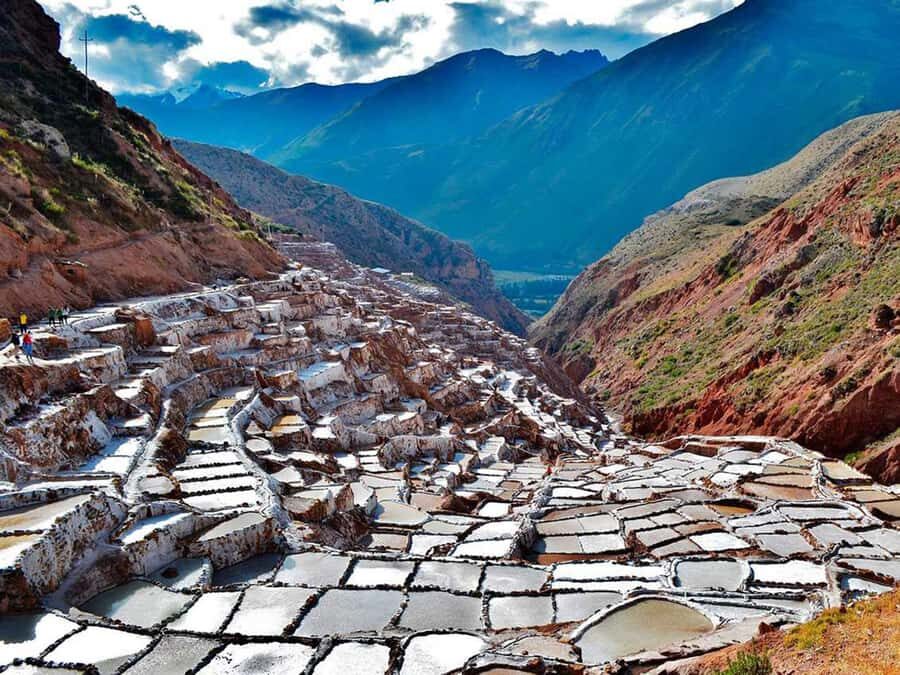
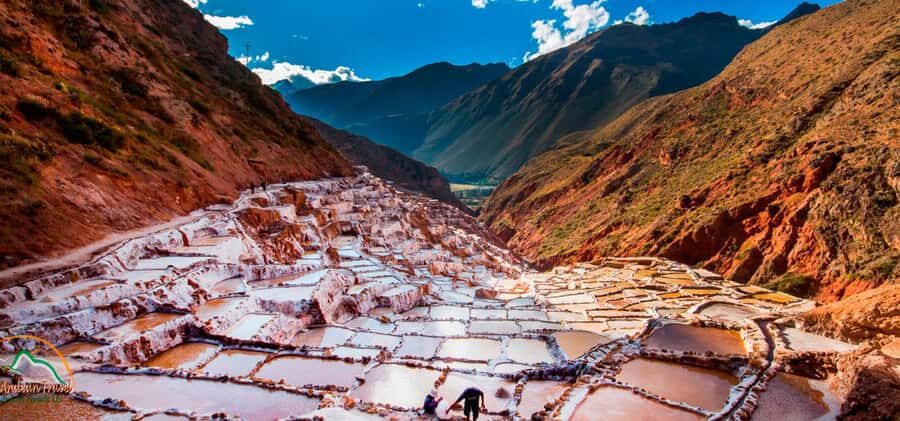
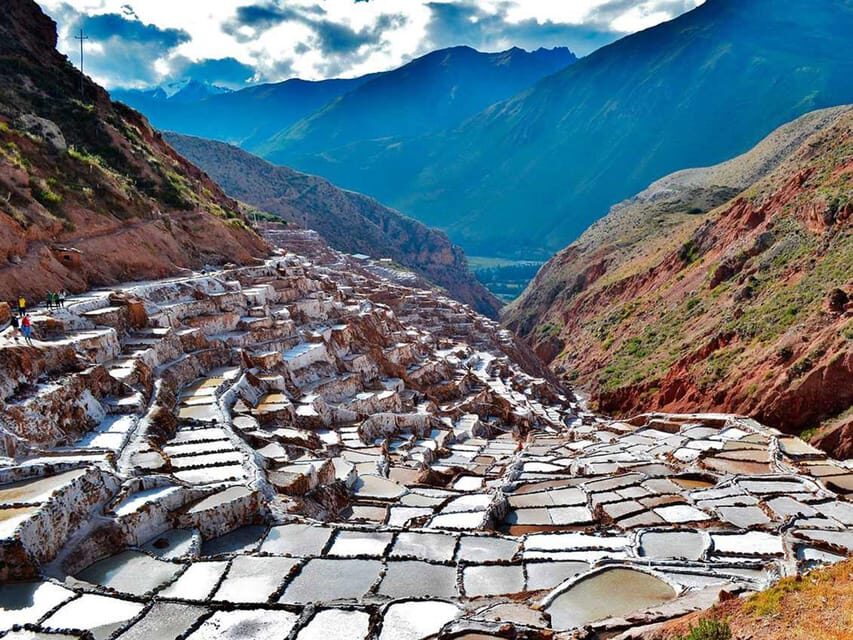
Here’s what makes it fascinating: the salt mines form a huge collection of terraces fed by a stream from high on the mountain. Over time, the water is channeled into roughly 1,000 small pools. On sunny days, people wait for evaporation, and the salt is left behind. This is a technique used since pre-Inka times, and it’s one of those “simple idea, intense results” systems that looks almost unreal once you’re standing above the grid.
Your guide will point out where the best views and photo angles tend to be. If you go for photos, aim to move a little slowly—Maras rewards patience because the pools create patterns that change as the light shifts.
The entrance fee for Maras is 20 soles, also cash-only, purchased at the site. It’s not included in your tour price.
Timing, comfort, and the real pace of 5–6 hours
This tour is short, and that’s both a plus and the trade-off. You’ll fit three destinations into one half day, and you’ll likely feel some time compression, especially around Chinchero.
A few practical notes based on what people experienced:
- The bus or van is usually comfortable, and the drive offers big Andes views.
- There can be waiting time if weather delays happen or groups arrive late, since schedules are tight.
- Roads to and from the sites can be bumpy. One person specifically warned that unpaved sections can hurt your back—so if your body is sensitive, pack accordingly (supportive shoes, maybe a small seat cushion, and avoid overpacking your day).
If you want to slow down your own day, use smart tactics:
- During Chinchero, decide early whether you’re shopping or just learning.
- In Moray, focus on photos from a few key angles rather than trying to cover every terrace detail.
- In Maras, get your bearings first, then take photos once you understand the pool layout.




Price value: what you’re really getting for about $14
On paper, a low price is great. In reality, it only feels like a win when the add-ons still make sense—which is why you should plan for entrance fees.
Here’s the value picture:
- You pay a low base price (listed at $14 per person) that includes bilingual guiding, van/transportation, hotel pickup, and drop-off near the center of Cusco.
- You still need to budget for sites you enter: Moray (70 soles, cash) and Maras Salt Mines (20 soles, cash).
- Chinchero’s textile stops and workshops are part of the route, but the Chinchero archaeological site ticket isn’t included.
Even with those extras, the bargain tends to hold because you’re not just “seeing” three places. You’re getting the storytelling that makes Moray and Maras feel connected—Inka agriculture logic, water engineering, then a salt-making practice tied to climate and landscape.
Also, the driver and guide dynamic matters. Guides like Clara, Jorge, Ángela, and Jenny came up repeatedly in feedback as warm and informative, with bilingual explanations that keep you from feeling lost when Spanish is flying around. That kind of clarity is worth something—especially in a short tour where you can’t afford to miss context.
What to bring (and what to skip) for a smoother day
You’ll be outside for stretches and walking on uneven ground. Bring the practical basics and you’ll enjoy the day more.
Bring:
- Passport or ID card
- Comfortable shoes with grip
- Sunglasses and sunscreen
- Snacks and water
- Cash for Moray and Maras entrance fees
Skip:
- Pets (not allowed)
If you’re thinking about comfort and your body, treat this as an outdoors day, not a museum day. Good shoes and hydration beat overpacking your day bag.
Shopping tips at Chinchero: enjoy it, don’t get rushed
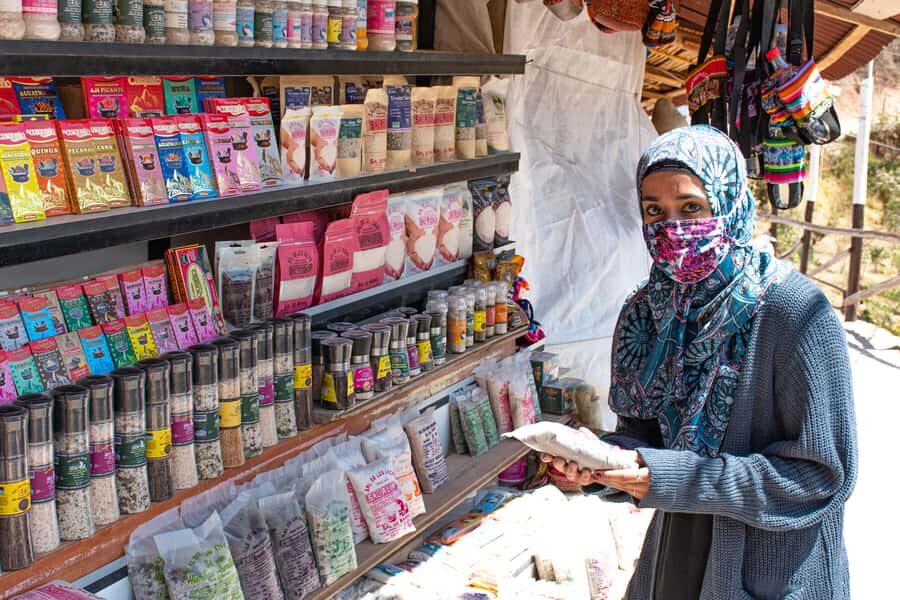
Chinchero includes a mix of workshop viewing and shopping time. That can be great—if you use it well.
My advice:
- Don’t buy first. Ask what you’re looking at (fiber type, what makes one item different from another).
- Expect that the store time may be a bigger part than you want if Chinchero is your main goal. People have noted feeling rushed here.
- Set a budget before you arrive. Alpaca products can look similar from a distance, and it’s easier to make a smart choice when your limits are clear.
Also, remember you’re not obligated to purchase anything just because you’re walking through workshop stops.
Should you book this tour?
Book it if you want a compact, high-impact day that connects Inka textile culture (Chinchero) to agricultural engineering (Moray) and ends with the striking, grid-like wonder of Maras Salt Mines. For the money, it’s one of the easier ways to get real guided context without spending the whole day in transit.
Skip or reconsider if you:
- have back problems or mobility limitations (uneven roads and walking time are real factors)
- need very slow, unhurried time at one location
- want only major archaeological ruins, because Chinchero’s archaeology ticket isn’t included and part of your Chinchero time is workshop and shopping
If you do book, go in with a simple plan: learn first, take photos with intention, and keep some cash ready for Moray and Maras.
FAQ
How long is the Chinchero, Moray, and Maras Salt Mines tour?
The duration is about 5 to 6 hours.
How much does the tour cost?
The price is listed at $14 per person.
Where is the meeting point and how do I find the guide?
Meet in front of the Inka Altitude office door. The guide will call your name. The coordinates are -13.5179344920558, -71.98077874414726.
Where do I get dropped off in Cusco?
You’ll be dropped off in Cusco center, near the Main Plaza de Armas, at two drop-off locations including C. Plateros 365.
What languages are spoken on the tour?
The live guide offers English and Spanish.
Are the Moray entrance fees included?
No. Moray requires a tourist ticket of 70 soles, which you can purchase on site the same day (cash only).
Are the Maras salt mine entrance fees included?
No. Maras Salt Mines entrance costs 20 soles, purchased in Maras the same day (cash only).
Is the Chinchero archaeological site included?
No. The Chinchero archaeological site ticket is not included.
What should I bring?
Bring your passport or ID card, comfortable shoes, sunglasses, snacks, sunscreen, water, and cash.
Who might not be a good fit for this tour?
It’s not suitable for people with back problems, mobility impairments, or visual impairments, and it’s not recommended for people over 220 lbs (100 kg).