REVIEW · CUSCO
4-Day Trek to Machu Picchu Through the Inca Trail
Book on Viator →Operated by Bamba Travel · Bookable on Viator
Sunrise at Machu Picchu feels like a real quest. This 4-day Inca Trail trek out of Cusco strings together high passes, Inca ruins, and camping—then delivers that first-light moment at the Sun Gate. You get a small-group experience (average 6) with a professional bilingual trek guide and the big stuff handled: permits, entrance fees, meals, and transfers.
What I like most is how much energy you save by not trying to figure out trail logistics on your own, especially when altitude is already doing its thing. The second big win: the food on the mountain tends to be solid, with veggie options and proper sit-down meals that keep you moving. One caution: Inca Trail permits sell fast, and if they’re not available for your booking, you’ll be offered an alternative hike or a full refund—so book early and double-check your details.
In This Review
- Key things to know before you go
- A classic route that still feels human
- Cusco to KM 82: Day 1 starts early, but it’s controlled
- The hardest day: Dead Woman’s Pass to Pacaymayo camp
- Pacaymayo ruins, Runquracay Pass, and Wiñayhuayna’s high jungle camp
- Sun Gate at sunrise: Day 4 is all timing
- Camping comfort and the Complete vs Basic gear choice
- Price and what you really get for $833
- Small-group support, and a heads-up on service variation
- Who should book this trek (and who should plan differently)
- Should you book this 4-day Inca Trail trek?
- FAQ
- What time do I need to be ready in Cusco?
- Where does the trek start?
- Is Machu Picchu included with a guide?
- What’s the difficulty level?
- What’s included in the meal plan?
- Do I need to bring a sleeping bag?
- How big is the group?
- Are permits and entrance fees included?
- What transfers are included?
- Is the booking refundable if I cancel?
Key things to know before you go
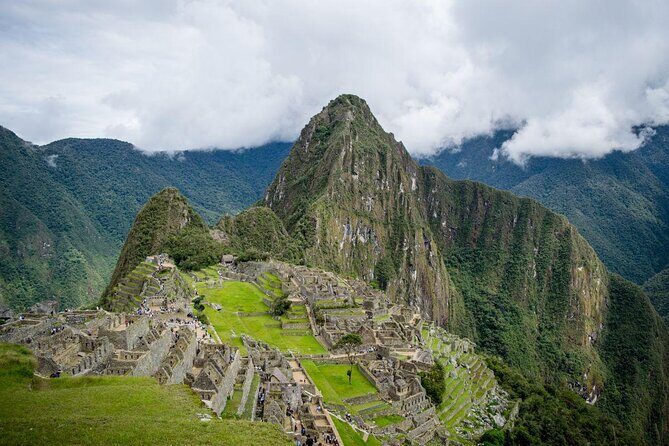
Sun Gate timing is built in: you’ll line up early and aim to reach the gate at 5:30 am for sunrise viewing.
Day 2 is the altitude gut-check: Dead Woman’s Pass at 4,215m is followed by a long stone-stair descent to Pacaymayo camp.
You’re not hiking alone: guides handle the trail, while bus/train transfers run without a guide.
Gear package choice changes your comfort: Complete includes a thermal sleeping bag and porter help for personal gear weight.
Meals are planned, not improvised: breakfast, lunch, dinner, plus three snack breaks, with vegetarian menus available.
Optional hikes cost extra and need planning: Huayna Picchu and Machu Picchu Mountain hikes are paid add-ons.
A classic route that still feels human
The Inca Trail to Machu Picchu is famous for a reason: it’s not just a scenic hike. It’s a moving museum route—rolling river valleys, stone steps, and multiple Inca archaeological stops—ending at the most iconic viewpoint in South America. What makes this specific version appealing is how it mixes the big Inca moments with day-by-day structure. You always know what comes next: start times, meal rhythm, where you camp, and when you’ll be at the next checkpoint.
I also appreciate that the pacing is built around safety. Day 2 is hard, no sugarcoating, but the schedule includes time to rest. On Day 3 you’re back among passes and ruin stops, then you finish with an early-morning dash that’s mostly about being there on time. In the end, that’s what transforms a bucket-list idea into a trip you remember for the right reasons.
If you’re the type who gets stressed by navigation, this tour design helps. You’re led, you’re briefed the day before, and your tickets are handled for the checkpoints. That matters when you’re tired, windburned, and trying to focus on the trail.
You can also read our reviews of more hiking tours in Cusco
Cusco to KM 82: Day 1 starts early, but it’s controlled
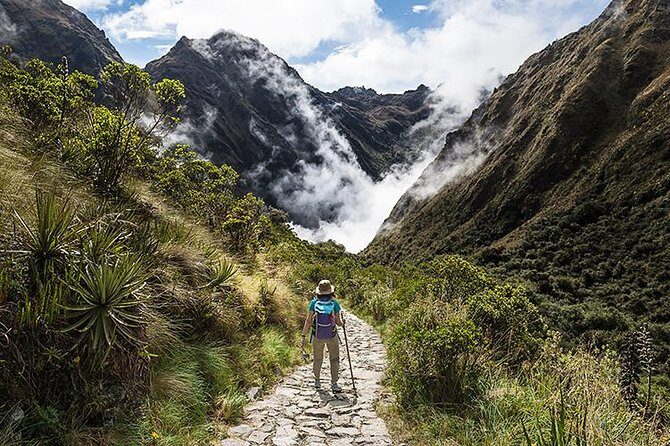
Day 1 begins with pick-up from Cusco between 5:45–6:00 am, followed by a bus ride to Ollantaytambo. You get about an hour there to eat breakfast on your own and buy last-minute items like snacks, water, and walking sticks if you need them. This is one of the most practical parts of the whole itinerary: you’re not forced to start the trail hungry, and you still get time to top off supplies before the hike truly begins.
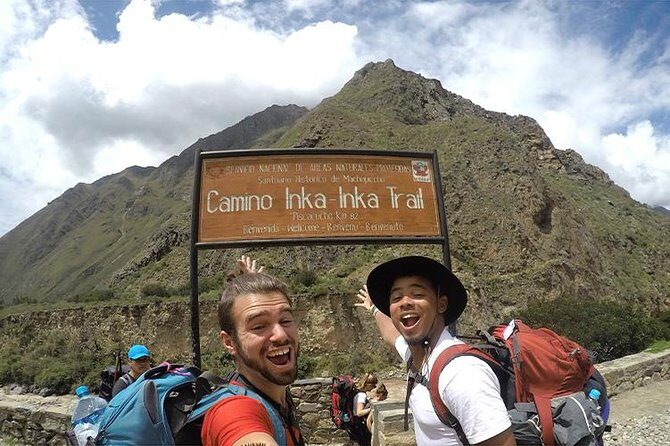
Then you ride on to Piscacucho (KM 82), where the classic Inca Trail segment kicks off. From there, your trek runs along the Vilcanota River Valley, with rolling hills and chances to pass small archaeological sites along the way. The vibe on Day 1 is usually about finding your rhythm. You’re not thrown into a wall of stairs immediately; instead, you warm up while the altitude climbs you gradually.
Your first night is at Wayllabamba camp (about 2,980m). Camping here means you’ll spend your energy building a routine: eat, hydrate, sleep, repeat. It also means the next days won’t feel like one long scramble from hotel to viewpoint. You’re living the route.
One small drawback to plan for: this is an early start from Cusco. If you already know you’re not a morning person, you’ll want to make your Cusco day before the trek easy—early dinner, good sleep, and no wild late-night exploring.
The hardest day: Dead Woman’s Pass to Pacaymayo camp
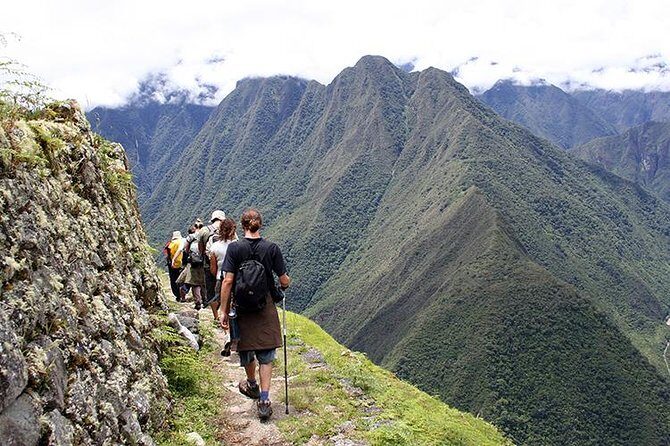
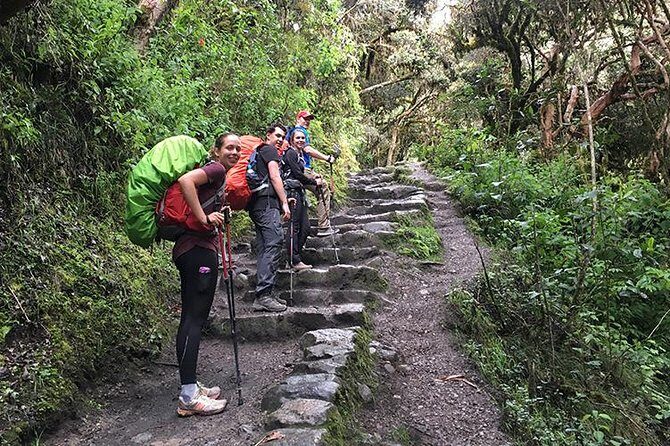
Day 2 is the “okay, this is real” day. After an early breakfast around 6:00 am, you start the climb toward Dead Woman’s Pass (4,215m). The schedule calls for a vertical effort of about 6 km (roughly 5 hours), then a stone-step descent of about 3 km for around 2 hours into Pacaymayo camp (3,600m).
Even if you’re an active person, this is the kind of day where altitude changes everything. The trek asks for steady breathing, not speed. The good news is you’re given time—this isn’t a “run it and hope” itinerary. You’ll ascend more than 1,200 meters in the morning, and you’ll be able to regroup and rest as needed.
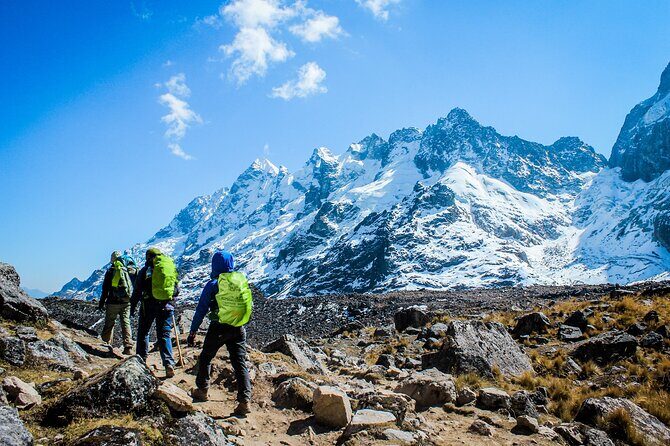
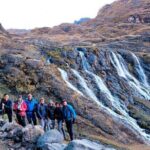
Right after the pass, you’re rewarded with views—snow-capped peaks and waterfalls are on the menu. Then you transition from “big climb” mode to “long descent” mode, which can be harder on knees than people expect. That’s where trekking poles or solid walking sticks can help a lot. One review specifically stressed how much easier the steep stair sections were with poles, especially going downhill.
You’ll arrive at camp for lunch and then get real downtime: nap, fresh air, and enough margin to recover before dinner. This day is a turning point. If you get through Dead Woman’s Pass, Day 3 tends to feel more like a strong journey than an uphill fight.
Pacaymayo ruins, Runquracay Pass, and Wiñayhuayna’s high jungle camp
Day 3 starts with an uphill warm-up: about one hour to visit the Pacaymayo archaeological site, then another hour toward Runquracay Pass (3,950m). The pass is your climb reward. Once you summit, the views open up in a way that makes the effort feel earned.
After that, you visit two more Inca sites with your guide: Sayacmarca and Phuyupatamarca. You’ll also have lunch along the way. This is a key difference between doing a random hike and doing a planned Inca route: you’re not just walking through scenery. You’re walking through meaning, with explanations tied to what you’re seeing.
Late afternoon brings you to Wiñayhuayna High Jungle camp (about 2,650m). This is where the environment often surprises people. You shift from higher, drier mountain terrain into a “high jungle” feel set above a river valley. Even when the weather isn’t perfect, the change in plants and the air make the hike feel like it’s turning a page.
At the end of Day 3, after dinner, you’ll do a proper moment of thanks to your porters and guides. I like this part because it reminds you that the trek is team work. Porters carry shared equipment, cooks handle daily meals, and guides manage timing. A well-run trek feels invisible while it’s happening, then it hits you later how much organization made it possible.
Sun Gate at sunrise: Day 4 is all timing
Wake-up is early: between 3:30 and 4:30 am, followed by breakfast. Then you head out to the Wiñaywayna checkpoint and join the lineup for the gate opening at 5:30 am. If you hate waiting in cold dark weather, you’ll want to accept it as part of the price of admission. Once the gate opens, you hike for about an hour to reach the Sun Gate.
Reaching the Sun Gate is the big show. First light over Machu Picchu is exactly why so many people plan this trek. You may have clear skies or you may not. Either way, being there on schedule gives you the best chance.
After you’ve had your sunrise moment, you continue down the trail. The schedule gives about 40 minutes to reach the Machu Picchu archaeological complex. From there, you get a 2-hour guided tour, which is where the trek becomes more than photos. When you’re walking through the history you’ve already been hearing about for days, Machu Picchu hits harder—because you know what the route taught you.
Then you’ll have free time to explore on your own and take pictures. This is also where optional add-ons enter. If you want extra elevation views, the common add-ons are Huayna Picchu (extra cost) or Machu Picchu Mountain (extra cost). These are paid options and should be booked in advance if you want your preferred timing.
Practical tip from what I’ve seen people run into: when you add Huayna Picchu, entry windows matter. If your group is slower than planned or your Machu Picchu tour runs late, the window can be tight.
You can also read our reviews of more tours and experiences in Cusco
Camping comfort and the Complete vs Basic gear choice
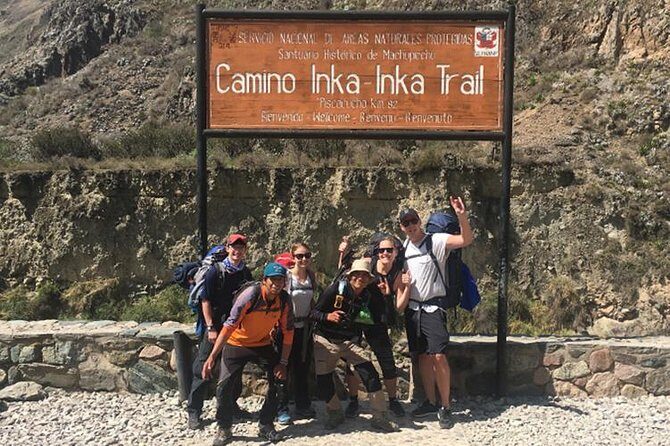
This trek runs camping-style, so sleeping comfort matters. Here’s the clean breakdown of what changes between packages:
- Complete option: includes a thermal sleeping bag, foam sleeping mat, a duffel bag system, and porter support so your personal gear totals up to 7 kg (with 3 kg allocated to your sleeping gear and 4 kg to personal items).
- Basic (Light) option: includes a basic foam sleeping mat but does not include the thermal sleeping bag and does not include porter help for personal gear. You carry more yourself.
If you’re deciding based on comfort, it’s a pretty straightforward trade. The Complete package reduces weight on your body and gives you better insulation for cold nights. One unhappy account mentioned tents and sleeping setups not meeting expectations when weather got rough. That’s a reminder that “basic” often means more you have to personally manage. If you pick Basic, consider renting what you need in Cusco (a sleeping bag is listed as $15 USD for the trek, plus optional inflatable mattresses and trekking poles for additional fees).
Food is another comfort pillar. Meals include breakfast, lunch, and dinner across the trek, plus three snack breaks. Vegetarian options are available if you request them at least two days in advance.
Based on the typical meal style provided, mornings often start with hot porridge or oats, eggs or omelets, and bread, with coca tea, coffee, and hot water options. Lunch and dinner commonly include soups and substantial mains—stuff like quinoa-based dishes, stews, and chicken or beef preparations. Desserts show up too, including fried plantains and chocolate options.
The overall effect: you don’t feel like you’re “making do” at altitude. You’re fed enough to keep pace.
Price and what you really get for $833
At $833 per person, the value comes down to how much is included. This trek isn’t just a guide and a route. Your booking includes:
- Inca Trail permits and a pre-departure briefing
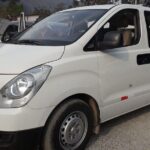
- Transport for the core legs (Cusco to KM 82 start; Machu Picchu to Aguas Calientes bus; train Aguas Calientes to Ollantaytambo; bus back to Cusco)
- Professional bilingual trek guide and Machu Picchu guide
- Camping accommodation (with tent-for-two setup and sleeping pad basics, depending on package)
- Porters and cook for shared equipment
- Entrance fees and the Machu Picchu portion
- Meals and snacks for the days specified in the plan
- Safety extras like a first aid kit and an emergency oxygen bottle
What’s not included is also important. You’ll handle your own:
- Airport pick-up (you make your own way to Cusco)
- Day 1 breakfast, Day 4 lunch, and bottled water
- Cusco hotel accommodation
- Tips (optional, with a suggested total around $40–50 USD per trekker for the whole team)
- Some gear if you choose Basic (sleeping bag rental, trekking poles rental, inflatable mattresses, etc.)
- Optional Huayna Picchu / Machu Picchu Mountain hikes
For me, the pricing makes sense if you want the full “door-to-door on the route” feel—especially the permit/entrance fee piece and meal planning. If you’re a very experienced independent hiker who already owns cold-weather sleeping gear and has navigational confidence, you might question the cost. But for most people, paying for the structure is what prevents the trip from turning into a stressful logistics experiment.
Small-group support, and a heads-up on service variation
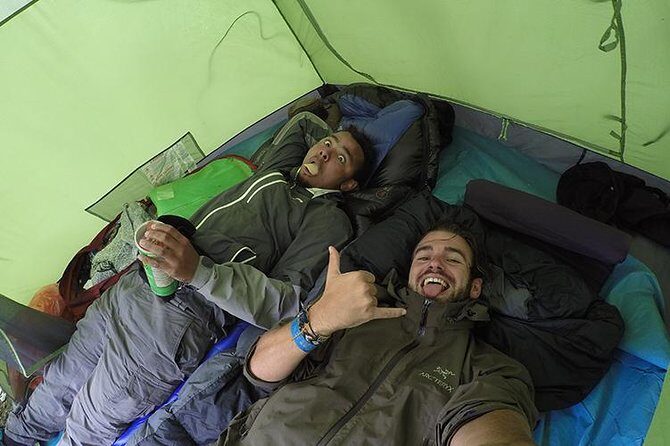
Most of the positive accounts focus on how encouraging and well-organized the guides and team feel. Names that come up repeatedly in the feedback include Francisco, plus other guides like Percy, Freddie, and Sergio. The best-run treks are the ones where guides manage pacing, explain what you’re seeing, and keep you from rushing while your body adjusts to altitude.
The same feedback repeatedly praises the porters and chefs, with multiple mentions of meals being some of the best food people had during their time in Peru. When the trek is hard, that matters. Hunger turns a steep day into misery.
Still, I’d be realistic: at least one account flagged concerns about disorganized tent setup, sleeping pad issues, and guides not staying fully with a smaller group. That doesn’t mean it will happen to you, but it does suggest one smart move: choose the service level that reduces what can go wrong at camp. If you’re considering Basic, think hard about the cold and comfort side.
Who should book this trek (and who should plan differently)
This trek is demanding. It includes three passes, with big altitude swings, and it involves a lot of stairs and steep sections. The itinerary numbers given for the toughest day and total Day 3 time are a good indicator: you’re looking at long hours on your feet.
You’ll be happiest if you:
- Are moderately fit and have time to train before you go
- Prefer a guided experience where you can focus on your body and the scenery
- Like learning as you walk, not just arriving at landmarks
- Want a structured finish with sunrise at Sun Gate and a guided Machu Picchu visit
You might rethink it if you:
- Know you struggle with cold-night camping
- Hate early mornings and lineups
- Want total control and flexibility day to day (this itinerary is structured, not improvisational)
Should you book this 4-day Inca Trail trek?
I’d book it if your priority is the classic Inca Trail experience with sunrise timing and a lot handled for you: permits, meals, camping support, and the Machu Picchu guided piece. The value is strongest when you choose the package that matches your comfort needs—especially if cold sleep is a concern.
I wouldn’t book it last-minute. Permits move fast, and if permits aren’t available for your exact booking, you’ll need to accept an alternative hike or a full refund. Also, this is a tough route. If you can train for steep climbs and descent, you’ll enjoy it way more than if you’re hoping adrenaline covers everything.
If you want Machu Picchu, but you also want the journey to matter, this trek is a very solid way to do it.
FAQ
What time do I need to be ready in Cusco?
You’ll be picked up on Day 1 between 5:45 and 6:00 am. The Day 4 timing is also very early, with wake-up between 3:30 and 4:30 am.
Where does the trek start?
The trek starts at KM 82 (Piscacucho) after a bus ride from Ollantaytambo.
Is Machu Picchu included with a guide?
Yes. After you reach Machu Picchu, you’ll have about a 2-hour guided tour, then time to explore on your own.
What’s the difficulty level?
It’s demanding due to multiple passes, altitude changes, and long sections of uphill and downhill. Day 2 includes a steep climb to Dead Woman’s Pass followed by stone stair descent.
What’s included in the meal plan?
Meals include breakfast, lunch, dinner as scheduled in the trek, plus three snack breaks. Vegetarian meals are available if you request them at least two days in advance.
Do I need to bring a sleeping bag?
If you choose the Complete option, the thermal sleeping bag is included. If you choose Basic, it is not included; renting in Cuzco is listed at $15 USD.
How big is the group?
This is a small-group experience with a maximum of 15 and an average group size of about 6, with an overall max of 30 travelers for the tour.
Are permits and entrance fees included?
Yes. Inca Trail permits and Machu Picchu entrance are included in the booking. Permits sell fast, so planning ahead matters.
What transfers are included?
Included transfers cover the key legs: Cusco to KM 82 start, Machu Picchu to Aguas Calientes by tourist bus, train from Aguas Calientes to Ollantaytambo, and bus back to Cusco.
Is the booking refundable if I cancel?
No. The experience is non-refundable and cannot be changed for any reason. If the trek is canceled due to poor weather, you’ll be offered a different date or a full refund.