REVIEW · CUSCO
Cusco South Valley: Morning Half Day Tour
Book on GetYourGuide →Operated by PVTravel · Bookable on GetYourGuide
Water, stone, and murals in one morning. This Cusco South Valley half-day outing strings together Tipón’s Inca water-control engineering, the pre-Inca Wari ruins at Pikillacta, and the gold-and-canvas interior of Andahuaylillas. I like how the tour doesn’t just point at ruins—it shows you how people shaped the valley, literally through water channels.
What I really loved is the contrast between time periods: Tipón reads like a designed landscape of rituals and hydraulics, then Pikillacta switches the vibe to Wari power and urban planning. And Andahuaylillas is the big emotional hit, with Baroque-and-Andean artwork, gold-plated frames, and mural paintings that make the church feel like a mini gallery rather than a simple stop.
One thing to consider: the day can include extra roadside stops for food and shopping, and that can make the “free time” feel less free than you’d expect. For example, one guide named Jorge was clear and accessible, but the schedule still had add-on moments that weren’t emphasized up front—so I’d go in knowing lunch and purchases may not be optional.
In This Review
- Key things to notice before you go
- Cusco South Valley in 6 hours: how the pacing really works
- Tipón: Inca engineering you can actually visualize
- Pikillacta: the Wari city behind the name City of fleas
- Andahuaylillas Church: the Sistine of America effect
- Price and what you’re really paying for ($29 value math)
- Logistics you’ll feel: pickup timing and the lunch/shopping reality
- How good is the guiding? Bilingual explanations with real variety
- Who should book this Cusco South Valley morning tour
- Should you book it? My call
- FAQ
- What time does the tour pick me up in Cusco?
- What’s the total duration and what time do we return?
- Which stops are included on the route?
- Is the Andahuaylillas Church entrance fee included?
- Do I need to buy a touristic ticket?
- What’s included in the price of the tour?
- What should I bring and wear?
- Is this tour wheelchair accessible?
Key things to notice before you go
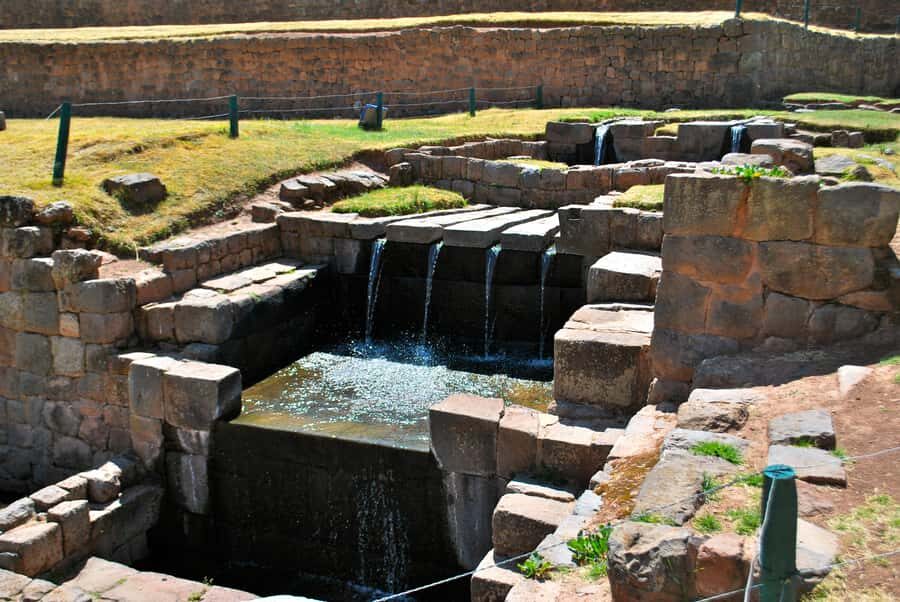
- Tipón’s water system: Watch how stone channels controlled water flow from the Pachatusan hill toward the valley.
- Pikillacta’s Wari walls: You’ll see a walled citadel and learn that Pikillaqta means city of fleas.
- Andahuaylillas inside is the star: Think gold-plated frames, mural paintings, and Baroque altarpieces.
- Guides are bilingual: Tours run in Spanish and English, with a professional guide. Some explanations may lean Spanish depending on the group.
- Comfort matters: Comfortable shoes are the main packing rule, and you can keep the walking pretty manageable.
- Plan for extra stops: Lunch breaks can include structured stops, including a cash-focused restaurant experience.
Cusco South Valley in 6 hours: how the pacing really works
The tour starts with pickup in Cusco around 8:30 AM. From there, you’ll travel south into the Andean foothills and keep moving through three major cultural stops, then return you to Cusco around 3:00 PM (the schedule includes a 1-hour break in the middle).
Even though it’s called a morning half-day, the overall length is about 6 hours, which is honestly a good match for what you’re trying to do: see Inca, pre-Inca, and Colonial art without hiking for half a day. I like this format for first-time Cusco visitors who want structure and variety, especially if you’re also trying not to exhaust your legs on uneven ground.
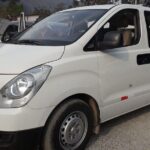
Transportation is included, and you’ll ride a bus/coach between stops (the driving time is built into the day). The main “energy cost” is walking around archaeological areas and moving between sites—not climbing for hours. One helpful detail from the field: people have noted there aren’t lots of steep steps, so it’s a solid choice if you want history but not a full-body workout.
You can also read our reviews of more tours and experiences in Cusco

Tipón: Inca engineering you can actually visualize
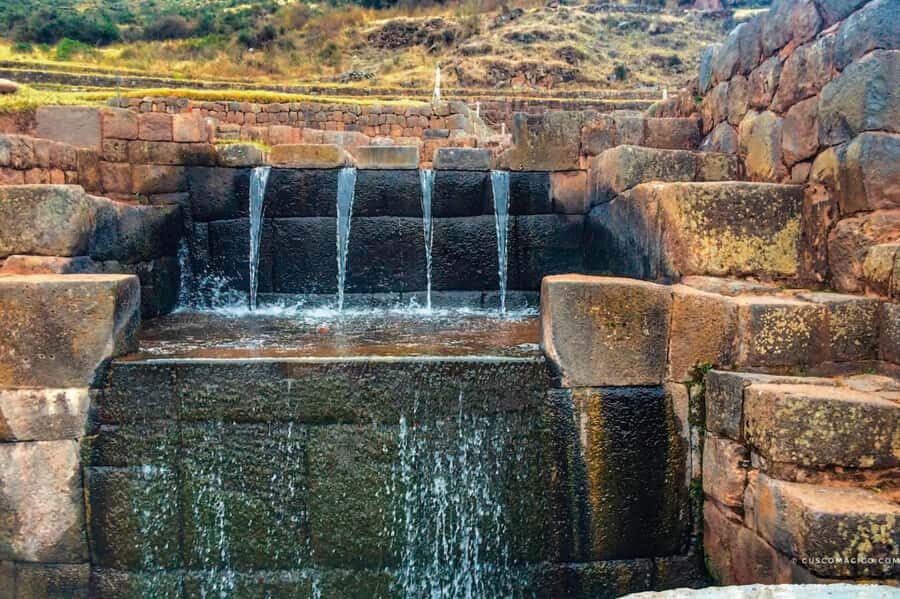
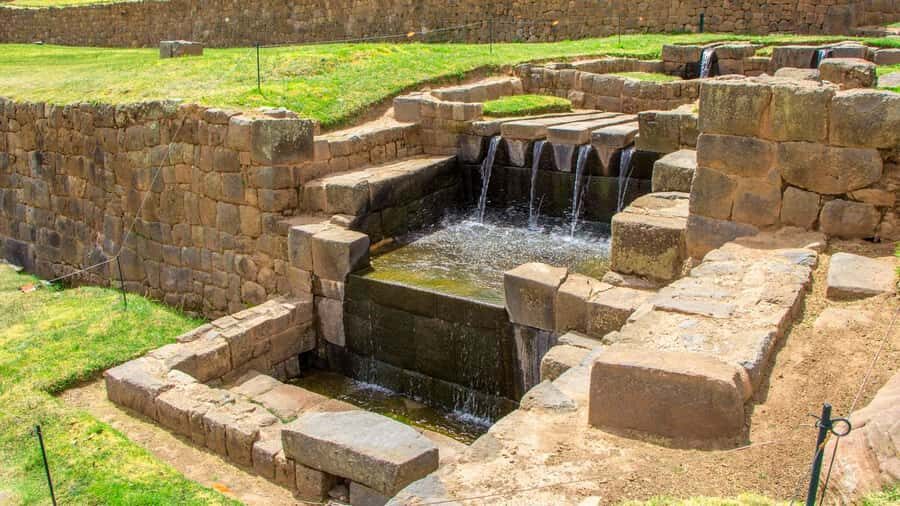
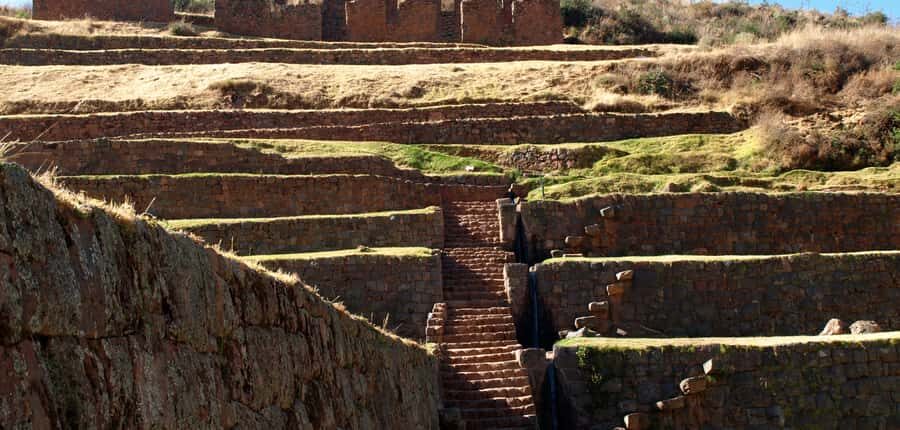
Tipón is the first major archaeological center you’ll visit, and it’s special because it’s not only about buildings. It’s about water management—stone channels, controlled flow, and the idea that landscape could be engineered for ceremony.
In Tipón, your guide will walk you through how water from the Pachatusan hill was guided through a stone channel system toward the lower valley. This is a very “see it, then understand it” kind of stop. Instead of only imagining what the Inca wanted, you’re shown the physical logic of the system: where water came from, and how it was channeled once it arrived.
I also like the way Tipón sits in the Cusco South Valley story. You get a sense of the Inca approach: organized, purposeful, and deeply tied to geography. It makes the next stop—Pikillacta—feel like a historical conversation rather than three unrelated field trips.
Practical tip: wear comfortable shoes. You’ll be standing and moving around uneven ground, and you’ll enjoy the explanations more if your feet are happy.
Pikillacta: the Wari city behind the name City of fleas
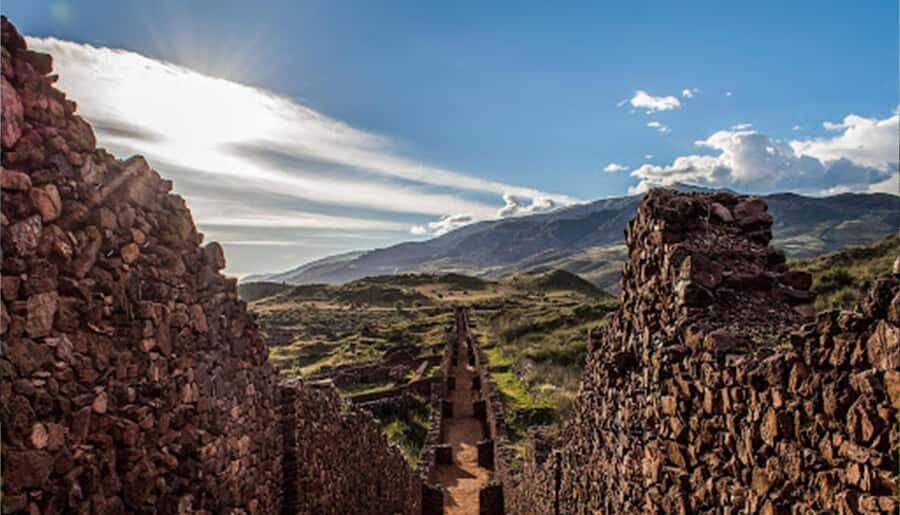
After Tipón, you’ll head to Pikillaqta (Pikillacta), a pre-Inca Wari site. The name is unusual on purpose—Pikillaqta means city of fleas—and that alone makes people pay attention.
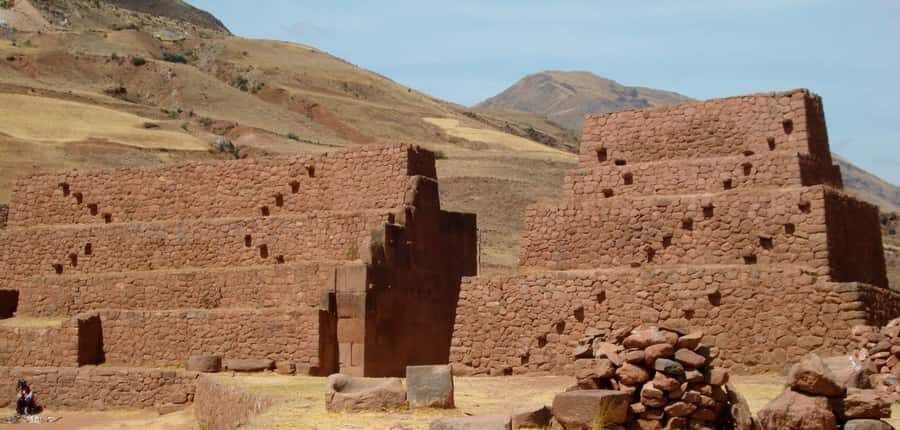
What makes Pikillacta feel different from an Inca site is the scale and the layout. You’ll visit the archaeological complex described as an old walled citadel of the Wari Empire, which was a major regional power during its expansion toward the area around Cusco.
As you walk and look, you’re really seeing how Wari influence could be expressed through city planning—walls, spaces, and a sense of order. If you’re someone who likes context (who lived here, what kind of society built this, why it mattered), this stop delivers. It’s a strong counterpoint to Tipón: both connect humans to the valley, but the “how” and “why” feel distinct.
What to watch: archaeological sites can vary in footing. Keep your pace steady, and use the guide’s route as your cue for where to stand for the best view and explanations.
Andahuaylillas Church: the Sistine of America effect
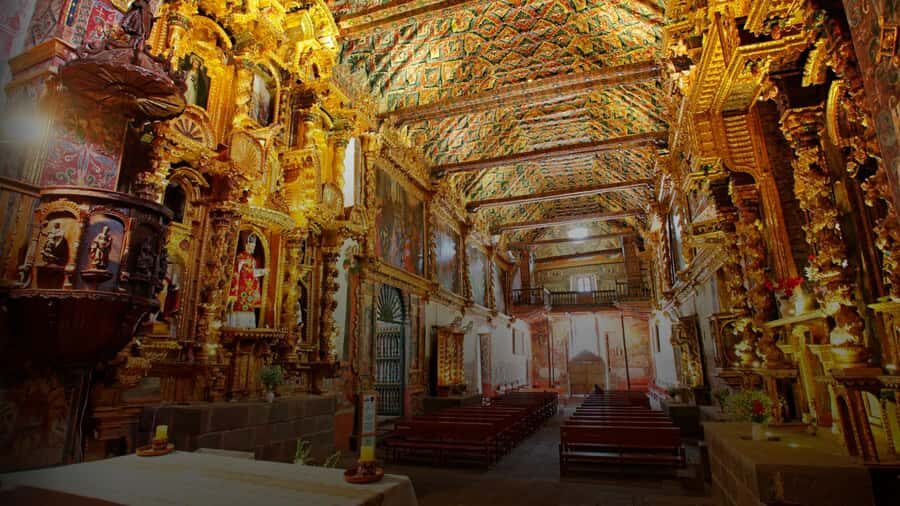
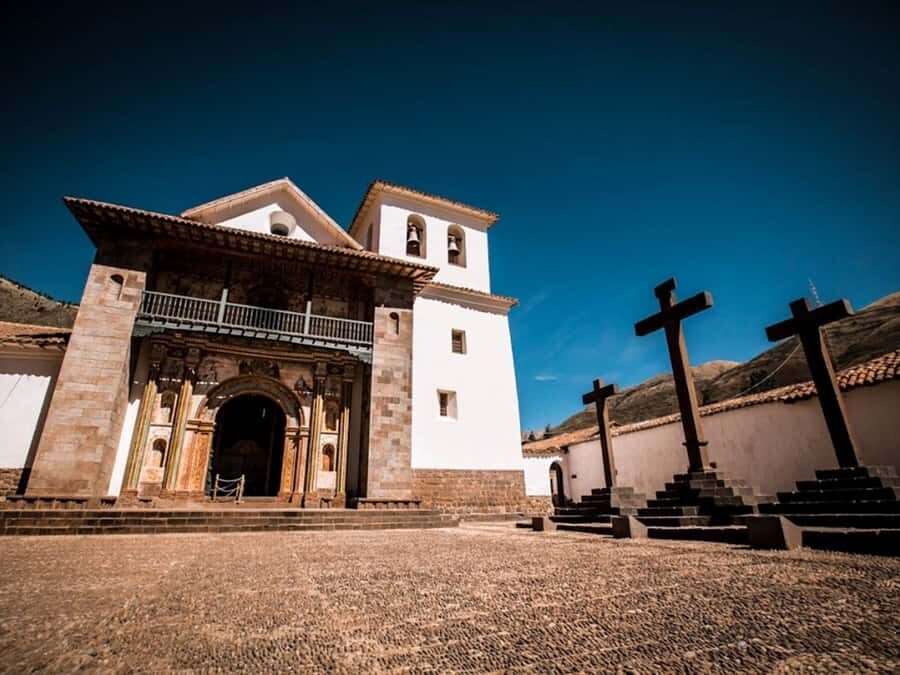
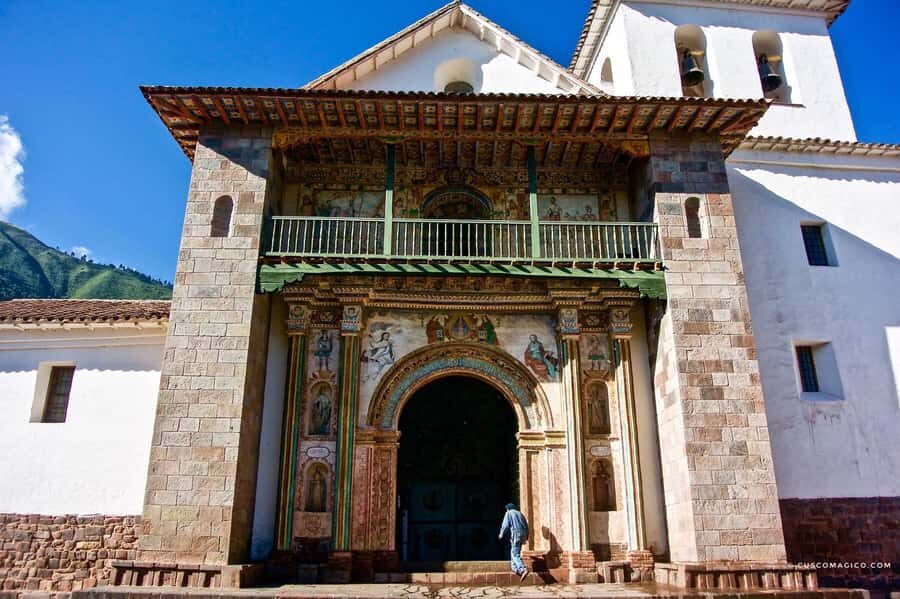
Then comes the stop that many people remember most: Andahuaylillas Church, often called the Sistine of America.
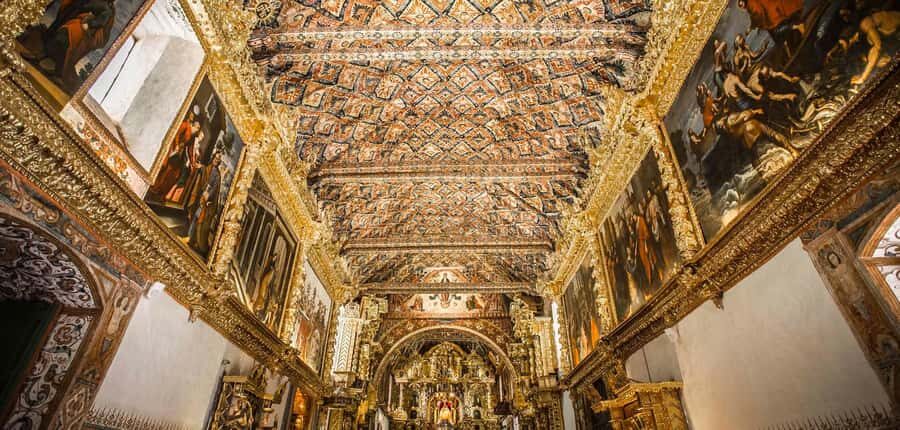
This church is described as a Colonial-period jewel, and what you’re going for is what’s inside. The tour highlights an impressive collection of canvases with gold-plated frames, mural paintings, and Baroque altarpieces. It’s not just pretty decoration. The artwork creates a full visual environment, the kind that makes you slow down and look closely—at the altarpieces, the framing, and how the painted surfaces fill the space.
If you’ve seen other churches in Peru, you’ll recognize the mix of art styles and local influence, but Andahuaylillas tends to hit harder because it’s packed with detailed visual elements. It feels like a curated experience even though you’re in a real worship space.
Important for planning: the entrance fee to Andahuaylillas Church is not included. In addition, you may need the touristic ticket (listed as S/70.00 per person). If you already have the General Tourist Ticket valid for 10 days, you don’t need to buy a new one—this is worth checking carefully before your day starts.
Price and what you’re really paying for ($29 value math)
At about $29 per person, this tour sits in the “good value” zone for Cusco day tours, especially because it includes:
- pickup from your accommodation
- a bilingual professional guide (Spanish/English)
- transportation between the sites
The parts that add cost later are mainly entrance-related:
- Andahuaylillas Church entrance fee (not included)
- touristic ticket S/70.00 per person (unless you already hold the 10-day general tourist ticket)
So, the true value depends on what you already have in your pocket and what you plan to pay onsite. If you already bought the 10-day tourist ticket, your day stays closer to the advertised price. If not, budget for the S/70 plus the Andahuaylillas entrance.
One extra practical note from real-world experience: the touristic ticket and onsite spending can be cash-focused. In one case, a visitor flagged that the ticket purchase was cash-only, and that the lunch stop leaned cash/limited payment options. I don’t say this to scare you—just to help you plan. If you want zero stress, bring enough cash for the ticket and any purchases during the break.

Logistics you’ll feel: pickup timing and the lunch/shopping reality
The official flow is simple: pickup around 8:30 AM, then you move through the three main sites and return around 3 PM. But what makes or breaks a morning tour is clarity.
In practice, the day can include stops that look minor on paper but feel important once you’re in them—especially around meals. Some people have found that there’s a food-and-shopping stop where you’re essentially funneled toward a limited set of choices, and they wish this had been explained upfront. Others noted time spent at an extra shop stop and a small paid “museum” style stop costing around 5 soles.
Here’s how I’d handle it as a traveler: go in with the expectation that you’ll likely have a more structured lunch environment than you’d get on a true free day. If you’re picky about meals, bring snacks you can rely on—or at least come prepared to choose quickly during the break window.
Also pay attention to the “no big luggage” rule: luggage or large bags are not allowed. That means you should travel light and keep the daypack you actually need. It’s small, but it matters. Less clutter inside the vehicle makes the morning feel smoother.
How good is the guiding? Bilingual explanations with real variety
This tour includes a bilingual professional guide who can speak Spanish and English. That sounds perfect for international travelers, and often it works well because each site has lots to explain.
Still, a bilingual setup doesn’t always mean equal time in both languages. One experience described most explanations being in Spanish with only a short English version when there were very few English speakers. On the flip side, a different visitor praised a guide named Jorge for being clear and easy to approach, and another noted a guide named Magda speaking slowly and clearly and switching into good English when needed.
So here’s my practical advice: if you rely on English, say so at pickup (politely) and ask whether you’ll have more English than Spanish during the day. Guides are used to adapting, and a quick check can prevent a disappointment.
Who should book this Cusco South Valley morning tour
This is a great fit if you want:
- three major cultural stops in one go
- history across Inca and Wari periods plus Colonial art
- a day that isn’t centered on steep climbing
- a guide-led experience with transportation included
It’s also a solid choice if you’re trying to build a Cusco itinerary that stays realistic: you get variety without needing to plan separate tickets and routes for each site.
I’d think twice if:
- you hate any form of structured lunch or shopping stops
- you want to control every part of the day (this is not that kind of tour)
- you’re sensitive to cash-only moments for tickets or meals
- you need wheelchair access (this tour is not suitable for wheelchair users)
Should you book it? My call
I’d book this tour if your priority is a clean, guided route through Tipón, Pikillacta, and Andahuaylillas with a bilingual guide and included transport. For the price, the combination of Inca water engineering, Wari city walls, and a church interior packed with gold-framed art is a strong return.
But I’d also go in with open eyes: plan for extra stops around food and small purchases, and bring the kind of payment flexibility that works for onsite tickets and meals. If you do that, you’ll likely finish the day feeling you got more than just “ruins.” You’ll understand how different cultures shaped the valley—and you’ll see why Andahuaylillas has earned its big nickname.
FAQ
What time does the tour pick me up in Cusco?
Pickup is around 8:30 AM from your accommodation in Cusco.
What’s the total duration and what time do we return?
The tour runs for about 6 hours, and you’ll return to Cusco around 3:00 PM (Plaza Regocijo).
Which stops are included on the route?
You’ll visit Tipón, Pikillaqta (Pikillacta), and the Church of Andahuaylillas, with guided sightseeing at each stop.
Is the Andahuaylillas Church entrance fee included?
No. The entrance fee to Andahuaylillas Church is not included.
Do I need to buy a touristic ticket?
You may need the touristic ticket listed as S/70.00 per person, but if you already have the General Tourist Ticket valid for 10 days, you do not need to buy a new one.
What’s included in the price of the tour?
Pickup at your accommodation, a bilingual professional guide (Spanish/English), and transportation are included.
What should I bring and wear?
Bring comfortable shoes. The tour also has a rule against luggage or large bags.
Is this tour wheelchair accessible?
No, it is not suitable for wheelchair users.