REVIEW · CUSCO
Cusco Cooking Class by ChocoMuseo in Cusco
Book on Viator →Operated by ChocoMuseo SAC · Bookable on Viator
Cook ceviche and make your own pisco sour.
This Cusco cooking class by ChocoMuseo starts at San Pedro Market and turns shopping into real meal planning, not a quick photo stop. I like the hands-on cooking with a bilingual chef, because you learn by doing, not by watching. You also get a fun, practical skill: making a pisco sour that you’ll actually serve at the table.
One thing to keep in mind: the market portion can be shorter on days when San Pedro Market closes early, so don’t expect the exact same shopping time every run.
In This Review
- Key highlights to know before you go
- San Pedro Market ingredient walk: how you shop like a local
- Cooking with a bilingual chef: hands-on lessons you can use
- Handmade pisco sour toast: a skill, not just a drink
- Your homemade Peruvian dinner: what you’re actually paying for
- Price, time, and logistics: how $54.06 makes sense
- Who this class is best for in Cusco
- Should you book ChocoMuseo’s Cusco Cooking Class?
- FAQ
- How long is the Cusco cooking class?
- Where does the class start?
- What’s included in the price?
- Is ceviche part of the cooking class?
- What drinks do I get during the class?
- Can I add wine or craft beer?
- How many people are in the group?
- Do I get recipes to take home?
- Is free cancellation available?
- Are service animals allowed?
Key highlights to know before you go
- San Pedro Market ingredient walk to see the local pantry in action: fruits, veggies, meats, cheeses, and breads
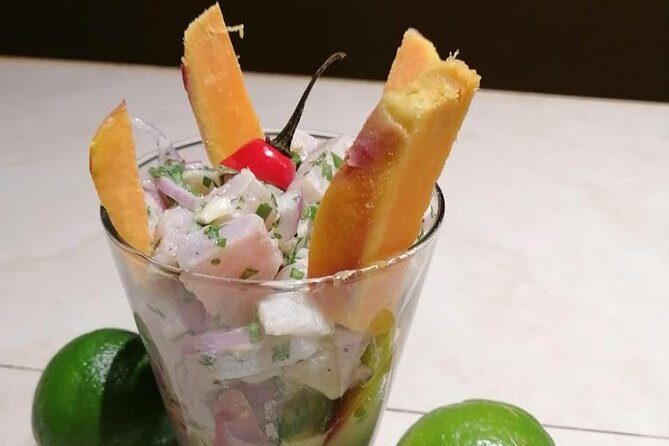
- Bilingual chef guidance while you cook popular Peruvian dishes, including ceviche
- Hands-on pisco sour making with your own homemade toast
- Dinner you cook and eat: a typical Peruvian meal served after class
- Printed recipes to take home so you can repeat parts of the menu later
- Small group size with a maximum of 25 people for a more personal feel
San Pedro Market ingredient walk: how you shop like a local
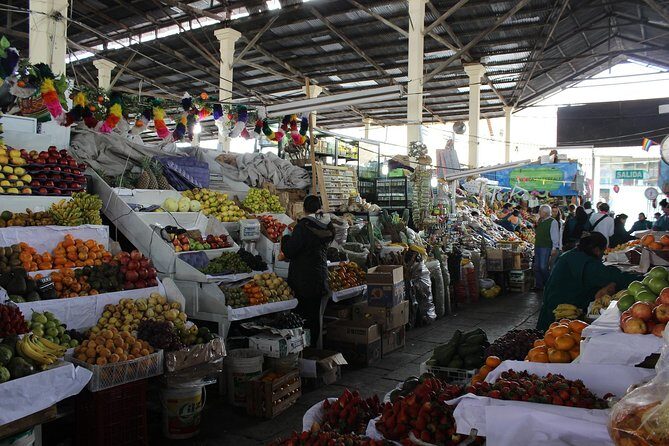
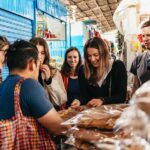
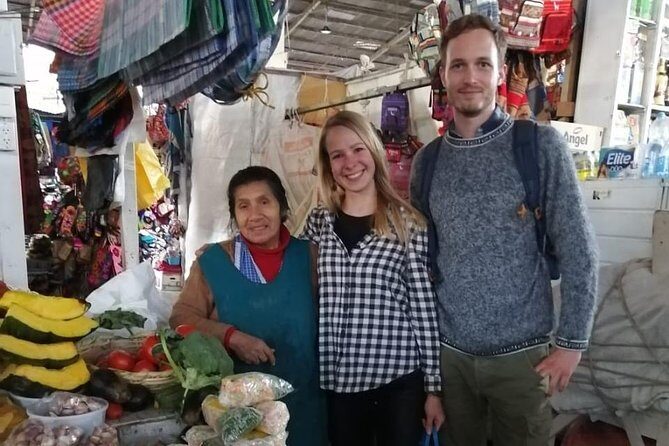
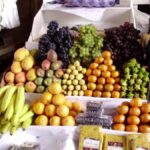
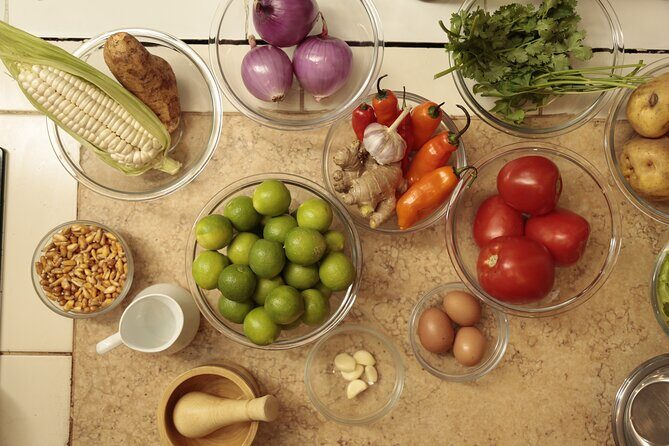
The best part of this class starts before you turn on a stove. You head out to Mercado Central de San Pedro to see what ingredients look like in real life, up close, and in their usual context. This is where you can spot the flavors you’ll later cook with: local fruits and vegetables, plus meats, cheeses, and breads. You’ll also run into items that feel distinctly Peruvian, which helps you understand why certain dishes taste the way they do.
Think of the market stop as your payoff moment for people who find cooking classes a bit too abstract. Instead of memorizing steps, you’re building a mental map: what goes together, what’s common, and what might be surprising. And since the market is a place locals use every day, you’re picking up practical cues on how Peruvian cuisine fits into regular life.
This also matters in Cusco, where it’s easy to get stuck in tourist mode. A class like this nudges you out of that bubble. Even if you don’t cook at home much, you’ll still walk away with better taste instincts: you’ll know what you’re looking for when a chef says this cut, this cheese, or this ingredient is the key.
One practical tip: come hungry, but not uncomfortably so. You’re going to shop, then cook, then eat dinner. If you roll in with a light snack you’ll feel better during the tasting and prep.
You can also read our reviews of more cooking classes in Cusco
Cooking with a bilingual chef: hands-on lessons you can use
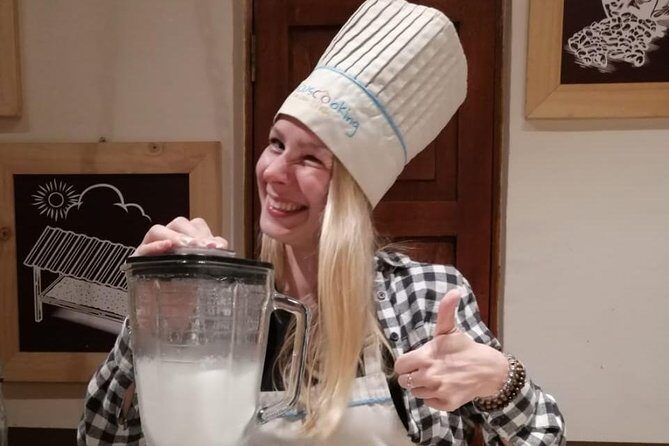
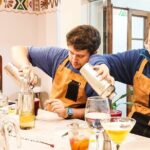
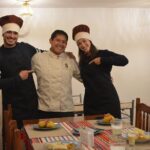
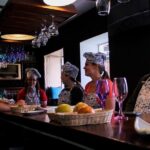
After the market stop, the class shifts into full cooking mode. You cook under guidance from a bilingual chef, and the experience is designed to be hands-on. That matters. Cooking in a group can sometimes turn into chaos, but with this setup you’re involved in the meal instead of just hovering for photos.
You’ll prepare several popular Peruvian dishes, with ceviche specifically called out. That’s a great choice for learning because ceviche is technique-heavy. It’s not only about ingredients; it’s about timing, cutting, and getting the balance right. Once you’ve done it, you’ll understand why certain ceviche tastes sharp and clean, while others taste flat.
You’ll also learn the bigger framework of Peruvian cooking: how different flavors work together and how ingredients move from raw to plate. The chef support is a big part of the value here. The class is structured for learning, and the chef’s bilingual instruction helps you follow along even if your Spanish is rusty.
Diet needs: if you have dietary concerns, this is one of the better types of class to ask about adjustments. In past experiences, the chef was able to modify ingredients to fit a diner’s needs, which is a sign they’re used to accommodating real-life requests. Just be clear when you arrive, so the team can plan.
Group size stays relatively small (up to 25), which helps the chef keep an eye on what’s happening. You’ll feel more like you’re working with a kitchen team than being a spectator in the back row.
Handmade pisco sour toast: a skill, not just a drink
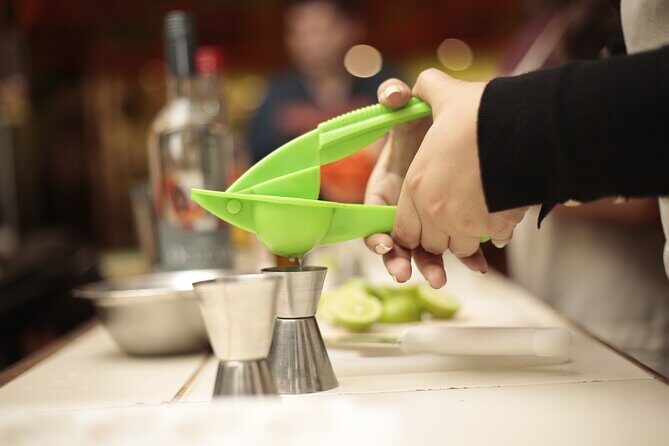
Cusco’s signature cocktail shows up here in a way that actually teaches you something. You don’t just get handed a drink. You raise your own handmade Pisco Sour in a toast to your holidays.
That sounds like pure fun, and it is. But it’s also a clever way to anchor the class. When you make the cocktail yourself, you’re practicing a simple rhythm: mix, taste, adjust. You learn what changes the flavor and how your palate interprets sweetness and acidity.
The class includes pisco (and soft drinks), so you don’t need to bring cash for your basic drinks. You will not be ordering wine or local craft beer as part of the standard package, which is totally fine for most people. If you want that extra step later, the class notes that wine and/or craft beer can be added to the experience.
One more practical detail: you’re cooking during the same window, so pace yourself. A pisco sour is enjoyable, but you’ll still want steady energy while you finish prepping and plating dinner.
Your homemade Peruvian dinner: what you’re actually paying for
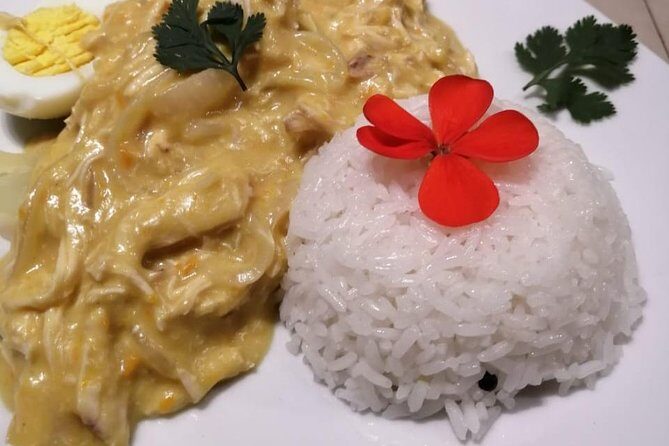
The class ends with dinner, and importantly, it’s not a random restaurant meal. It’s a great typical Peruvian dinner tied to what you learned and cooked during the session. You’ll eat the results of your work, which is one of the best ways to judge the class quality.
From a value standpoint, this makes a difference. Many cooking classes technically include dinner, but it ends up feeling separate from the lesson. Here, dinner functions as the final reward and the proof of concept: you see how the ingredients and techniques you practiced come together on the plate.
You’ll also get printed recipes to take home. That’s not just a nice souvenir. It’s useful if you want to recreate dishes later without guessing on ingredient ratios or steps. Even if you only cook one or two things again, you’ll still get the main benefit: you left with something practical, not just a story.
The meal includes alcoholic beverages (pisco) and soft drinks as part of the experience. If you’re traveling on a budget, this included component helps. It lowers the chance you’ll hit surprise costs at the end.
Price, time, and logistics: how $54.06 makes sense
The price is listed at $54.06 per person for about 4 hours. For a Cusco activity, that lands in a reasonable zone when you factor in three things: the market time, the chef-led instruction, and the included dinner plus drinks.
The market stop is not extra fluff. It’s where you learn what you’ll cook with. Market-guided lessons are often where the value hides, because they improve your ability to shop and understand food beyond one dish. The chef portion also matters. Cooking instruction plus an actual dinner is a package that’s hard to replicate on your own without buying ingredients, tools, and time.
Also pay attention to the pacing. Four hours isn’t long, which is good if you’ve been hiking or adjusting to altitude. You get enough time to cook several dishes and still end at the start point without your day feeling swallowed.
Logistics are simple: the class starts at ChocoMuseo Plaza Regocijo, Cusco 08000, Peru, and it ends back there. It’s also near public transportation, which helps on days you don’t want to navigate extra transfers.
Finally, the tour size max is 25, and that small ceiling supports a more active learning environment. You’re less likely to get lost in a crowd.
You can also read our reviews of more tours and experiences in Cusco
Who this class is best for in Cusco
This cooking class works well for a wide range of travelers because it blends three moods: local food shopping, practical cooking skills, and a fun celebratory element.
If you’re a foodie who’s tired of only eating, you’ll enjoy it more because you’ll build understanding. The market stop gives context, and the cooking gives muscle memory for techniques like ceviche preparation. You’ll also like that the class is not limited to one dish. You cook multiple popular Peruvian favorites and then sit down for the dinner you made.
If you’re traveling with kids or a mixed-age group, this class can be a smart pick. Past participants included children as young as 10, and the experience also handled a group that included kids and college-age students smoothly. Hands-on tasks usually land better with younger travelers than long lectures.
If you’re a solo traveler, you can still feel included. The class structure supports group participation, and chefs who run a hands-on kitchen typically keep things moving even when someone is there alone. It can end up feeling like a friendly dinner with instruction built in.
Who might want to consider other options? If you hate the idea of cooking together in a group kitchen, or if you’re looking for a purely sightseeing-focused day, this may feel too hands-on. Also, if your priority is wine or beer, remember that the standard included drinks are pisco and soft drinks, with wine/craft beer optional.
Should you book ChocoMuseo’s Cusco Cooking Class?
I think this is a strong choice when you want a true Peru food experience without gambling on restaurant luck. The market stop helps you understand ingredients, the chef instruction gives you skills you can repeat, and the included dinner plus recipe handout makes the class feel complete.
Book it if:
- you want to learn by doing, especially ceviche and other Peruvian dishes
- you care about hands-on skills like making your own pisco sour
- you like the idea of leaving with printed recipes, not just photos
- you want a solid group activity that stays reasonably sized (up to 25)
Skip it (or look for a different class) if:
- you only want to eat, not cook
- you don’t want any chance of a shortened market portion on certain days
- you need wine or craft beer included in the base price
If you’re in Cusco and you’ve got half a day to invest, this is one of those activities that converts local food into something you can carry home—both in your hands and on paper.
FAQ
How long is the Cusco cooking class?
It runs about 4 hours.
Where does the class start?
It starts at ChocoMuseo Plaza Regocijo, Cusco 08000, Peru.
What’s included in the price?
Dinner (a typical Peruvian meal), alcoholic beverages (pisco) and soft drinks, plus printed recipes you can take home.
Is ceviche part of the cooking class?
Yes. Ceviche is specifically mentioned as one of the dishes you learn to prepare.
What drinks do I get during the class?
You get pisco and soft drinks, plus you’ll make and toast with a handmade pisco sour during the experience.
Can I add wine or craft beer?
Wine and/or local craft beer are not included by default, but they can be added to the experience.
How many people are in the group?
The class has a maximum of 25 travelers.
Do I get recipes to take home?
Yes. You receive printed recipes.
Is free cancellation available?
Yes. You can cancel up to 24 hours in advance for a full refund.
Are service animals allowed?
Yes, service animals are allowed.