REVIEW · CUSCO
From Cusco: Sacred Valley of the Incas Full-Day Tour
Book on GetYourGuide →Operated by Peru & U · Bookable on GetYourGuide
Pisac to Ollantaytambo is the kind of day you’ll remember. This full-day outing from Cusco keeps moving through the Sacred Valley’s best sights, starting with Pisac ruins and market life and ending with Ollantaytambo’s dramatic Inca town.
What I really like is how the day blends stone-and-view stops with hands-on culture, like the traditional textile demonstration and the market time for real local products. You’ll also appreciate the practical flow: pickup, transport, and a professional guide that handles the details so you can focus on the sites.
One thing to keep in mind: this is not ideal for anyone with mobility limits. The day involves uneven ground and walking in high altitude, and you’ll likely want good shoes and a steady pace.
In This Review
- Key Highlights at a Glance
- From Cusco to the Sacred Valley: How the Day Flows
- Hotel Pickup and the Small Logistics That Save Your Day
- Pisac Village and Ruins: Markets Below, Stone Above
- Why the Pisac Market Time Matters
- The Ruins: Built Places and Big Valley Views
- The Textile Demonstration: Pre-Columbian Techniques You Can Understand
- Ollantaytambo: The Inca Town That Still Owns the View
- What to focus on while you’re there
- Chinchero Market on the Way Back: Local Crafts and Real Trade
- Price and Value: What $26 Gets You (and What It Doesn’t)
- What to Bring for Comfort at Altitude
- Scheduling Reality: Weather, Timing, and Where You Can Finish
- Who This Tour Fits Best (and Who Should Skip It)
- Should You Book This Cusco to Sacred Valley Full-Day Tour?
- FAQ
- How long is the Sacred Valley of the Incas full-day tour?
- Where do they pick me up from in Cusco?
- What’s included in the price?
- Are entrance fees included?
- Is lunch included?
- Can I skip the ticket line?
- What languages are the guides?
- What should I bring?
- Is the tour suitable for people with mobility impairments?
- Can the schedule change?
Key Highlights at a Glance
- Pisac ruins with standout valley views and carefully built Inca structures
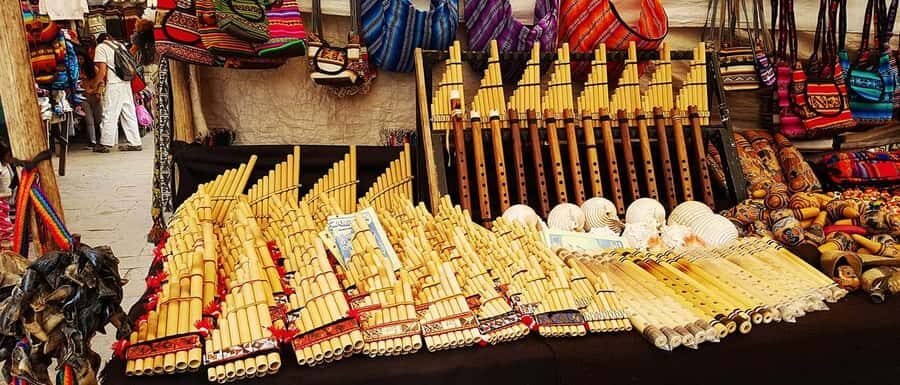
- Market time in Pisac, where locals barter and artisans sell Andean crafts
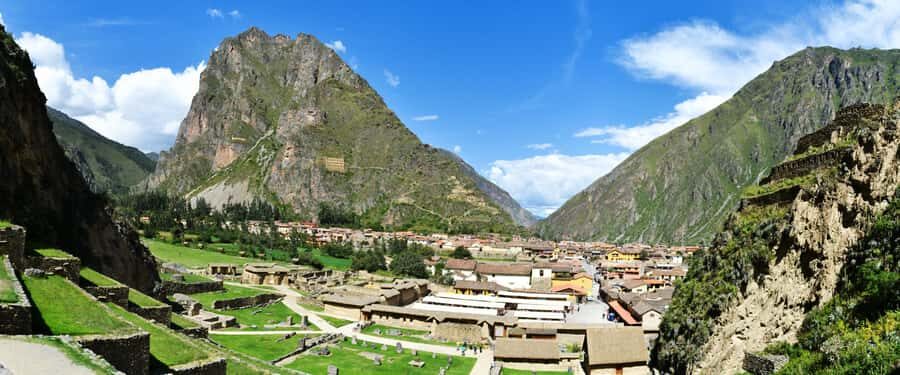
- Ollantaytambo’s Inca town ruins, perched above the modern settlement
- A weaver’s textile techniques, described as dating back to pre-Columbian times
- Chinchero’s traditional market on the way back toward Cusco
From Cusco to the Sacred Valley: How the Day Flows
This is a true one-day circuit. You start in Cusco, then head to the Urubamba area and work your way through a sequence of stops that make sense geographically. The pace is active, but it’s not random: Pisac comes first, then the day turns toward Ollantaytambo, with Chinchero added in the later part of the route on the way back.
What makes this valuable is the mix. Sacred Valley tours can sometimes feel like a checklist of ruins. Here, you also get time for markets, real craft traditions, and a textile demonstration. That combination helps the stones make more sense, because you’re seeing how today’s communities keep similar skills and local trade moving.
You can also read our reviews of more tours and experiences in Cusco
Hotel Pickup and the Small Logistics That Save Your Day

The tour includes pickup from downtown hotels only, plus transportation and a professional guide. That matters because Cusco logistics can get messy fast. A set pickup point and ride means you spend less time figuring out transit and more time outside learning.
You’ll also have the advantage of skipping the ticket line. Even if you’re traveling at a relaxed pace, ticket queues at popular ruins can be a time sink. The skip-the-line detail doesn’t magically make the day shorter, but it does keep the schedule from slipping.
Group size can vary, but you have options. Private or small groups are available, and smaller groups tend to make the guide’s explanations easier to follow without feeling rushed.
Pisac Village and Ruins: Markets Below, Stone Above
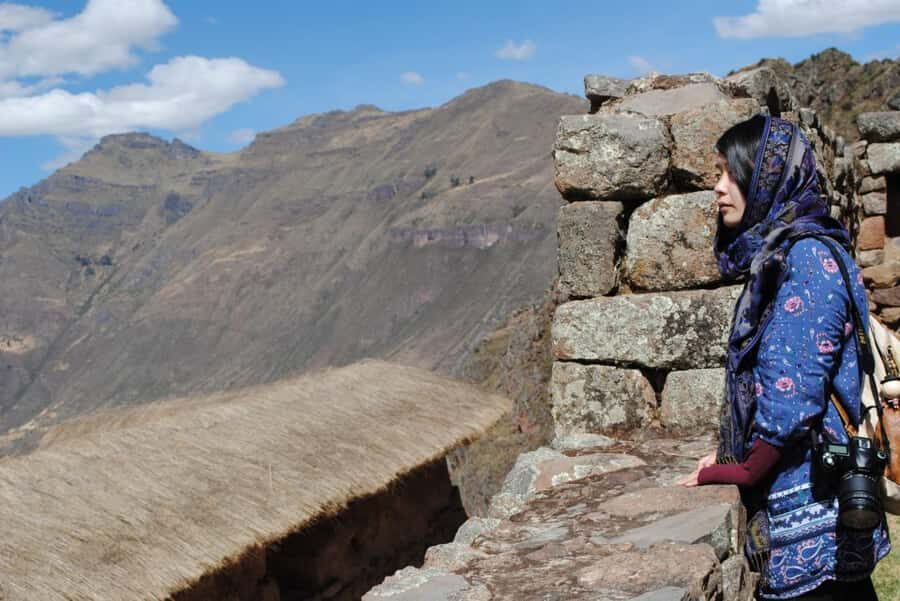
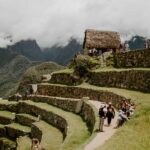
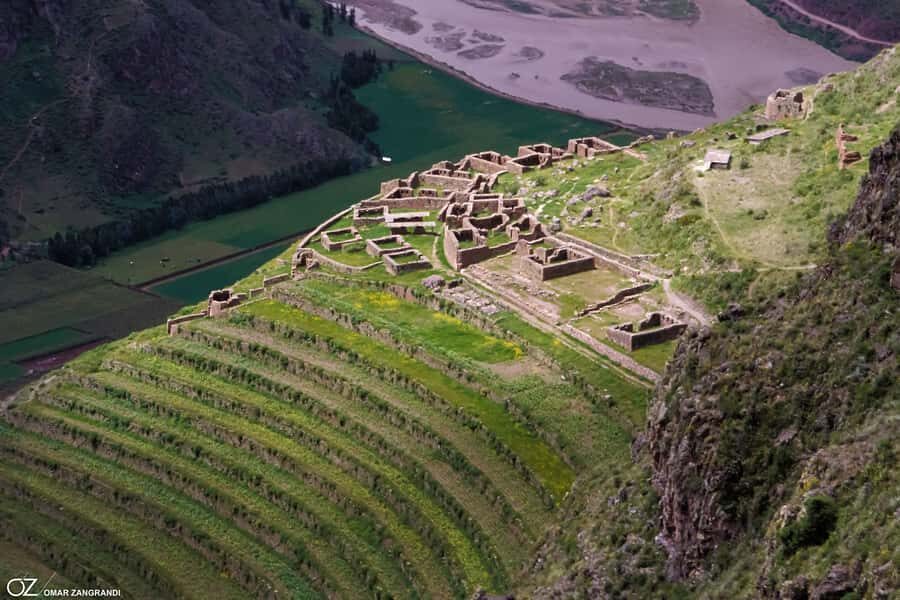
Pisac is one of those places where the setting does half the work. You begin with the village area first, at the foot of a hill topped by the remains of an Inca city. That structure is a helpful visual lesson: the valley communities sat below, while the Inca built their civic and ceremonial spaces up high.
Why the Pisac Market Time Matters
In Pisac, you’ll have the chance to see market life at the main square on specific days (Sundays, Tuesdays, and Thursdays). Even if you don’t plan to buy anything, this is worth it. You’ll see locals bartering and artisans selling items like woven alpaca wool blankets and ponchos, engraved gourds, antique reproductions, jewelry, and other handicrafts.
A practical tip: markets can be busy and the products can look similar from stall to stall. If you care about what you’re buying, slow down. Ask questions and pay attention to materials and finishing. The tour’s market time is long enough to do that without feeling like you’re trapped on a moving sidewalk.
The Ruins: Built Places and Big Valley Views
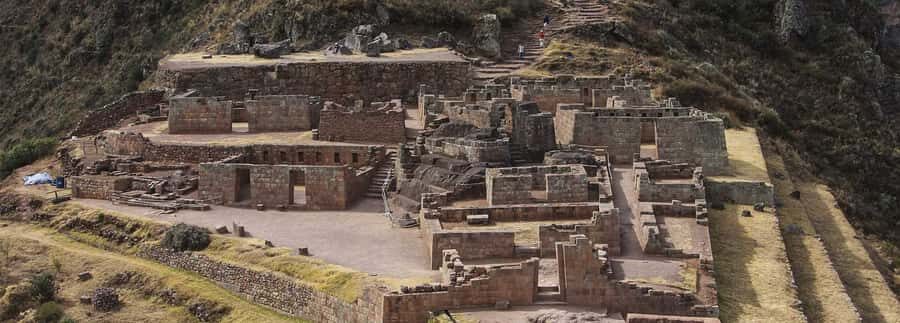
After the market, the day shifts uphill to the ruins. Pisac’s standout feature is its combination of perfectly built stonework and viewpoints. As you explore, you’ll get the feeling of an Inca site designed for both function and sightlines across the valley.
The main drawback here is physical: uphill walking and uneven paths. Bring hiking shoes and plan to take short breaks if you feel the altitude. Sunscreen is also a must—high sun plus exposed stone surfaces makes heat build fast.






The Textile Demonstration: Pre-Columbian Techniques You Can Understand
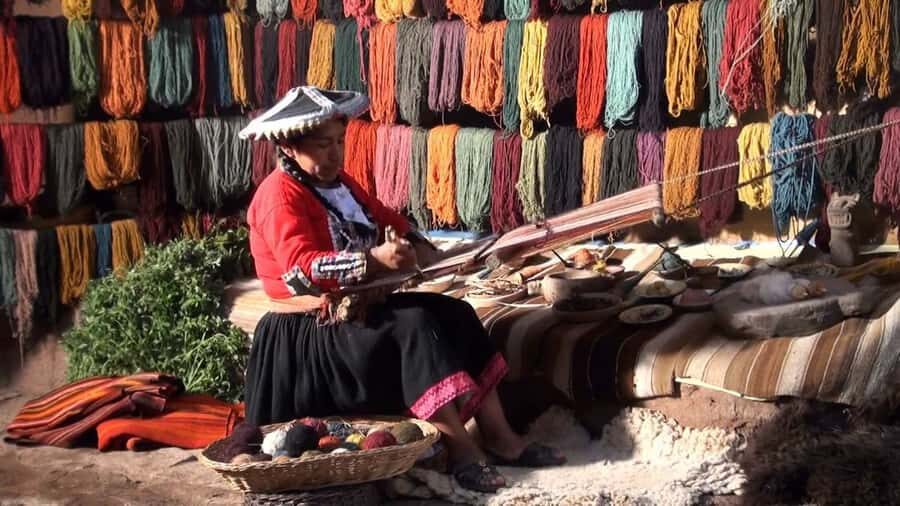
One highlight of the day is meeting an expert Andean weaver who demonstrates techniques described as dating back to pre-Columbian times. This isn’t just a “watch and move on” stop. A good textile demonstration helps you connect what you see in the market to how it’s actually made.
You’ll likely notice how the process is more than decoration. It’s skill, time, and local knowledge. Even if you don’t speak Spanish, a guide can help translate key points, and you’ll usually be able to follow the step-by-step through gestures and tools.
If you care about culture beyond ruins, this is the kind of stop that makes the day feel more personal. Markets can show what’s for sale; a demonstration shows why it exists.
Ollantaytambo: The Inca Town That Still Owns the View
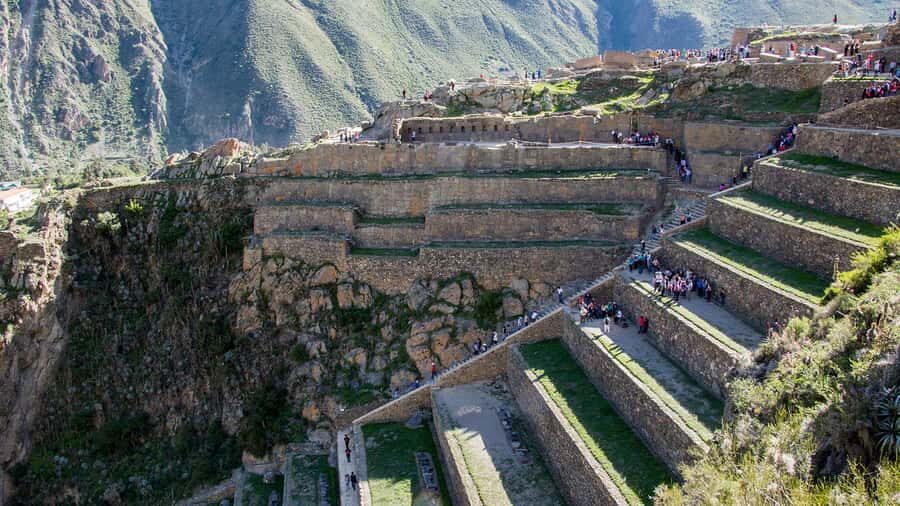
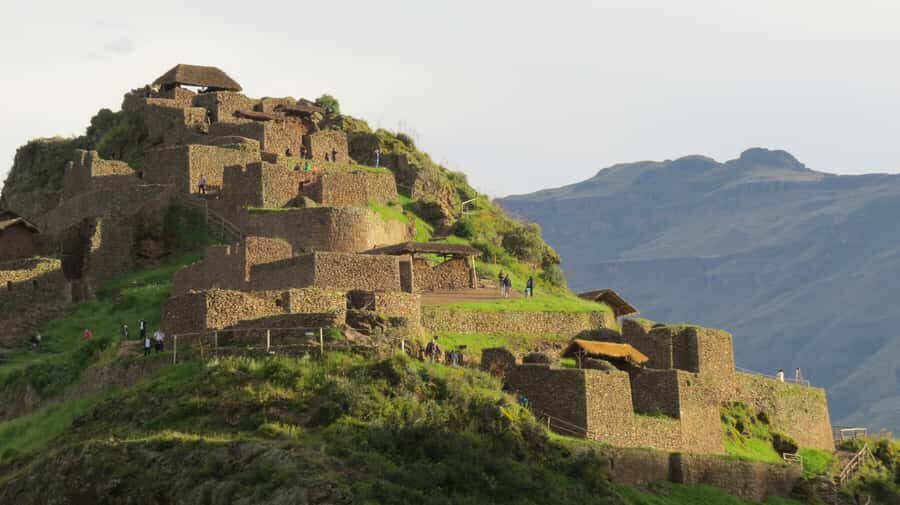
After lunch, the tour moves to Ollantaytambo. This stop is special because it’s described as the only Inca town that was not overthrown by the conquistadores. Whether you’re a big Inca-empire fan or just love great architecture, that fact adds weight when you stand in the right place and look up at what’s still there.
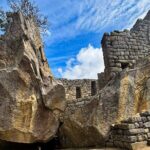
Ollantaytambo’s ruins tower above the town. That “above you” feeling matters. It changes how you view the stone: you can see how the Inca shaped a settlement meant to last and meant to command attention.
What to focus on while you’re there
Instead of rushing for photos, I’d focus on three things:
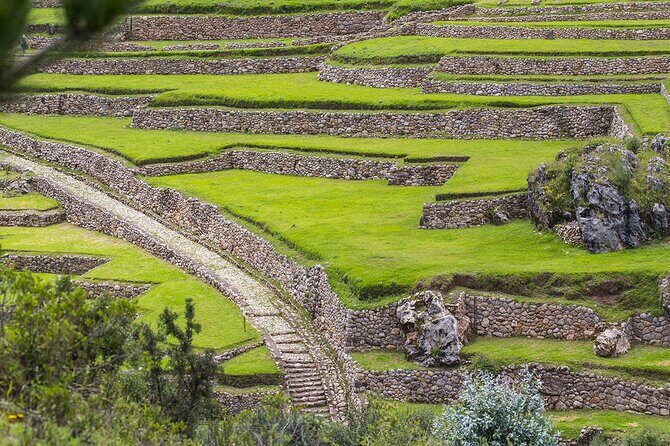
- How the terraces and stonework follow the grade
- Where sightlines open up
- How the ruins relate to the lived-in town below
That approach turns it from a scenic stop into a real understanding moment.
Physically, this is still walking time. Even when you’re not hiking hard, you’ll cover a fair bit of ground. If you’re sensitive to elevation, take it slow and drink water when you can.
Chinchero Market on the Way Back: Local Crafts and Real Trade
Chinchero is added as a traditional market stop en route later in the day. It’s a good final culture-and-crafts moment because by then you’ve already seen Pisac. The comparison helps: you start to notice differences in what’s sold, how it’s displayed, and what people prioritize in their daily trade.
This is also smart timing. Markets are enjoyable when you’re not exhausted. Earlier in the day you’re still fresh from the ruins and viewpoints, and later you’ve got enough energy to browse thoughtfully before returning.
If you want a souvenir that feels tied to place, markets like this are where that happens. It’s not about buying everything. It’s about buying one thing you understand—something you saw made, or saw discussed, and can explain later.
Price and Value: What $26 Gets You (and What It Doesn’t)
At about $26 per person, this is priced like a value-focused day trip. The big reasons it works:
- Transportation is included, so you’re not paying extra for the ride
- A professional guide is included, which helps you make sense of what you see
- You get skip-the-line support, which keeps time for the places that matter
What’s not included is equally important:
- Entrance fees
- Lunch unless you choose the private option
So the true cost depends on your choices. If you’re traveling with a group and plan a simple lunch, you can still keep the day affordable. If you’re choosing private and want lunch included, it may become more expensive, but also more comfortable and controlled.
In practice, the guide quality makes the difference at this price point. From what you can expect, guides like Rosa and Giancarlo stand out for clear explanations and a friendly style that makes the sites easier to understand. A good guide also helps you avoid wasting time guessing what’s worth seeing.
What to Bring for Comfort at Altitude
Even though this is a full-day tour, it’s not asking you to show up with gear for a multi-day trek. Still, the Sacred Valley punishes mistakes like bad shoes and no sunscreen.
Bring:
- Passport or ID card
- Hiking shoes
- Sunscreen
- Cash
Why cash? Markets are cash-friendly, and it’s smart to have the option without hunting for an ATM at a stressful moment.
Also, plan your clothing like you’re in a high-altitude sun zone. Layers help because mornings and late afternoons can feel cooler, while direct sunlight warms you quickly.
Scheduling Reality: Weather, Timing, and Where You Can Finish
Nature controls the timetable more than you’d think. The local partner can adjust the schedule due to climate conditions, river water levels, flight or bus times, or other unforeseen issues to make the trip work best.
That flexibility is normal in the Andes, but it’s still something to remember if you have tight plans the same evening. Always keep a little buffer day-to-day when you can.
You can also finish the activity either in Cusco City or in Ollantaytambo, so you can continue toward Machu Picchu arrangements. That option can save you one extra transfer later.
Who This Tour Fits Best (and Who Should Skip It)
This tour is a great match if you:
- Want a high-value one-day route without planning drives yourself
- Like learning through explanations from a live Spanish or English guide
- Enjoy markets and crafts as much as ruins
- Want a stop that includes a textile demonstration, not just sightseeing
It’s not suitable for people with mobility impairments. Walking on uneven surfaces and climbing to viewpoints is part of the day.
Also note: pets are not allowed.
If you’re traveling with limited time in Cusco, this full-day structure is a practical way to see multiple Sacred Valley highlights without getting stuck in transport-between-sights limbo.
Should You Book This Cusco to Sacred Valley Full-Day Tour?
Yes, if you want a balanced day that mixes the Inca stonework with living culture. The best part is how smoothly it connects Pisac markets, Pisac ruins, Ollantaytambo, and Chinchero with a guide who explains what you’re seeing. At this price, you’re not just paying for seats in a vehicle—you’re paying for interpretation and time-saving support like skip-the-line.
I’d especially recommend it if you’re the type who enjoys asking questions at markets and actually looking at materials rather than just taking quick photos. And if your budget is tight, the included transport and professional guide make the math work, as long as you plan for entrance fees and lunch if needed.
If you have mobility challenges or you want a slower, more relaxed day with minimal walking, then look for a different style of tour.
FAQ
How long is the Sacred Valley of the Incas full-day tour?
The tour duration is listed as 1 day.
Where do they pick me up from in Cusco?
Pickup is included from downtown hotels only.
What’s included in the price?
Included items are pickup (downtown hotels), transportation, and a professional guide.
Are entrance fees included?
No. Entrance fees are not included.
Is lunch included?
Lunch is not included unless you select the private option.
Can I skip the ticket line?
Yes. The tour includes skipping the ticket line.
What languages are the guides?
The tour offers live guidance in Spanish and English.
What should I bring?
Bring your passport or ID card, hiking shoes, sunscreen, and cash.
Is the tour suitable for people with mobility impairments?
No, it is not suitable for people with mobility impairments.
Can the schedule change?
Yes. The local partner may change the schedule without prior notice due to factors like climate conditions or transport timing, in order to make the best of the trip.