REVIEW · CUSCO
From Urubamba & Ollantaytambo: Sacred Valley Day tour with Lunch
Book on Viator →Operated by Apu Ausangate Trek · Bookable on Viator
Sacred Valley in one day is pure efficiency. I like the private pickup and drop-off setup (from Urubamba or Ollantaytambo), and I love that you get an English-speaking local guide to translate the meaning behind what you’re seeing. One heads-up: key site tickets cost extra, so the sticker price is only part of the story.
The rhythm works well if you want a packed day without feeling rushed to plan everything yourself. You’ll also get lunch included, plus mountain-view breaks at the right times rather than at random. The only real trade-off is the long day—about 9 to 10 hours—so it’s not a “slow stroll and linger” kind of outing.
In This Review
- Key Things You’ll Like About This Sacred Valley Tour
- Why This Sacred Valley Day Plan Works From Urubamba and Ollantaytambo
- Price and Logistics: What $112.50 Covers (and What Costs Extra)
- Hotel Pickup, Private Ride, and the Pace You’ll Actually Feel
- Stop 1: Ollantaytambo’s Inca Architecture, Temple of the Sun, and Water Temple
- Stop 2: Maras Salt Mines and the 3,500+ Salt Pools Story
- Stop 3: Moray’s Circular Terraces as an Inca Agricultural Laboratory
- Lunch in Maras: Included Meal With Mountain Views
- Stop 4: Chinchero’s Colonial Church, Terraces, and Quechua Weaving Workshop
- The Guide and Organization: The Real Reason This Tour Gets 5-Star Reviews
- Who Should Book This Sacred Valley Day Tour (and Who Should Rethink It)
- Should You Book? My Take on Value and Timing
- FAQ
- What sites does the Sacred Valley day tour include?
- How long is the tour?
- Is lunch included?
- Where does pickup and drop-off happen?
- What tickets are not included in the price?
- Can I cancel for a full refund?
Key Things You’ll Like About This Sacred Valley Tour
- Private transportation throughout so you’re not mixing with strangers on and off the bus
- Ollantaytambo first, with standout Inca features like the Temple of the Sun and the Water Temple
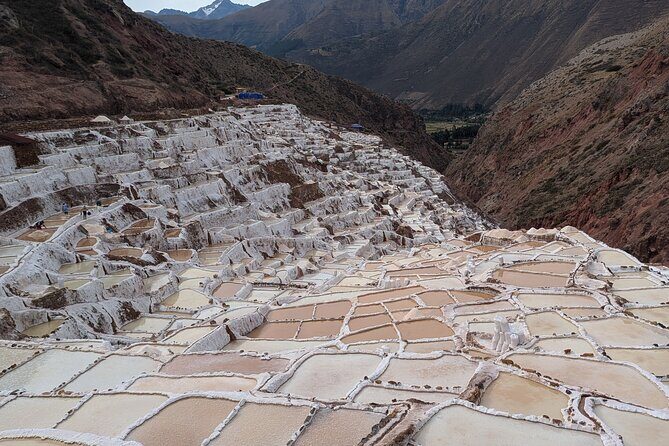
- Guided Maras Salt Mines visit, where thousands of salt pools are fed by warm salty water
- Moray’s circular terraces, explained as an agricultural experiment site
- Lunch included in Maras, timed between ruins so you actually eat instead of snack
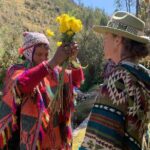
- Chinchero weaving workshop, showing natural dyes from plants and living Quechua traditions
Why This Sacred Valley Day Plan Works From Urubamba and Ollantaytambo
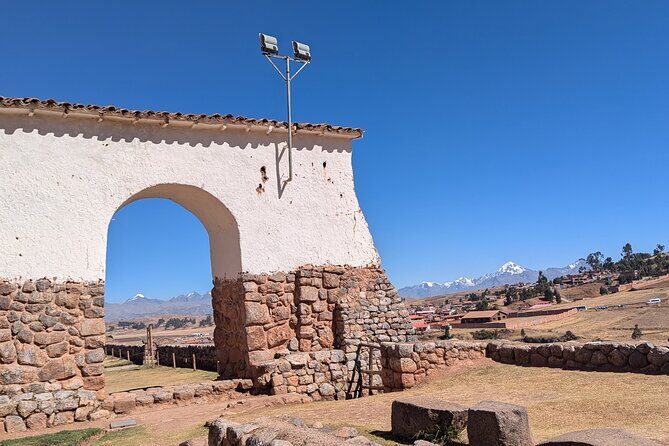
If you’re staying in Urubamba or Ollantaytambo, this is one of the most practical ways to see the Sacred Valley in a single day. You don’t burn half your trip figuring out transport, schedules, or where to start. Instead, you’re collected from your hotel area, hit the main sites in a smart order, and then you’re returned either to Urubamba/Ollantaytambo or dropped in Cusco.
The timing is built for “view + understanding,” not just photo ops. The day includes guided stops at major landmarks, and the driving time is wrapped into the total 9 to 10 hours. That matters because Sacred Valley distances add up fast. With a private vehicle and an organized route, you spend more time looking closely and less time wondering what comes next.
Also, this tour has serious demand: the average booking window is about 67 days in advance. That’s usually a sign the best departure slots can fill up, so I’d book earlier rather than hoping.
You can also read our reviews of more tours and experiences in Cusco

Price and Logistics: What $112.50 Covers (and What Costs Extra)
At $112.50 per person, you’re paying for a lot of what makes the day easy: private transportation, hotel pickup (Urubamba or Ollantaytambo), an English-speaking local guide, and lunch. You’re also guaranteed a return to Urubamba/Ollantaytambo or a transfer to Cusco. For a full-day route with multiple stops, that mix is where the value shows up.
Two extra costs may apply:
- Sacred Valley Tourist Ticket for Ollantaytambo, Moray, and Chinchero: PEN 70 per person
- Maras Salt Mines entry: PEN 20 per person
Here’s the practical way to handle it: even if some stops are described as free in the schedule, the tour data clearly flags the Sacred Valley Tourist Ticket as not included. So when you book, confirm what you’ll need to pay onsite for each location. It’s a quick question that prevents surprises later.
Net-net: if you’re doing these sites anyway, the pricing is competitive for a private guided day. If you’re hoping to pay absolutely nothing extra at each stop, you’ll want a plan for those two line items.
Hotel Pickup, Private Ride, and the Pace You’ll Actually Feel
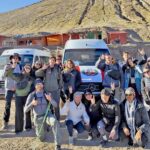
This is a private tour, meaning your group is the only group in the vehicle. That changes the whole feel of the day. You’re not competing for space, and your guide can pace you based on questions, photo stops, and the speed of the group.
Pickup happens from your hotel in Urubamba or Ollantaytambo. Then you move site to site with set travel blocks (for example, around 1 hour to the next stop in the early part of the day). The schedule is designed so you’re not waiting around endlessly, but you’re also not doing a “hit-and-run” sprint. It’s more like: arrive, orient, walk and look with guidance, then move on while you’re still fresh.
The best way to make this tour feel good is simple: treat it like a day hike plus museums. Wear comfortable shoes, keep water handy, and save energy for the walking segments. The day is long enough that small choices matter.
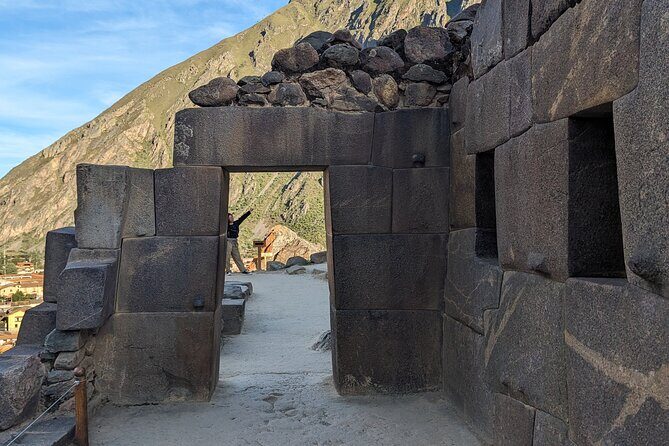
Stop 1: Ollantaytambo’s Inca Architecture, Temple of the Sun, and Water Temple
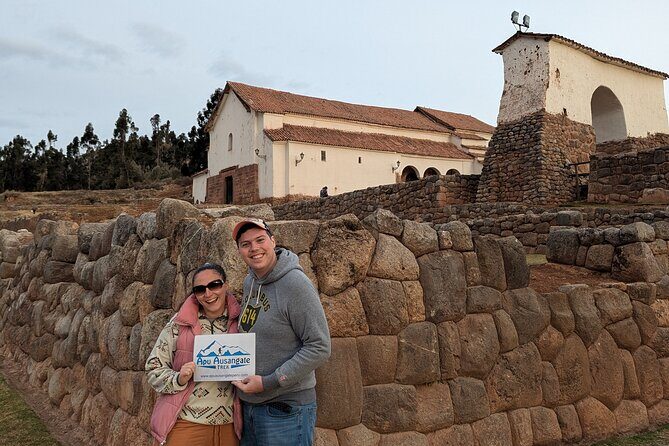
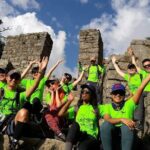
Ollantaytambo is a strong start. It’s one of the grandest Inca sites in the Sacred Valley, and it shows off Inca engineering in a way that’s easy to recognize even if you’re not an architecture nerd (no judgment—me neither).
You’ll see:
- Inca terraces built into the hillside
- The Temple of the Sun
- A Water Temple with ceremonial fountains
You’re there for about 1 hour, and this is one of the stops where admission is listed as not included. That time window is enough for a guided tour that explains what you’re looking at—terraces aren’t just scenery; they relate to agriculture, control of the environment, and sacred space planning.
What I like about starting here: it gives you a baseline for the rest of the day. After Ollantaytambo, Moray and even Chinchero feel less random. You start to notice patterns in how the Incas used water, slopes, and built form for daily life and ritual.
Stop 2: Maras Salt Mines and the 3,500+ Salt Pools Story
Next comes Salinas de Maras, the famous salt mines where locals have produced salt since pre-Inca times. The guiding explanation is the heart of this stop. You’ll learn how warm salty water is drawn from a subterranean stream, then allowed to evaporate in thousands of pools—often described as more than 3,500 salt pools.
This is also a guided visit for about 1 hour, and the entry is listed as PEN 20 per person. That small extra fee is pretty normal for an organized visit here, and the guidance is usually what turns it from scenery into context.
Practical reality check: you’re moving around a working landscape of shallow pools. You’ll want to stay aware where you step and keep your pace steady, especially if the ground feels uneven. The payoff is that you’re not just looking at a photo-friendly viewpoint—you’re seeing how production actually works.


Stop 3: Moray’s Circular Terraces as an Inca Agricultural Laboratory
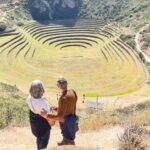
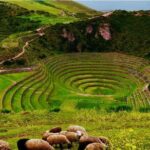
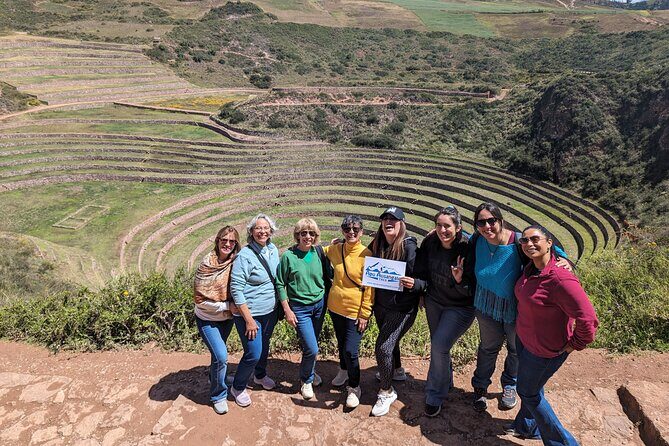
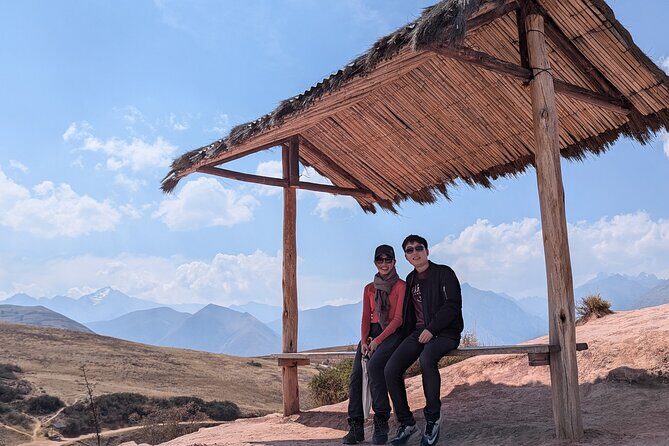
Then you head to Moray, famous for its circular terraces. This site is unique in the Sacred Valley area and is believed to have functioned as an agricultural laboratory—an experimental setting where different conditions could test crop performance.
You’ll have about 1 hour here, and the schedule marks the admission as free. Even so, the tour data also lists the Sacred Valley Tourist Ticket as not included for Moray. So again, confirm at booking what applies to your specific tickets plan. Either way, your guided time at Moray is where the stop becomes meaningful.
This is the kind of place where a good guide makes a difference. If you just walk the terraces without explanation, it can feel like a cool ruin. With guidance, it becomes a physical clue to how the Incas experimented with climate, soil conditions, and growing strategies.
After Moray, you’ll drive about 20 minutes to the lunch area. That timing is smart. You’re not starving by the time food arrives, and you’re not so full that your later walk at Chinchero feels heavy.
Lunch in Maras: Included Meal With Mountain Views
Lunch is included, and it’s set in Maras at a local restaurant with views of the mountains. You’ll have about 1 hour here, which is usually enough time to eat without feeling like you’re being rushed out the second you sit down.
I like that lunch isn’t treated as an afterthought. On long tours, the food break can decide whether the day feels enjoyable or exhausting. Here, the lunch stop sits between Moray and Chinchero, so it works like a reset button.
Two practical tips:
- Let your guide know if you have dietary needs when you start the tour.
- If you want photos after lunch, ask your guide the best timing before you eat.
Stop 4: Chinchero’s Colonial Church, Terraces, and Quechua Weaving Workshop
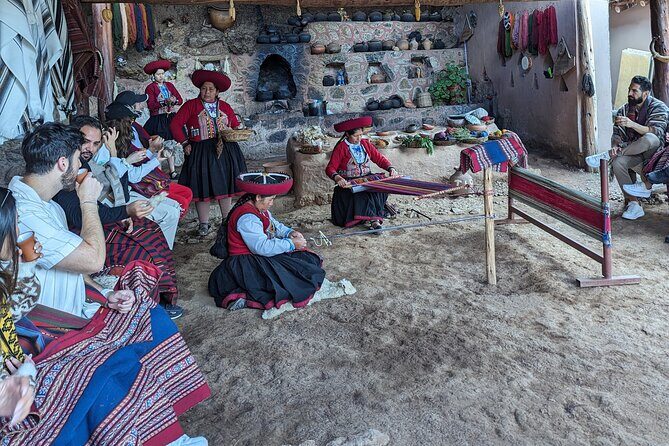
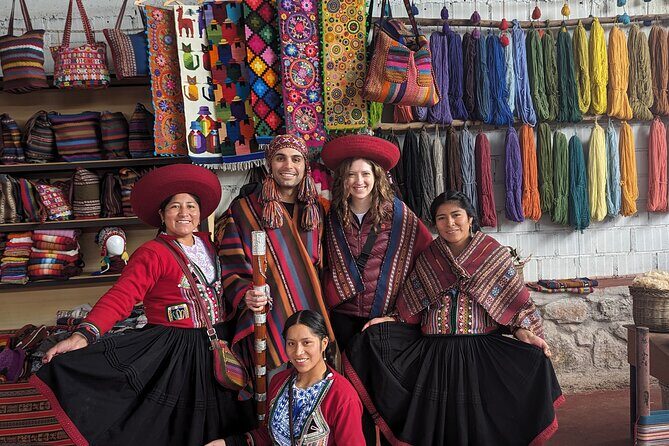
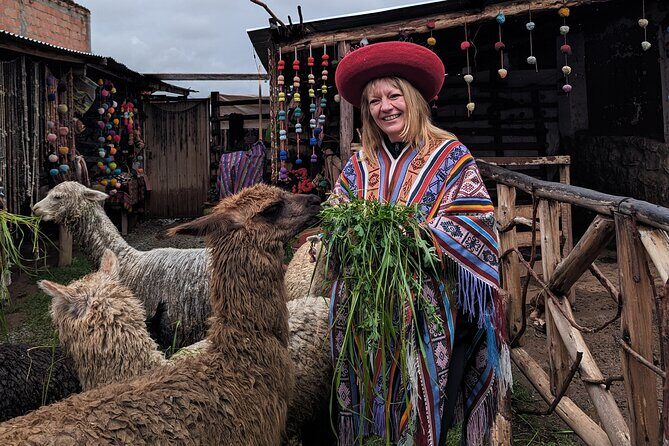
Chinchero is where the tour adds human texture. Yes, you get a colonial church and an archaeological site, plus terraces and altars that sit in a high-mountain setting. But the standout part for many people is the weaving workshop.
You’ll learn from local people who continue Quechua traditions, including how they obtain natural dyes from plants. This matters because it links the visual beauty of textiles to real-world practice. You’re not just watching a craft—you’re seeing the steps behind the color.
The day’s schedule also notes Chinchero is known for spectacular mountain views. Even if you’re not a “views person,” the setting helps you understand why weaving, agriculture, and cultural identity stay connected here. When you see both terraces and textile tradition in one stop, the place feels coherent.
Chinchero is marked as admission free in the stop notes, but the tour data includes the Sacred Valley Tourist Ticket line for Chinchero. So your best move is the same as earlier: confirm what’s included vs paid onsite when you book.
After Chinchero, you’ll take about 1 hour to get back to your hotel in the Sacred Valley or to Cusco.
The Guide and Organization: The Real Reason This Tour Gets 5-Star Reviews
The glowing reviews focus on one theme: the tour runs well because the crew runs it well. The pickup is described as seamless, the drop-off can be arranged (including a return to Cusco), and the guide keeps the day informative and engaging. That lines up with what you should expect from an organized private day: someone who knows the route, the timing, and how to explain the sites without dumping facts you can’t use.
Since no guide name is listed in the details here, I can’t give you a specific person to look for. But I can tell you what to look for in the moment. When you arrive at each site, ask a question that helps you see. For example:
- What’s the key feature here that I should notice first?
- How does this site’s purpose differ from the next one?
- What detail shows how the Incas used water or agriculture?
A good guide will answer in plain language and point you to what matters—exactly the kind of experience people rave about.
Who Should Book This Sacred Valley Day Tour (and Who Should Rethink It)
This tour is a great fit if:
- You’re staying in Urubamba or Ollantaytambo and want a full-day plan with minimal hassle.
- You want the big Sacred Valley hits—Ollantaytambo, Maras salt mines, Moray, and Chinchero—without having to coordinate tickets and transport yourself.
- You prefer guided explanations, not just walking through ruins and hoping you understand them.
It may be less ideal if:
- You hate long days. At 9 to 10 hours, your energy budget needs respect.
- You’re the type who wants to linger for hours in just one place. This itinerary moves.
- You want zero extra onsite payments. The Sacred Valley Tourist Ticket and Maras Salt Mines entry are listed as not included.
Should You Book? My Take on Value and Timing
If you’re looking for a high-value Sacred Valley day with a private guide, this checks the boxes. You get round-trip comfort, a guided mix of major sites, and lunch included—all wrapped into one organized schedule.
I’d book it if:
- You want to hit the main sites efficiently,
- You’ll actually appreciate explanations at Ollantaytambo, Moray, and the weaving workshop at Chinchero,
- And you can handle small add-on ticket costs for a working tour day.
I’d reconsider if you’re trying to travel super-light on fees or you need more downtime than a packed 9 to 10 hours allows.
FAQ
What sites does the Sacred Valley day tour include?
The tour includes visits to Ollantaytambo, Salinas de Maras (Maras Salt Mines), Moray, Maras (lunch stop), and Chinchero (including a weaving workshop).
How long is the tour?
The total duration is about 9 to 10 hours, including travel time.
Is lunch included?
Yes. Lunch is included during the Maras stop.
Where does pickup and drop-off happen?
Pickup is from hotels in Urubamba or Ollantaytambo. After the tour, you return to Urubamba or Ollantaytambo, or you can request a transfer to Cusco.
What tickets are not included in the price?
The Sacred Valley Tourist Ticket for Ollantaytambo, Moray, and Chinchero is not included (PEN 70 per person). Maras Salt Mines entry is also not included (PEN 20 per person).
Can I cancel for a full refund?
Yes. You can cancel for a full refund if you cancel at least 24 hours before the experience starts.