REVIEW · CUSCO
City Tour Cusco, Qoricancha, Sacsayhuaman, Qenqo, Pucapucara and Tambomachay
Book on Viator →Operated by Palomino TAXI TOUR · Bookable on Viator
Five Inca stops, one efficient loop. This Cusco tour strings together major Inca sites around town, then ends with Qorikancha’s famous clash of cultures. You’ll ride with tourist transport, join a small group (max 15), and get bilingual guidance in English and Spanish.
What I like most is the pacing: it’s long enough to feel like a real Cusco overview, but not so long that you’re drained before dinner. I also like that the guide turns the stops into something you can actually follow—especially the way Q’enqo’s three worlds are explained, using the terms Ukhupacha, Kaypacha, and Hanaqpacha. There’s even room for good photos without rushing you like a sprint.
One consideration: the price is low, but key site admissions are not included. You should budget for the partial tourist ticket (70 soles per person) plus Qorikancha entrance (20 soles per person), and plan to handle lunch back in the city.
In This Review
- Key points to know before you go
- Why this Cusco circuit works when you want the big sites
- Price and logistics: what the $20 really includes
- Pickup, meeting points, and how to avoid losing the group
- Stop 1: Sacsayhuaman and its 200-ton monolith energy
- Stop 2: Q’enqo and the three worlds (Ukhupacha, Kaypacha, Hanaqpacha)
- Stop 3: Puka Pukara as an Inca control point
- Stop 4: Tambomachay and the Inca bath vibe (1 hour)
- Stop 5: Qorikancha’s Catholic-Inca mix and intact stonework
- The guide matters: when it’s excellent, it clicks fast
- Pace, photos, and what to bring for a comfortable 5–6 hour day
- Who this tour is best for (and who might want a different plan)
- Should you book this City Tour Cusco route?
- FAQ
- How long is the City Tour Cusco?
- What stops are included in the tour?
- Is hotel pickup included?
- How many people are in the group?
- Are entrance tickets included in the $20 price?
- Is lunch included?
- What if the weather is bad, or I need to cancel?
Key points to know before you go
- A small-group Cusco loop (max 15) with pickup from your hotel or Airbnb, then joining the group near Plaza de Armas or Plazaleta de Santo Domingo.
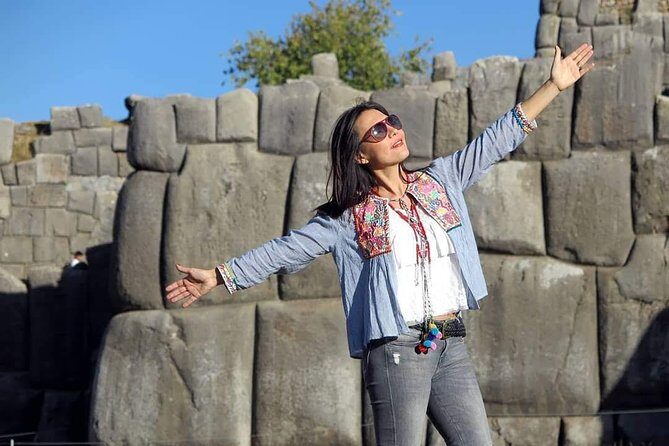
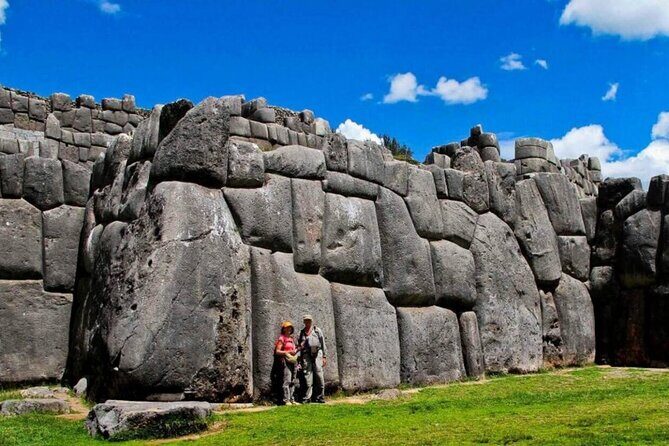
- Sacsayhuaman’s scale: monoliths reportedly up to 200 tons, plus the Inca ruins and the esplanade linked to the sun celebration.
- Q’enqo’s “three worlds” explained by name: Ukhupacha, Kaypacha, Hanaqpacha, tied to sacrifice and offerings to Pachamama.
- Puka Pukara’s purpose: an Inca control point connected to managing people who came through Cusco on the way to the Sacred Valley.
- Tambomachay’s Inca bath setting, including a longer stop (about 1 hour) where you can slow down.
- Qorikancha’s cultural overlap, showing Inca stone techniques alongside the Catholic presence and the remains still intact.
Why this Cusco circuit works when you want the big sites
Cusco can feel like a maze when you’re trying to fit everything in, so I like the logic of a planned route. In about 5 to 6 hours, you cover five high-impact places—enough to understand how Inca Cusco was laid out and why these spots mattered.
The real value here is that you’re not doing it in pieces. You’ll get tourist transport and an official tourism guide who keeps the story moving from site to site, rather than leaving you to figure out what each ruin means on your own. Even if you don’t want to be an archaeology expert, it helps to have the thread of explanation.
Also, you’re in a maximum 15-person group, which is big enough to feel social but small enough that the guide can generally keep things organized. If you’re visiting in a tight travel window, this kind of “cover the essentials” day is exactly what you want.
You can also read our reviews of more city tours in Cusco
Price and logistics: what the $20 really includes
The tour price is listed as $20.00 per person, and that’s the part people notice first. But the total experience cost comes from what’s included versus what you pay at the sites.
Here’s what’s included:
- Tourist transport
- Official tourism guide
- Tours according to the program
- Bilingual guided (English and Spanish)
Here’s what’s not included:
- Partial tourist ticket: 70 soles per person
- Qorikancha entrance: 20 soles per person
- Lunch (you’ll need to return to the city for food)
So the smart move is to treat the $20 as the guided transport and interpretation component, not the full admissions package. If you want to avoid any awkward moments at the ruins, plan on paying those site costs ahead of time and bring the right money in soles.
Pickup, meeting points, and how to avoid losing the group
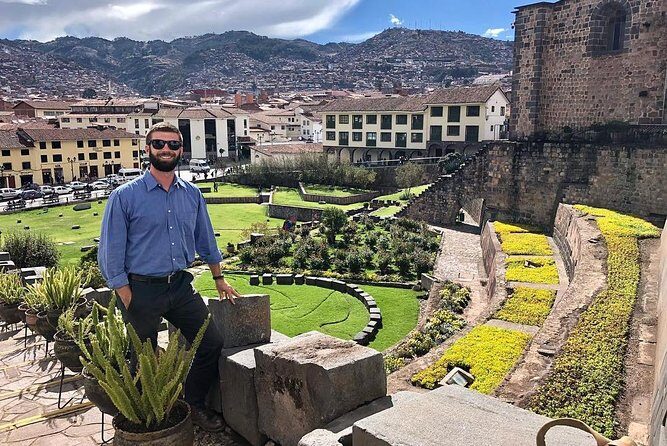
You get pickup from your hotel or Airbnb. Then the van drives you to a shared start area where you join the group—either Plaza de Armas or Plazaleta de Santo Domingo—and the day begins from there.
This matters because Cusco pickup points can be tricky. The tour is designed to solve that problem for you: you’re not hunting for the correct starting plaza while managing altitude, uneven sidewalks, and changing weather.
Two more practical notes:
- You’ll have a mobile ticket, so you won’t need to track paper.
- It’s marked as near public transportation, which is useful if plans go sideways and you need a backup way to locate the group start point.
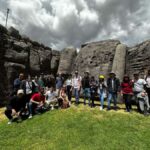
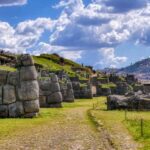
Stop 1: Sacsayhuaman and its 200-ton monolith energy
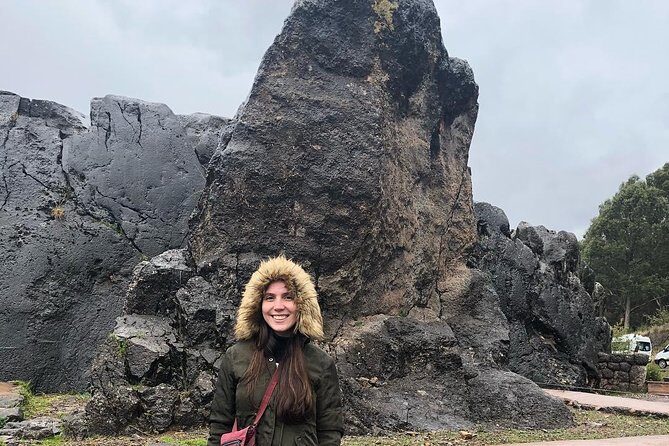
Sacsayhuaman is a strong first stop for a reason. You get a full 1 hour at the site, which lets the place land before the day moves on.
What makes it special is the scale. The ruins here are described with monoliths up to 200 tons, plus Inca-era stonework and an esplanade associated with the sun party. Even without a long lecture, the mass and angle of the stones do part of the explaining for you.
What you’ll do with your time there
- Walk through the Inca ruins at an easy pace with a guide
- Take in how the site’s layout supports ceremonies and visibility
- Get oriented to how Cusco’s Inca “front yard” works
A consideration
Admission is not included, so you’ll want your ticket strategy sorted before you arrive. Also, because this is the first stop, it’s a good moment to ask your guide anything you’re unsure about—how Inca Cusco related these outer areas to daily life.
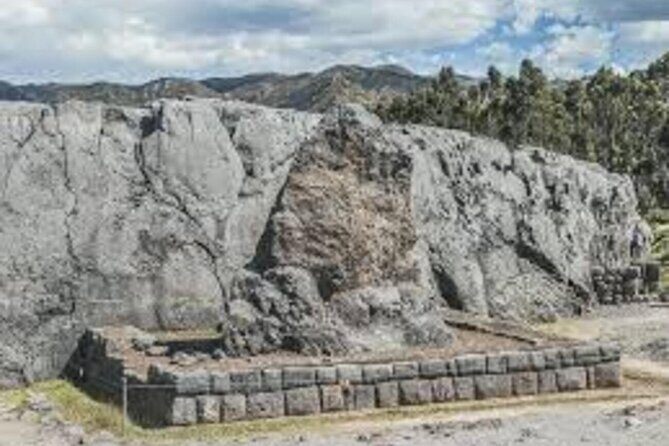
Stop 2: Q’enqo and the three worlds (Ukhupacha, Kaypacha, Hanaqpacha)
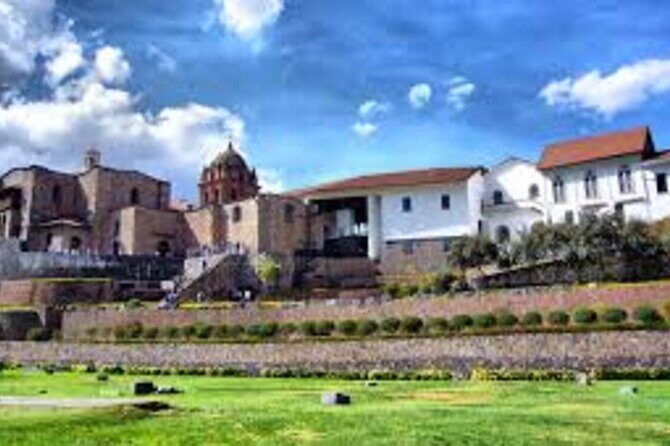
Q’enqo is shorter—about 30 minutes—but it’s one of the most concept-driven stops on this route. The site is presented as a sacred place tied to sacrifice and offerings to Pachamama, and it’s where you can observe the idea of the three worlds.
The guide should help connect the “three worlds” to what you’re seeing, using:
- Ukhupacha
- Kaypacha
- Hanaqpacha
Even if you don’t read up on these terms beforehand, you’ll leave with a clearer framework for why people viewed the landscape as more than scenery. In a single stop, Q’enqo gives you a lens: the Inca weren’t just building structures; they were organizing meaning in space.
How to get the most from 30 minutes
- Pay attention to directions the guide gives for where to stand or look
- Be ready to switch from “look at stones” to “listen for the spiritual map”
- Take a couple of photos, but don’t let your camera steal the whole hour-plus of thinking
A consideration
Because it’s a quick stop, if you’re expecting a deep, slow museum-style experience, you might feel rushed. This is designed more for understanding than for hours of lingering.

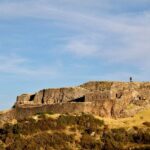
Stop 3: Puka Pukara as an Inca control point
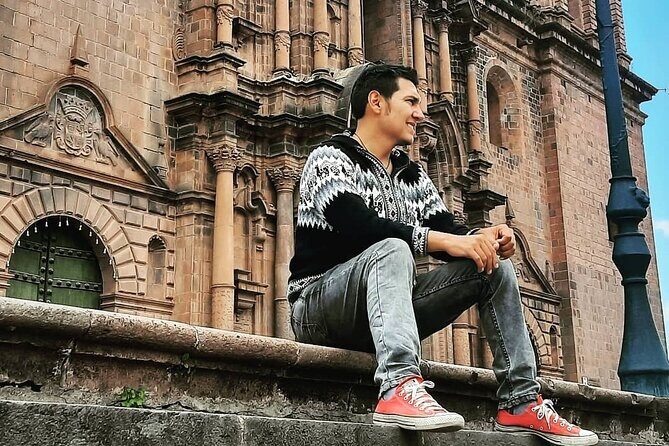
Next up is Puka Pukara, another 30-minute stop. This is the kind of site that can feel quiet at first glance, so it helps to understand the function.
You’ll hear it described as a place where the Inca army used it to control and manage inhabitants who came through Cusco as they traveled toward the Sacred Valley. That turns the ruins into something operational—not just ceremonial.
What I like about putting Puka Pukara in the middle of the tour is the balance. You’ve already had Sacsayhuaman and Q’enqo, which lean more symbolic. Puka Pukara shifts you into the “how it ran” side of Inca life: movement, oversight, and organization.
A consideration
If you prefer sites that look dramatic from every angle, this might not feel as visually loud as Sacsayhuaman. But if you’re enjoying the story of how power and travel were structured, it makes sense in the route.
Stop 4: Tambomachay and the Inca bath vibe (1 hour)
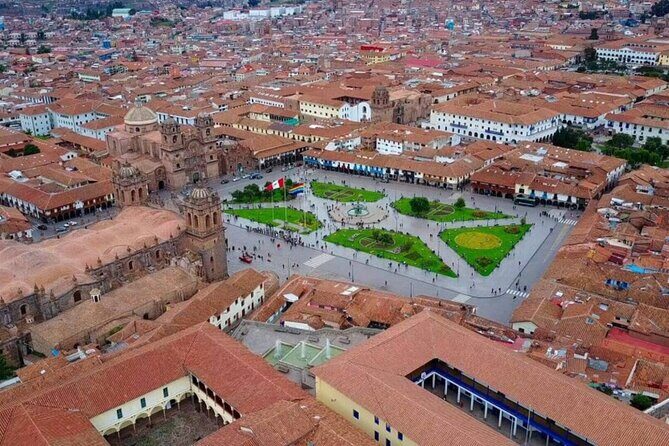
Tambomachay is where the schedule gives you breathing room: about 1 hour. The description is focused on it being a place where the Inca lived, also known as the Inca bath.
This stop often works well for travelers who don’t just want facts—they want a place to linger. A longer time slot usually means you can slow down, take in the setting, and let the guide explain how the design connects to daily life or ritual bathing concepts.
Why the longer stop matters
With only half an hour at some sites, Tambomachay becomes your chance to reset your brain. You’ll likely feel better prepared for the final stop, Qorikancha, which has its own layered story.
A practical note
Admission isn’t included here either, so your ticket plan still matters. If you’ve been juggling the partial tourist ticket, keep it accessible.
Stop 5: Qorikancha’s Catholic-Inca mix and intact stonework
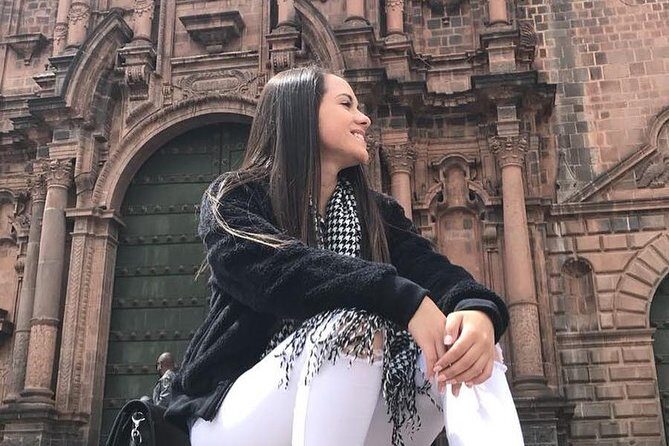
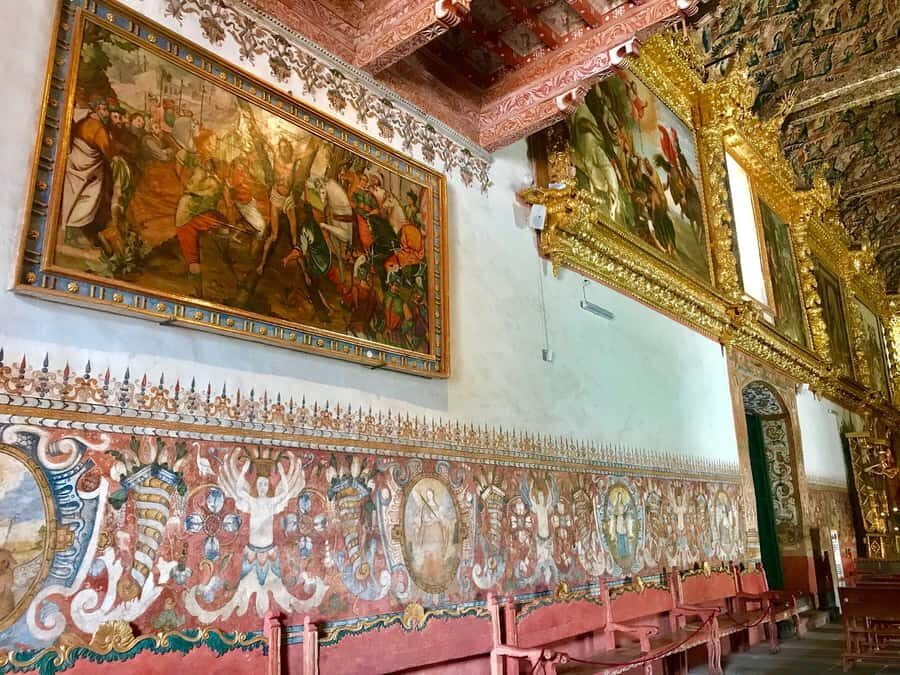
Qorikancha is your final stop, and it’s the one people often connect with Cusco right away. It’s scheduled for about 30 minutes, and the description highlights something very specific: the clash of Catholicism and Inca culture.
You’ll also see:
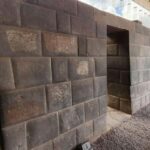
- construction techniques used by the Inca
- remains that remain intact
That “clash” framing matters because Qorikancha isn’t just ruins. It’s a collision of worlds that shows up in how buildings and stones survived into later periods. If you’ve been thinking of Inca heritage as one clean era, Qorikancha complicates that in a good way.
How to get the most from a short visit
- Focus on the transition points the guide points out: where you can see Inca technique versus later influence
- Take a step back and look at the overall massing, not only details
- If you care about architecture, ask your guide to point out the technique the description mentions
A consideration
The Qorikancha entrance ticket (20 soles per person) is not included. Budget for it so you don’t end up feeling rushed or stuck while sorting payments.
The guide matters: when it’s excellent, it clicks fast
On this type of tour, the guide is the difference between a “see the ruins” day and a “I understand what I saw” day. The tour provides an official tourism guide and bilingual help in English and Spanish, which is a big plus for pacing and clarity.
One highlighted guide in feedback is named Mike—described as extraordinary, very knowledgeable about local history, with excellent English and a fun style that also helped people get great photos. That’s the kind of guide you want on sites like Q’enqo, where meaning comes from explanation as much as sight.
At the same time, there’s a clear reminder from other feedback that not every tour moment lands smoothly. One account mentions a guide who struggled with engagement and clarity during the temple portion, with hard-to-follow voice delivery. That can happen when groups overlap schedules or when communication style doesn’t match the crowd.
My practical advice
- If you’re sensitive to audio clarity, stand where you can hear the guide well, especially indoors or at quieter spots.
- Bring a “curious” mindset. Even a short stop can click if you ask one focused question about what you’re seeing.
Pace, photos, and what to bring for a comfortable 5–6 hour day
This route is built around time blocks: 1 hour at Sacsayhuaman and Tambomachay, and about 30 minutes at Q’enqo, Puka Pukara, and Qorikancha. That means your comfort matters. You’ll be moving between sites, then pausing just long enough to learn the key points.
The tour also notes that it requires good weather. In Cusco, conditions can change quickly, so plan as if you might get both sun and clouds in the same day. If the operator cancels due to poor weather, you should expect either a different date or a full refund.
What to bring (simple, practical):
- water and a light snack for the gaps (since lunch isn’t included)
- sun protection and a layer for cooler air near ruins
- comfortable shoes for uneven stone and steps
And yes—bring your camera, but keep it secondary to hearing the explanation. The sites are the photo opportunity, not just the view.
Who this tour is best for (and who might want a different plan)
This one fits well if you:
- want a first-pass Cusco overview without planning transport yourself
- like guided interpretation, especially for sites with spiritual or cultural layers
- travel in a budget mindset, because the guide + transport package is priced low
- prefer small-group travel (max 15) rather than large coach chaos
You might consider a different approach if you:
- want long, slow wandering at one or two sites rather than five stops in a day
- dislike paying extra on top of the base price (because admissions add up: partial tourist ticket plus Qorikancha entry)
Should you book this City Tour Cusco route?
I’d book it if your goal is efficient, guided context across the biggest names around Cusco. The route is structured to give you a coherent story: monumental stonework at Sacsayhuaman, sacred-purpose thinking at Q’enqo with the three worlds, control-and-movement context at Puka Pukara, a longer lived-setting stop at Tambomachay, and a final cultural collision at Qorikancha.
But do book with eyes open. The advertised $20 isn’t the final cost once you add the 70 soles partial tourist ticket and 20 soles for Qorikancha entrance. If you handle those admissions in advance, the low base price feels like a real win.
If you want the best day possible, aim to travel with good weather expectations, show up ready to learn, and give your guide the chance to do what they’re hired for. When the guide clicks—especially in clear English explanation—it’s the kind of Cusco day that sticks.
FAQ
How long is the City Tour Cusco?
The tour lasts about 5 to 6 hours.
What stops are included in the tour?
The route includes Sacsayhuaman, Q’enqo, Puka Pukara, Tambomachay, and Qorikancha.
Is hotel pickup included?
Yes. Pickup is offered to your hotel or Airbnb, then the group joins near Plaza de Armas or Plazaleta de Santo Domingo to start.
How many people are in the group?
The tour has a maximum of 15 travelers.
Are entrance tickets included in the $20 price?
No. The tour does not include the partial tourist ticket (70 soles per person), and Qorikancha entrance (20 soles per person) is also not included.
Is lunch included?
No. Lunch is not included, and you should plan to return to the city for food.
What if the weather is bad, or I need to cancel?
The tour requires good weather. If it’s canceled due to poor weather, you’ll be offered a different date or a full refund. You can also cancel for a full refund up to 24 hours in advance.