Cusco packs a lot fast. This guided loop gives you a clear first look at major Cusco sights, from the gold-temple world of the Incas at Qorikancha to big-stone views at Sacsayhuaman. I like that it’s designed for real-world time limits, with an air-conditioned vehicle and a route that mixes top landmarks with quick stops for local atmosphere.
Two things I especially like: the bilingual English/Spanish guide approach, and the way the stops are paced so you can actually understand what you’re looking at, not just rush past it. You also get a maximum group size of 18, which keeps the tour from feeling like a moving herd.
One drawback to factor in: entrance tickets are not included in the tour price, and the itinerary can run longer on some days due to traffic. Also, even with English offered, the day’s language mix can tilt more Spanish than you expect if you’re in a shared group.
In This Review
- Quick hits before you go
- The point of this Cusco tour: a first-time map in motion
- Price and entrance tickets: budget a bit extra
- Getting to the van: Plaza de Armas meeting point and pickup logic
- Coricancha (Qorikancha): the Inca gold temple idea
- Cusco Cathedral: why it took so long
- Sacsayhuaman: the zigzag walls and the weight problem
- Q’enqo (Qenqo) and its stone “labyrinth” feel
- Tambomachay: water, purification, and a sacred function
- Pucapucara and the checkpoint logic
- Plaza Regocijo (Kusipata): colonial-era square energy
- Group size, language mix, and what to expect from the guide
- How long it really takes: the 1 to 6 hour range
- What to bring for a smooth afternoon
- Who this tour suits best
- Should you book this Cusco city tour?
- FAQ
- Where is the tour meeting point?
- What time does the tour start?
- Is pickup available?
- How long is the Cusco City Tour?
- What languages is the tour guide?
- How many people are in the group?
- Do I get a mobile ticket?
- Which stops are included on the itinerary?
- Are entrance fees included?
- What if the weather is bad, or I need to cancel?
Quick hits before you go
- Start at Plaza de Armas and use the center pick-up point if your hotel is nearby
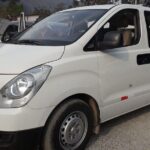
- Air-conditioned transport plus short walking sections between stops
- Coricancha → Cathedral → Inca sites is a smart order for your first Cusco day
- Plan entrance fees separately for the Cathedral and Inca sites
- Expect a flexible timeline (the range listed is 1 to 6 hours)
- Max 18 people keeps the group manageable
The point of this Cusco tour: a first-time map in motion
If this is your first time in Cusco, this tour does a useful job: it turns a confusing pile of names into a route you can remember. You’ll see how the Spanish colonial era (hello, Cathedral) sits on top of earlier Inca sacred space (hello, Qorikancha). Then you jump to the megalithic-infrastructure vibe of the Inca out of the city: zigzag walls, ceremonial stone spaces, and water-worship areas.
I also like that the route isn’t only about “pretty ruins.” Each stop points to a different role: religion at Coricancha and Q’enqo, defense and power at Sacsayhuaman, purification at Tambomachay, and surveillance/checkpoint logic at Pucapucara.
You can also read our reviews of more city tours in Cusco
Price and entrance tickets: budget a bit extra
The tour itself is listed at $18 per person, which is why it’s popular for travelers who want structure without a big spend. But the listed tour price does not cover major entrances. The details say you should budget for:
- Cusco Cathedral: PEN 40
- Coricancha: the details show PEN 15 in one place and PEN 70 in another line
- Inca sites: there’s also a listed bundle for 4 Inca sites at PEN 70
That conflicting Coricancha number is a good example of why you should confirm the exact ticket type when you book. In practice, I’d plan on paying for the Cathedral and an Inca-sites ticket bundle, and I’d double-check the Coricancha fee at checkout so you don’t get surprised at the gate.
Getting to the van: Plaza de Armas meeting point and pickup logic
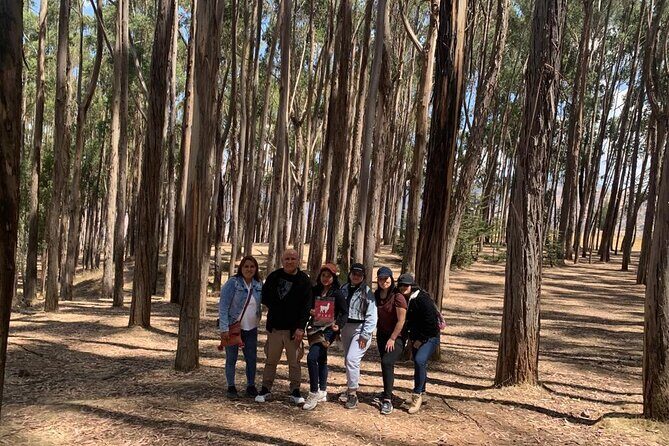
Meeting is at Plaza de Armas de Cusco (Del Medio 123). The start time is 1:00 pm. Pickup is offered if your hotel is close to the Plaza de Armas, and the pick-up point is described as the middle area of the main square.
Two practical tips:
- Arrive a few minutes early. Shared tours can start late when traffic is involved.
- If you have a flight or another strict plan, don’t schedule it too tight. The tour duration is listed as 1 to 6 hours, and real roads can stretch schedules.
The tour ends in a different location, so it’s smart to plan how you’ll get back (taxi or another ride) once you finish.
Coricancha (Qorikancha): the Inca gold temple idea
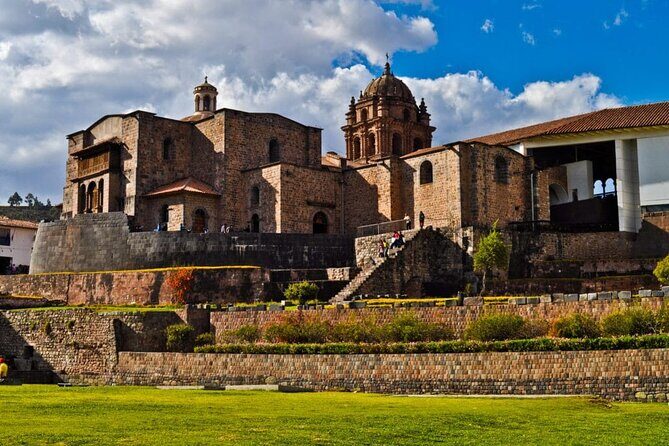
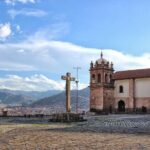
Your first stop is Coricancha, tied to the Inca religious center of Cusco. The name gets explained as an enclosed place connected to worked gold: Qori for gold, and Kancha for an enclosed space.
What I like about this stop is the way it frames everything else you’ll see. If you understand that Coricancha was connected to worship of Inti (the sun), then later Inca sites feel less random. You start noticing ceremonial space and purpose instead of treating the stones like scenery.
About time: you’ll typically get around 50 minutes here. That’s usually enough for a basic walk-through, plus time to read what’s in front of you and ask questions.
Cusco Cathedral: why it took so long
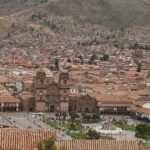
Next comes Cusco Cathedral, one of the city’s best-known churches. The details note it took almost 100 years to complete, built with stone blocks brought from the fortress area of Sacsayhuaman.
This is the kind of stop that can feel “just a church” if you’ve seen many already. But the location and the stone source make it more interesting. You’re not only looking at architecture; you’re looking at how building materials and power moved through time.
Plan on 50 minutes at the Cathedral, and remember: the Cathedral entrance is not included. The fee listed is PEN 40.


Sacsayhuaman: the zigzag walls and the weight problem
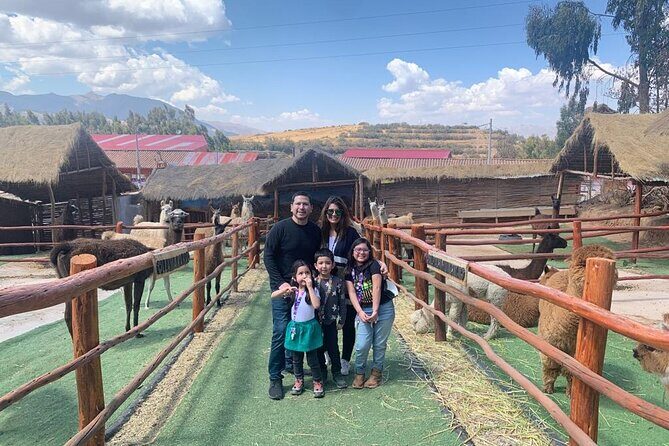
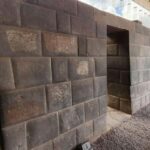
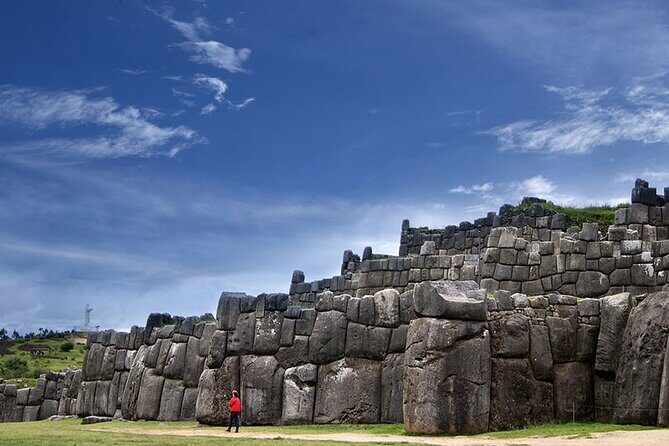
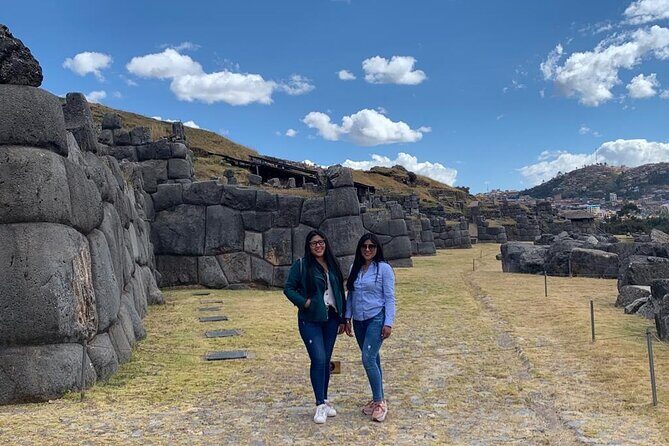
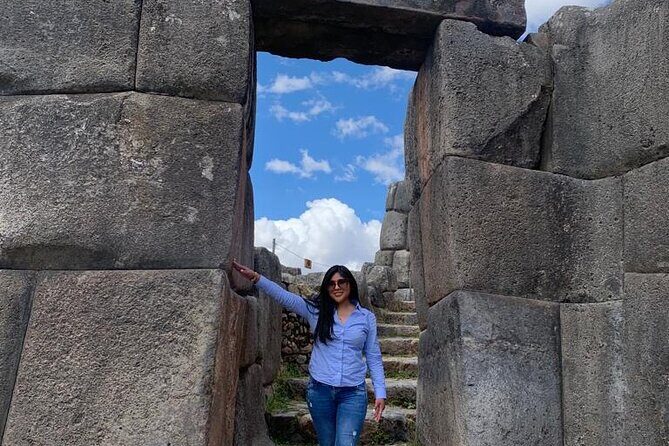
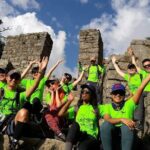
Sacsayhuaman is where Cusco gets dramatically physical. You’re looking at an archaeological complex known for megalithic stones laid across three levels, with walls arranged in a zigzag pattern.
The details point out that some blocks can weigh more than 150 tons. Even if you don’t obsess over engineering, standing in that space helps you understand why this place is often described as both worship and defense. It’s not only about what was built, but how it was built to last and to impress.
This stop is also given around 50 minutes. That’s a good amount for walking viewpoints without feeling rushed—assuming your day stays on track.
Q’enqo (Qenqo) and its stone “labyrinth” feel
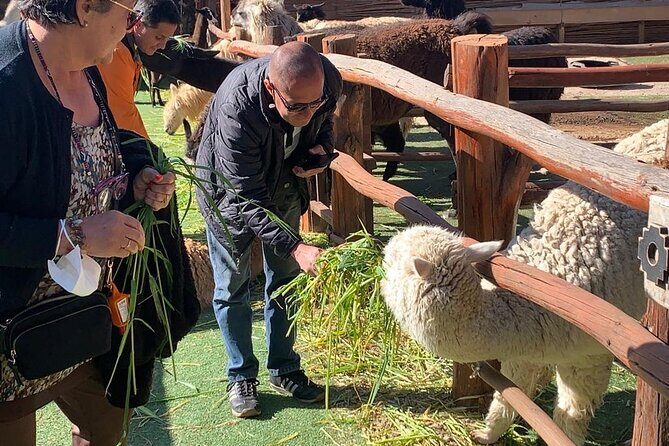
Q’enqo translates to “Labyrinth,” and the site includes an area of underground passages and a ceremonial table inside one of those passage spaces. There’s also mention of an amphitheater-style construction with a stone altar in the center shaped like a puma, described as about 6 meters high.
You’ll get about 30 minutes here. That’s short, so make the time count:
- Focus on the main ceremonial geometry first.
- Then use the guide’s explanation to connect the carvings and layout to the idea of ritual space.
As with other Inca sites, entry is not included in the tour price, so have your budget ready.
Tambomachay: water, purification, and a sacred function
Tambomachay is described as an important water worship and purification center. It’s the kind of stop that helps balance the “power walls” sites like Sacsayhuaman with something more everyday: water as ritual.
You’ll have about 30 minutes at Tambomachay. In that time, I’d use the guide’s context to understand why “water” mattered here, instead of only looking for views.
Pucapucara and the checkpoint logic
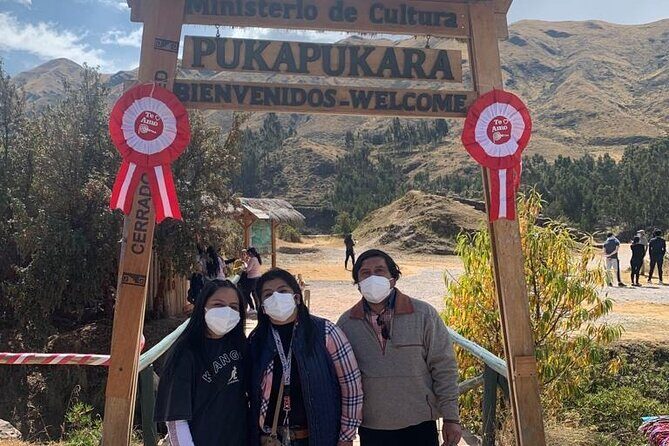
Pucapucara is listed as the Red Fortress, a checkpoint and surveillance of the Inca trail, tied to the direction of travelers coming from the Sacred Valley. It’s around 6 kilometers from the city of Cusco.
The itinerary notes 30 minutes here, and the entry status shows as free in one place. Since the tour’s entrance tickets are generally not included, just be ready to pay if your day’s ticket plan includes it. This is also one of those stops where the purpose matters: you’re not only looking at stones, you’re looking at movement control and watchfulness.
Plaza Regocijo (Kusipata): colonial-era square energy
After the main circuit, you finish around Plaza Regocijo or Kusipata, a public square in Cusco’s historic center. The setting is trees and a fountain, with colonial-era buildings around it, including places referenced for historical significance like Casa de Garcilaso de la Vega and Casa de Illán Suárez de Carbajal.
I like having this kind of open-space finish after lots of stone sites. You get a chance to take a breath, regroup, and get a feel for daily Cusco life.
Group size, language mix, and what to expect from the guide
This tour runs with a maximum group size of 18 travelers, which is a big deal in Cusco. Small groups mean fewer people at each viewpoint and more time for questions when something doesn’t make sense.
The guide is described as specialized bilingual Spanish and English, and English is offered. Still, one caution: if your Spanish is close to zero, ask directly when booking whether your day will be balanced English-forward or Spanish-forward. The experience can vary by group mix, and some setups may translate rather than fully guide in English.
Also, the tour includes transportation between stops, including driving about 15 minutes to visit four Inca sites. That helps you cover more ground, but it can also be the reason the schedule stretches when traffic hits.
How long it really takes: the 1 to 6 hour range
On paper, the itinerary has a clear structure: about 50 minutes at Coricancha, 50 at the Cathedral, 50 at Sacsayhuaman, 30 at Q’enqo, 30 at Tambomachay, and 30 at Pucapucara, plus city square time.
In real life, the total duration is listed as 1 to 6 hours, so it’s not a “set it and forget it” plan. Expect more time if road conditions slow down or if your group needs extra instruction.
If you’re trying to connect this tour to a flight, I’d treat it like a “good idea with a buffer,” not a guaranteed last hour saver.
What to bring for a smooth afternoon
Cusco can be altitude-and-walking busy, even when the route is mostly short. Bring:
- Comfortable shoes for uneven surfaces and short walks
- Sunscreen and a light layer (stone sites can still feel chilly in the shade)
- Payment for entrance tickets (soles), since key sites are not included in the tour price
- A little patience for timing, especially mid-afternoon
If you hate waiting in lines or want control over how much time you spend inside each site, you might find a private option more your style. But for a first overview, this group format is often a solid fit.
Who this tour suits best
This is a great match if:
- You want a structured first visit and a “Cusco map” you can build on later
- You like history explained in plain language and connected to the places
- You prefer short stops with guiding rather than a long self-guided day
It’s less ideal if:
- You have a tight deadline (like an afternoon flight with little buffer)
- You need consistent English with minimal Spanish mixing
- You prefer no extra detours whatsoever (some routes can include small add-ons, and those can affect timing)
Should you book this Cusco city tour?
If your goal is get your bearings fast and see the big hitters in a single circuit, I’d say yes—with one condition: confirm entrance-ticket costs (especially Coricancha) when you book, and keep a timing buffer. The route is built around the major Cusco story beats—Inca religion, colonial architecture, and Inca engineering—and that’s exactly what you want on Day 1.
If timing is your biggest stressor, consider a private English-focused option or schedule a less strict plan after the tour. Otherwise, this is a good-value way to turn Cusco from names on a map into real places you can point to.
FAQ
Where is the tour meeting point?
The tour starts at Plaza de Armas de Cusco, Del Medio 123, Cusco 08000, Peru.
What time does the tour start?
The start time listed is 1:00 pm.
Is pickup available?
Yes. Pickup is offered if your hotel is close to the Plaza de Armas, with pick-up points described as located in the middle of the main square.
How long is the Cusco City Tour?
The duration is listed as 1 to 6 hours (approx.).
What languages is the tour guide?
The tour includes a specialized bilingual guide in Spanish and English, and it is offered in English.
How many people are in the group?
The maximum group size is 18 travelers.
Do I get a mobile ticket?
Yes, a mobile ticket is included.
Which stops are included on the itinerary?
Stops listed include Coricancha, Cusco Cathedral, Sacsayhuaman, Q’enqo, Tambomachay, Pucapucara, and Plaza Regocijo or Kusipata.
Are entrance fees included?
No. Entrance tickets for sites such as the Cathedral and Coricancha are listed as not included, and there are additional fees listed for Inca sites.
What if the weather is bad, or I need to cancel?
The tour requires good weather. If it’s canceled due to poor weather, you’ll be offered a different date or a full refund. Cancellation is free up to 24 hours in advance for a full refund.