REVIEW · CUSCO
From Cusco: Uros Excursion to Uros Island – Taquile + Lunch.
Book on GetYourGuide →Operated by Viajeros a Peru · Bookable on GetYourGuide
Lake Titicaca hits different at sunrise. This day-long-to-actually-overnight outing pairs Uros reed-island life with a more local Taquile visit, all wrapped in transport that can be a headache on your own. I like that it includes the big travel chunks (Cusco–Puno and back), plus a guided boat tour and a traditional lunch in Taquile. One thing to think about: you’re committing to a long haul with night buses and some real walking on Taquile, so it’s not the easiest day after a big Cusco stay.
The practical win here is the overall flow: pickup, overnight bus, early morning boat time, then a return to Puno before you head back to Cusco at night. The tour also keeps things relatively small (up to 15), which usually means you get more time to ask questions than on mega-bus tours.
If you’re hoping for the most “authentic-feeling” experience possible, the Uros stop is where expectations can wobble. It’s fascinating to see the totora reeds and how the islands are built, but parts of the presentation can feel very visitor-oriented. Taquile generally reads as the calmer, more human-scaled side of the day.
In This Review
- Key things that make this tour worth your attention
- Price and logistics: what $150 buys you (and what it doesn’t)
- The overnight Cusco → Puno run: sleep, safety, and expectation setting
- First stop: Uros on totora islands and the reed-life lesson
- Taquile Island: the best views come with a climb
- Returning to Puno and using your afternoon wisely
- The Puno → Cusco night bus: the last leg counts
- Who this tour is best for (and who should skip it)
- Tips to get the most out of it
- Should you book this Uros + Taquile + Lunch itinerary?
- FAQ
- What time does pickup happen in Cusco?
- What’s the general schedule once you arrive in Puno?
- Is lunch included?
- Is there an extra cost besides the $150?
- How big is the group?
- What languages does the guide speak?
- Can I cancel for a full refund?
Key things that make this tour worth your attention
- Overnight logistics bundled for you: hotel pickup, bus tickets, transfers, and boat timing are handled end to end.
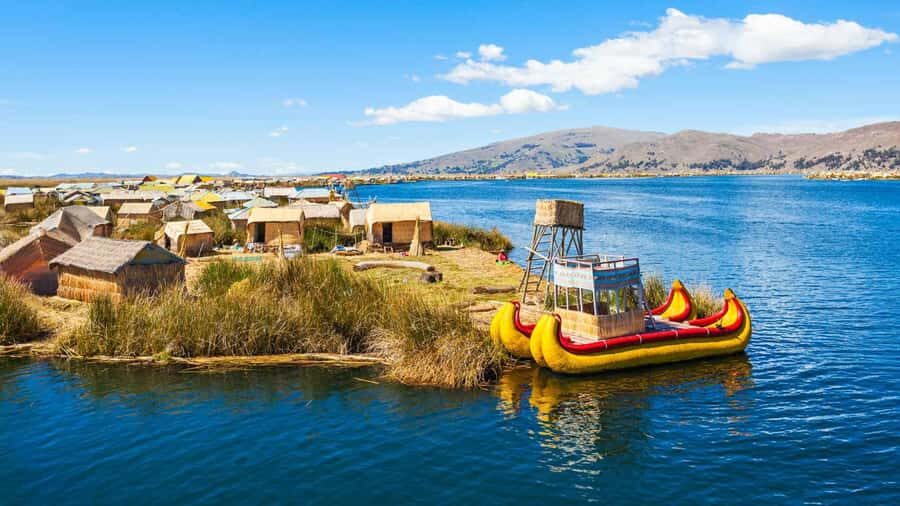
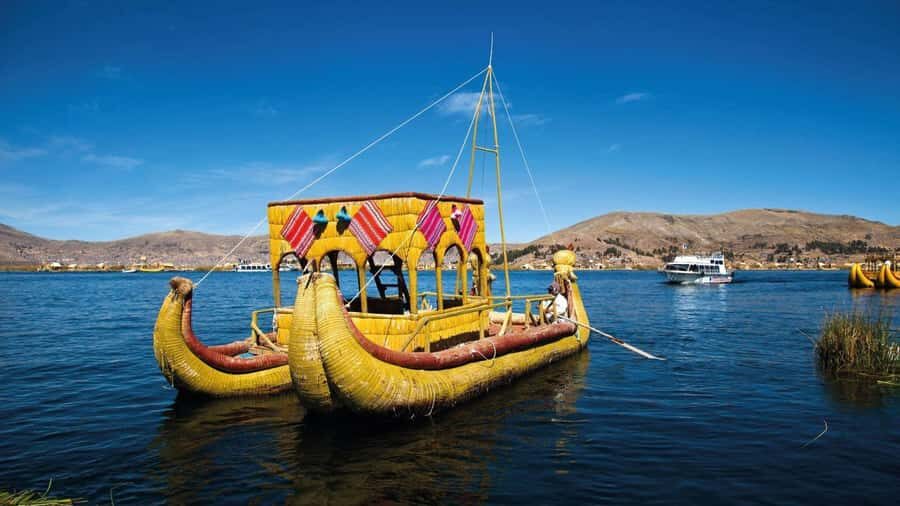
- Uros on totora reeds: you’ll be shown how the islands (and boats) are made using the same reed material.
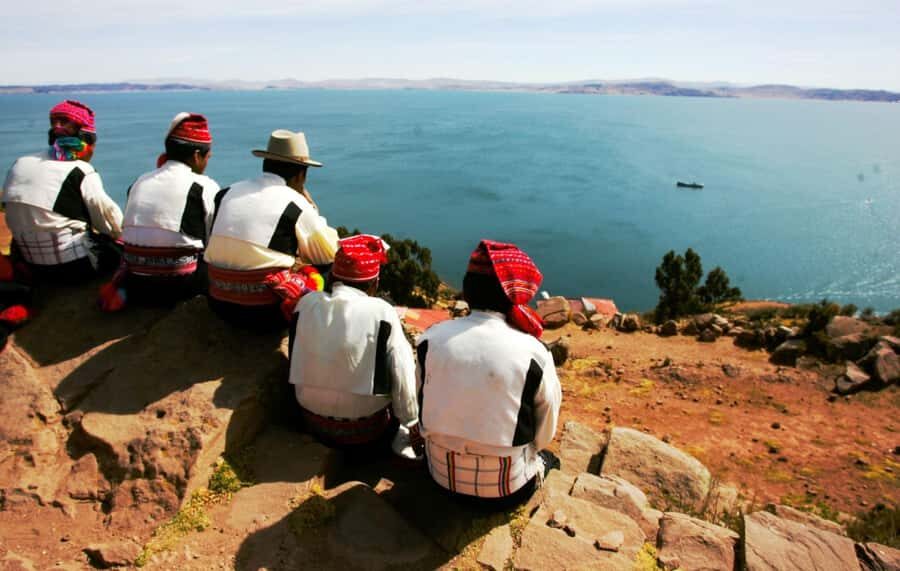
- Taquile includes a real village approach: plan for a 1-hour walk uphill to reach the village.
- A typical Taquile lunch: included, so you don’t have to hunt for food between stops.
- Small group feel: limited to 15 participants, with an English/Spanish live guide.
- Puno free time after the boat: you get your afternoon to explore the city center.
Price and logistics: what $150 buys you (and what it doesn’t)
At $150 per person, this isn’t “cheap,” but it’s not just a boat ticket either. Your money is going toward three expensive pieces that add up fast if you book them separately: the night buses (Cusco ⇄ Puno), the boat tour on Lake Titicaca, and the guided day with transfers plus traditional lunch.
What’s not included matters. You may pay extra for a traditional totora boat ride option (listed as 15 soles). Also, only the Taquile lunch is specified; any other meals are on you.
The biggest logistics point is time. This isn’t a simple “one day” in the casual sense. Based on the scheduled pickup and bus times, you’ll be traveling overnight twice, with an early arrival in Puno the next morning and an afternoon return before the second bus back to Cusco. If you like to sleep in and take things slow, this tour will feel long on your body—even if it’s smooth on paper.
So the value question becomes: do you want your travel steps handled, or do you want to build your own itinerary and take your time? If you hate transport planning, this package is a relief.
You can also read our reviews of more tours and experiences in Cusco

The overnight Cusco → Puno run: sleep, safety, and expectation setting
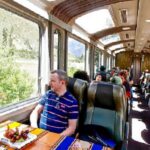
The experience starts with pickup from your Cusco hotel around 9:00 PM, then a transfer to the bus terminal. The bus departs at 10:00 PM and arrives in Puno around 5:30 AM.
Night buses are the make-or-break part for many people, mostly because you’re trying to rest while moving. One reviewer noted the sleeping arrangement on the night bus was unexpectedly comfortable, which is encouraging if you’ve had unpleasant bus experiences before. Still, I’d plan your expectations realistically: even a good “cama” or similar setup can be hit-or-miss depending on seat/bunk position, how full the bus is, and how sensitive you are to motion.
Practical tips for this leg (so you arrive functioning):
- Bring a layer for the bus: nights in the Andes can feel chilly even if daytime is bright.
- Pack water and a small snack if you think you’ll feel hungry after the overnight ride (the schedule mentions breakfast in Puno, but only breakfast timing is implied, not snacks).
- If you’re prone to motion sickness, bring whatever you normally use.
Your payoff is an early head start on the lake.
First stop: Uros on totora islands and the reed-life lesson

After you’re picked up from the Puno bus station, the plan includes breakfast and then a boat ride out to the Uros Islands. You’ll get a guided tour that focuses on how the islands are built with totora reeds, and how that same material is used for homes, boats/rafts, fuel, and even food.
This is the part of the day that’s hardest to explain without seeing it. The islands are constructed in a way that makes you understand the relationship between people and a living shoreline ecosystem. Even if you’ve read about Uros before, the physical reality of reedwork and the way it supports daily life is what sticks.
Now, a balanced note: the Uros visit can feel very staged for tourists compared to other parts of Lake Titicaca. If you’re chasing the feeling of walking into someone’s everyday world, you might feel a disconnect—especially if you expect the islanders to be fully removed from visitor attention.
But if you approach it as an educational stop—watching reed construction, learning how the materials are managed, and asking questions about how life works on the water—you’ll likely get your money’s worth.
Taquile Island: the best views come with a climb
Once Uros is done, the tour moves to Taquile Island. Here’s the key difference: you’ll walk. The itinerary calls for a 1-hour walk to reach the village where you can observe customs and village life.
This is the moment to be honest with yourself about effort. That walk isn’t just a stroll; it’s described as a big uphill climb by someone who felt it was “violent.” I can’t tell you how steep it will feel for your fitness, but I can tell you the tour is not built for effortless movement.
What you’ll likely enjoy when you make it:
- Better scenery once you’re up in the village area.
- The chance to see local life and community rhythms.
- Weavings and weaving culture, including demonstrations where locals show how daily life connects to textiles.
After the walk, you’ll have typical lunch in a local restaurant. I like this setup because it prevents a common problem on island tours: you’re too tired to think and then forced into a random meal option. Here, lunch is already accounted for.
Then comes free time on Taquile. This is where you can slow down, meet people at a comfortable pace, and spend time on what catches your eye—like crafts and island routines—without being rushed through every moment.
One caution: if you’re traveling with limited mobility, a strong altitude sensitivity, or you just hate uphill walking, you may want a different Lake Titicaca option than this one.
Returning to Puno and using your afternoon wisely
After Taquile, you’ll head back to Puno by normal boat, arriving around 5:00 PM. You then get the afternoon free to explore the city center before the evening transfer.
This part can be surprisingly valuable if you plan it right. Puno is often used as a launch point to the lake, so having a few hours there lets you treat the trip as more than just transport. You can reset, grab an early dinner, and wander at an unhurried pace.
A realistic approach to the afternoon:
- Keep your first hour light—your body will still be working through the earlier climb and travel.
- Pick one or two sights near the main areas of the center rather than trying to “do everything.”
- Plan dinner based on what’s close to where you’re staying; you don’t want to spend your energy hunting.
Then, at around 9:00 PM, you’ll be transferred again to the bus terminal.





The Puno → Cusco night bus: the last leg counts
The second ride mirrors the first: bus at about 10:00 PM, arrival in Cusco around 5:30 AM (next day). You’ll be met when you arrive and transferred back to your hotel.
This leg is mostly about getting sleep so you don’t feel wrecked the next day. If you can, treat the day after your arrival in Cusco as a rest day. You’ll have altitude in the mix, plus fatigue from the schedule. If you try to stack a heavy day right after, you might pay for it.
If you want the trip but also want to protect your energy, the “small group + included lunch + guided setup” are the levers that make a difficult itinerary feel manageable. The “trade” is time and stamina.
Who this tour is best for (and who should skip it)

This is a great fit if you:
- Want Lake Titicaca without building logistics from scratch.
- Like having a guide for context, especially on how Uros reed life works.
- Enjoy a mix of boat views and a cultural walk (even if it’s a bit demanding).
- Prefer small-group pacing (up to 15).
You might want to skip or switch tours if you:
- Hate long travel days and night buses.
- Want minimal walking and minimal effort.
- Are strongly sensitive to uphill climbs—Taquile’s 1-hour walk is a core part of this experience.
- Are mainly looking for the most “off-the-tourist-track” version of the lake.
A smart mindset: book this if you can handle one big day of effort that includes transport. Don’t book it if you want a relaxed, flexible, easy pace.
Tips to get the most out of it
A few small things can make the difference between a trip that feels long and one that feels worth it.
- Bring layers: mornings and nights can be cold, and boats can feel breezy.
- Wear shoes made for uphill: Taquile’s 1-hour walk is the part you can prepare for.
- Pack a light snack for the bus periods: lunch is included on Taquile, but you’ll still want energy before then.
- If the totora boat ride is offered, decide ahead of time if you want that extra cost. It’s listed as an additional expense (15 soles).
- Ask questions during Uros: if parts feel touristy, your best tool is curiosity—what happens day-to-day, what’s changing, how the reeds are maintained.
Should you book this Uros + Taquile + Lunch itinerary?
If you want a ready-made way to see Lake Titicaca, learn about totora island life, and still get to Taquile with a traditional lunch, this tour is a solid option. The included transfers, boat tour, guide, and small-group size make it easier than DIY for most people.
But book it only if you’re comfortable with the tradeoffs: an overnight schedule, a full day that starts in Cusco late at night, and a serious uphill walk on Taquile. If you’re the type who wants comfort above all and minimal walking, you’ll probably feel the fatigue more than the views.
My call: book it if you’re excited to see the lake and don’t mind earning your best viewpoints with some effort.
FAQ
What time does pickup happen in Cusco?
You’re picked up from your Cusco hotel around 9:00 PM and transferred to the bus terminal. The bus departs at 10:00 PM.
What’s the general schedule once you arrive in Puno?
The bus arrives in Puno around 5:30 AM. You’ll be picked up from the bus station, enjoy breakfast, then go to the port for the boat tour to Uros and then Taquile.
Is lunch included?
Yes. There’s traditional lunch in Taquile included in the price.
Is there an extra cost besides the $150?
Yes. A traditional totora boat ride is listed as an additional expense at 15 soles. Any other meals not mentioned are also not included.
How big is the group?
The tour is a small group limited to 15 participants.
What languages does the guide speak?
The live guide is available in English and Spanish.
Can I cancel for a full refund?
Yes. You can cancel up to 24 hours in advance for a full refund.