REVIEW · CUSCO
Cultural Multi Day Tour from Lares to Machu Pichu with Llamas
Book on Viator →Operated by Incatrekkers Day Tours · Bookable on Viator
Early mornings here are worth it. This Lares-to-Machu Picchu trek mixes high-Andes camping, llama-led trails, and real Quechua community time before you reach the big finale at Machu Picchu. I especially love the way the route uses the Sacred Valley drive and the Patacancha area to show daily life (weaving, viewpoint chats) instead of just marching between monuments. I also love the pacing that gets you to key Inca highlights like Wiñay Wayna and the Sun Gate, then sets you up for a calmer Machu Picchu morning. One drawback: you need solid fitness, because the trek involves sustained hikes and high-altitude sleeping, and the alarm starts at 5:00 am.
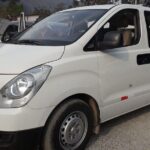
What makes this tour feel different is how private it is. You’re not stuck in a big shuffle: you travel with your own group on private transportation, you trek with guides and llama handlers, and you get time with locals rather than a quick photo-and-go. The food setup is another major plus. On this route, a cook handles multiple courses at altitude, and you’re kept fed along the way instead of living on “snack bar energy.”
Here’s the practical catch: it’s not a “sit back and be carried” option. If you’re looking for zero exertion, you’ll feel every step. If you want an authentic, guided trek that ends with an expert-led Machu Picchu visit at sunrise, this fits well.
In This Review
- Key highlights you’ll feel right away
- The Lares-to-Machu Picchu route: more trekking, less bus-rush
- Day 1: Sacred Valley drive, Yanahura-Pucara, and high lake camping
- Day 2: Patacancha, Huayruruyoc Pass, and weaving lessons with a view
- Day 3: Km 104 to Wiñay Wayna, then the Sun Gate at sunset
- Day 4: Sunrise photos, guided Machu Picchu, and the train back to Cusco
- Price and value: what you’re paying for (and why it isn’t random)
- Food, guides, and the small details that make it feel worth it
- Who this tour fits best (and who should think twice)
- What to pack and how to handle high-altitude trekking (practical tips)
- Should you book this Lares-to-Machu Picchu trek?
- FAQ
- What is the duration of the tour?
- Where does the tour start and end?
- What time does the tour start?
- Is pickup available?
- Is the tour private?
- What languages is the tour offered in?
- What’s included in the price, and what’s not?
- What fitness level do I need?
- What is the cancellation policy?
Key highlights you’ll feel right away
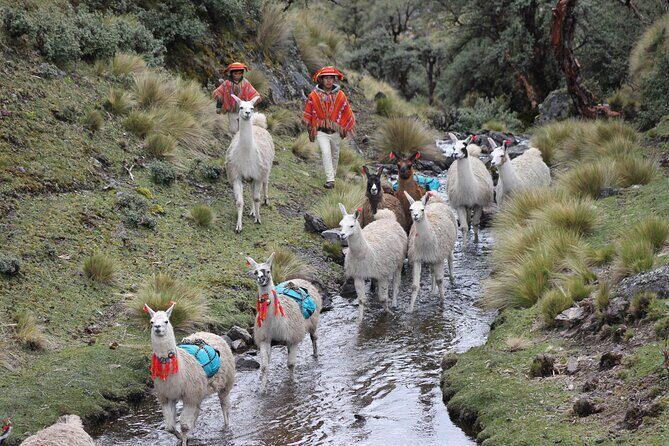
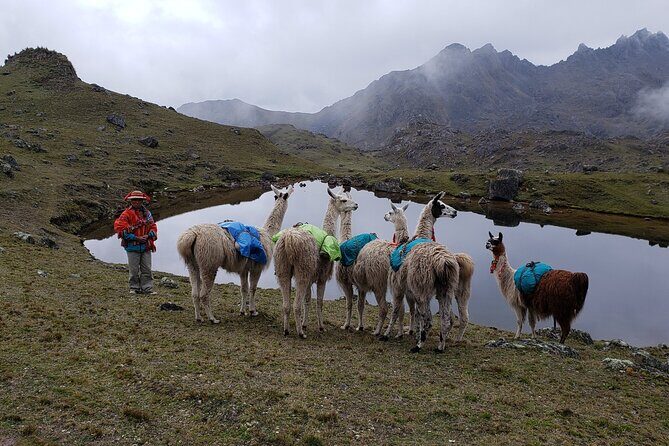
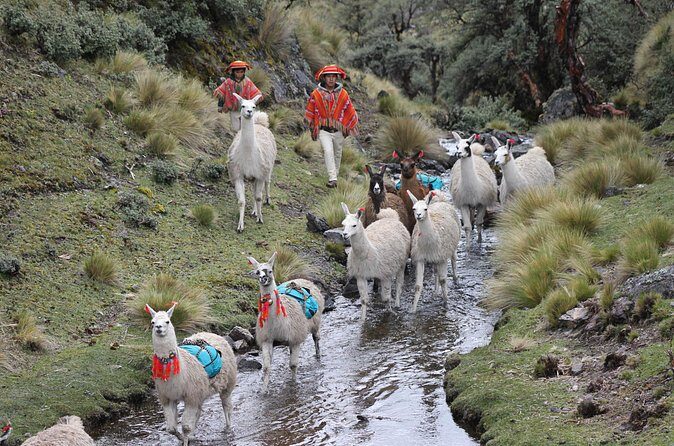
- Llamas and herders in the mix for a classic Andean trekking vibe, not just a staged photo moment
- Wiñay Wayna at 2,650 m plus a push toward the Sun Gate (2,720 m) for panoramic views
- Quechua community time with weaving traditions and everyday perspective from places like Patacancha
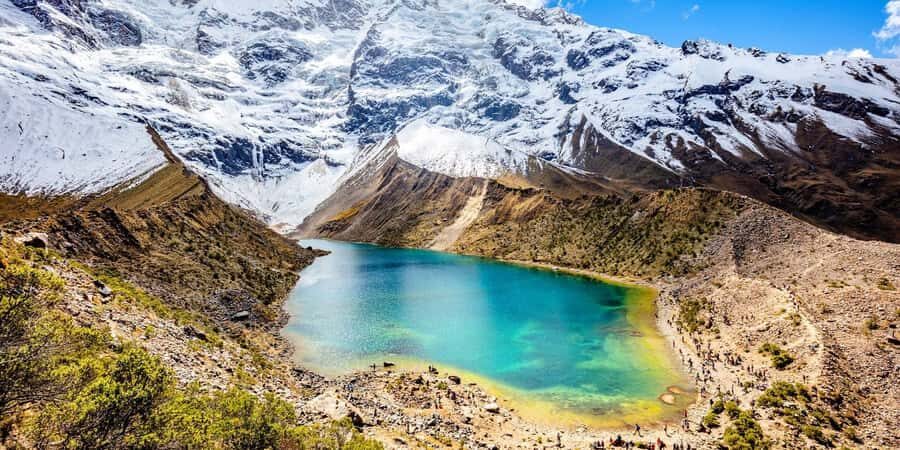
- Camping by high lakes such as Yuraq Cocha / Auroray Cocha areas, adding big “out there” energy
- Early Machu Picchu arrival for photos and a guided walk through key structures and temples
The Lares-to-Machu Picchu route: more trekking, less bus-rush
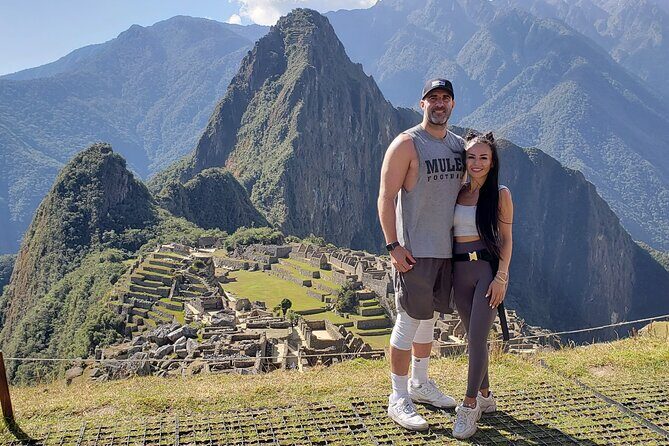
If you’ve only seen Peru through a window of buses and crowds, the Lares route changes the rhythm fast. The trek starts from Cusco and works its way through the Sacred Valley on private transport, then shifts into the mountains where trails cut past small streams, lakes, and waterfalls. Even without being a long-in-the-weeds trek like the most famous multi-day Inca Trail options, it still gives you that “I’m actually walking in the Andes” feeling.
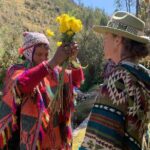
This tour also leans into culture, not just scenery. You spend time in Quechua communities where weaving is part of daily life—passed down across generations—and the guide helps connect what you see with what it means. That’s a big deal for value. A lot of tours deliver the same monuments; this one tries to deliver the people and the patterns behind them.
Finally, it’s organized enough that you don’t waste mental energy. You’re not constantly figuring out timing, transfers, or what comes next. You get structure: private transport, guided hikes, an overnight in Aguas Calientes, then a guided Machu Picchu day. The result is a trip that feels adventurous, but not chaotic.
You can also read our reviews of more tours and experiences in Cusco.
Day 1: Sacred Valley drive, Yanahura-Pucara, and high lake camping
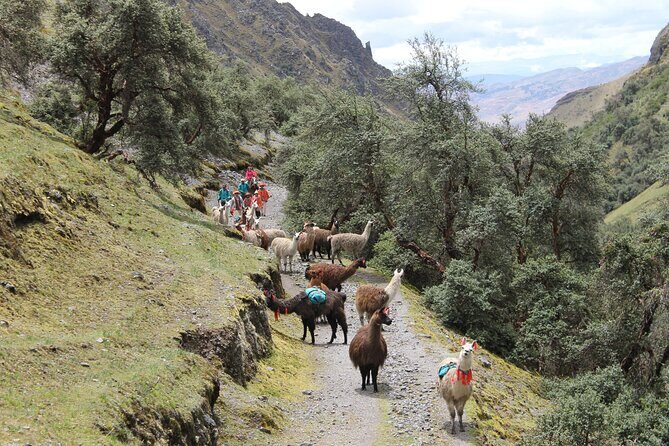
Day 1 is your “get oriented” day, and it starts with a private scenic drive through the Sacred Valley. You begin around Urubamba, then travel toward the Yanahura-Pucara community area where the trek begins. This matters because you’re not starting immediately from Cusco. You ease into altitude and terrain with a full day structure, which helps you mentally prepare.
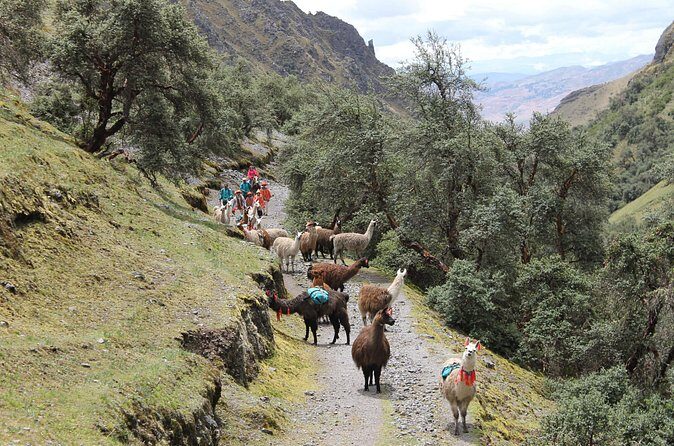
Once you start walking, the Mantanay valley portion brings plenty to look at beyond just the trail. Expect mountains and native vegetation, plus frequent natural features—streams and lakes show up along the way. The tour includes encounters with llamas and alpacas, and the whole animal setup is part of the charm. In one traveler’s account, Florentino even played a flute to help motivate the llamas and keep the mood moving. That’s the sort of human detail that makes a trek feel alive.
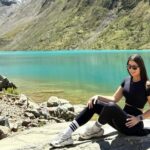
After lunch, you ascend to the lake area of Yuraq Cocha, then camp near Auroray Cocha. This is where the experience shifts from “day hike” into “high-mountain night.” Sleeping at elevation changes everything—air gets colder fast, and you’ll want to be ready for layers. The trek duration is listed at about 6 hours, which is substantial but manageable if you pace yourself and don’t sprint uphill.
Why it’s worth it: Day 1 sets up the trip’s core theme: walk through real mountain life, then sleep where the sky feels close.
What to consider: If you’re not used to hiking uphill for hours, take it easy early and let your breathing do the deciding.
Day 2: Patacancha, Huayruruyoc Pass, and weaving lessons with a view
Day 2 builds the “culture + altitude” mix. You start trekking from a community base area associated with Patacancha, known for traditional Quechua culture. The route includes a gradual ascent toward Huayruruyoc Pass. That gradual part is key. You’ll still earn the views, but it’s less of a wall than a steep, stop-and-gasp kind of day.
As you climb, you get expansive mountain views and a shimmering lake scene from community vantage points. The guide adds context around what you see—especially weaving. It’s not just “look at the craft.” The weaving techniques and patterns are described as being passed down through generations, so you understand why certain designs matter and why this work continues.
This is also where the tour can feel especially human. One review described an afternoon in a small town called Pachapampa, where a local family welcomed the group and chatted, with the mountains close enough to feel like they’re part of the conversation. That kind of stop is hard to replicate with a cookie-cutter city-only trip.
Day 2 is listed at around 6 hours. Expect steady movement, plus moments where you pause to learn and talk. If you’re hoping for a “lots of quiet, no distractions” day, you’ll find that’s not the design. The trade-off is a richer cultural understanding.
Why it’s worth it: You get the practical meaning behind crafts and community knowledge, not just the surface-level “this is traditional.”
What to consider: You’ll want to be comfortable stopping and starting. The best moments happen when you slow down, not when you rush through.
Day 3: Km 104 to Wiñay Wayna, then the Sun Gate at sunset
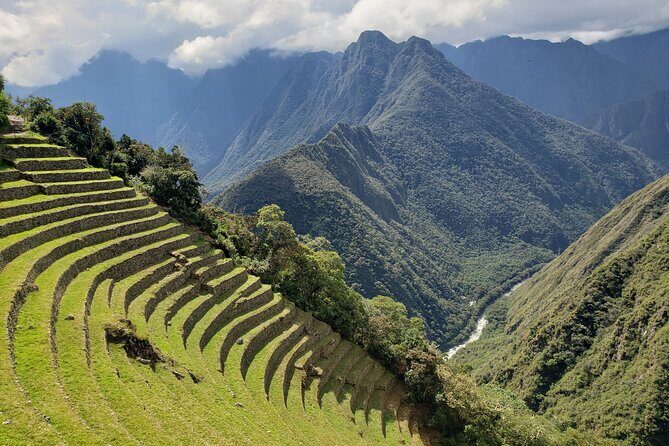
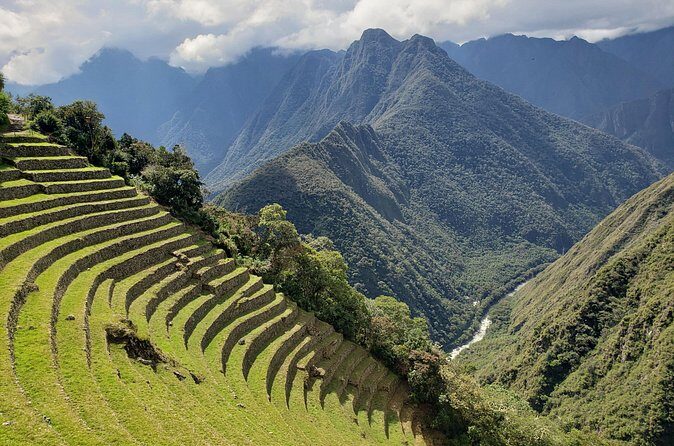
Day 3 is the classic “big progress” day. You start your hike from Km 104 via private transportation, then make your way to Inca Site Wiñay Wayna at about 2,650 m. This section matters because it’s not just a viewpoint stop—it’s a complex archaeological area with agricultural terraces, urban and religious sectors, and big views over the Urubamba River valley.
After Wiñay Wayna, you continue toward the Sun Gate (around 2,720 m). The tour schedule specifically calls for panoramic views of Machu Picchu at sunset. Sunset is a timing gift. The light changes quickly, and you get a sense of the place’s scale without the full-day crowd intensity.
Then you descend to Aguas Calientes for dinner and an overnight stay. This is a smart setup. You’re tired, you’re ready, and you don’t have to force Machu Picchu onto a same-day sprint after a long climb. Having the night in Aguas Calientes gives your body a chance to settle after Day 3’s effort.
One traveler specifically noted that along the way they passed the base camp area for the classic Inca Trail and described it as crowded with hundreds of people and dirty restrooms. Even if you can’t verify those exact conditions in advance, the point stands: this trek’s timing and route can help you avoid the worst congestion you’d see when everyone hits the same corridor at the same time.
Why it’s worth it: You reach Machu Picchu from the mountain side, with context from Wiñay Wayna and the Sun Gate build-up.
What to consider: Sunset hikes require headlamp and careful footing. Trails at altitude can still be slick and dark.
Day 4: Sunrise photos, guided Machu Picchu, and the train back to Cusco
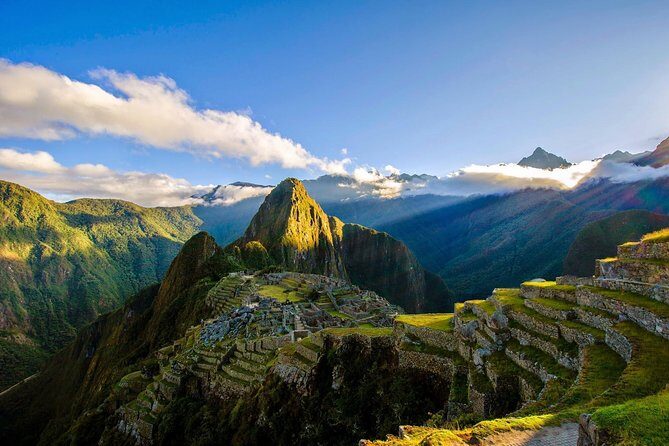
Day 4 starts early, with an early morning arrival at Machu Picchu. The goal is to catch the calmer atmosphere for photos and sunrise views before the day fully kicks off. Then your knowledgeable guide leads a full tour of the ancient city, pointing out significant structures and temples so you can connect the dots instead of walking through blank stone.
This is where a strong guide matters more than people expect. Machu Picchu looks dramatic from far away, but the real satisfaction comes from understanding what you’re seeing: how spaces relate, why certain buildings matter, and how the Inca story ties into the surrounding valley. In the accounts you provided, Juvenal is repeatedly mentioned for deep knowledge of Quechua culture, plants, birds, and local history—so you’re not only getting facts, you’re getting explanations that make the place feel more human.
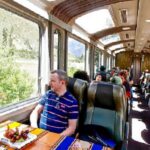
After the guided time, you return to Aguas Calientes for lunch. The schedule includes train tickets to Cusco (via Ollantaytambo), followed by private transportation back to your hotel. That “door-to-door after Machu Picchu” part is pure comfort. You just hiked, you just toured one of the world’s most famous ruins, and you don’t want to spend your last hours hunting for connections.
Why it’s worth it: You get both the early quiet and a structured guided visit, then a smooth travel unwind.
What to consider: Wear layers. Morning can feel cold, then warm fast once the sun climbs.
Price and value: what you’re paying for (and why it isn’t random)
At $990 per person for a 4-day private experience, you should look at value through what’s included—not only the number.
From the tour details, this includes private transportation and all fees and taxes. In the day-by-day schedule, admission tickets are listed as included/free for the Machu Picchu days and other segments, which usually signals the key entry costs aren’t an extra surprise later. The itinerary also describes train tickets to Cusco as part of the Day 4 plan, plus private transport to your Cusco hotel after the train to Ollantaytambo.
So where does the money go? Into logistics and guide time. Multi-day treks live or die by coordination: private transfers, llama support, camping operations, and a guide who can keep timing tight and explain what you’re seeing. If you’ve ever tried to DIY a trek like this, you know how quickly “cheap” turns into “stress expensive.”
Not included is simple: gratuities and personal expenses. That’s normal. If you’re the type who likes to tip well, plan for it so you’re not scrambling on the final day.
Bottom line: If you want a private guided route that includes the major costs (fees/taxes) and ends with an organized Machu Picchu day, the price reads as fair rather than bargain-basement.
Food, guides, and the small details that make it feel worth it
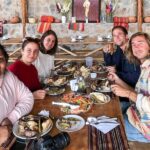
The best tours don’t just promise good service—they actually deliver it, day after day. Here, the food setup gets a lot of praise. One traveler described the cook preparing multiple dishes at altitude in a small tent above 4,000 m, with multiple courses and snacks. That kind of hot, filling meal is not a minor detail. In the mountains, it changes your energy and keeps your mood stable.
The guide quality is another major selling point. Multiple reviews highlight Juvenal for knowledge across Quechua culture, local plants, birds, and Inca Trail history—plus the way he explains things respectfully and personally. That “talk to every person you meet” style matters because you feel included in the learning, not just herded between checkpoints.
Also worth noting: this trek leans into local support. One traveler specifically emphasized that the company works with locals and supports them in ways beyond simply using their labor. It’s a good sign when your tour is clearly tied to community benefit.
And yes, the llama and herder setup is part of what you’re buying. Having animals as working partners—not just props—helps the trek feel like the older ways of moving through the region.
Who this tour fits best (and who should think twice)
This is a great fit if you:
- Want an active trekking experience that still feels well organized
- Love cultural context—Quechua weaving and community life matter to you
- Prefer a guided Machu Picchu visit at sunrise rather than arriving late and rushing
- Like the idea of camping near high lakes and sharing the trail with llamas
You might want to think twice if you:
- Have low hiking fitness or expect flat, easy walking
- Don’t handle cold nights or high-altitude sleeping well
- Want to minimize early starts. This tour begins with a 5:00 am start.
What to pack and how to handle high-altitude trekking (practical tips)
Even when a tour provides a well-run plan, your comfort depends on your packing. Based on the altitude and trekking style described here, I’d plan for:
- Warm layers for mornings and night camping. The air at high lakes and in the mountains can get cold fast.
- A rain layer. Weather can shift quickly, and trails can get damp.
- Solid footwear with good grip. You’ll do long walks and some elevation changes.
- A headlamp for early mornings and dim trails.
- A small daypack for water and essentials.
Also, pace yourself like you mean it. Don’t treat Day 2 and Day 3 like sprinting days. The best feeling you’ll get on this kind of itinerary is arriving at viewpoints able to enjoy them, not arrive wheezing.
Should you book this Lares-to-Machu Picchu trek?
Book it if you want a private, guided route that blends trekking, Quechua culture, and a Machu Picchu day done thoughtfully—sunrise timing, guided interpretation, and then an organized train back to Cusco. The strongest reasons to choose this one are the mix: mountain camping and llama-supported hiking on the front end, then expert-led Inca history on the back end.
Skip it (or choose a different style of tour) if you’re not ready for the physical effort and early schedule. This is not a couch-to-citadel trip. It asks for hiking stamina.
If your travel style is “I want the real Peru, not just the highlight reel,” this tour matches that. And when Machu Picchu finally shows itself clearly after days of walking and learning, you’ll feel like you earned it.
FAQ
What is the duration of the tour?
The tour runs for 4 days (approx.).
Where does the tour start and end?
It starts in Cusco, Peru, and ends back at the meeting point.
What time does the tour start?
The start time is 5:00 am.
Is pickup available?
Pickup is offered. The guide meets you in your hotel lobby 2 days prior to the trek start for a briefing at 6:00 PM.
Is the tour private?
Yes. It’s listed as a private tour/activity, so only your group participates.
What languages is the tour offered in?
It’s offered in English.
What’s included in the price, and what’s not?
Included: private transportation and all fees and taxes. Not included: gratuities and other personal expenses.
What fitness level do I need?
The tour says you should have a strong physical fitness level.
What is the cancellation policy?
The experience is non-refundable and cannot be changed for any reason. If you cancel or ask for an amendment, the amount you paid will not be refunded.