REVIEW · CUSCO
City Tour, Sacred Valley, Machupicchu and Maras Moray in 5 Days
Book on Viator →Operated by Kantu Peru Tours · Bookable on Viator
Cusco at altitude can feel like overload, in the best way. This 5-day route strings together Cusco and Machu Picchu with the science-y Inca detour at Moray and the glittering salt pools of Maras.
I really liked two things right away: the mix of guided time and free time to wander, and the way the big logistics get handled for you—hotel nights, transfers, and the round-trip train and bus to Machu Picchu.
One real consideration: you’re moving fast at high elevation. If you don’t acclimate well, long days and early mornings can hit hard, so go easy on day one and drink water.
In This Review
- Key takeaways before you go
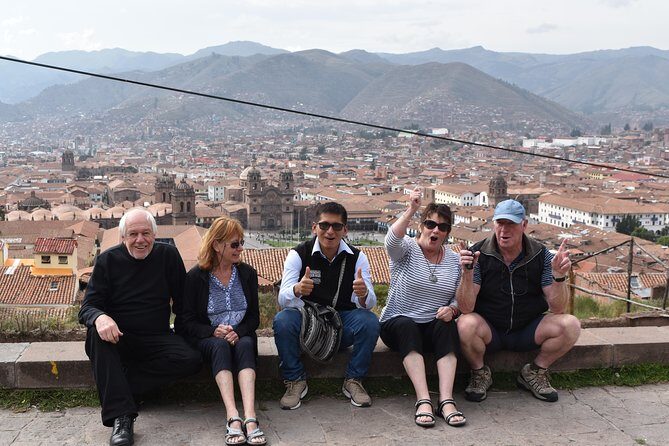
- Cusco first: Qorikancha, cathedral vibes, and Sacsayhuaman views
- Sacred Valley without the guesswork: Pisac, alpaca stops, and an Inca buffet
- The train ride to Aguas Calientes: why it’s part of the experience
- Machu Picchu morning: Circuit 2 plus guide-led highlights and self-time
- Moray and Maras: the inquiring side of the Incas
- Price and value: what $615 buys (and what costs extra)
- Comfort, timing, and the altitude reality check
- Who this tour fits best
- Should you book this Cusco to Machu Picchu package?
- FAQ
- What UNESCO World Heritage sites are included?
- Do I need a passport for this trip?
- What’s included for Machu Picchu?
- Can I add Machu Picchu Mountain or Huaynapicchu?
- How many nights do I stay in Cusco and Aguas Calientes?
- Is the tour refundable?
Key takeaways before you go
- Two UNESCO anchors (Cusco and Machu Picchu): you get guided context plus time to look around on your own.
- Small-group feel (up to 15 travelers): more direct attention from your guide.
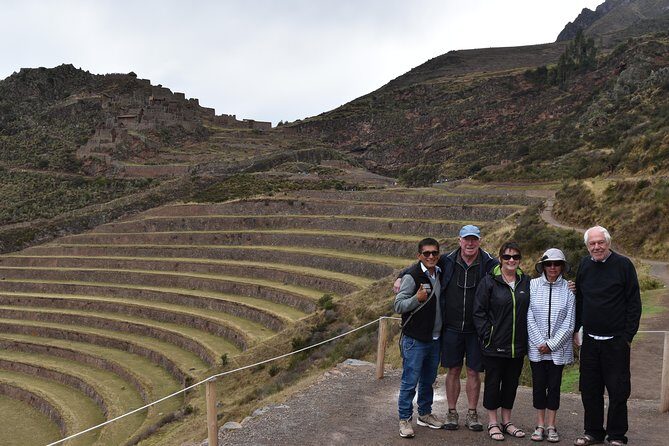
- Sacred Valley stops beyond the postcard views: Pisac, Urubamba, and Ollantaytambo are built into a smooth flow.
- Train to Aguas Calientes is included: round-trip convenience with a guided Machu Picchu visit.
- Moray and Maras aren’t filler: you’ll see how the Incas used terraced experiments and how salt harvest works at Maras.
- Extra viewpoints cost extra: Machu Picchu Mountain or Huaynapicchu add-on tickets are not included.
Cusco first: Qorikancha, cathedral vibes, and Sacsayhuaman views
Day one is a smart way to land. After you touch down, Kantu Peru Tours meets you and gets you from the airport to your Cusco hotel. You’ll also get a quick intro to Peru and the city, which helps you place what you’re seeing later.
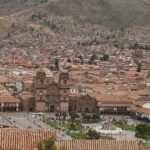
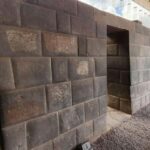
Then the city tour starts around the afternoon. Qorikancha is a great opener: Inca masonry tied to later layers of religious architecture. You also visit the cathedral, and the contrast gives you an instant feel for how Cusco changed over time.
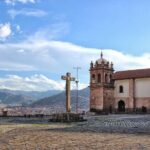
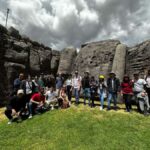
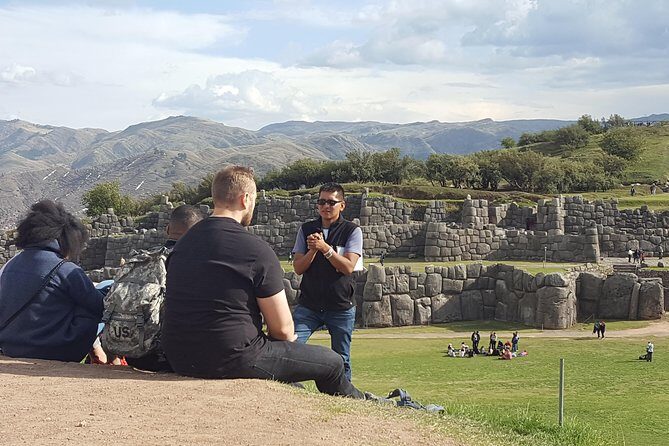
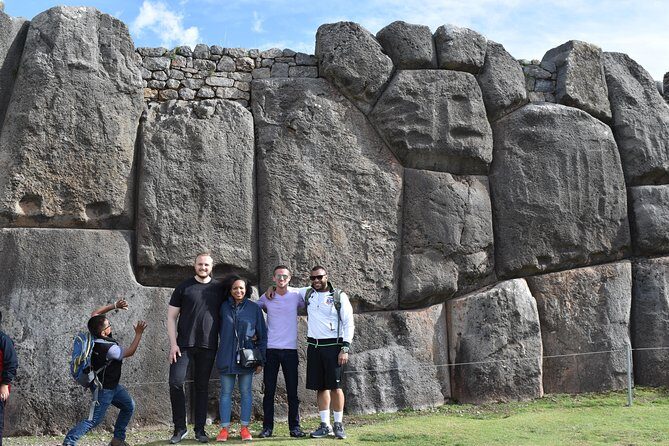
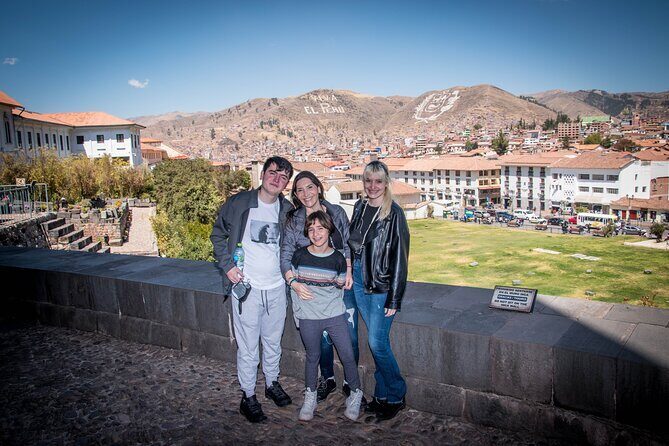
Next comes Sacsayhuaman, with time to see the fortress-style stonework that sits above the city. The tour also includes Q’enqo, Tambomachay (the water temple), and Puca Pucara. Even if you’ve read about these places, having a guide walk you through what each area was for makes it easier to understand rather than just take photos.
My practical tip: keep your pace gentle on day one. Cusco altitude is real, and you’ll want your legs fresh for the next few days of early starts and walking.
You can also read our reviews of more city tours in Cusco
Sacred Valley without the guesswork: Pisac, alpaca stops, and an Inca buffet
The Sacred Valley day is built to move in a logical line, with a few stops that add variety. Right after hotel check-out, you store your big suitcase and keep only what you need for the night near Machu Picchu.
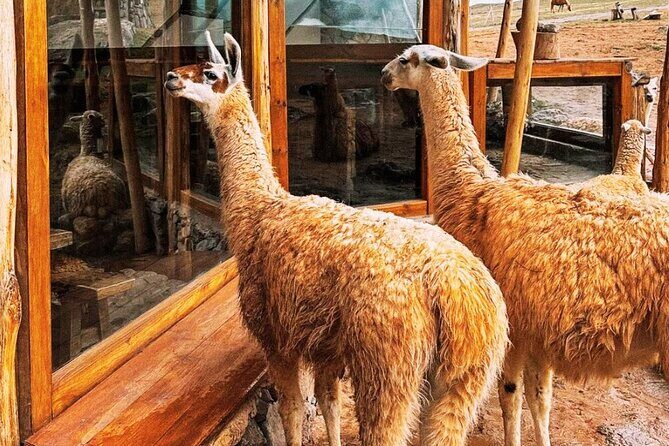
Before you even hit the big ruins, there’s a stop at Awanacancha, where you can see Andean camelids (alpacas, llamas, and others mentioned in the program). It’s quick, but it’s a good way to shift gears from Cusco city to the working countryside around the valley. There’s also a short view stop en route, which helps you “read” the valley as you travel.
Pisac is the archaeological highlight here. You get guided coverage of the most important sectors, which matters because Pisac can be confusing if you’re trying to explore alone without context.
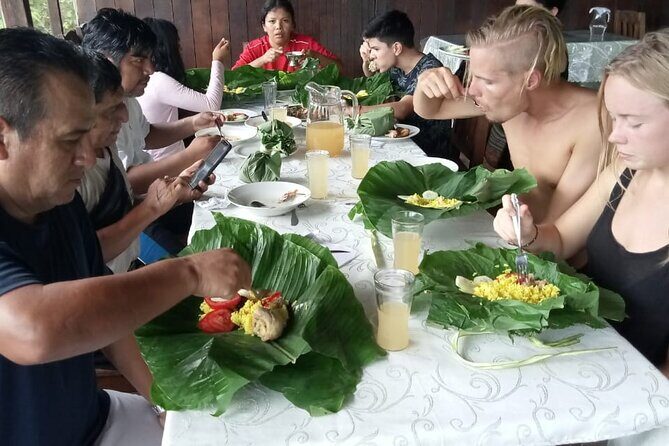
Lunch is at Urubamba and it’s described as a buffet in the program. The point isn’t just food—it’s timing. Refueling in the valley keeps you strong for the afternoon stop at Ollantaytambo.
Ollantaytambo finishes the Sacred Valley arc, and it’s also the launch point for the train. That transition is handled smoothly: after exploring, you board the train toward Aguas Calientes. One small detail that can make or break your day: the program stresses carrying your passport, since it’s needed for Machu Picchu entry checks later.
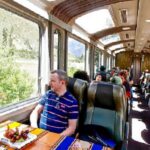
The train ride to Aguas Calientes: why it’s part of the experience
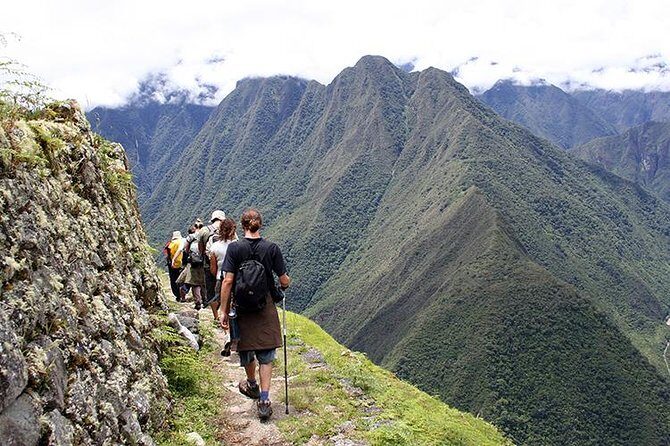
I like that this tour treats the train as more than transportation. You go from Ollantaytambo toward the Machu Picchu area, and along the way you’ll see parts of the route tied to classic Inca Trail country.
When you arrive in Aguas Calientes, a Kantu Peru Tours representative assists you and brings you to your hotel. This matters because Aguas Calientes is where people feel rushed—trains come and go, and you’re often tired. Having someone point you the right direction keeps you from turning day three into a scramble.
One smart packing approach: the program recommends traveling with only what you need for one night and storing your larger luggage back in Cusco. You’ll feel calmer because you’re not managing a big bag while you’re bouncing between Cusco, the valley, and Machu Picchu.
Machu Picchu morning: Circuit 2 plus guide-led highlights and self-time
Machupicchu is the main event, and the tour handles the hardest part: getting you there early with the right transport. After breakfast, you’re picked up from your hotel and ride in a transport called CONSETUR toward the site.
You’ll need your passport for the check at Machu Picchu. If you don’t bring it (or if details don’t match), entry can be a problem, and the tour makes that point clearly.
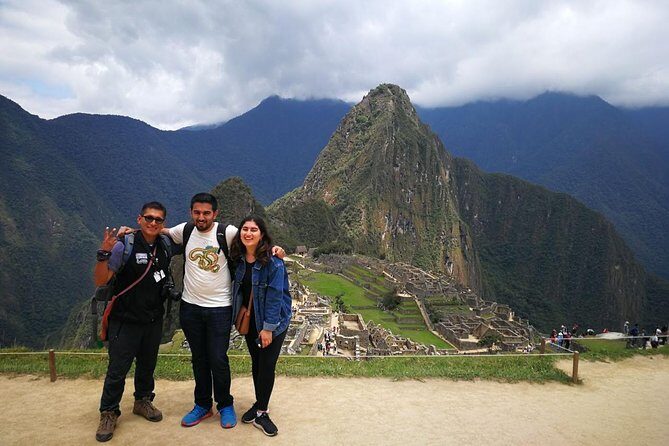
Once you’re inside, the guided time covers a classic set of highlights. You’ll visit areas like the Agricultural sector and the quarry, plus key structures such as the Temple of the Sun, the Temple of the Window, and the sundial. The guided segment is about 2 hours 30 minutes, and it’s designed to give you more meaning than just looking at stone.
After the guide tour, you get time to explore on your own. That self-time is a big deal because it’s your chance to linger at the angles you like, not the ones that fit the group schedule. If you want Machu Picchu Mountain or Huaynapicchu Mountain, the add-on ticket is extra (listed as $65 per person), and it’s not included in the standard entrance.
In the afternoon, you have a lunch option in town and then you return by train to Ollantaytambo. From there, a representative assists with getting back to Cusco.
My key advice for your timing: don’t wander late in Aguas Calientes. The tour stresses being ready at the train station with enough time based on your ticket, which is exactly where delays happen.
Moray and Maras: the inquiring side of the Incas
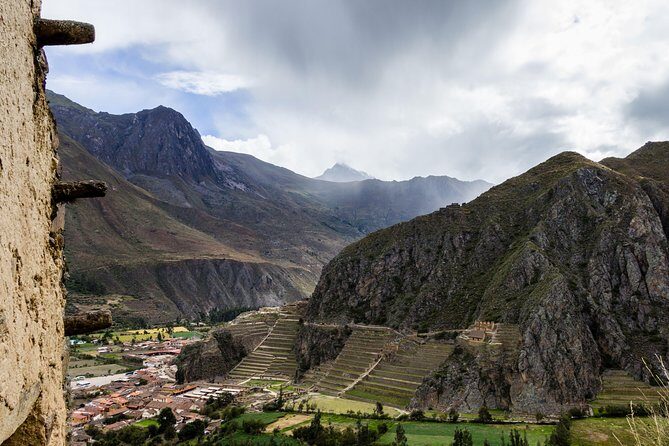
Day four is where the tour shifts from ruins to how people actually engineered food and resources.
First comes Chinchero, with a textile show using traditional tools. The program frames it as a look into the process of textiles. Even if you’re not shopping, watching hands-on work explains why Inca-era production mattered.
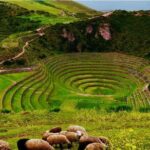
Then you head to Moray: circular terraces built into a big depression. Moray is described as an Inca laboratory, and you can see why. The terraces create different conditions across levels, which is the kind of thinking that goes beyond simple architecture.
After Moray, you continue to Salinas de Maras, the salt mines above the Sacred Valley. This place works because it’s both visual and practical. The program notes that a salty spring feeds thousands of small pools, and the salt harvesting process is part of what you’re there to understand.
When you’re done, you’re taken back toward Cusco. You’ll have a free afternoon to walk the city at your own pace, which is useful after a few long days.
You can also read our reviews of more tours and experiences in Cusco
Price and value: what $615 buys (and what costs extra)
At $615 per person, the real value is in the “heavy lifting” parts getting included. This is not just a sightseeing day. It includes:
- 3 nights in Cusco plus 1 night in Aguas Calientes
- the round-trip train to Machu Picchu
- the round-trip bus to Machu Picchu
- guided sightseeing in Cusco, Sacred Valley, Moray, and Maras
- a 2-hour guided tour at Machu Picchu
- entrance ticket to Machu Picchu for Circuit 2, subject to availability
- transfers throughout, plus a lunch included in the plan
That means you’re paying for time, coordination, and entry handling—not just for a guide’s talking hours.
The two clear extras are:
- Machupicchu Mountain or Huaynapicchu Mountain add-on tickets for $65 per person
- optional gratuities
If you’re the type who hates making train and ticket logistics work while also handling altitude, this is often a good use of money. If you already plan to book independently and you love self-guiding, the value case depends on how much you’d spend and how smoothly everything lines up.
Comfort, timing, and the altitude reality check
This is a full 5 days with several early starts. Machu Picchu requires morning timing, and day four starts around 8:00 am. That rhythm can be fine, but it’s also why altitude matters.
One of the clearest considerations from the experience is simple: people who don’t acclimate well can feel it. You may want to go lighter on day one—short walks, water, and slower meals—so your body can adjust. The tour moves quickly, but you can control how hard you push.
Also, pack smart for the travel days. You’re switching hotels, moving between Cusco and the valley, and carrying what you need for one night near Machu Picchu. The program’s suggestion to travel light for the night in Aguas Calientes is there for a reason.
Who this tour fits best
This tour is a strong fit if you want:
- A guided introduction to Inca Peru without wrestling schedules
- a small-group experience (max 15 travelers)
- hotel nights included in both Cusco and Aguas Calientes
- meaningful time with local guides, including a guided Machu Picchu visit plus self-guided moments
It’s also a good choice for first-timers who don’t want to become part-time logistics managers. The only people who should think twice are those who can’t handle altitude well or anyone who knows they’ll want extra mountain viewpoints and hasn’t budgeted for add-on tickets.
Should you book this Cusco to Machu Picchu package?
If you want Machu Picchu plus the Sacred Valley and Moray/Maras, this package is built to deliver the big moments with less stress. The guided flow helps you understand what you’re seeing, and the inclusion of the train, bus, and lodging makes it easier to focus on the sites rather than the system.
Book it if you can plan your day with altitude in mind and you’re comfortable with the fact that Machu Picchu Mountain or Huaynapicchu are extra. Skip it if you’re hoping to go fully independent or you’re very sensitive to high elevation.
One more practical note: the program is listed as non-refundable, so make sure your dates are locked before you commit.
FAQ
What UNESCO World Heritage sites are included?
The tour includes Cusco and Machu Picchu, both UNESCO World Heritage sites.
Do I need a passport for this trip?
Yes. You’re asked for your passport details at booking, and you also need your passport for the Machu Picchu entry check.
What’s included for Machu Picchu?
Your ticket includes Circuit 2 (subject to availability) and a 2-hour guided tour at Machu Picchu. Machu Picchu Mountain or Huaynapicchu Mountain are not included.
Can I add Machu Picchu Mountain or Huaynapicchu?
Yes. The add-on ticket is listed as $65.00 per person for Machu Picchu Mountain or Huaynapicchu Mountain.
How many nights do I stay in Cusco and Aguas Calientes?
You stay 3 nights in Cusco and 1 night in Aguas Calientes.
Is the tour refundable?
No. The experience is listed as non-refundable and cannot be changed for any reason.