REVIEW · CUSCO
City Tour in Cusco & visit Museum South American Camelid
Book on Viator →Operated by Chullos Travel Peru · Bookable on Viator
Cusco’s Inca story, delivered fast. This half-day guided tour strings together major Cusco sights that reflect both Inca and Spanish influence, with time at the big-name archaeological stops like Qorikancha and Sacsayhuaman.
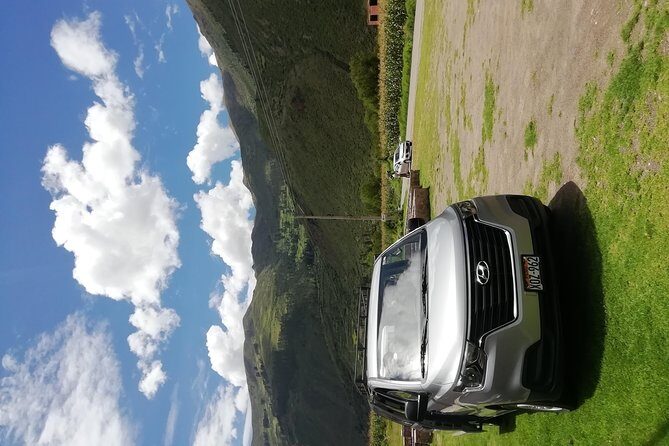
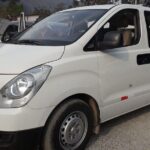
I really like two things here. First, you’re with a professional bilingual guide, so you’re not stuck trying to guess what you’re looking at. Second, the tour uses an air-conditioned vehicle, which matters in Cusco when you’ve just arrived or you’re still feeling the altitude.
One consideration: entrance tickets aren’t included, so your final cost can climb once you buy site access. Also, because you’ll be in and out of several locations in a short window, you should show up a bit early at the meeting point and stay flexible if the schedule tightens up.
In This Review
- Key highlights worth aiming for
- Why this Cusco city tour is a smart use of time
- Plaza de Armas: your easy kickoff at altitude
- Qorikancha and the Templo del Sol: where Inca and Spanish meet
- Sacsayhuaman: the big stone stop with big viewpoints
- Q’enqo and Puka Pukara: the “smaller” stops that add meaning
- Tambomachay: the water temple stop
- The tour style: mostly bus, with timed site walks
- Budget reality: $11.70 is the guide price, not the full tour cost
- What to look for in a great guide on this route
- Who this Cusco city tour fits best
- Timing: morning vs afternoon
- What to bring (so you don’t waste time)
- Should you book the Cusco city tour with Chullos Travel Peru?
- FAQ
- How long is the Cusco city tour?
- How much does it cost?
- Is there a morning or afternoon option?
- Where do you meet for the tour?
- Does the tour end back at the meeting point?
- What’s included in the price?
- Are entrance tickets included?
- How many people are in the group?
- Is the tour suitable for most people?
- What is the cancellation policy?
Key highlights worth aiming for
- Small group (max 15), so it’s easier to ask questions and keep up.
- Plaza de Armas start for an easy Cusco launch point near the center.
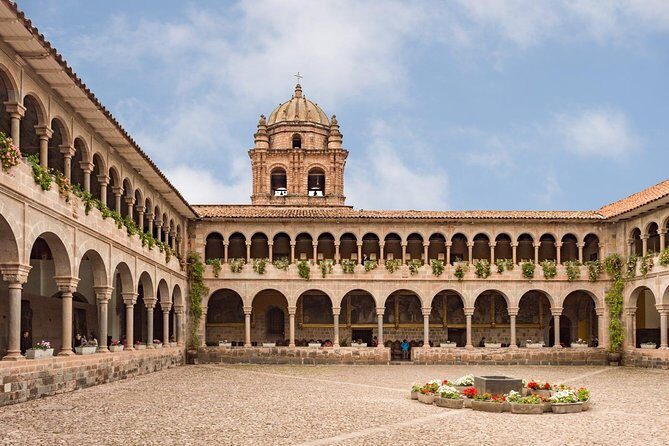
- Qorikancha + Templo del Sol gives you the Inca-and-Spanish layer right up front.
- Sacsayhuaman, Q’enqo, Puka Pukara, and Tambomachay cover the classic surrounding sites in one loop.
- Air-conditioned transport keeps the day moving without constant hill-struggles.
- Half-day morning or afternoon options help you build a sensible itinerary before heavier travel days.
Why this Cusco city tour is a smart use of time
Cusco can overwhelm you in the best way. But if you only have a short window, you need something that gives structure. This tour does that: you get guided sightseeing across the city’s most important historic anchors without needing to plan a route, figure out logistics, or decode everything alone.
It’s also priced for real value. At $11.70 per person for roughly 4 to 5 hours, you’re paying for the guide and the ride, not a luxury experience. The big “cost variable” is entrances, which are not included. Still, if you were going to do a Cusco orientation day anyway, this is one of the more practical ways to pack in key stops.
And the rating is strong: 4.7 out of 5, with 91% recommending the tour. That usually points to the same thing people want from a city tour: good pacing, clear explanations, and not feeling lost.
You can also read our reviews of more city tours in Cusco
Plaza de Armas: your easy kickoff at altitude
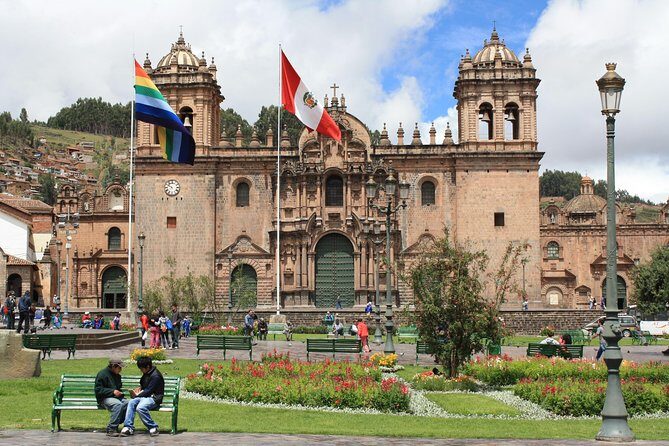
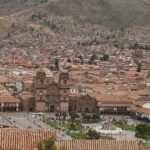
The tour starts at Plaza de Armas de Cusco (Del Medio 123, Cusco 08000). That’s a smart choice because you begin right where many visitors already are, so you’re not hunting across town when you’re still adjusting to height.
Expect a quick introduction to the main square—an easy way to orient yourself before the bigger archaeological stops. This is also a good moment to settle your baseline: once you’re standing in the plaza, you’ll understand why people use Cusco as a base for the rest of the Sacred Valley.
Practical tip: if you’re sensitive to altitude, start slow. Even a short walk and standing around in the plaza can feel like work your first day. The good news is the tour moves you along soon after.
Qorikancha and the Templo del Sol: where Inca and Spanish meet
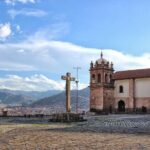
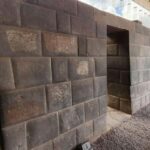
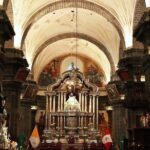
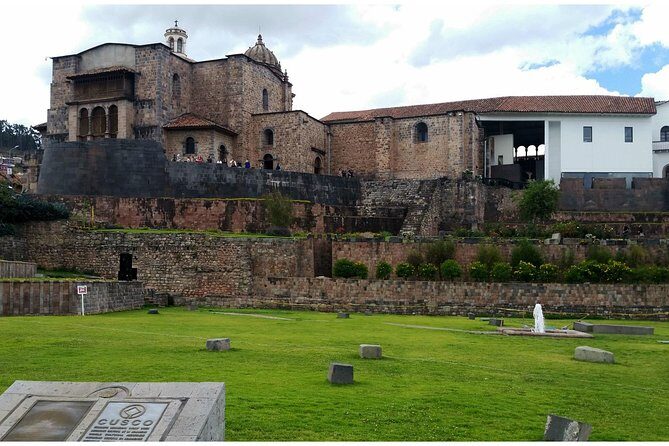
After the plaza, you head to Qorikancha, described as both a museum area and an archaeological site, with the templo del sol referenced in the tour plan. This stop is where the tour’s “Inca + Spanish influence” theme becomes real, because Qorikancha is one of those Cusco locations that people connect to the Sun/solar symbolism and later layers of rule and reuse.
What I like about putting this first (or near first, depending on your departure) is that it gives you a storyline. You don’t just see ruins. You’re learning how Cusco’s power centers shifted over time—and why that matters when you look at the other sites on the route.
Time on-site is about 45 minutes. That’s long enough to hear explanations and take a few photos without feeling rushed the entire time.
Entrance note: site access isn’t included, so plan for ticket time and payment before you get annoyed at the counter. If you arrive with cash ready, the day stays smooth.
Sacsayhuaman: the big stone stop with big viewpoints
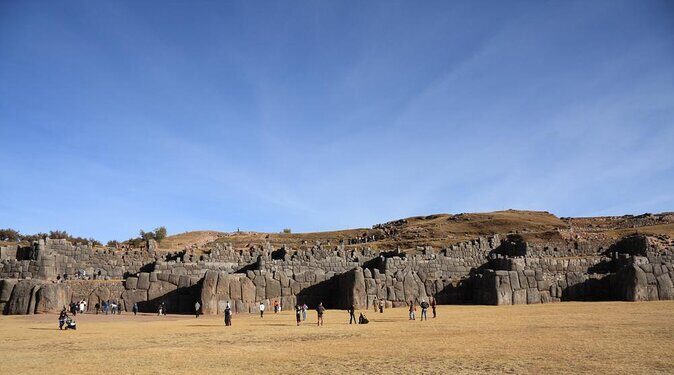
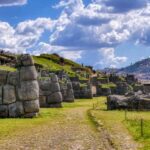
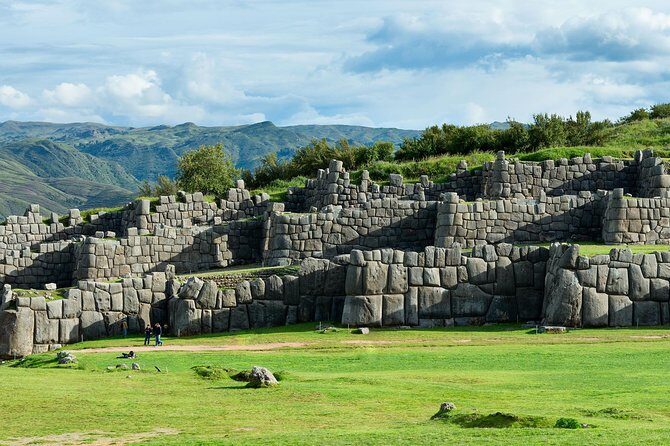
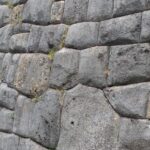
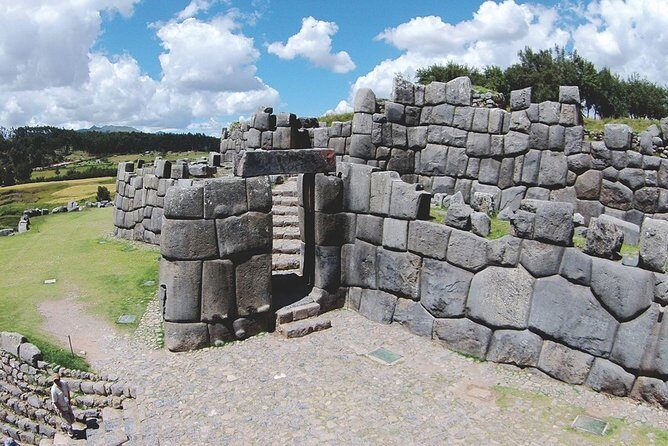
Next up is Sacsayhuaman, another archaeological site with around 45 minutes on the schedule. This is one of those places where you’ll quickly understand why it’s a “must” for Cusco orientation: it’s visually commanding, and it sits in a way that helps you grasp the geography around the city.
If you like history that you can actually see, this stop usually delivers. The guide’s job here is to translate the stones into meaning—why the site was important, what you should look for, and how it connects back to the bigger Inca story the tour is building.
Language note: most of the time you’ll get both English and Spanish from the guide. Still, based on past experiences shared by different groups, clarity can vary by guide and departure. If English is critical for you, I suggest choosing the departure time when you’re least rushed, and arriving early so you’re not trying to catch up while everyone is moving.
Q’enqo and Puka Pukara: the “smaller” stops that add meaning
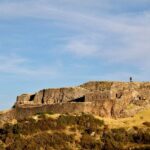
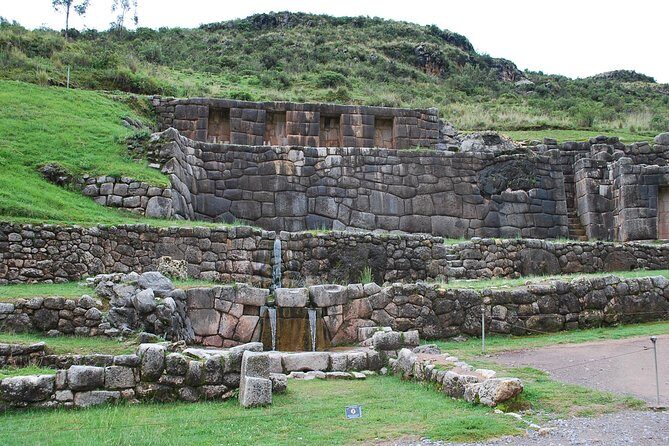
Then the pace shifts a little. You’ll visit Q’enqo (about 30 minutes) and Puka Pukara (about 30 minutes). These are shorter stops, which is good news if you’re tired or you’ve only just arrived.
What makes these stops useful in a guided format is that they give contrast. After a larger site like Sacsayhuaman, Q’enqo and Puka Pukara are the places where the guide can connect details to broader explanations: what the site was used for, why it’s positioned the way it is, and how it fits into the overall Inca-influence narrative.
If you’re taking the tour as an acclimatization day, this is also a comfortable rhythm. You get a little walking, some stairs, and then you’re back on transport. That “on-off” structure matters when the altitude is still playing games with your breathing.
Entrance note again: these sites typically require separate payment because entrance tickets aren’t included.
You can also read our reviews of more museum experiences in Cusco
Tambomachay: the water temple stop
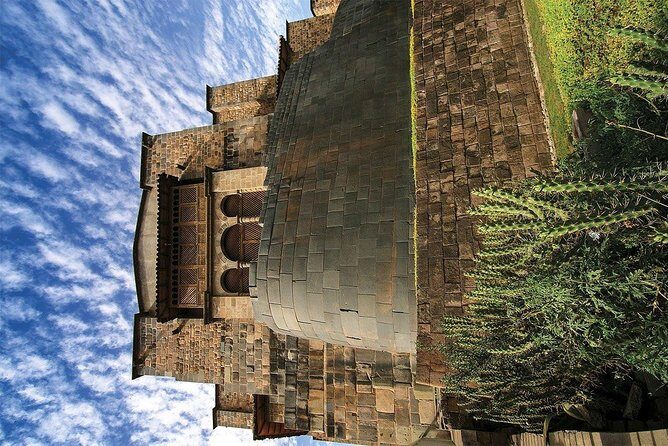
The final archaeological stop is Tambomachay, described as a water temple, with about 30 minutes allotted. This is a nice capstone because water-related sites change the feel of what you’re learning. Instead of only thinking about fortresses or ceremonial stones, the tour gives you a different angle on how ancient Cusco may have treated resources like springs and water flow.
You’ll likely hear an explanation of significance tied to the tour’s main theme—learning the influence on Cusco and how the different sites relate to the bigger picture. Even if you’re not a “ruins expert,” this stop can help you build a mental map of what each area adds to the whole.
The tour style: mostly bus, with timed site walks
This tour is best thought of as a guided circuit. You’re not trekking for hours. You’re riding between stops in an air-conditioned vehicle, then spending focused time at each location.
The pace is practical:
- short structured moments at each site
- transport that keeps you moving
- enough time to understand what you’re seeing without turning the day into a marathon
That structure is one of the reasons this tour works well for people who want to get oriented before heavier sightseeing later. It also tends to fit nicely between big travel days, when you want history but not another full-day grind.
One more reality check: in a group setting, finding everyone can sometimes take a minute. To keep your day smooth, be at the meeting point a few minutes early and stay aware of the guide’s instructions when you’re transferring between bus and sites.
Budget reality: $11.70 is the guide price, not the full tour cost
Let’s talk money like adults.
The base price is $11.70 per person, and that covers the bilingual guide, air-conditioned vehicle, and the tour information. Entrance tickets are not included, so you should budget extra.
A common practical tip is to expect to pay for a partial set of sites around 70 soles for foreigners, with some people choosing to budget more—around 130 soles—if they’re planning to add additional Cusco-region areas like the Sacred Valley later. Since your tour route concentrates on specific archaeological stops, your exact totals can vary depending on how tickets are sold and what’s required on the day.
My advice: before your tour day, check what ticket type covers the stops you’ll see. Then carry a little extra cash so you don’t lose time negotiating payment at each entrance.
What to look for in a great guide on this route
The tour lives or dies by the guide’s clarity. And the good news is you’ll often get strong guides who know how to tell a story, not just list facts.
Some guide names that have come up with standout experiences include Luis/Lucho, Edwin, Regina, and Pavel. When a guide is on form, you’ll notice it immediately:
- explanations connect the sites together
- you get time for questions
- the schedule stays on track
- the group feels cared for during transfers
If you’re worried about language clarity, keep expectations realistic: you’re in a bilingual format (English and Spanish), and the guide quality matters. Arriving calm, listening closely, and asking at the stops where you care most helps.
Who this Cusco city tour fits best
This tour is a good fit if you want:
- a half-day overview of Cusco’s Inca and Spanish influence
- a guided route through key nearby archaeological sites
- a manageable day that doesn’t require hours of self-planning
It’s especially useful if you’re planning a bigger journey afterward (like building up to Machu Picchu). You get a foundation day that makes later ruins make more sense, because you’ve already learned the basics of how Cusco’s historic centers fit together.
It may be less ideal if you hate group schedules, because you’ll follow set times at each stop and move as a unit. Also, if you’re very particular about deep academic detail, you might find this is an orientation-level day rather than a specialist lecture series. The upside is that it’s paced to keep you moving.
Timing: morning vs afternoon
You can choose a morning or afternoon departure. That choice is more important than it sounds.
- Morning tours tend to work well if you want fresh energy and fewer crowds.
- Afternoon tours can be better if you’re still catching up on sleep after arrival or if you want a slower start.
Either way, plan entrances and keep your phone charged. Cusco rewards attention to small details, and you’ll want photos you can actually label afterward.
What to bring (so you don’t waste time)
Nothing fancy needed, but do pack for “in-out” sightseeing:
- a light layer (Cusco weather can change)
- water
- sun protection
- comfortable shoes for stairs and uneven ground
- cash or card for entrances (since they’re not included)
- a charged phone or camera for photos around Plaza de Armas and the archaeological sites
This tour involves walking and climbing at multiple points, and it can be a reminder that Cusco altitude is real. The best move is to keep your pace easy and let the guide’s timing do the heavy lifting.
Should you book the Cusco city tour with Chullos Travel Peru?
I’d book it if you want a structured half-day in Cusco that covers the key sites around town with a bilingual guide and transport, especially at a value price like $11.70.
I’d pause before booking if:
- you don’t want to handle entrance tickets and want everything included
- you’re extremely sensitive to language nuances and need perfect English throughout
- you dislike group logistics and tight timing
If you want an efficient start—one that helps you understand what you’ll see next—this is a strong option. It’s built for people who want to get their bearings fast and come away with a real sense of how Cusco’s Inca roots and later Spanish influence show up in the places you visit.
FAQ
How long is the Cusco city tour?
The tour lasts about 4 to 5 hours.
How much does it cost?
It costs $11.70 per person.
Is there a morning or afternoon option?
Yes, you can choose a morning or an afternoon tour.
Where do you meet for the tour?
You meet at Plaza de Armas de Cusco, Del Medio 123, Cusco 08000, Peru.
Does the tour end back at the meeting point?
Yes, it ends back at the meeting point.
What’s included in the price?
The tour includes a professional bilingual guide, an air-conditioned vehicle, and all information.
Are entrance tickets included?
No, entrance tickets are not included.
How many people are in the group?
The tour has a maximum of 15 travelers.
Is the tour suitable for most people?
The tour notes that most travelers can participate.
What is the cancellation policy?
You can cancel for a full refund if you cancel at least 24 hours before the experience start time. Cancellation within 24 hours isn’t refunded.