REVIEW · CUSCO
City Tour Cusco and the 4 Archaeological Sites
Book on Viator →Operated by Green Peru Adventures · Bookable on Viator
Cusco hits fast on this half-day ride. You start at Plaza de Armas, then stack colonial churches with Inca-built sites across four ruins in about 5 hours, plus you get an English-speaking guide to connect Spanish and Inca influences as you go. The only real drawback is budgeting for entry tickets, since the cathedral, Koricancha, and the archaeological sites are not included in the $25 price.
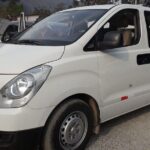
This is a shared bus tour (usually 12 to 20 people), running roughly from the 1:15 pm pickup window to about 6:00–7:00 pm back in Cusco. The smart touch: you get a mobile ticket and even a local cellphone, and the company lists 24-hour support if something goes sideways.
In This Review
- Key things to know before you go
- Why this Cusco City + Four Ruins combo makes sense
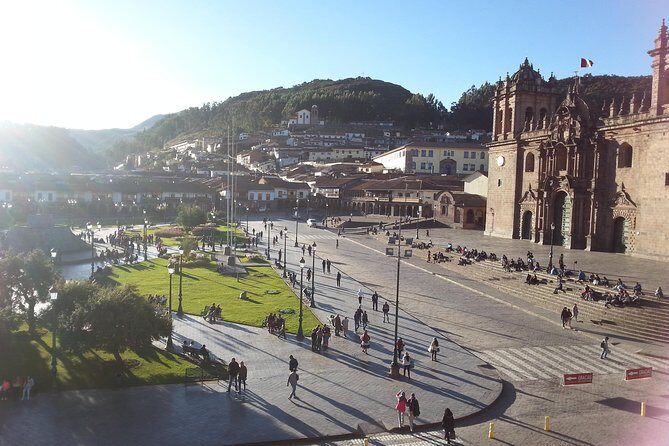
- Meeting point and timing: 1:15 pm pickup and a 1:30 pm start at Plaza de Armas
- Cusco Cathedral: colonial art and the Cusqueña school
- Koricancha and Santo Domingo: where Inca walls meet Christian worship
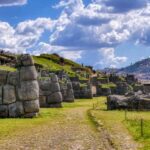
- Saqsayhuaman: the Inca fortress built with massive stone blocks
- Qenqo underground temple: labyrinth carvings and a mother earth focus
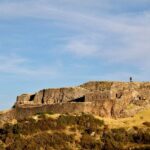
- Puka Pucara: a small fortress with a military-control purpose
- Tambomachay water temple: fertility, longevity, and worship
- Price and tickets: what $25 covers and what you should plan for
- Guide, bus comfort, and the small things that make the day easier
- What to pack and how to pace yourself
- Who should book this Cusco bus tour (and who might want a different style)
- Should you book this Cusco City + 4 Archaeological Sites tour?
- FAQ
- How long is the Cusco City Tour and the 4 Archaeological Sites?
- What does the $25 price include?
- Are entrance tickets included?
- Is hotel pickup and drop-off included?
- Is the tour offered in English?
- What information do I need to book?
Key things to know before you go
- Four big Cusco ruins in one afternoon: Saqsayhuaman, Qenqo, Puka Pucara, and Tambomachay, plus stops in town.
- Entry tickets are on you: cathedral and Koricancha cost extra, and the ruins usually require a Cusco Tourist Ticket or a partial ticket.
- Shared comfort, not a cramped sprint: the bus is for 12–20 people, so you spend time seeing, not wrestling for space.
- Inca–Spanish fusion is the storyline: Koricancha and Santo Domingo are the clearest example of this blend.
- English guide + real support: the tour is offered in English, and the operator provides 24-hour support.
- Organized pacing beats guessing: you’re guided from the Plaza de Armas to each site with set timing.
Why this Cusco City + Four Ruins combo makes sense
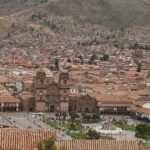
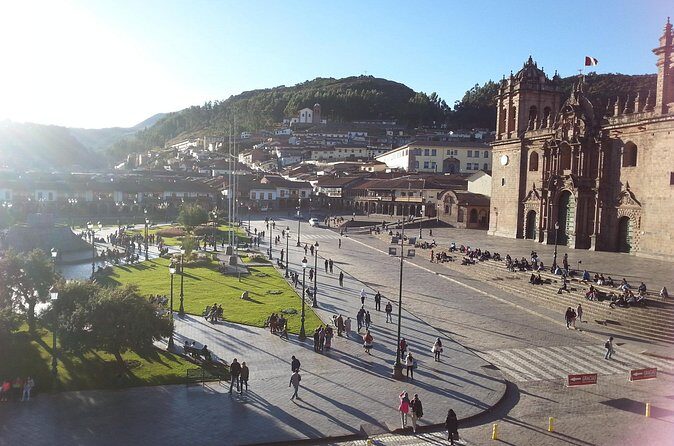
If it’s your first time in Cusco, this format is a good way to get your bearings fast. You see the colonial center (Cusco Cathedral), then shift into Inca engineering at the Golden Palace area and the major fortress/temple sites around town.
What I like is that it’s not just “look at rocks.” The route is designed to show a theme: Spanish Catholic architecture sitting on top of older Inca spaces, and Inca ceremonial sites shaped for worship and control. That’s why the mix feels cohesive, even though you’re hopping between very different kinds of places.
There’s also a practical side: a half-day by bus keeps your afternoon from turning into a long, exhausting logistics project. You do still walk some, but it’s timed, not random.
You can also read our reviews of more city tours in Cusco
Meeting point and timing: 1:15 pm pickup and a 1:30 pm start at Plaza de Armas
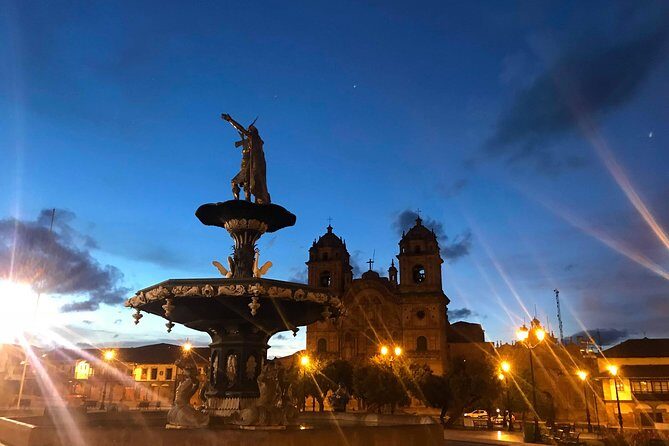
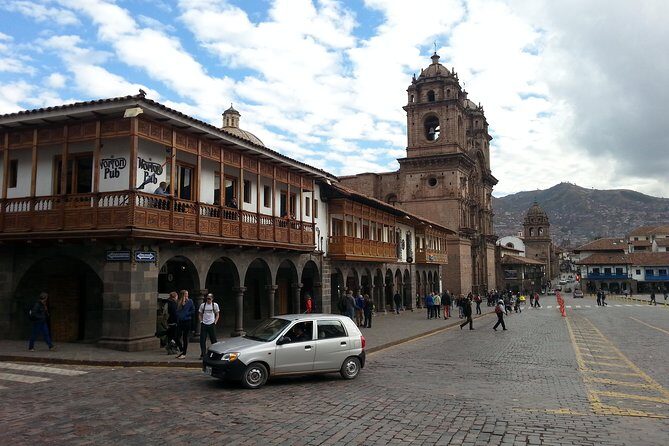
You’re picked up around 1:15 pm, and you meet your group at the Plaza de Armas at about 1:30 pm. The tour ends back at the meeting point around 6:00 pm to 7:00 pm (it can slide a bit), so it’s a solid option if you want your evening free.
Pickup is not the classic door-to-door setup. The details say pickup is from hotels or accommodations in the Cusco City Center, by walking distance from the Main Square. So I’d plan to be close enough that a short walk is realistic, especially if you’re staying slightly outside the tight center.
One more detail that helps: the meeting point is easy to find (near public transportation), and the tour provides a mobile ticket. In a city where meeting points matter, that alone can save stress.
Cusco Cathedral: colonial art and the Cusqueña school
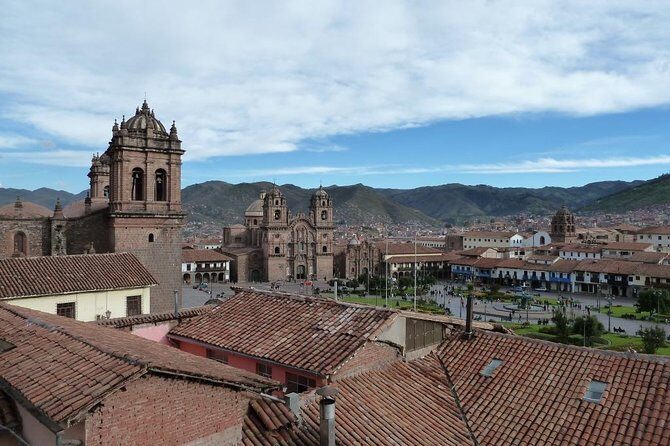
After you start at the Plaza de Armas, the first big stop is the main cathedral of Cusco. You’re there for the colonial architecture, but what really matters for first-timers is the art. The route highlights paintings connected to the Cusqueña school, known for religious iconography painted by Cuscqueños.
This is the kind of stop that can be quick or rewarding depending on your pace. Since there’s a guide, you’re not left wondering what to notice. Look for how the religious imagery fits the Spanish setting, then keep it in mind as you move toward the Inca-linked sites later.
Note: cathedral entry tickets are not included, so you’ll want to budget for this stop separately.
Koricancha and Santo Domingo: where Inca walls meet Christian worship
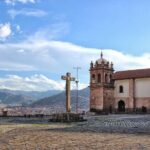
Next up is Qoricancha (Koricancha), the Golden Palace, plus the Santo Domingo convent. This is one of those places where the “what am I looking at?” question turns into “oh, that’s the point.”
The tour frames it as a fusion of Inca and Christian culture. That’s not just a slogan. It’s visible in how the sacred Inca space was reused and reshaped under Spanish rule. Even if you don’t read every wall, the contrast in setting and design makes the historical transition feel tangible.
If you like architecture, you’ll probably enjoy this stop most because it’s both meaningful and visually clear. The guide’s explanations help you connect the physical remains to the bigger story of Cusco as a crossroads city.
Entry to Qoricancha is not included, so plan for that extra cost.
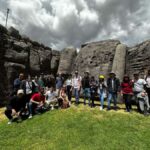
Saqsayhuaman: the Inca fortress built with massive stone blocks
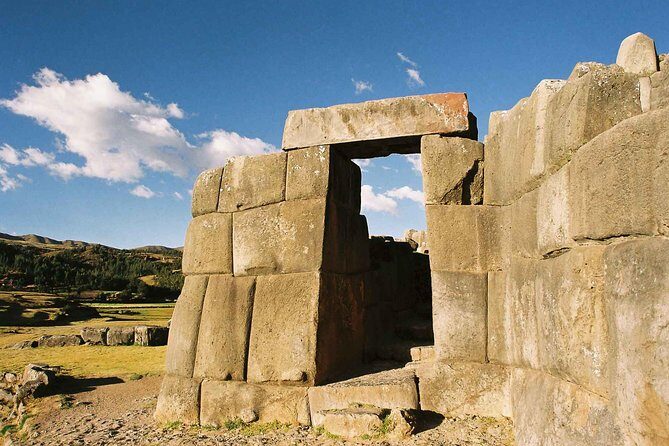
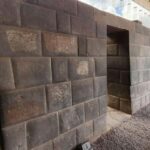
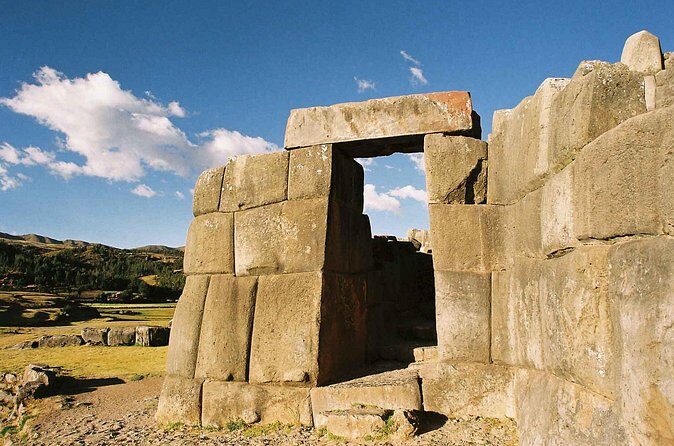
From town, the bus ride takes you to the Inca fortress of Saqsayhuaman. The key detail here is the construction: some of the stones used for the walls weigh more than 300 tons.
That weight detail isn’t trivia. It changes how you look at the site. You start asking the right questions: how did they move these stones, how did they fit them, and why did Inca builders use this kind of heavy, precise engineering for a fortress that was meant to matter.
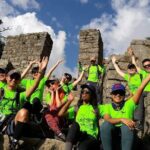
This is also a good stop for photos, but don’t get locked into pictures only. If you take a minute to read what the guide points out—wall layout, how sections relate—you’ll understand more than you would from visuals alone.
The ruins entry fee is covered only if you buy the right tourist ticket (more on that below).


Qenqo underground temple: labyrinth carvings and a mother earth focus
After Saqsayhuaman, you head to Quenqo, described as an underground temple and often connected with a labyrinth feel. The highlight is rock carvings and tunnels carved into solid rock.
The tour ties this site to worship of mother earth, which is a helpful interpretive lens. When a guide puts ceremonial intent into context like that, it’s easier to understand why the space is shaped the way it is, even if you’re not a history nerd.
Plan on a bit of uneven ground and a bit of walking time, since this isn’t a polished indoor museum. But it’s exactly the kind of site that feels “Inca-made,” not just “Inca-looking.”
Puka Pucara: a small fortress with a military-control purpose
Next comes Puka Pucara (red fortress), presented as a small fortress used as a military control entrance gate to Cusco. It’s not the biggest site on the route, and that’s part of its value.
When you hit major places like Saqsayhuaman, it’s easy to think everything was about grand spectacle. Puka Pucara shifts the focus toward security, control, and movement—how a city protects itself and manages access.
The itinerary notes a short walk to reach the area from the viewing point. Keep your eyes open for how the site relates to surrounding views; the “control entrance gate” concept works best when you can see the context.
Tambomachay water temple: fertility, longevity, and worship
Your final archaeological stop is Tambomachay, described as a water temple connected to worship of water, fertility, and longevity. This is a nice closing chapter after Qenqo and Puka Pucara because the theme changes from control and earth to water and life.
Again, the guide’s job matters here. If you just wander through, it can feel like “more ruins.” With the thematic explanation, the shapes and water-related elements start to feel purposeful.
After Tambomachay, you ride back to Cusco. The tour notes an option to ask your guide to stop at souvenir shops on the way back, which can be handy if you want to pick up small items without squeezing in extra time.
Price and tickets: what $25 covers and what you should plan for
The tour price is $25.00 per person, half-day bus tour style. But the real value question is what’s included vs what you still pay on-site.
Included:
- Tourist bus (shared group of about 12 to 20)
- Excellent English-speaking tour guide
- Local cellphone
- 24-hour support
- Main cathedral stop
- Qoricancha and Santo Domingo convent
- Four main archaeological sites: Saqsayhuaman, Qenqo, Puka Pucara, Tambomachay
- Taxes and fees
Not included (the part that changes the budget):
- Cathedral entry: 25 Soles
- Qoricancha entry: 10 Soles
- Archaeological site entries, generally via a Cusco Tourist Ticket (listed as 130 Soles approx. / US$49), with a student half price option if you have a valid student card
- Alternative: a one-day partial ticket that covers just the Cusco sites (Saqsayhuaman, Qenqo, Puka Pucara, Tambomachay) if you are not planning other Sacred Valley ruins
So is $25 a bargain? For the guided bus and the set routing, yes. But don’t let the sticker price fool you. Your final spend depends on which ticket you buy for the ruins. If you’re likely to visit other places in the Cusco ruins circuit or museums, the general tourist ticket can be the best deal. If you’re only doing these four archaeological stops and you’re skipping the rest, the partial one-day ticket can keep costs tighter.
My practical advice: before you go, decide whether you want to add extra Cusco museums/ruins later. Then choose the ticket accordingly, so you’re not buying options twice.
Guide, bus comfort, and the small things that make the day easier
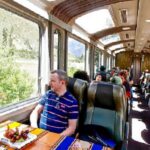
This tour is set up for an organized afternoon: the group is capped at 20 travelers, and it’s in English. That makes it easier to follow the story as the route changes from church art to Inca fortress engineering to underground carvings.
The company also provides a local cellphone plus 24-hour support from the company owner, which matters more than it sounds if you’re traveling with tight time limits. In the Cusco portion of their operations, the guide team has been described as punctual and easy to work with, and the driving side has been framed as safe and reliable. That’s the kind of less-glamorous competence that keeps a half-day tour from turning into a headache.
One more thing: your tour guide can help you with a small choice near the end, like stopping at souvenir shops on the way back. It’s a minor add-on, but it’s useful if you don’t want to spend your last evening hunting for open stores.
What to pack and how to pace yourself
Food and drinks are not included, so plan on handling your own snack breaks. If you get hungry, it’s better to know that ahead of time than to hope the bus timeline includes a meal stop.
Wear shoes that work on uneven ancient-stone surfaces. The itinerary includes some short walks (for example, at Puka Pucara), and you’ll want traction without thinking about it every second.
Finally, keep your expectations realistic: this is a half-day route. You’ll see a lot, but you won’t have hours to study every carved wall like you would on a slow private tour.
Who should book this Cusco bus tour (and who might want a different style)
This tour is a great fit if you:
- want a structured introduction to Cusco’s colonial core and major Inca sites
- like getting historical context from an English-speaking guide
- prefer a group bus plan over figuring out transportation between ruins
You might want something else if you:
- want a deeply slow, stop-by-stop archaeological experience with tons of free time
- already plan to spend multiple full days just on ruins and museums, where a half-day might feel rushed
If you’re building a longer trip in Peru with multiple tours, this kind of organized Cusco afternoon can be an efficient foundation day. It sets your mental map before you go further.
Should you book this Cusco City + 4 Archaeological Sites tour?
I’d book it when your goal is clear: see the top Cusco highlights fast, with a guide who ties the sites together as Spanish and Inca overlap in the same city. The $25 base price is sensible for the bus routing and the English commentary, but go in with a ticket budget so you’re not surprised at the gates.
Pick it especially if it’s your first Cusco day and you want both the city atmosphere and the major ruins around Cusco in one afternoon.
FAQ
How long is the Cusco City Tour and the 4 Archaeological Sites?
The tour lasts about 5 hours.
What does the $25 price include?
It includes a shared tourist bus, an English-speaking tour guide, a mobile ticket, a local cellphone, 24-hour support, visits to the cathedral area, Koricancha and Santo Domingo, and visits to the four main archaeological sites, along with all taxes and fees.
Are entrance tickets included?
No. Entrance tickets for the cathedral (25 Soles) and Qoricancha (10 Soles) are not included, and archaeological site entry typically requires a Cusco Tourist Ticket (around 130 Soles) or a one-day partial ticket for the Cusco sites only.
Is hotel pickup and drop-off included?
Hotel pickup and drop-off are not listed as included. Pickup is described as being from hotels or accommodations in the Cusco City Center by walking distance from the Main Square, and the tour ends back at the meeting point.
Is the tour offered in English?
Yes. The tour is offered in English.
What information do I need to book?
You need the participant’s passport name, number, expiry date, and country at the time of booking.