REVIEW · CUSCO
Cusco City Tour with Sacsayhuaman & Inca Sites – Small Group
Book on Viator →Operated by TreXperience · Bookable on Viator
Cusco can feel like a beautiful maze. This small-group tour gives you a clear route through the city’s Inca and colonial highlights, then pushes out to the big views at Sacsayhuaman. I also like that you get an expert guide to connect the dots between stones, ceremonies, and Spanish overlay at Coricancha.
Two more things I’d bet on: you get easy pacing (30 minutes per main stop) and you won’t spend your time figuring out tickets or where to go next. One catch to plan around: the schedule is tight, and the Cathedral visit isn’t included, so if you want lots of time inside, you’ll need to do that on your own.
TreXperience keeps the group to a maximum of 16. In other TreXperience tours I’ve seen guides like Katia, Jennifer, Leo, Frank, and Roger praised for making Inca history click with clear explanations and smart question-answering. You’ll feel that same “guide-led” advantage here, especially when the sites start to look similar at first glance.
In This Review
- Quick hits you should know
- Why this Cusco highlights tour feels efficient (without feeling rushed)
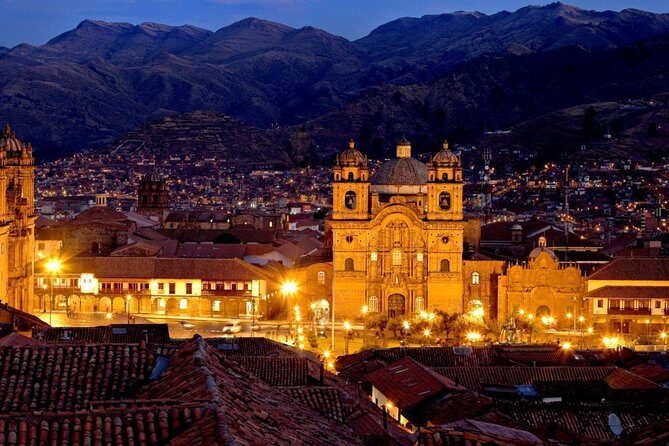
- Plaza de Armas: your orientation checkpoint in Cusco
- Coricancha: Inca gold legends meet a Spanish convent
- Sacsayhuaman: giant zigzag walls and Cusco’s best “wow” factor
- Q’enqo: carved rock, channels, and ritual theories
- Puka Pukara: the Red Fortress and a strategic road stop
- Tambomachay: calm water fountains and Inca respect for nature
- Price and what you’re really paying for at $98
- Timing and the vehicle legs: how the day actually moves
- The guide factor: why this tour works even when the sites look similar
- Who should book this Cusco city tour
- FAQ
- FAQ
- What time does the tour start, and how long is it?
- Where do I meet the guide?
- Which major sites are included on the route?
- Is Coricancha admission included?
- What ticket do I need?
- Can I get a full refund if I cancel?
- Should you book this Cusco tour?
Quick hits you should know
- Small group (max 16) keeps this from turning into a stampede at the viewpoints
- Coricancha entry included, so you can focus on the story instead of ticket math
- Circuit I partial ticket included for Sacsayhuaman, Qenqo, Puka Pucara, and Tambomachay
- Plaza de Armas orientation first, so Cusco’s layout starts making sense fast
- Morning or afternoon departure options, including a 1:00 pm start for the itinerary described
- Moderate fitness needed, since you’ll walk on uneven stone at multiple stops
Why this Cusco highlights tour feels efficient (without feeling rushed)
If you’re in Cusco for a short window, this kind of route is gold. You start in the center, learn how the city’s main square connects to the Inca ceremonial core, then you move outward to the fortress-and-temple cluster that most people picture when they think of Cusco’s Inca era.
The small-group size matters. At sites like Sacsayhuaman, a big group can mean constant regrouping and lost time. Here, the cap of 16 keeps the logistics smoother, and your guide can actually point things out instead of just herding everyone along.
I also like the value structure. At $98 per person for about 4–5 hours, you’re not just buying “transport to a few ruins.” You’re getting hotel pickup and drop-off from the Cusco Historic Center, a professional guide, Coricancha admission, and a partial tourist ticket covering four major Inca sites.
The one drawback to keep in mind is time and scope. Each stop is about 30 minutes, so this is built for getting the essentials and moving on. If your goal is a long cathedral visit, or slow, independent wandering, you may wish you had more hours.
You can also read our reviews of more city tours in Cusco
Plaza de Armas: your orientation checkpoint in Cusco
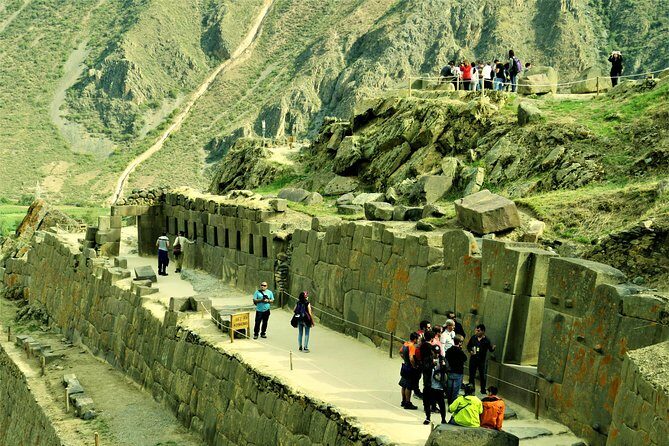
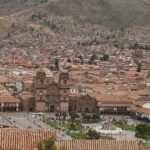
You begin at Plaza de Armas, right in the heart of Cusco. This is not just a scenic starting line. It’s where the guide sets the mental map.
Expect your guide to point out key colonial-and-Inca buildings around the square and explain how this area functioned as a central ceremonial hub during the Inca Empire. This matters because Cusco’s magic is the overlap: you’re standing in a city where Spanish construction often happened on top of older Inca foundations.
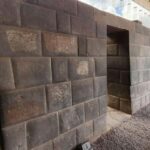
From the plaza, you’ll walk to the 12 Angled Stone—a famous block that fits perfectly into an ancient Inca wall. Then you continue along Loreto Street, known for classic Inca urban design with original stone walls on both sides. If you only do one “walk-and-learn” part of your Cusco trip, make it this one. You’ll come away noticing details you would otherwise miss.
This segment is about 30 minutes, and the admission is free for the parts listed.
Practical note: start mentally ready to look down as well as up. In Cusco, the best clues are in the stone joints and alignments.
Coricancha: Inca gold legends meet a Spanish convent
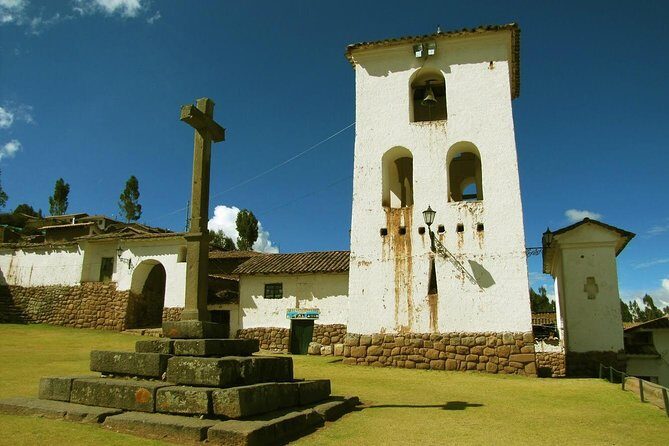
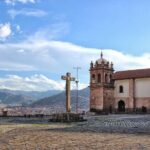
Next comes Coricancha, once the most important Inca temple dedicated to the Sun. This is one of those places where the building story becomes the whole experience.
You’ll see how the Spanish built the Santo Domingo convent on top of the original Inca foundations. The guide will help you compare the precision of the Inca stonework beneath with the colonial architecture above. That contrast is the point: it’s not only about ruins, it’s about layers of power and belief.
Coricancha also has a strong theme: ceremonies and astronomy. Your guide will explain that this was once a temple covered in gold and used for important rituals—so you’re not just looking at walls. You’re picturing how people watched the sky and worshipped the sun.
Time-wise, it’s another 30 minutes, and Coricancha admission is included.
The big benefit here is that you get context before the next stops. After Coricancha, Sacsayhuaman and the other sites start to feel less random.
Sacsayhuaman: giant zigzag walls and Cusco’s best “wow” factor
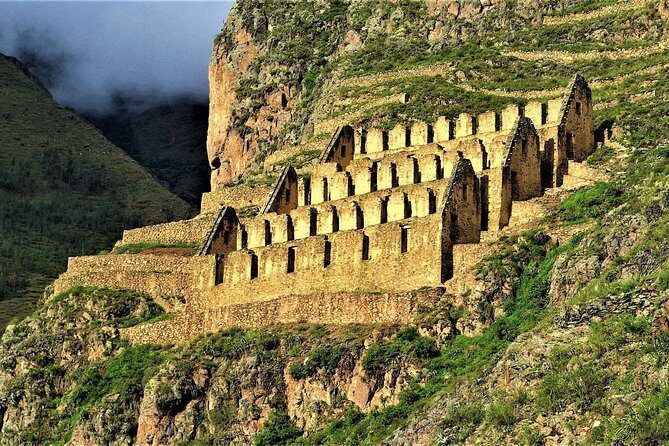
Then you ride by vehicle up to Sacsayhuaman, the major Inca site above Cusco. This is the stop most people picture in their head when they think of Inca engineering.
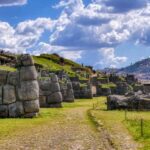
The headline is the zigzag stone walls. The blocks are fitted so tightly that you can’t slide even a piece of paper into the gaps (yes, really). As you walk through the site, your guide will share stories about battles and ceremonies, and how Sacsayhuaman still plays a role during Inti Raymi.
The other reason Sacsayhuaman is worth your time is the viewpoint. From here you get some of the best panoramic scenery over Cusco and the surrounding mountains. Even if you’ve seen photos, the scale lands differently in person.
This stop is listed for about 30 minutes and uses the included partial tourist ticket (Circuit I).
A small travel tip: bring your eyes for details. The stones are impressive, but the guide will also point out patterns and features you’d likely skip if you just chase the biggest photo angle.
Q’enqo: carved rock, channels, and ritual theories
After Sacsayhuaman, you head to Q’enqo. This is a different kind of Inca site—more carved, more mysterious, and less “fortress.”
You’ll explore areas carved almost entirely from rock, including winding passages, carved channels, and hidden altars. The name Q’enqo means “zigzag” in Quechua, and the guide will help you connect the name to what you see inside.
Just as important: Q’enqo invites interpretation. Your guide will explain different theories about how it may have been used, and what the spiritual meaning likely was. That “multiple theories” approach is actually part of the value. Inca sites weren’t built with museum labels, so the best tours help you handle uncertainty without turning it into guesswork.
This stop is also about 30 minutes, and admission is included under Circuit I.
If you’re the type who likes puzzles, you’ll enjoy Q’enqo. If you prefer clear-cut answers, the guide’s explanations will still give you a solid framework for what you’re seeing.




Puka Pukara: the Red Fortress and a strategic road stop
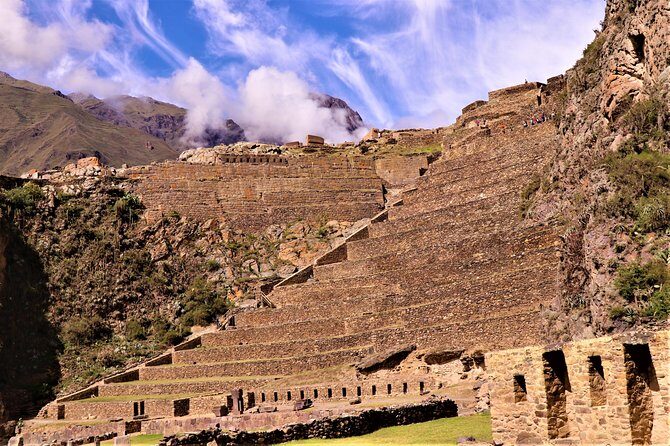
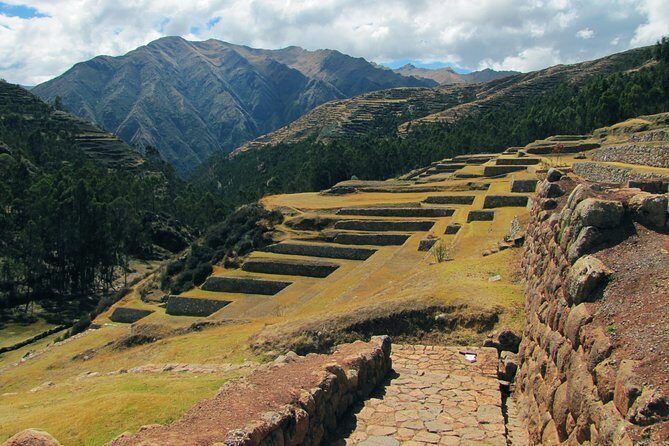
Next is Puka Pukara, meaning Red Fortress in Quechua. This site feels smaller than Sacsayhuaman, but the role is the point.
Your guide will explain how it likely functioned as a military checkpoint and resting place on the road route connecting Cusco with the Sacred Valley and even toward jungle pathways. From its terraces and stone walls, you get open views of the surrounding area, and you can imagine messengers and travelers moving through.
Look for how the site is arranged for function—walls, guard-post areas, and rooms—rather than treating it like a “big monument.” Even though it’s a relatively short stop, it adds a different flavor to your day: Inca life wasn’t only ceremonies and skyline forts. It was also logistics and communication.
This segment is about 30 minutes with free admission noted in the itinerary.
Tambomachay: calm water fountains and Inca respect for nature
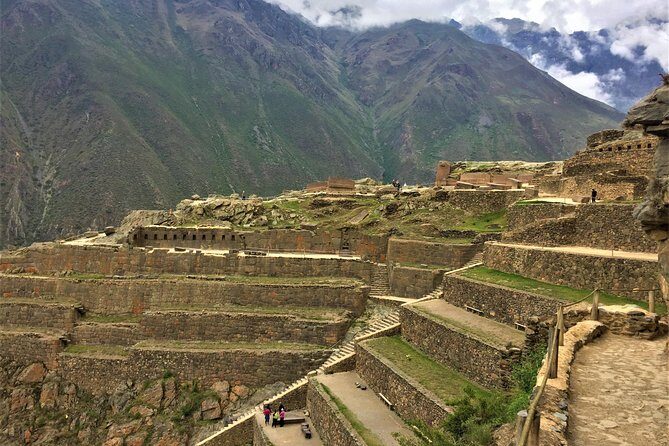
The last Inca site on the route is Tambomachay, known for its clear water fountains and elegant stonework. It’s often called the Inca Baths, and your guide will share the idea that it may have been a rest and worship space connected to water for Inca nobility.
What you’ll actually notice is the build quality. Tambomachay includes aqueducts and canals that carry water even after hundreds of years. So when people say Inca engineering was practical, this is a strong example.
Expect a calmer feel at this stop. It’s a good place to breathe a little after the big fortress vibes. You can take photos, pause, and really appreciate how the site respects its natural setting.
Tambomachay is about 30 minutes and included under Circuit I.
Price and what you’re really paying for at $98
At $98 per person for about 4–5 hours, the value comes from bundling what usually adds up separately:
- Pickup and drop-off from the Cusco Historic Center
- A professional guide doing the storytelling and navigation work
- Coricancha entrance included
- A partial Circuit I ticket included for Sacsayhuaman, Q’enqo, Puka Pukara, and Tambomachay
- You don’t have to plan the order yourself
For many visitors, the hidden cost isn’t money. It’s time and stress. Cusco sites are spread out, and getting the ticket coverage right can be annoying if you’re juggling altitude, short days, and a language gap. This tour removes that friction.
Is it the cheapest option? Maybe not. But it’s priced like a guided “hits tour” that trades long free-form wandering for smart coverage.
Timing and the vehicle legs: how the day actually moves
The tour described starts at 1:00 pm at Plaza de Armas and ends back at the same meeting point. You’ll do two things by design:
1) Walk in the city center for context (Plaza de Armas, then Loreto Street and the 12 Angled Stone).
2) Use vehicle transport to reach the bigger Inca sites up on the hills (like Sacsayhuaman), then hop between the next sites.
That’s helpful if you’re dealing with altitude. You still walk and explore at each location, but you’re not constantly climbing streets between ruins.
It’s also a moderate-fitness tour. If you’re okay with uneven stone and short walking sections repeatedly, you’ll be fine. If you’re not, you’ll want to plan for breaks and slower tempo.
The guide factor: why this tour works even when the sites look similar
In Cusco, it’s easy to see the sites and still feel like you didn’t learn much. A strong guide changes that. This tour leans hard on interpretation—how the Inca built, how the Spanish layered on top, and what ceremonies might have looked like.
In the names that pop up in other TreXperience Cusco days—Katia, Jennifer, Leo, Frank, Roger—the common thread is clear explanations and a calm, helpful approach. That kind of guide talent matters here, because you’re bouncing between Inca urban planning, a temple-on-top-of-a-temple, and fortress-and-ritual sites. Without context, they blur. With it, they click.
The best moment is usually Coricancha. Once you understand the “Inca base under Spanish walls” idea, you’ll start noticing overlaps across the entire day.
Who should book this Cusco city tour
This is a good fit if you:
- Want a guided Cusco orientation plus major Inca sites in one afternoon
- Like your history tied to visible details: stonework, alignments, and layout
- Prefer a structured plan when you’re short on time
- Value small groups (up to 16) over big-bus crowds
It’s probably not the best fit if you:
- Want a long, unhurried visit to the Cathedral inside (entrance isn’t included here)
- Need a very slow pace with extra downtime
- Are looking for lots of free time for independent wandering between stops
FAQ
FAQ
What time does the tour start, and how long is it?
The tour starts at 1:00 pm and lasts about 4 to 5 hours.
Where do I meet the guide?
You meet at Plaza de Armas, Cusco 08000, Peru.
Which major sites are included on the route?
You’ll visit Plaza de Armas, Coricancha, Sacsayhuaman, Q’enqo, Puka Pukara, and Tambomachay.
Is Coricancha admission included?
Yes. Coricancha entrance is included.
What ticket do I need?
This includes a Partial Tourist Ticket – Circuit I covering Sacsayhuaman, Q’enqo, Puka Pukara, and Tambomachay.
Can I get a full refund if I cancel?
Yes. You can cancel up to 24 hours in advance for a full refund.
Should you book this Cusco tour?
If you want Cusco’s top Inca landmarks plus the Inca-colonial mix in a single guided afternoon, I’d book it. The combination of small group size, Coricancha included, and the Circuit I ticket bundle makes this feel like a smart way to spend your limited time.
Just go in with the right expectations: this is a “see the essentials and understand them” tour, not a slow, hours-long cathedral-and-cafes day. If that matches your style, you’ll come away with a much clearer sense of how Cusco worked as a capital—and how the stones tell that story even after centuries of change.