REVIEW · CUSCO
Private Sacred Valley tour including Buffet Lunch
Book on Viator →Operated by Horseback Riding Cusco · Bookable on Viator
Sacred Valley in one smooth, guided day. This private itinerary is a practical way to hit the key sights without juggling schedules, and I like that the buffet lunch keeps the middle of the day easy. The main catch: entrance tickets for Pisac, Ollantaytambo, and Chinchero are not included, and it’s still a long 10-hour outing starting at 8:00 am.
I also like the way the tour is built around explanations, not just photo stops—your guide helps connect what you see (and what you hear) across the valley. A great sign is that the guide experience is often praised for detailed info and smart along-the-way recommendations, including guides like Patricia. If you dislike early mornings or you’re hoping for a super-short day, this one may feel like a full-day commitment.
In This Review
- Key highlights worth planning for
- Why a private Sacred Valley day feels easier from Cusco
- Awana Kancha: alpaca and llama farm education in 30 minutes
- Pisac archaeological site: Inca city plus the cemetery story
- Urubamba lunch timing: how to make 45 minutes count
- Ollantaytambo: fortress, last stand, and an “alive” town feel
- Chinchero: syncretism, terraces, and a textile lesson
- Timing, weather, and what to expect from a 10-hour plan
- Price and value: what $175 includes, and what costs extra
- Who this tour suits best
- Should you book this private Sacred Valley tour?
- FAQ
- What time does the tour start?
- How long is the private Sacred Valley tour?
- Is hotel pickup and drop-off included?
- Is the lunch included?
- Are entrance tickets included for every stop?
- What languages are the guides?
- Is this tour private?
- Is there a minimum number of travelers?
- What’s the cancellation policy?
Key highlights worth planning for
- Hotel pickup and drop-off in Cusco so you start and end with less hassle
- Awana Kancha alpaca and llama farm included, with a 30-minute stop for animal education
- Structured route across Pisac, Urubamba, Ollantaytambo, and Chinchero with set visit times
- Urubamba buffet lunch built into the timing, with your guide helping you choose where to eat
- Chinchero textile lesson and a stop that mixes Inca and colonial layers
- Private transportation and a dedicated bilingual guide (English and Spanish)
Why a private Sacred Valley day feels easier from Cusco
This is the kind of tour that makes sense when you want the Sacred Valley, but you don’t want the logistics headache. You’re picked up around 8:00 am, driven through the valley with your own driver and private transportation, and returned to Cusco around 18:00. That matters because Sacred Valley time adds up fast—first you’re managing getting out of Cusco, then you’re timing entrances, then you’re trying to fit lunch before the next stop.
The tour also leans into “guided, not rushed.” Each main location has a set window (for example, around 30–45 minutes at multiple stops). That’s a sweet spot for many people: enough time to take in the basics, ask questions, and get the context, without feeling like you’re trapped on a clock every second.
The other big value point is the guide’s role throughout the day. The route isn’t just a list of ruins—it’s framed so your guide can explain functions and importance as you move from place to place. In particular, people often highlight guides who give strong, practical recommendations along the way. If you’re the type who likes to understand what you’re looking at (and not just capture it), that’s a real plus.
You can also read our reviews of more private tours in Cusco

Awana Kancha: alpaca and llama farm education in 30 minutes
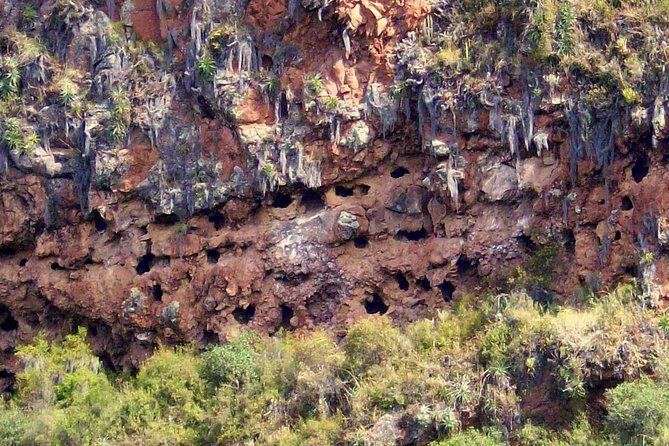
You’ll head out first, with a pass-by pickup around 8:00 am and an arrival around 8:40 am at Awana Kancha, an alpaca and llama farm on the Andes. This is a quieter, more hands-on stop than the archaeology sites. The goal here is to learn about the animals—how they fit into local life, their uses, and why they matter.
It’s also time-efficient. You get about 30 minutes here, and the admission ticket is included. That’s important for planning your day: it’s one less entrance line item you need to think about ahead of time.
What to expect in practice: you’ll likely focus on animal care and local working life, then connect that to why these animals became so central to Andean communities. Even if you’ve seen llamas before, this kind of farm visit is more about understanding roles and relationships than just taking pictures.
Possible drawback: because it’s short, you shouldn’t treat this as a deep-dive animal tour. If your dream is hours of hands-on experience, you may want a dedicated farm visit. But for most people on a full-day Sacred Valley route, it’s the perfect early warm-up.
Pisac archaeological site: Inca city plus the cemetery story
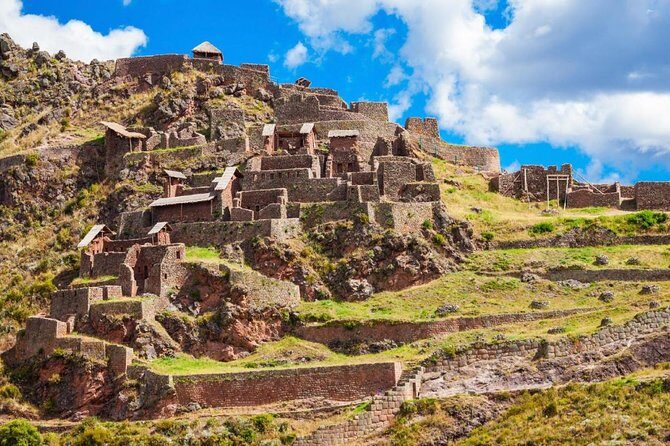
Next up is Pisac, arriving around 9:40 am for about 40 minutes. Pisac is a well-known Inca site, and this stop focuses on explanation: your guide walks you through the importance and function of the ancient city.
One thing I appreciate about having a guide here is that Pisac can look like lots of stone sections and terraces until someone connects the dots. With the right narration, the place starts to feel purposeful instead of just scenic. The tour’s framing includes discussion of Pisac as an Inca city and highlights that it contains what’s described as the largest cemetery known even today.
Important money note: Pisac’s entrance is not listed as included. The tour makes clear that you’ll need the Boleto Turístico (tourist ticket) for Pisac, Ollantaytambo, and Chinchero. So budget for that extra cost even though the time with your guide is included.
Practical tip for your own pacing: spend your energy on one or two “anchor viewpoints.” If you try to see everything in 40 minutes, you can end up rushing through the details that matter.
Urubamba lunch timing: how to make 45 minutes count
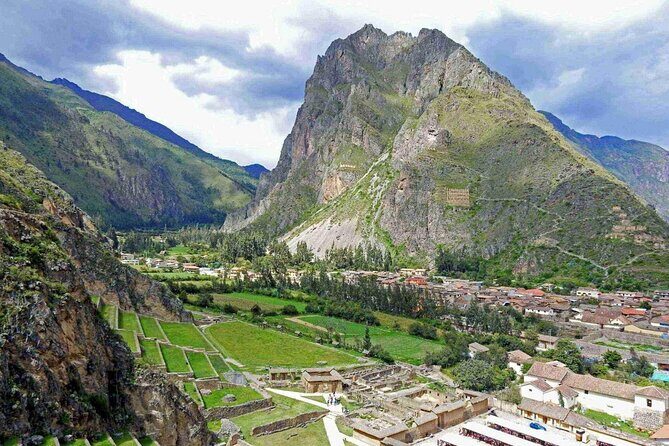
Around 12:00 you’ll reach Urubamba, described as the capital of the Sacred Valley. You get roughly 45 minutes for lunch in town, and your guide helps you choose the best option among different choices.
Even though the tour includes lunch as a buffet, the timing and the “choose a place” setup is useful. It means you’re not stuck eating wherever the group happens to end up. The guide can steer you toward something practical for the time you have—close by, easy to order, and set up for a quick reset before the afternoon sites.
Value-wise, this lunch stop is one of the smartest parts of the day. Long archaeology days can turn into hunger panic, especially when you’re waiting on entrances and transit. Here, the schedule gives you a dedicated break inside the plan, not an afterthought.
What you should keep in mind: 45 minutes is generous for lunch in a small stop, but it’s not an all-afternoon meal. If you like to take long, leisurely lunches, you may want to cut your time spent browsing menu options. Ask your guide for a quick recommendation and commit.
Ollantaytambo: fortress, last stand, and an “alive” town feel
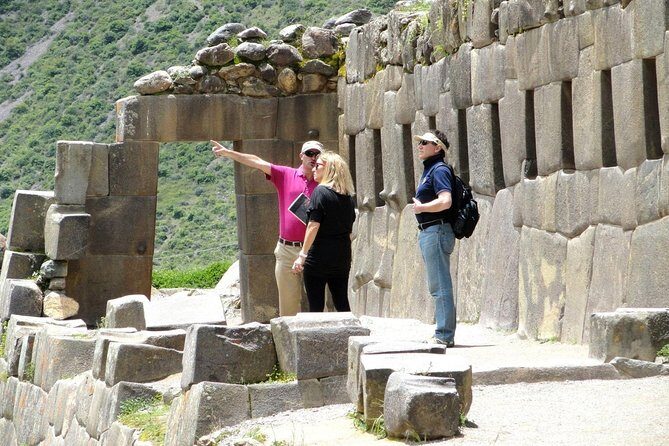
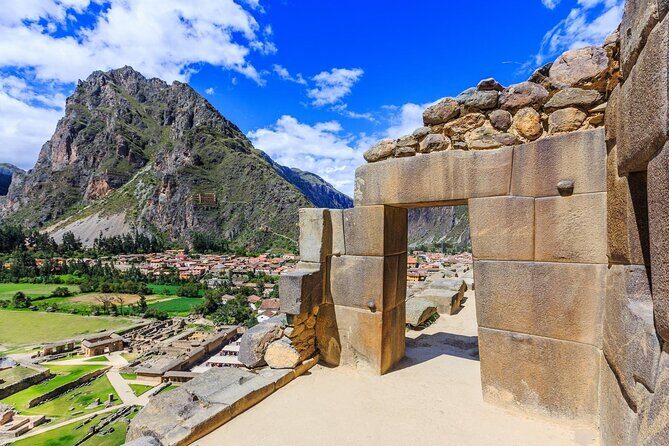
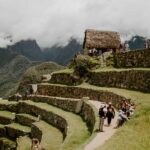
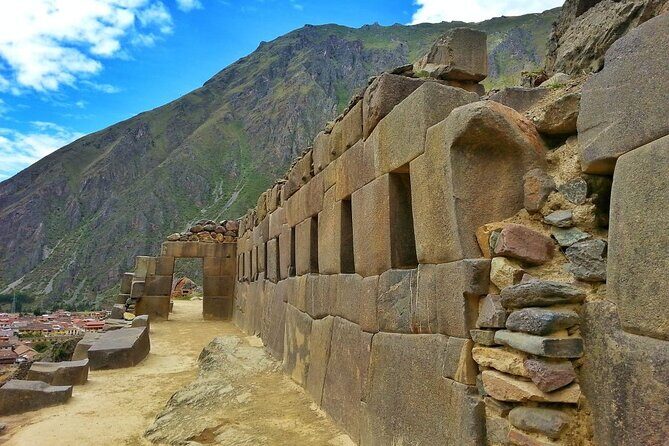
Arriving around 13:30, you’ll spend about 45 minutes at Ollantaytambo, described as one of the most important archaeological sites in the Sacred Valley. The tour frames this stop as more than ruins: you’ll also see an Inca town that still has people, streets, and typical dress—so the place doesn’t feel completely frozen in time.
A key highlight here is the Ollantaytambo fortress, tied to the idea of the Incas’ last battle against the Spanish. That story can shift how you interpret what you’re looking at. Instead of just thinking about architecture, you start seeing it as strategy: the setting, the defensive shape, and why this site mattered.
Another practical note: entrance here is also not included. You’ll need Boleto Turístico for Ollantaytambo.
How to get the most from your 45 minutes: focus on movement patterns. Fortress sites often reward a “look, then reposition” approach. With your guide’s explanation, you’ll understand why certain angles matter more than others.
You can also read our reviews of more tours and experiences in Cusco

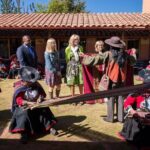
Chinchero: syncretism, terraces, and a textile lesson
Next, you head to Chinchero, arriving around 15:50 for about 30 minutes. This stop is designed as a compact cultural and historical hit.
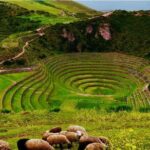
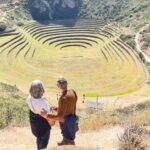
You’ll visit an area with an ancient Inca palace and amazing terraces, and the tour also notes a colonial temple above the Inca palace—an example of syncretism (how cultures layer over time). This is the kind of stop that makes the Sacred Valley feel less like a single era and more like a long conversation across centuries.
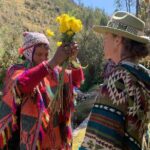
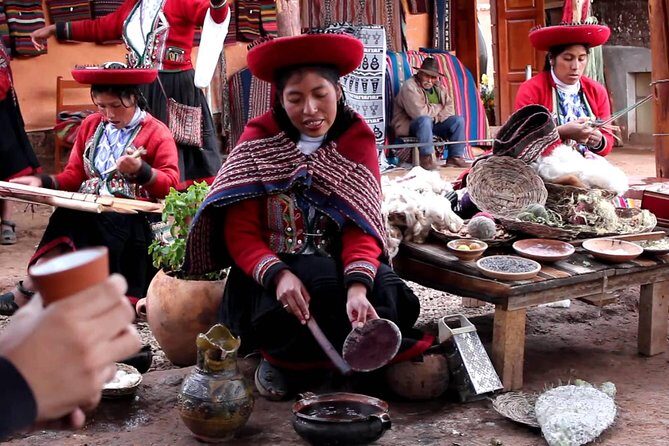
The other standout is hands-on culture through textiles. The tour includes time to learn more about textiles, with a lesson from local women. That’s one of the most practical “takeaways” from a day like this: you leave understanding what’s behind the craft, not just seeing it for sale.
Entrance again is not included for this stop. Chinchero falls under the sites requiring the Boleto Turístico.
Timing matters here. With only 30 minutes, plan to ask a couple of focused questions rather than trying to absorb every detail. If you’re buying textiles or souvenirs, consider doing it after the lesson, when you’ll better understand what you’re looking at and what questions to ask.
By the end of this route, you’ll return to Cusco around 18:00.
Timing, weather, and what to expect from a 10-hour plan
This is scheduled as a 10-hour outing (approx.), and the day is set into blocks: morning starts early, lunch is built in around noon, and you finish late afternoon. That matters because fatigue isn’t just mental; it’s also about how quickly you make decisions when you’re tired.
One important condition: the tour requires good weather. If weather is poor, you’re offered a different date or a full refund. In practice, weather affects visibility and comfort across outdoor ruins and roads, so don’t be surprised if plans tighten up on gloomy days.
Also, since you’re moving between stops, you’ll get the best experience by dressing in layers. Bring something you can adjust as temps shift between morning and late afternoon. And keep your phone charged enough for photos, because you’ll likely want to capture details at multiple sites.
Price and value: what $175 includes, and what costs extra
At $175 per person, this private Sacred Valley tour can feel like a bargain or a splurge, depending on what you compare it to. Here’s what you actually get in that price:
Included:
- Hotel pickup and drop-off
- A private English–Spanish speaking guide
- Private transportation and driver
- Buffet lunch
- Awana Kancha admission (included)
Not included:
- Entrance tickets for Pisac, Ollantaytambo, Chinchero via the Boleto Turístico
- Gratuities
- Souvenirs
That mix is the “value story.” You’re paying for convenience and explanation: the car, the dedicated guide time, and the lunch plan. The entrance fees are the one predictable extra cost tied to specific sites. So if you’re budgeting, don’t think of the $175 as the full day price—it’s the base package, with the Boleto Turístico added.
Is it worth it? Usually, yes—especially for couples, friends, or small groups who want a private pace and a guide who can interpret the places in plain language. If you’re traveling alone and you only care about getting into sites cheaply, you might prefer another option. But if you want structure and fewer coordination problems, this private setup is a strong fit.
Who this tour suits best
This plan works especially well if you:
- want a private full-day route with hotel pickup
- prefer guided explanations at multiple sites
- like a lunch stop that’s scheduled (not a guessing game)
- enjoy culture stops like the Chinchero textile lesson, not just ruins
It also helps that the tour requires a minimum of 2 people per booking, so it can be a good choice when you’re traveling with a companion and want to split the cost.
If you’re the type who gets impatient with “wandering,” the set timing is helpful. If you’re the type who loves long, unstructured exploring, the fixed stop durations may feel a bit tight.
Should you book this private Sacred Valley tour?
I’d book it if you want a guided Sacred Valley day that’s organized, private, and includes lunch—while still giving you room to understand what you’re seeing at Pisac, Ollantaytambo, and Chinchero. The included Awana Kancha stop is a nice early change of pace, and the textile lesson adds a cultural depth that many ruin-only days skip.
I’d hesitate if you know you don’t want to pay extra for entrance tickets, or if a 10-hour day starting at 8:00 am sounds like too much. Also consider that weather can affect the day, so build flexibility into your schedule.
If you want a solid plan you can trust—car, guide, lunch, and a clear route—this is one of the more sensible ways to do the Sacred Valley in a single day.
FAQ
What time does the tour start?
Pickup starts around 8:00 am, with the first stop (Awana Kancha) arriving around 8:40 am.
How long is the private Sacred Valley tour?
It runs about 10 hours (approx.).
Is hotel pickup and drop-off included?
Yes. The tour includes hotel pickup and hotel drop-off.
Is the lunch included?
Yes. A buffet lunch is included, and you have about 45 minutes for lunch in Urubamba.
Are entrance tickets included for every stop?
No. Entrance tickets for Pisac, Ollantaytambo, and Chinchero are not included, and you’ll need the Boleto Turístico.
What languages are the guides?
The tour is offered with a private guide who speaks English and Spanish.
Is this tour private?
Yes. It’s private, and only your group participates.
Is there a minimum number of travelers?
Yes. The tour requires a minimum of 02 people per booking.
What’s the cancellation policy?
Free cancellation is available up to 24 hours before the experience starts for a full refund. The tour also requires good weather; if canceled due to poor weather, you’ll be offered a different date or a full refund.