REVIEW · CUSCO
5-Day Salkantay Trek to Machupicchu Sky Lodge Dome
Book on GetYourGuide →Operated by TERRA QUECHUA PERU · Bookable on GetYourGuide
That first sunrise over Machu Picchu feels earned. This 5-day trek links Cusco, Humantay Lagoon, and the climb to a 4,650m high pass, then delivers you to Machu Picchu with tickets, buses, and a guided intro. I especially like the luxury dome setup (private bathroom and hot shower) and the way your day is paced around real scenery stops instead of constant hurry. One possible drawback: you should double-check that your Machu Picchu ticket time is confirmed before you start, since at least one past departure saw late ticket communication and a schedule change.
You’ll be moving from mountain air to warmer “high jungle” terrain, and the itinerary squeezes in big variety without making it feel chaotic. The group stays small (up to 10), and most meals are included—plus there’s an Andean ceremony to Mother Earth early on. Still, the trek is demanding, and domes can get very cold at night, so plan your clothing like the temperature is out to get you.
In This Review
- Key things I’d clock before you go
- What you’re really buying with this 5-day Salkantay dome trek
- Day 1: Cusco pickup, Mollepata breakfast, Challacancha start, and Humantay Lagoon
- Day 2: The Salkantay high pass at 4,650m and the snow-capped mountain drama
- Day 3: Coffee plantation domes at Playa, river crossings, and learning the full coffee loop
- Day 4: Llactapata / Santa Teresa viewpoints, Hydroelectric lunch, and the long walk to Aguas Calientes
- Day 5: Sunrise Machu Picchu with a guided 2-hour intro and the Huayna Picchu option
- Domes, meals, and the real meaning of the included comforts
- Price and logistics: is $700 actually good value?
- Packing and altitude: how to avoid the common misery
- Who this trek suits best (and who should think twice)
- Should you book this Salkantay to Machu Picchu Dome trek?
- FAQ
- Is Machu Picchu admission and the bus included?
- What kind of sleeping setup do the dome nights include?
- How much luggage can I bring, and will I carry it?
- What meals are included, and what’s not included?
- Can I eat vegetarian or vegan meals?
- Is this trek suitable for everyone with mobility needs?
Key things I’d clock before you go
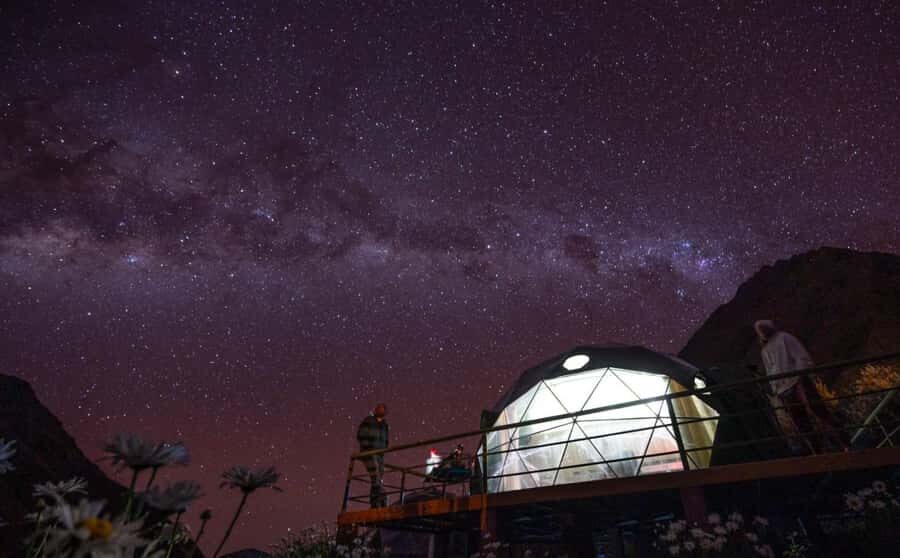
- Private dome camps with hot shower: real bathroom comfort after cold, wet trails.
- A high pass at 4,650m: the Salkantay/Tucarhuay views are the dramatic midpoint reward.
- Coffee plantation night near Playa: you’re not just “near coffee,” you practice the process (harvest/roast/grind).
- Inca Trail taste plus Llactapata views: you get an outlook day with fruit harvesting and a first Machu Picchu glimpse.
- Sunrise Machu Picchu logistics are built in: first bus timing and a 2-hour guide slot are included.
- Your carry rules matter: duffel bag handling changes after day 3, so pack smart early.
What you’re really buying with this 5-day Salkantay dome trek
At $700 per person for 5 days, you’re paying for a guided, fully organized route where the “hard parts” are handled for you: transfers, tents/domes, meals, port support, Machu Picchu tickets, and the train back to Ollantaytambo. It’s not cheap, but you’re also not trying to stitch together transport, lodging, and entry permits on your own while juggling altitude and trail days.
The dome angle is the real differentiator. Regular Salkantay treks often lean basic for sleeping and washing; here, you get private domes with a private bathroom and hot shower, plus meals cooked for you by a dedicated team. That changes the feel of the trip: after a cold night or a long day hike, you can actually reset instead of just “survive the campsite.”
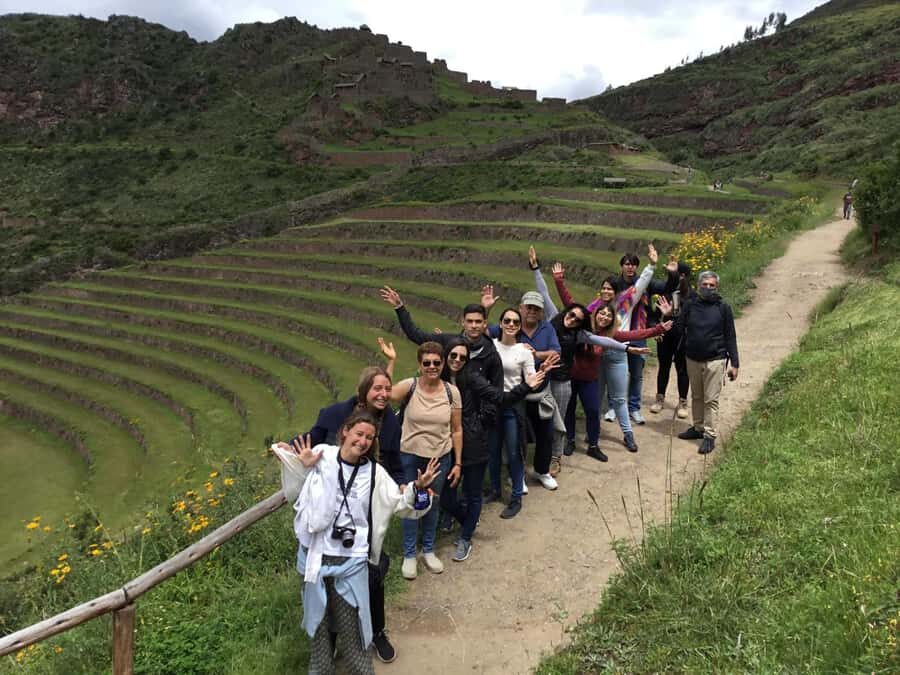
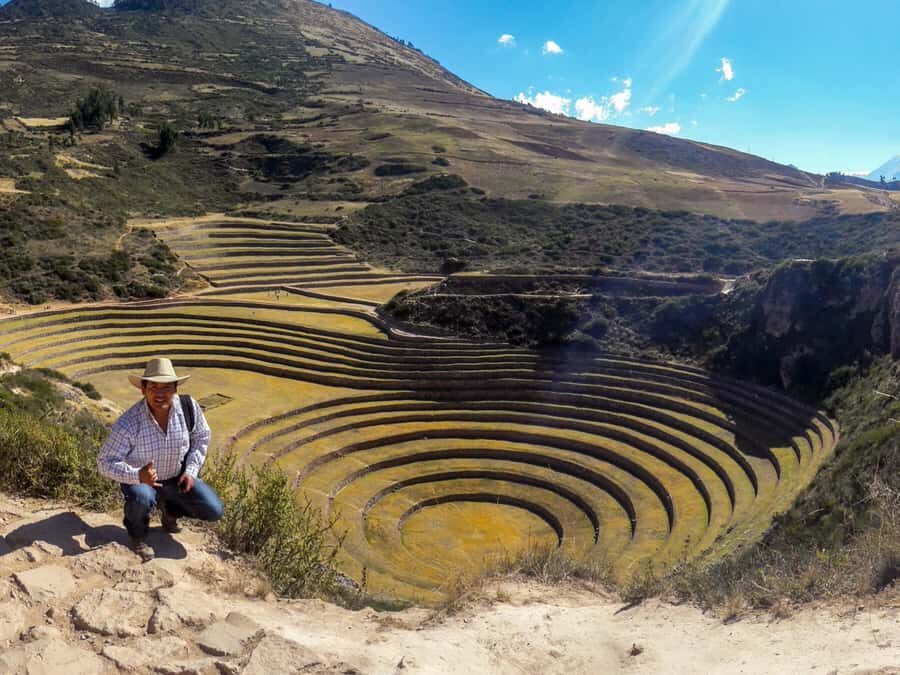
The route itself is also built for people who want a challenge with variety: high mountain pass views, then a shift into streams and a “high jungle” vibe, then an approach day that connects back to Inca trails before Machu Picchu.
You can also read our reviews of more hiking tours in Cusco
Day 1: Cusco pickup, Mollepata breakfast, Challacancha start, and Humantay Lagoon
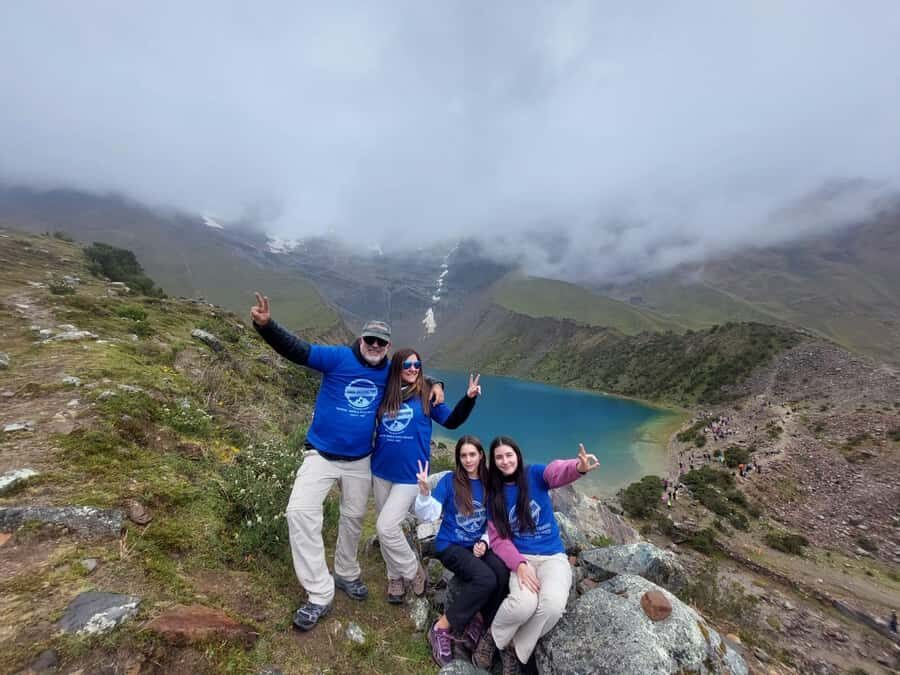
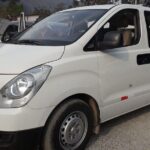
Your day begins early. You’re picked up around 4:30–5:00am from your Cusco hotel area, then you ride about 2 hours to Mollepata for breakfast. After that, private transport brings you to Challacancha (about 40 minutes more), where your hike officially starts.
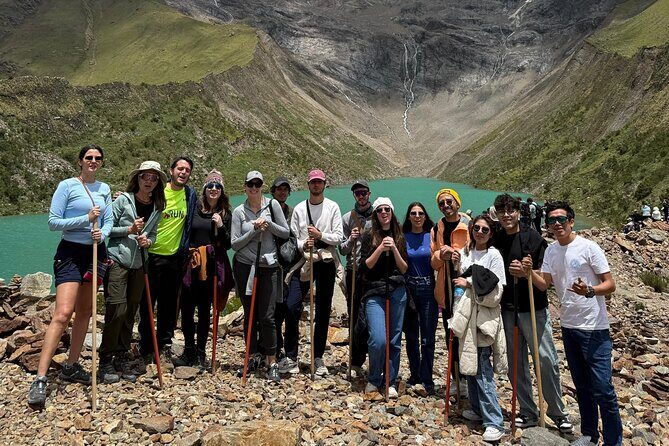
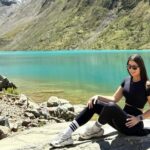
This first day includes Humantay Lagoon, a classic stop because it’s scenic fast and it gives your body something visual to work for while altitude is still in your legs. You’ll sleep in the dome camps at Soraypampa/Challacancha area, so you wake up already living the trail rhythm instead of commuting back and forth.
The practical downside on day 1 is energy management. Starting so early plus the altitude means you’ll want to eat well at Mollepata and not save snacks for later just because it’s day one.
Day 2: The Salkantay high pass at 4,650m and the snow-capped mountain drama
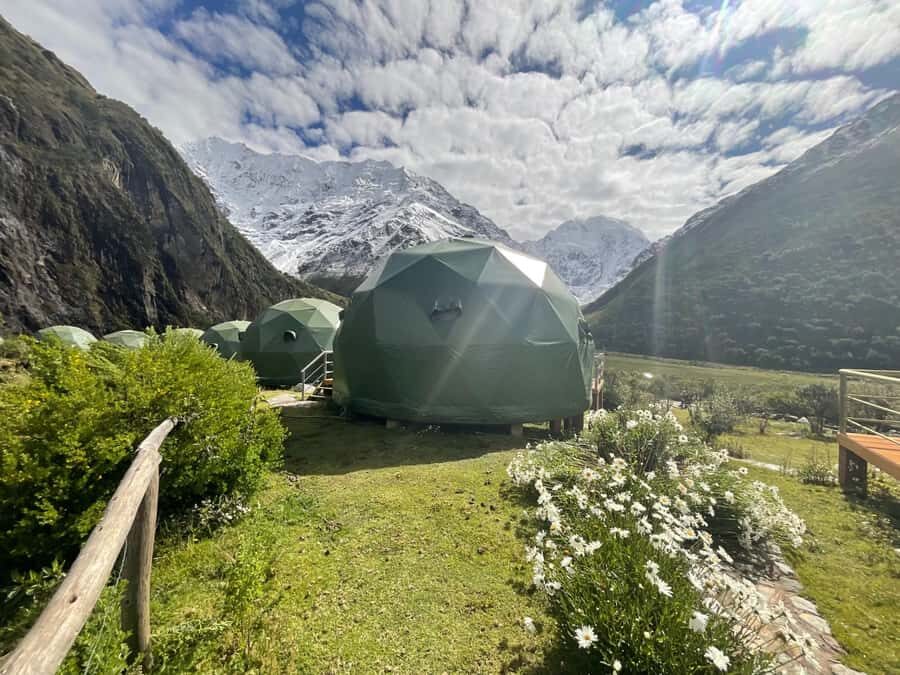
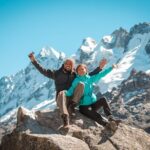
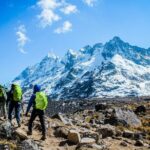
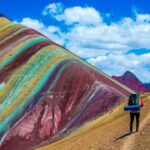
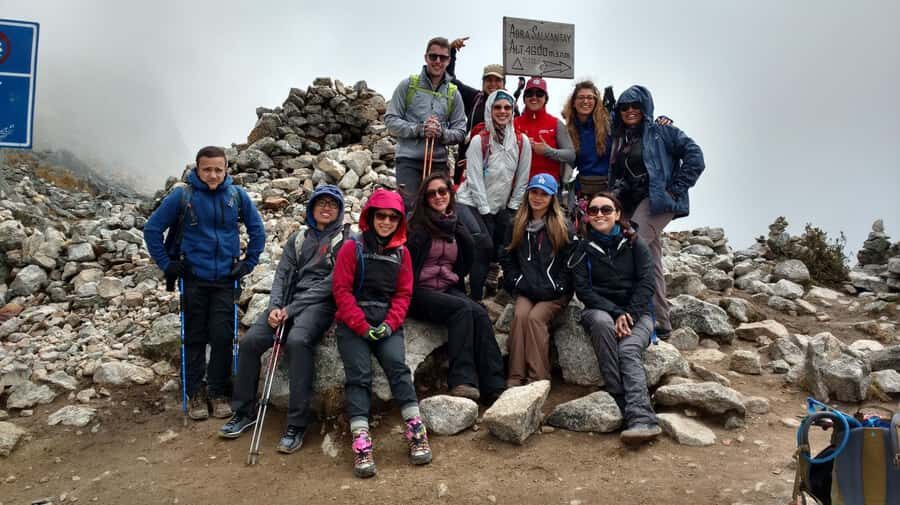
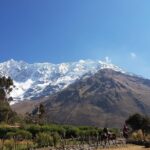
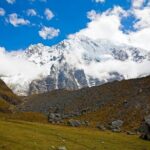
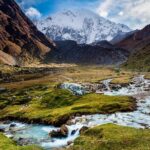
Day 2 is where the trek flexes its altitude muscle. Breakfast starts around 5:30am, and then you hike toward the highest pass on this route: 4,650m / 15,200 ft. The pass sits midway between Salkantay (right) and Tucarhuay (left), so you’re not trudging through flat “gray hills”—you’re climbing with big mountain silhouettes as your backdrop.
From the pass, the views are the main point, including a chance of seeing snow depending on conditions. This is the kind of day where it’s worth moving at your own pace, not your guide’s speed, because oxygen doesn’t care about group motivation.
You’ll camp in domes again at the Chaullay area. It’s a good day to remember that “hot shower” isn’t the same as “warm night,” so bring clothing that can handle cold dome temperatures even if you plan to warm up after.
Day 3: Coffee plantation domes at Playa, river crossings, and learning the full coffee loop
After breakfast around 6:30am, you start hiking through a higher-jungle style section. The route crosses the Lluskamayo River and moves through streams, which usually means footing can be slippery and your calves get a workout in a different way than the first two days.
The hike to Playa takes about 4 hours, and the reward is staying in geodesic domes in a coffee plantation. This isn’t a “quick photo stop” concept; the experience includes learning the coffee process and participating in it, including harvesting, roasting, and grinding coffee as part of your trek.
For many people, this is the day that makes the trip feel more than just scenery. You’re still earning each viewpoint, but you also get a local skill experience tied directly to the environment you walked through.
Day 4: Llactapata / Santa Teresa viewpoints, Hydroelectric lunch, and the long walk to Aguas Calientes
Day 4 shifts gears into an “approach day” with culture and dramatic valley views. Breakfast is at 6:30am, and the plan is to arrive early at Llactapata. You’ll walk part of the original Inca trail, which is a special feeling because it’s not just modern path—it connects you to a much older route style.
Along the way you’ll get exposure to how local people live in the area, including the chance to harvest various fruits. The viewpoints are another highlight: you get one of the best looks over the Urubamba Valley, and you can see Salkantay in the background plus your first clearer glimpse of Machu Picchu.
After reaching Hidroelectrica, you have lunch, then continue along the train track for about 2.5 hours to Aguas Calientes. You’ll spend the night at a hostel in town, and if you want the classic reward, you can use the hot springs (entrance listed at 10 soles).
One consideration here: by the time you reach Aguas Calientes, you’ll likely be tired. The train-track walk can feel long because it’s steady and repetitive, so plan to keep your pace comfortable and your hydration consistent.
You can also read our reviews of more tours and experiences in Cusco
Day 5: Sunrise Machu Picchu with a guided 2-hour intro and the Huayna Picchu option
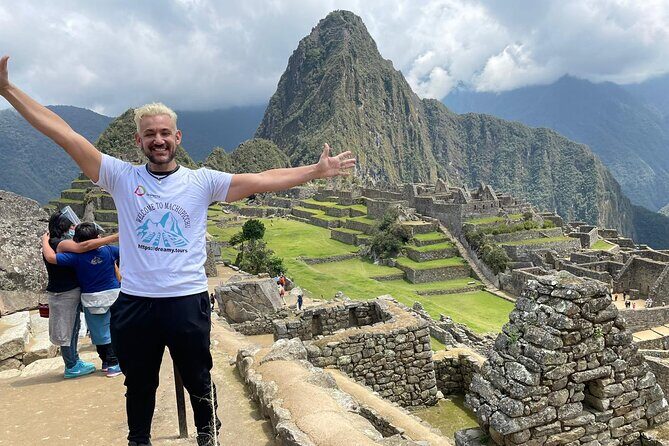
Your last day is built around Machu Picchu timing. You get up around 5am for breakfast, then you go to the Machu Picchu bus. The plan is to catch the first bus at 5:30am, a ride of about 25 minutes, so you can see the city as sunrise hits.
Your guide provides a 2-hour tour. This is a smart way to do Machu Picchu because it helps you understand what you’re looking at before you go wandering. After the guided time, you can explore on your own.
If you still have energy, there’s an optional climb to Huayna Picchu (2,720m / 8,890ft). It’s listed as taking about 1 hour 45 minutes to reach the top, and availability matters—so if it’s a must-do, treat it like a booking priority rather than a last-minute idea.
After Machu Picchu, you take the train back to Ollantaytambo. The listed timing is either around 2:00pm–4:00pm or 6:20pm, with a roughly 2-hour train ride, followed by private transport back to Cusco.
Domes, meals, and the real meaning of the included comforts
The dome nights are a huge part of the “value feel” here. You’re not relying on shared bathrooms or cold, uncomfortable setups. With the private bathroom and hot shower included, you’re more likely to sleep better, eat better, and show up ready for the next day’s climb.
Food is another big win: 4 breakfasts, 4 lunches, 4 dinners, and 4 snacks are included, with the first breakfast and last dinner left out. That means you’ll need to plan for at least one missing meal, but in exchange you usually get proper sit-down meals on the other days.
A cook is part of the setup, and in past departures the cook role has been praised for doing the basics well. That matters because good meals aren’t a luxury on a trek—they’re how you recover.
Then there’s luggage handling. Your equipment and personal luggage are transported by horsemen and mules, up to 7 kilos per person. You keep your duffel bag carried for you until the third day, but from day 4 you’ll have to carry your own bags. Also note the optional option to send luggage by car from Playa to Hidroelectrica and then by train to Aguas Calientes for an extra cost of about 20 soles.
Price and logistics: is $700 actually good value?
$700 for a 5-day Salkantay trek with Machu Picchu tickets and transport included is a “depends on what you’d otherwise pay” situation, not a pure bargain or a pure splurge.
Here’s what you’re getting that’s usually expensive or stressful to arrange separately:
- Machu Picchu tickets plus the bus up from Aguas Calientes
- The train back to Ollantaytambo
- Cusco-area pickup and transfer legs around the trek
- Dome lodging with private bathroom and hot shower
- A professional bilingual guide plus a cook, plus all core meals and snacks
If you were to independently book guide service, tents or similar lodging, meals, and then still line up Machu Picchu ticket access and timed transport, the cost often climbs quickly. What you’re buying with this package is fewer moving parts, especially at Machu Picchu, where timing is everything.
That said, there’s one caution worth respecting. In at least one previously reported departure, ticket communication for Machu Picchu was weak until the last moment, and a solution required trimming a day of hiking to get the right entry. You can prevent most problems like this with one habit: confirm your Machu Picchu entry time and how your bus/train timing will work before you start trekking, and ask for clear written confirmation.
Packing and altitude: how to avoid the common misery
This trek includes a 4,650m high pass, which means altitude affects everyone differently. The operator recommends you arrive in Cusco at least 2 days early so you can acclimatize and adjust to altitude before hiking.
For what to bring, stick to the essentials listed:
- Warm clothing, sunglasses, and a sun hat
- A daypack and trekking gear
- Hiking shoes with real grip
- Passport or ID
Also bring cash for meals/extra options. And if you don’t own trekking sticks, know they’re not included—having them can help on steep sections, especially when your legs start negotiating with gravity.
Finally, don’t underestimate dome nights. Even with hot showers, the night can feel cold—especially on the first dome camp—so pack layers you can actually sleep in, not just layers you can look brave in.
Who this trek suits best (and who should think twice)
This is a strong fit if you:
- Want a challenging, rewarding trek with big scenery days
- Prefer small-group pacing (limited to 10)
- Value real comfort after hiking, especially private dome bathrooms and hot water
This is likely a tough fit if you:
- Have back problems
- Have mobility impairments (it’s marked wheelchair accessible, but the activity is also listed as not suitable for mobility impairments, so you’d need careful confirmation)
- Have heart problems
- Are pregnant
If any of those apply to you, I’d treat this as a “talk with your doctor and confirm with the operator” situation, not an automatic yes.
Should you book this Salkantay to Machu Picchu Dome trek?
I’d recommend booking if Machu Picchu is the goal and you want the trip organized end-to-end: domes with private bathrooms, a real food setup, and sunrise access built into the schedule. The coffee plantation day and the Llactapata viewpoint day add real personality to the itinerary, so it doesn’t feel like a single-note hike.
I’d be cautious—and do extra confirmation—if you’re the type who needs everything locked down in writing, especially your Machu Picchu entry time and how bus/train timing works. That one weak communication case is exactly the kind of problem you can reduce by asking questions early.
If you’re healthy, acclimatized, and willing to dress for cold nights, this is a solid way to do Salkantay with comfort that actually matters.
FAQ
Is Machu Picchu admission and the bus included?
Yes. Tickets to Machu Picchu and the bus up from Aguas Calientes to Machu Picchu are included. The plan also uses the first bus that leaves at 5:30am.
What kind of sleeping setup do the dome nights include?
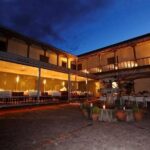
The tour includes luxury domes with a private bathroom and hot shower for the dome nights. You also get 1 night accommodation in Aguas Calientes at a hotel/hostel.
How much luggage can I bring, and will I carry it?
Your equipment and food transport uses horsemen and mules, with up to 7 kilos per person for personal luggage. Your duffel bag is carried for you until the third day, but from day 4 you must carry your own bags.
What meals are included, and what’s not included?
You get 4 breakfasts, 4 lunches, 4 dinners, and 4 snacks included. The first breakfast and the last dinner are not included.
Can I eat vegetarian or vegan meals?
Vegetarian and vegan food are available on request at no extra charge.
Is this trek suitable for everyone with mobility needs?
The activity is marked wheelchair accessible, but it is also listed as not suitable for people with mobility impairments. Because the route is a trek with hikes and passes, I’d confirm your situation with the operator before booking.