REVIEW · CUSCO
From Cusco: Maras Salt Mines and Moray Half-Day Tour
Book on GetYourGuide →Operated by Andina Expeditions · Bookable on GetYourGuide
Early mornings here pay off.
This half-day tour strings together the Maras Salt Mines and Moray with an itinerary designed to cut down on crowd time, so you spend more moments actually looking, not just waiting. You also get an expert guide who keeps things moving with local context, plus help finding strong photo angles.
What I like most is the combination: you see how salt was produced for centuries, then shift to Moray’s terrace agriculture, and finish with the colonial town of Maras. The tour also stays small, with a limit of 10 participants, which helps the guide pace the stops and answer questions without long bottlenecks.
One thing to consider: it’s a morning-focused experience with hotel pickup around 7am, and the Moray entrance is not included in the price. If you’re sensitive to early starts or tight budgets for tickets, plan for that before you go.
In This Review
- Key points worth knowing
- A Half-Day That Still Feels Complete: Timing, Transport, and Group Size
- Maras Salt Mines: White Gold, Pre-Inca Roots, and Strong Photo Spots
- Moray’s Terraces: Understanding an Ancient Farming Laboratory
- Maras Town: Colonial Architecture and a Slower Pace After the Big Sights
- How This Itinerary Helps You Avoid the Crowd Feel
- Price and Value: What $115 Covers (and What You Should Budget for)
- What’s Included in the Tour Experience Day-Of
- Guide Style: Clear Explanations, Humor, and Q&A Time
- Photo Tips That Fit the Actual Stops
- Who Should Book This Tour (and Who Might Skip It)
- Should You Book the Maras and Moray Tour from Cusco?
- FAQ
- What is the duration of the Cusco: Maras Salt Mines and Moray Half-Day Tour?
- What time is hotel pickup in Cusco?
- How many people are in the group?
- What languages are the live tour guide available in?
- Is entrance to the Salt Mines included?
- Is entrance to Moray included?
- What’s included in the price besides the guide?
- Is free cancellation available?
Key points worth knowing
- Small group (max 10) makes the pacing feel calmer than big bus tours
- Guided time at both Maras Salt Mines and Moray helps you understand what you’re seeing
- Photo-focused guidance points you to the best spots for pictures
- Transport included saves you from figuring out multiple local rides
- Salt Mines entrance included, while Moray entrance is extra
A Half-Day That Still Feels Complete: Timing, Transport, and Group Size
From Cusco, your day starts with a hotel pickup around 7am. Then you head out by bus/coach for long-enough travel time that you get a real “out of town” feel, but not so long that the trip drags. Expect roughly 4.5 hours total (270 minutes), with several driving segments built in between the guided stops.
The tour is designed for a smoother flow. Instead of rushing, you get short guided periods in each main area, with enough time to look around, take pictures, and ask questions. The operator keeps the group small—10 participants max—which matters in these sites. Maras and Moray can get busy, but a smaller group typically means fewer queues and less waiting to get back into the flow.
If you want a classic Cusco-region experience without spending your whole day coordinating transport, this format is practical. It also helps if you’d rather be pointed toward the right viewpoints instead of guessing on your own.
You can also read our reviews of more tours and experiences in Cusco
Maras Salt Mines: White Gold, Pre-Inca Roots, and Strong Photo Spots
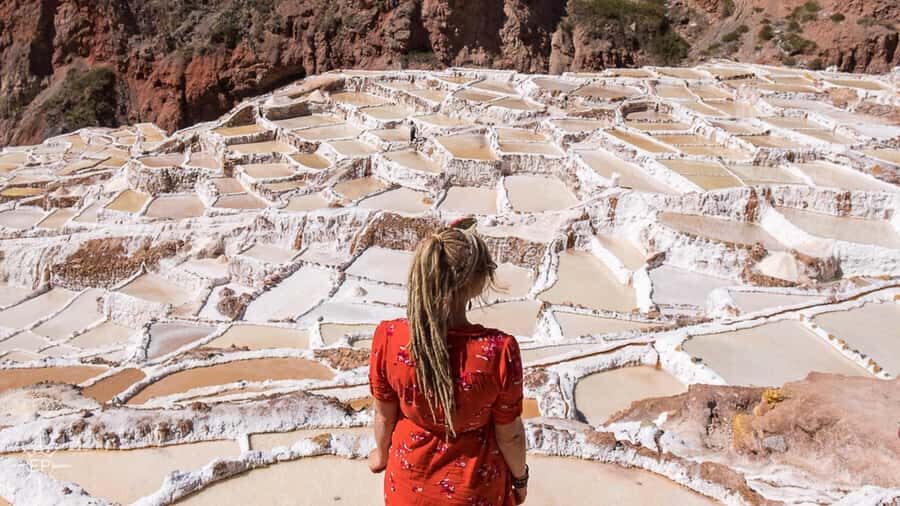
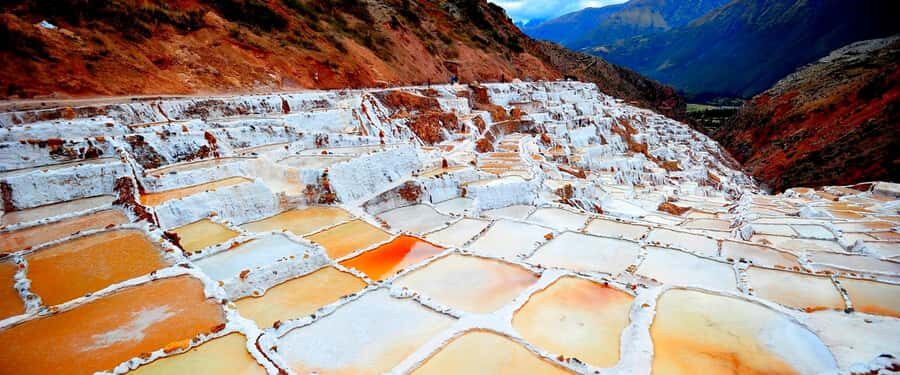
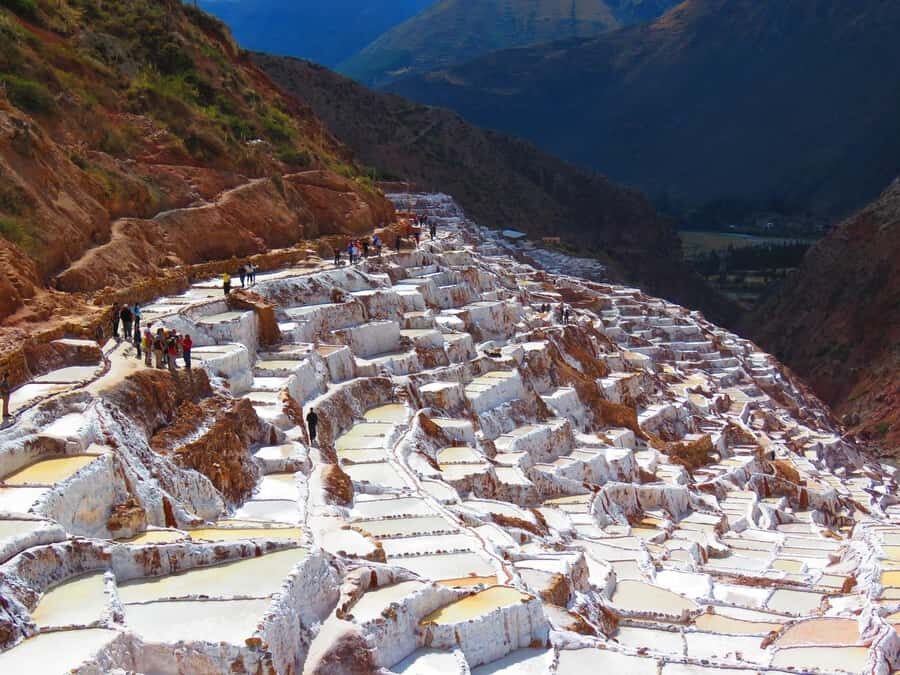
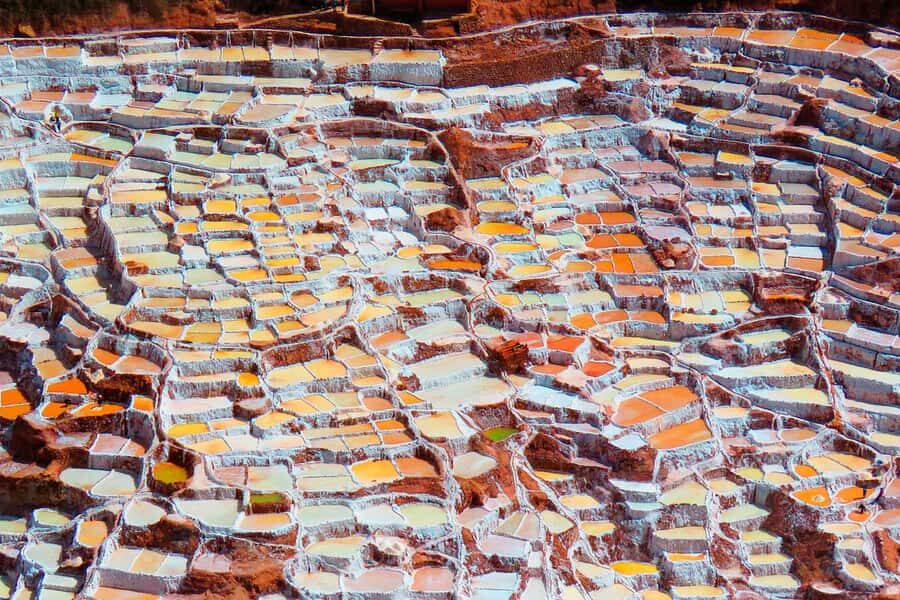
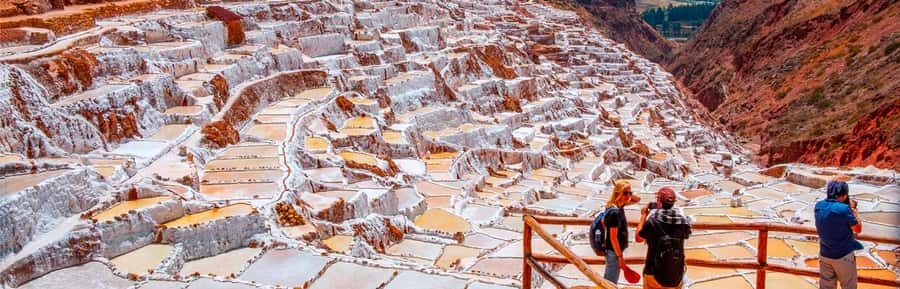
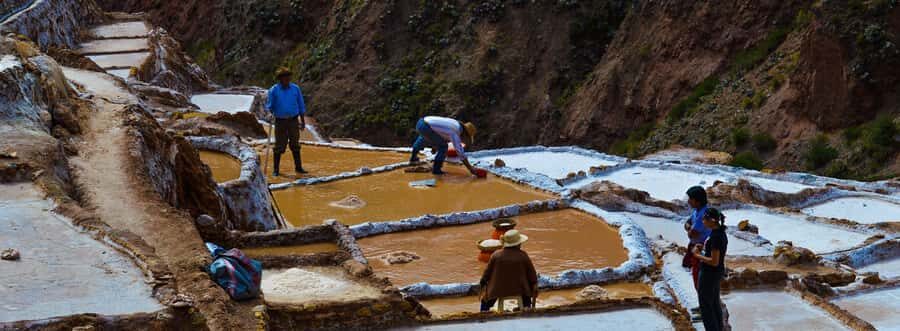
The star stop is the Maras Salt Mines. The salt production here is described as running since even pre-Incan times, which gives the place more weight than a simple tourist photo wall. The area is famous for its grid-like salt pans, and the guide’s job is to help you understand what makes the system work and why it’s been valuable for generations.
You’ll get a guided visit (around 30 minutes) and, importantly, entrance to the Salt Mines is included. That’s a real value point because salt mine access isn’t always bundled into every Cusco-area tour. It also means fewer surprises on the day: you’re paying for the full experience at that stop, not just transportation.
This is also where the “photo help” becomes more than a marketing line. You’re guided to the best photo spots, which matters because the best angles aren’t always where you automatically stop. Instead of fighting for a decent shot while people funnel in and out, the guide helps you position quickly. If you care about getting photos that show the full grid effect (and not just close-ups), this can save time and frustration.
Practical note: salt areas often mean bright light and reflective surfaces. Even without claiming any special equipment, I recommend you bring sunglasses and protect your camera from glare. A little preparation helps you focus on the moment instead of squinting.
Moray’s Terraces: Understanding an Ancient Farming Laboratory
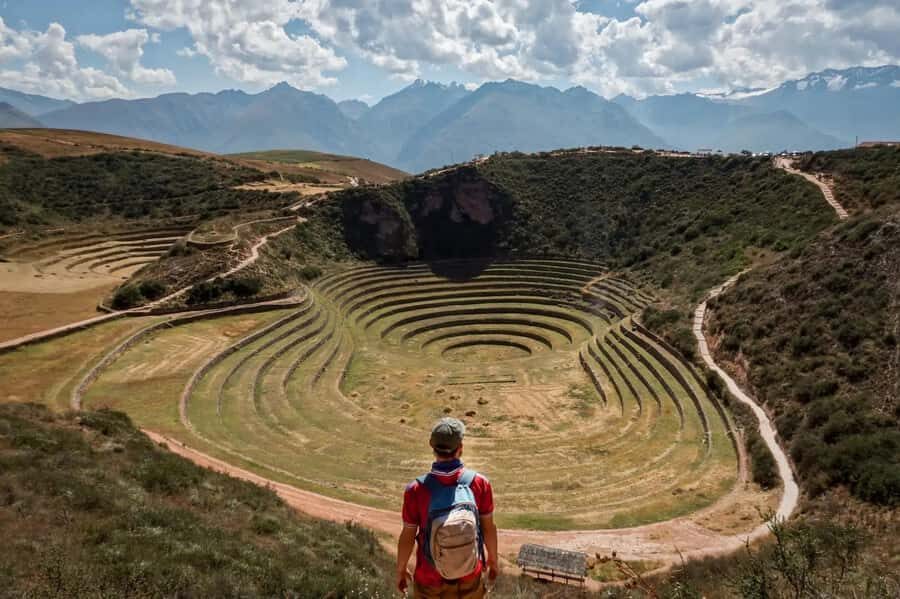
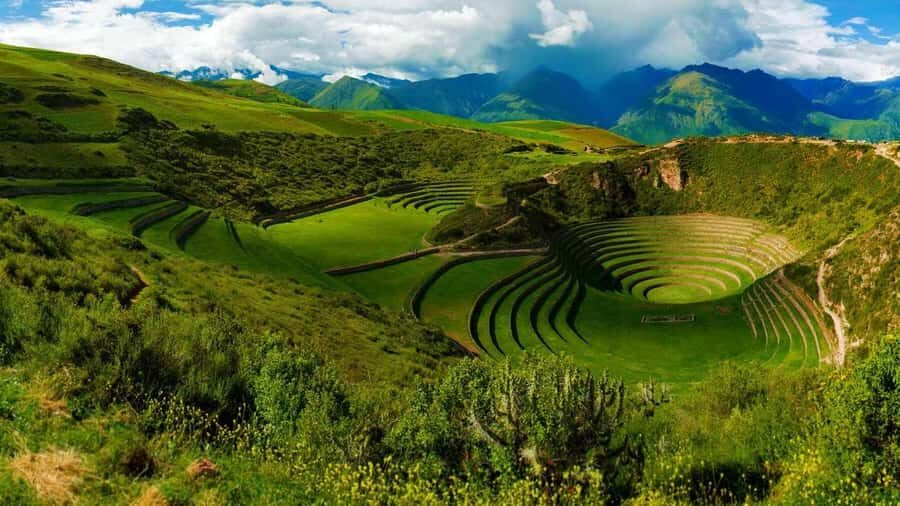
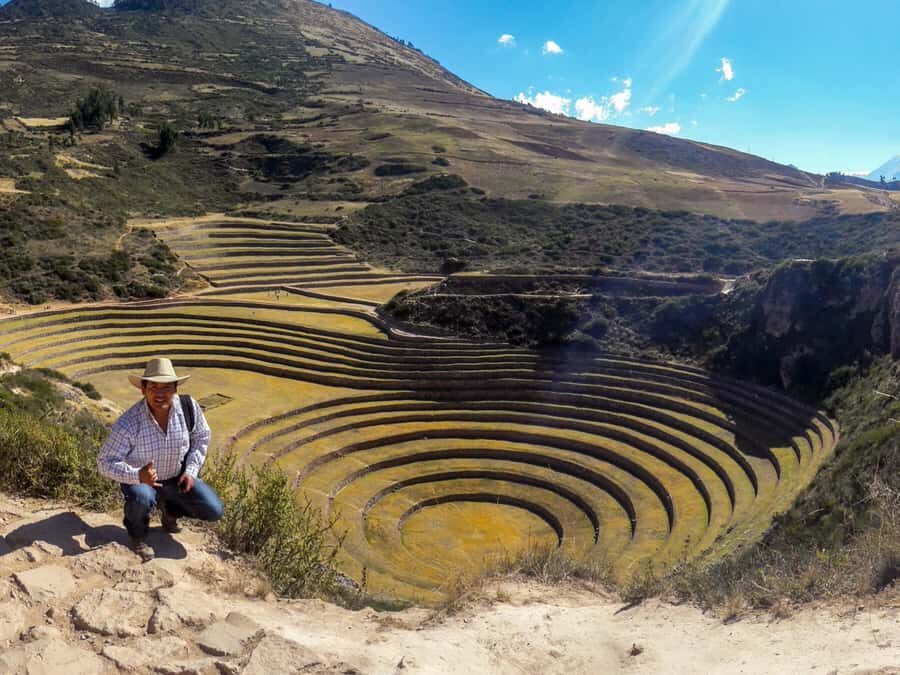
After the first Maras area time, the tour moves to Moray, an ancient Inca farming laboratory built around a system of terraces. The key idea you’ll learn is that the terraces functioned like a research setup—used to discover new varieties of crops and food by experimenting with growing conditions.
The guided time at Moray is about 40 minutes. That’s long enough to read the story of the terraces without feeling trapped. It also gives you time to orient yourself visually: Moray can be confusing at first glance, because it looks like an amphitheater of earth layers before it looks like a farming system.
Here’s one consideration: entrance to Moray is not included. So even though the tour handles transportation and the guide, you’ll likely pay a separate fee when you arrive. If you’re comparing tour prices, make sure you account for that extra entry cost so you’re judging total value fairly.
Why Moray is worth the effort: it adds brains to the trip. The Salt Mines tell you about resource extraction and local economics. Moray tells you about experimentation, agriculture, and how the Inca adapted to environment. Together, they make a stronger story than visiting just one “wow” site.
Maras Town: Colonial Architecture and a Slower Pace After the Big Sights
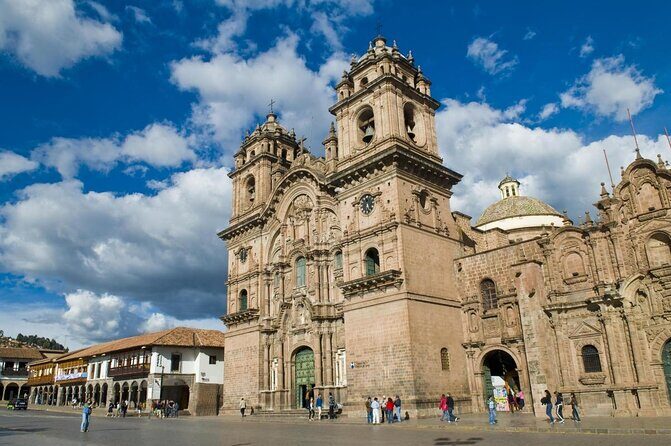
In addition to the Salt Mines, you also get time in the village of Maras, described as a colonial town with nice colonial architecture. This portion is shorter (about 25 minutes for a guided stop earlier in the route), but it plays an important role in the tour’s rhythm.
Think of it as the decompression stop. After the intensity of salt pans and the big explanation moments at Moray, a small walk through town gives your brain a place to reset. Colonial-style streets and architecture can also make for different photos than the earth-and-grid visuals at the mines and terraces.
You’re not just collecting sights here. You’re connecting the “science” of Moray and the production story of salt to the lived-in reality of Maras town. That contrast is what makes the day feel complete rather than chopped into separate checkboxes.
If you like street-level travel—small corners, architecture, and people moving through their day—this brief town stop is a meaningful inclusion.
How This Itinerary Helps You Avoid the Crowd Feel
One of the tour promises is a unique itinerary to avoid the crowds. Even if the exact crowd levels change week to week, the format already helps: small group size, guided timing, and short, planned visits at each major site.
Here’s how that helps you in real life:
- You spend less time hovering at the edges of a crowd waiting for a clear view.
- You get guided direction so you don’t waste time figuring out where to stand.
- The pacing reduces that frantic feeling of trying to do everything quickly.
You’ll still see other groups, because Moray and Maras are popular. But the tour is set up to keep the experience from becoming a queue-and-squeeze situation.
Also, your guide isn’t just narrating. They’re managing the pace. That matters because these sites often demand quick adjustments—sun angle, where the light hits the terraces, or where the best overview shot is possible.






Price and Value: What $115 Covers (and What You Should Budget for)
The price is $115 per person, for a 270-minute tour from Cusco. For that cost, you get:
- A professional tour guide
- Transportation by bus/coach and a professional driver
- Entrance to the Salt Mines
- Water
- Car (included in the package details)
Two practical value points stand out. First, salt mine entrance is included, so you aren’t stacking extra costs on top right away. Second, you’re buying someone’s knowledge and pacing, not just transport. At Salt Mines and Moray, interpretation matters. A guide helps you see the why behind the what.
The main cost consideration is Moray entrance, which is not included. So if you’re budgeting tightly, treat Moray ticket time as part of the true cost of the day. The guide and transportation are still paid for; you’re just planning for that extra entry fee.
In the end, $115 makes sense if you want:
- a guided story across multiple sites,
- convenient pickup and drop-off,
- and a small group pace that feels manageable.
If you already have transport figured out and don’t care about the explanation, you might find cheaper options. But for most people visiting for a limited time, this is a clean “hands-off” way to do Maras and Moray.
What’s Included in the Tour Experience Day-Of
You can expect real structure, not just a driver drop and a map.
Included items:
- Professional tour guide
- Transportation and professional driver
- Entrance to Salt Mines
- Water
- Pickup and return to your hotel in Cusco
Not included:
- Entrance to Moray
The “water” detail is small, but it’s practical on a morning tour where you may not have time for a full pre-tour routine. Also, having transport handled is a big deal around Cusco-region sites. Between steep roads and changing schedules, hiring a guide + driver often saves stress.
The live guide support is also meaningful. You’ll have English, Spanish, and Quechua available with a live guide, so you’re not stuck relying on a script written for one language only.
Guide Style: Clear Explanations, Humor, and Q&A Time
A big reason people love tours like this is guide personality plus competence. Feedback attached to the experience emphasizes that guides are both informative and good at keeping the mood light. One guide name that shows up in feedback is Holger, described as experienced and excellent at making the day work.
I like the overall pattern here: you get enough guidance to understand what you’re looking at, and you get humor or warmth to keep it from turning into a lecture. You also get time for questions, which makes the explanations stick. When you’re looking at terraces or salt systems, simple context turns “pretty” into “I get it.”
The language mix helps too. If you speak Spanish, English, or Quechua, you’re not locked out of the core story.
Photo Tips That Fit the Actual Stops
Since the tour specifically emphasizes best photo spots, you’ll get more value if you show up ready to shoot.
Here are tips that match these sites:
- Wear sunglasses to cut glare around salt surfaces.
- Keep your camera settings simple. Fast light changes can happen outdoors.
- Think about wide shots first at Salt Mines. Then move in for details.
- At Moray, look for an overview angle that shows the terracing structure before you start photographing close features.
Most of all, use the guide’s viewpoint suggestions. These locations have natural angles that look better than random roadside stops, and the tour is built to direct you there without wasting time.
Who Should Book This Tour (and Who Might Skip It)
This experience is a good match if you want:
- Salt Mines + Moray in one go without planning logistics,
- a small group pace,
- and a guided explanation that helps you connect agriculture and resources in the same region.
It’s also a solid choice if you’re the type of traveler who enjoys “process” travel: learning how salt production works and how terrace agriculture functioned as experimentation.
You might skip it if:
- you hate early mornings and prefer late starts,
- you don’t want to pay for separate Moray entry,
- or you’re trying to fit a packed day where you can’t spare about 4.5 hours.
Should You Book the Maras and Moray Tour from Cusco?
If you’re visiting Cusco with limited time, I’d lean toward booking this. The reason is simple: you get two major, different “wow” sites—Salt Mines and Moray terraces—plus a taste of Maras town, all with transportation and a guide in a small group. The included Salt Mines entrance also helps keep the value honest.
Just go in with one budget note: Moray entrance is not included, so price comparisons should include that. And if you’re planning photos, take advantage of the guide’s viewpoint help instead of trying to wing it.
If that sounds like your style, book it. It’s one of the more practical ways to see a lot of meaningful Cusco-region detail without turning the day into a travel project.
FAQ
What is the duration of the Cusco: Maras Salt Mines and Moray Half-Day Tour?
The duration is 270 minutes (about 4.5 hours).
What time is hotel pickup in Cusco?
Pickup is around 7am from your hotel.
How many people are in the group?
It’s a small group limited to 10 participants.
What languages are the live tour guide available in?
The live tour guide is available in English, Spanish, and Quechua.
Is entrance to the Salt Mines included?
Yes, entrance to the Salt Mines is included.
Is entrance to Moray included?
No. Entrance to Moray is not included.
What’s included in the price besides the guide?
Transportation, a professional driver, entrance to the Salt Mines, water, and car are included.
Is free cancellation available?
Yes. You can cancel up to 24 hours in advance for a full refund.