REVIEW · CUSCO
Cusco: Pisac, Ollantaytambo, & Chinchero Sacred Valley Tour
Book on GetYourGuide →Operated by MPTC GETS · Bookable on GetYourGuide
Morning Sacred Valley is a great mood-setter. This tour links the big-name Inca sites of Pisac, Ollantaytambo, and Chinchero into one satisfying day, with a guided rhythm that mixes archaeology, town walks, and scenic photo stops. I especially liked the chance to see Ollantaytambo’s huge Inca stonework up close and the way the day includes time to watch local textile culture through an alpaca-focused Inca textile factory stop. The main drawback to weigh is timing: if the morning start runs late or the day includes extra commercial stops, you might feel rushed and even miss some time at Chinchero.
You also get practical “how-to” help for a long day: hotel pickup near Cusco’s main area, group guiding split into English and Spanish, and a buffet lunch in Urubamba so you’re not hunting for food mid-route. One more note I’d plan around: the Sacred Valley can be hot and sometimes rainy, so comfy shoes and water matter more than you think.
In This Review
- Why This Sacred Valley Loop Works So Well
- Quick Hits: What You’ll Like Most
- Price and Value: What $31 Covers (and What It Doesn’t)
- Starting in Cusco: Pickup, Timing, and Getting Settled
- Pisac Archaeological Park: Ruins, Views, and the Market Mix
- The Urubamba Break: A Real Lunch and a River-Edge View
- Ollantaytambo: The Inca Rocks That Make the Day Click
- Chinchero: Textiles, Royal Treasure Lore, and the Time Trade-Off
- Transport and Comfort: Bus Time Adds Up
- Weather and Packing: Hot, Possible Rain, and a Long Day
- The Guide Factor: English/Spanish and the Human Touch
- Day-of Costs Checklist: Don’t Get Surprised
- Who This Tour Suits Best (and Who Should Think Twice)
- Should You Book This Sacred Valley Tour?
- FAQ
- How long is the Cusco: Pisac, Ollantaytambo, & Chinchero Sacred Valley Tour?
- What time does the tour pickup start, and when does it end?
- What’s included in the price?
- Do I need to pay any tickets on the day?
- Is the Maras salt mines entrance included?
- Which places do you visit during the day?
- Is there a lunch stop?
- What should I bring for the tour?
- Is the tour wheelchair accessible or suitable for pregnancy?
Why This Sacred Valley Loop Works So Well
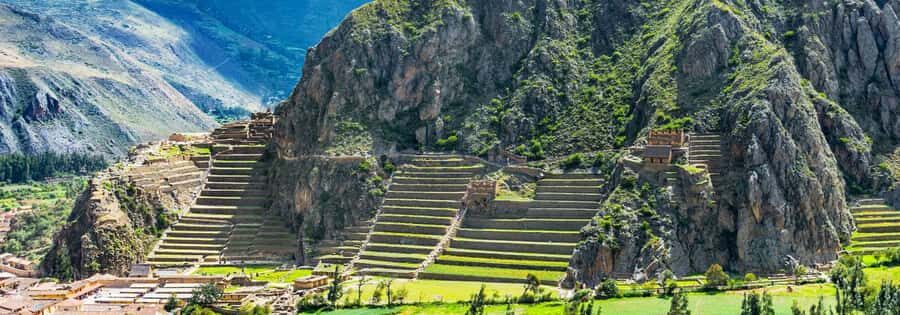
Pisac + Ollantaytambo + Chinchero hits three different sides of Inca life in one sweep: mountain-side stonework, planned settlements, and sacred landscape tradition. Even if you’ve read about the Inca before, seeing these places back-to-back helps the patterns click, and it’s a lot easier than trying to string buses together alone.
Key stops are spaced with purpose. You get photo breaks when light is good, short guided visits that keep momentum, and a lunch stop that actually functions like a break, not just a quick snack.
And yes, you’ll likely come home with lots of pictures—especially if you’re into mountain views and the “geometry” of Inca construction.
Quick Hits: What You’ll Like Most
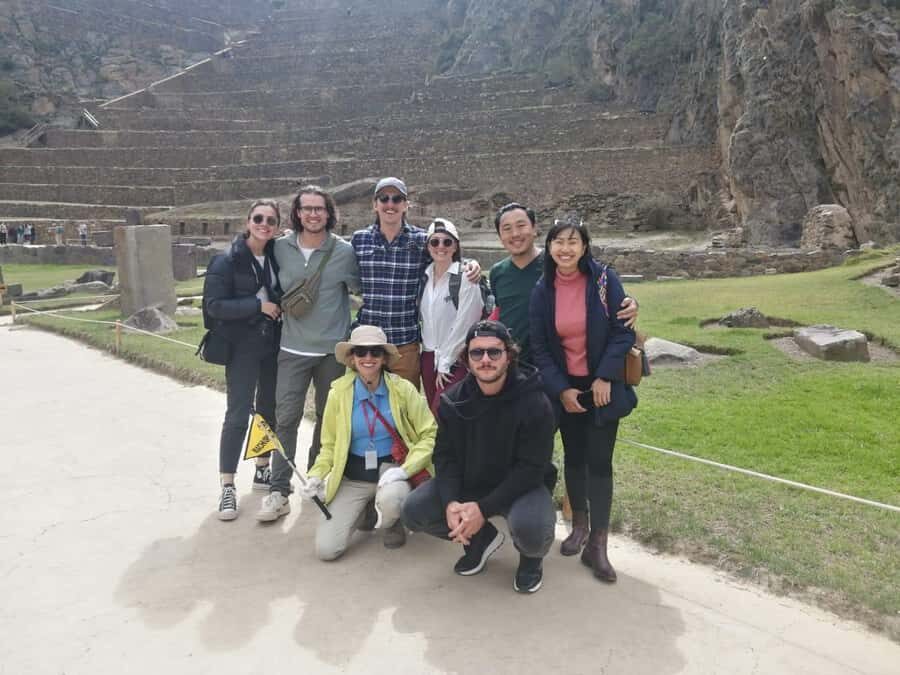
- Ollantaytambo’s massive Inca stonework: the kind of scale photos can’t fully explain
- Photo-friendly Sacred Valley views: frequent stops so you’re not sprinting the whole day
- Alpaca-focused textile stop: a hands-on way to connect Inca culture with everyday materials
- Pisac guided visit + market time: a combo of ruins and local crafts/trade
- Urubamba lunch: a proper buffet break before the afternoon archaeology
- Group guiding in English or Spanish: makes the explanations land without you translating in your head
You can also read our reviews of more tours and experiences in Cusco.



Price and Value: What $31 Covers (and What It Doesn’t)
This is one of the more budget-friendly ways to tackle the Sacred Valley highlights. The base cost is $31 per person, and it includes the big expenses that normally add up: hotel pickup, transport, an expert guide, and a buffet lunch.
That said, plan for additional day-of costs. You’ll need to budget for a tourist ticket to pay on the day (70 soles). Also note that there’s mention of Maras salt mines entrance (10 soles) as a separate item not included.
So how do you judge the value? If you’re starting from Cusco and want three major sites plus lunch without arranging anything yourself, this price structure is usually a win. If you already have the tickets and you’re comfortable with buses and schedules, it can feel less “cheap” once you add the required ticket. Either way, the guided flow is what you’re really paying for: it saves time and helps you understand what you’re seeing.
Starting in Cusco: Pickup, Timing, and Getting Settled
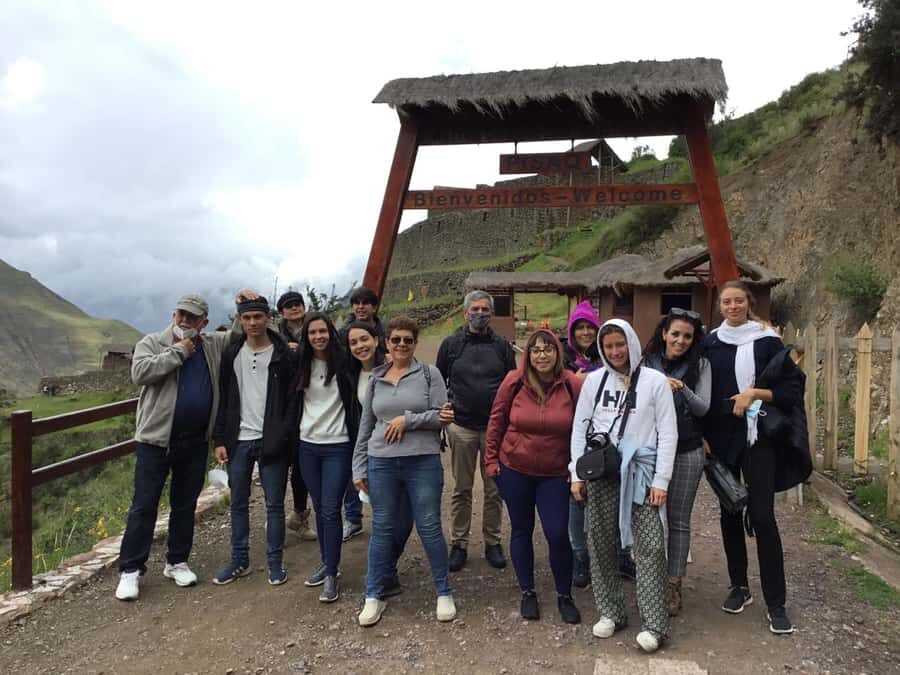
Pickup is designed to be easy. Your driver should collect you around 8:15 am from your hotel area near Cusco’s main square, with a specific meeting address if your place is farther out.
That early start matters for two reasons. First, you’ll hit Pisac and Ollantaytambo before the day gets too hot. Second, Sacred Valley traffic and loading/unloading take time, and the tour is built around a tight day.
One caution from experience: if there’s a morning delay, it can turn into time sitting in the car while the route adjusts through Cusco. It’s not something you control, but it’s why I’d treat the day as “12 hours,” not “12 hours of sightseeing.”
Pisac Archaeological Park: Ruins, Views, and the Market Mix
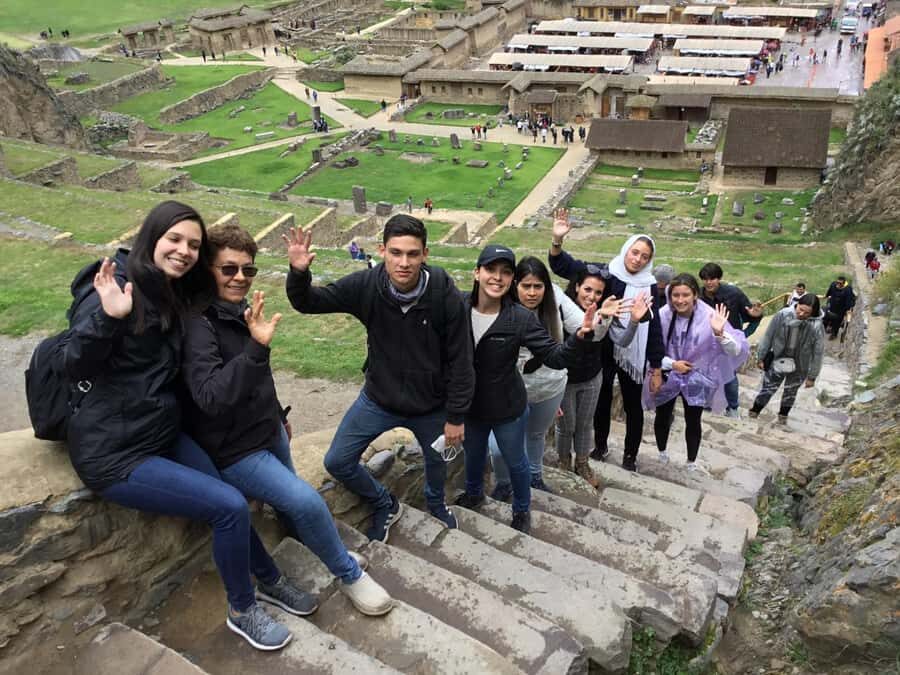
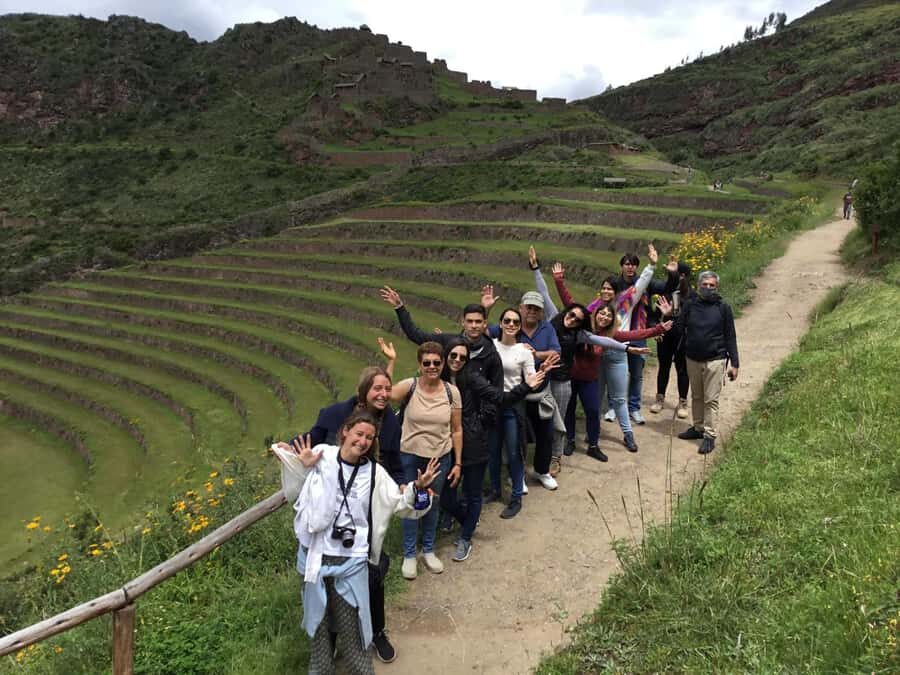
Your first major stop is Pisac Archaeological Park. You’ll get a mix of a photo pause and a guided visit (about 50 minutes), which is a good length for first-time visitors. Long enough to get the main idea. Short enough that you don’t feel trapped on the first site.
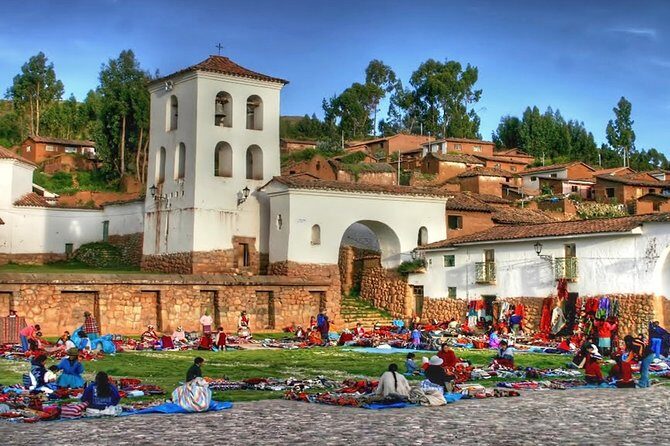
What makes Pisac special is how it combines archaeology with real town life. After the park portion, there’s time for the typical native market in Pisac Village. This is where you can see local trade and crafts in motion—an easy place to compare what you’re seeing in the ruins with how communities live now.
What to watch for: markets can be active and sometimes crowded. If you’re hoping to focus strictly on ruins, keep your expectations flexible. The market time is part of the experience.
The Urubamba Break: A Real Lunch and a River-Edge View
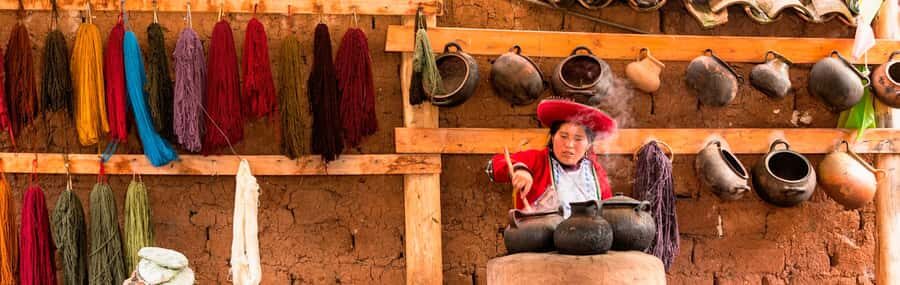
After Pisac, the tour heads toward Urubamba. You get a photo stop and a guided tour (about 45 minutes), plus a buffet lunch arranged during the stop.
This is one of the most practical parts of the day. A buffet gives you options when the schedule is tight, and having the lunch positioned before the afternoon sites helps you avoid the classic Sacred Valley problem: getting hungry right when the best stonework is in front of you.
Also, the route includes the Vilcanota River area as part of the Urubamba stop. Even if your main focus is archaeology, this kind of setting gives the day breathing space. It breaks the rhythm of ruins-only and helps you feel the Valley scale in human terms.





Ollantaytambo: The Inca Rocks That Make the Day Click
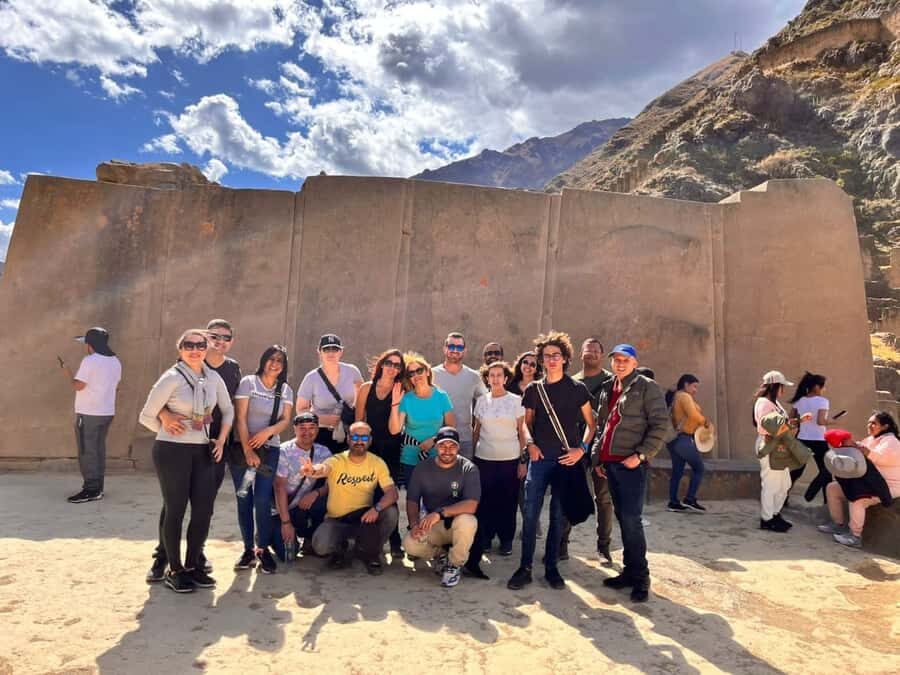
Next comes Ollantaytambo, one of the most impressive places in the Sacred Valley. The tour includes a photo stop and guided time (about 50 minutes), and there’s also a walk through the town so you can picture how the site functioned as a religious and cultural center during the Inca Empire.
Here’s what I’d emphasize: Ollantaytambo is where the Inca engineering becomes obvious. The massive stones aren’t just “old rocks.” They show planning, stability, and an ability to work with the slope and terrain. It’s the kind of place where you’ll instinctively look for how the walls meet, how pathways guide movement, and how the town layout connects to the fortress feel.
Take your time with photos but don’t only shoot. The guided explanation is what turns the visuals into meaning.
Chinchero: Textiles, Royal Treasure Lore, and the Time Trade-Off
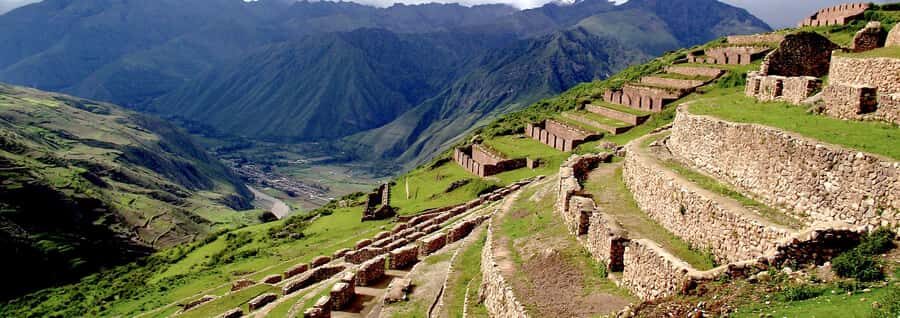
The last archaeological-cultural stop is Chinchero. You get photo time, a guided visit (about 50 minutes), and the tour frames Chinchero around the remains associated with the royal treasure of Tupac Inca Yupanqui.
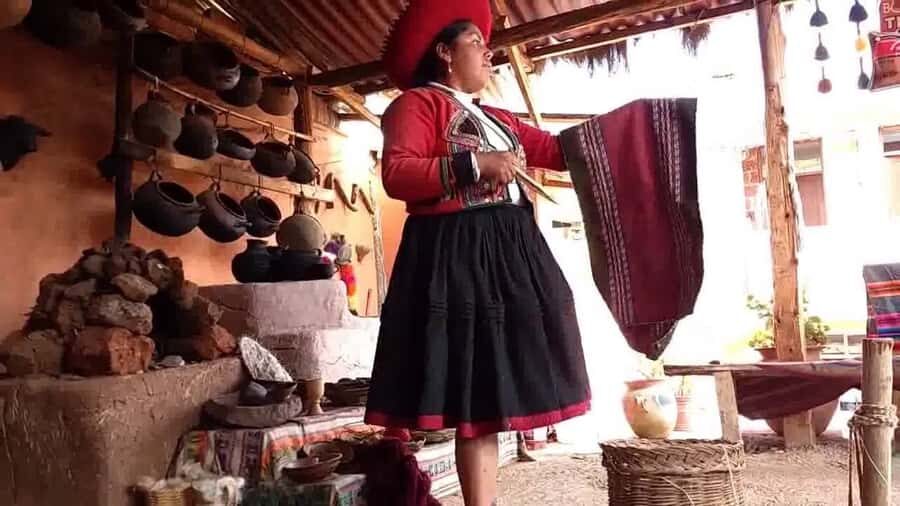
This is also where the tour connects to textile culture. Earlier in the route, there’s a stop to meet an alpaca Inca textile factory, and that thread helps Chinchero make more sense. You start seeing textiles not as souvenirs, but as part of a larger Inca craft tradition tied to materials and status.
Now for the consideration. Some tours feel the day’s pressure most at the end. If the morning starts late or if there are multiple commercial stops, your Chinchero time can feel squeezed. It’s possible to arrive when you’d hoped to spend more time. If Chinchero is your top priority, show up with patience, and be ready to enjoy it even if the schedule runs fast.
Transport and Comfort: Bus Time Adds Up

You’re on the bus a fair amount. The day includes several bus/coach legs, including around 80 minutes and additional drives between stops.
That’s not automatically a bad thing. Sacred Valley sites are spread out, and the transport time is part of how you see the Valley change from Cusco’s vibe to the settled agricultural scale below.
But for comfort, you’ll want basics:
- Comfortable shoes (you’ll be walking more than you expect)
- Water (hot weather is common)
- A camera ready for stops, not just the ruins
If you run cold easily, consider a light layer for the bus. The Valley heat is real, but vehicles can swing temperature.
Weather and Packing: Hot, Possible Rain, and a Long Day
The tour notes the weather is hot in the Sacred Valley, and it can sometimes rain. That combination is sneaky. You can get sun, then sudden drizzle, and suddenly you’re dealing with wet ground and slippery steps.
Pack around that reality:
- Water in reach
- Passport or ID (you’re told to bring it)
- Comfortable shoes for uneven paths and stone surfaces
- Photo camera if you like souvenirs in image form
If rain hits, your best friend is footwear with grip and the willingness to adjust your photography angles—rain makes photos tricky, but it can also make the light dramatic.
The Guide Factor: English/Spanish and the Human Touch
You’ll travel with an expert guide, and groups are split into English or Spanish. That matters more than it sounds. When you understand what you’re standing in front of—why it was built there, what it meant—you get more out of every short stop.
One name came up in feedback: Jenni, praised as amazing. That doesn’t mean every guide is her, but it does suggest the guiding on this route can be strong. I’d treat the guide as your cheat code for making a tight day feel full, not rushed.
Day-of Costs Checklist: Don’t Get Surprised
Before you go, mentally separate what’s included from what’s not.
Included:
- Pickup from your hotel area
- Expert guide
- Group split by language (English/Spanish)
- All transport
- Buffet lunch
Not included:
- Tourist ticket (70 soles) paid on the day
- Salt mines of Maras entrance (10 soles) as an extra item mentioned
If you’re trying to budget, add those amounts early so you don’t do math while you’re already standing in line.
Who This Tour Suits Best (and Who Should Think Twice)
This is a solid match if you want a single-day Sacred Valley overview with minimal planning and clear guidance. It’s also good if you like mixing ruins with real culture stops like markets and textiles.
It’s not listed as suitable for:
- Pregnant women
- Wheelchair users
If you have mobility concerns beyond those categories, think carefully. The tour involves walking in archaeological areas and time spent moving through towns.
Should You Book This Sacred Valley Tour?
Book it if you want an organized, first-time-friendly Sacred Valley day that hits Pisac, Ollantaytambo, and Chinchero without hassle. The value is strong when you factor in pickup, transport, guide, and lunch, and the combination of major ruins plus market and textile culture gives the day variety.
Skip it or choose another format if you’re the type who gets stressed by schedule pressure. If you’re sensitive to delays, note the realistic risk: morning hiccups can eat into sightseeing time, and the end stop (Chinchero) can feel time-compressed when things run tight.
FAQ
How long is the Cusco: Pisac, Ollantaytambo, & Chinchero Sacred Valley Tour?
The tour lasts 12 hours.
What time does the tour pickup start, and when does it end?
Pickup is around 8:15 am, and the tour finishes at about 7:30 pm, ending at Calle Plateros.
What’s included in the price?
The tour includes hotel pickup, an expert guide in the Sacred Valley, group separation in English or Spanish, all transport, and a tourist buffet lunch with Peruvian dishes.
Do I need to pay any tickets on the day?
Yes. A tourist ticket must be paid on the day for 70 soles.
Is the Maras salt mines entrance included?
No. Entrance to the salt mines of Maras is listed as 10 soles, and it is not included.
Which places do you visit during the day?
You visit Pisac Archaeological Park, Urubamba, Ollantaytambo, and Chinchero.
Is there a lunch stop?
Yes. There is a buffet lunch in Urubamba.
What should I bring for the tour?
Bring passport or ID card, comfortable shoes, and water. It’s also mentioned to bring passports and photo cameras for souvenir photos.
Is the tour wheelchair accessible or suitable for pregnancy?
The tour is not suitable for wheelchair users and is also listed as not suitable for pregnant women.