REVIEW · CUSCO
4-Day Ultimate Guided Inca Trail Trek to Machu Picchu
Book on Viator →Operated by Bamba Travel · Bookable on Viator
Machu Picchu starts four days earlier. This 4-day guided Inca Trail-style trek is interesting because you combine Lares village hiking and hot-spring breaks with the Royal Inca Trail approach to Machu Picchu, finishing with an early-morning visit to the citadel. I especially like that the price includes the heavy hitters—Inca Trail permits and Machu Picchu entrance—and that you’re not managing logistics solo because there are porters, a cook, and a bilingual guide. One drawback to think about: the trail is demanding at altitude, with steep climbs and cold nights that can catch people off guard.
Small group size helps. This runs with a maximum of 15 travelers, and there’s a mandatory pre-departure briefing in Cusco the evening before at 6 PM, which is a nice way to get your bearings (and your checklist) before the 6 AM start.
Key things I’d focus on before you go
- Permits and entrance fees are included, which matters in a place where access is tightly controlled.
- Guides and support staff make or break the hike, and you’ll see that in how often the team gets praised for patient guidance and care.
- Meals are handled for you during the trek days (3 breakfasts, 3 lunches, 3 dinners), so you can concentrate on the walking.
- Cold nights + steep passes are part of the deal, so pack warm layers and plan for big effort days.
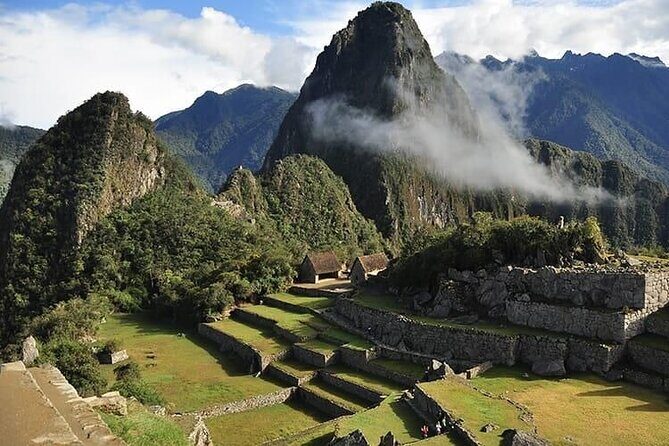
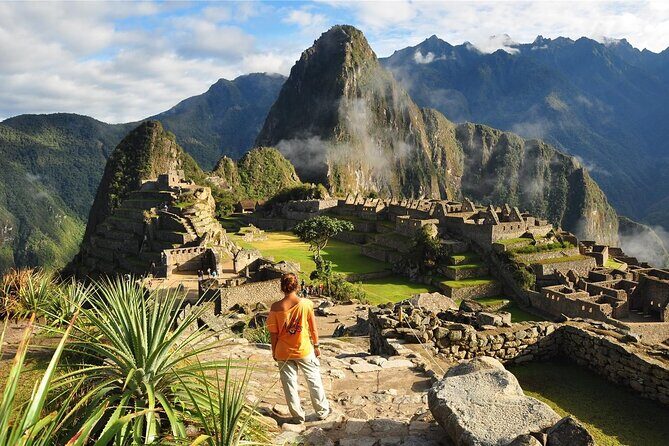
- You get Machu Picchu twice, first with limited time at the end of Day 3, then a proper dawn visit on Day 4.
In This Review
- Cusco briefing and the 6:00 am reality check
- Day 1: Lares village walking, optional hot springs, and a first camp at Huacawasi
- Day 2: The Ipsy Qocha pass at 4,400 m and the descent into Patacancha and Ollantaytambo
- Day 3: Train to Km 104, Chachabamba, Wiñayhuayna, and the Sun Gate nightfall lead-in
- Day 4: 5:30 am bus to Machu Picchu, guided orientation, and hot springs in Aguas Calientes
- Guides and the camp team: why the human support matters
- Altitude, pace, and what to pack so you stay warm (and dry)
- Price and logistics value: does $943 make sense?
- Choosing the service level: light vs complete gear support
- Who this trek is best for
- Should you book this 4-Day Ultimate Inca Trail trek?
- FAQ
- What time does the trek start from Cusco?
- Is pickup from my hotel included?
- What’s included for Machu Picchu access and guiding?
- Are meals included during the trek days?
- Do I get to see Machu Picchu on more than one day?
- What gear support comes with the Light vs Complete service?
- What’s the COVID-19 requirement mentioned for travelers over 18?
Cusco briefing and the 6:00 am reality check
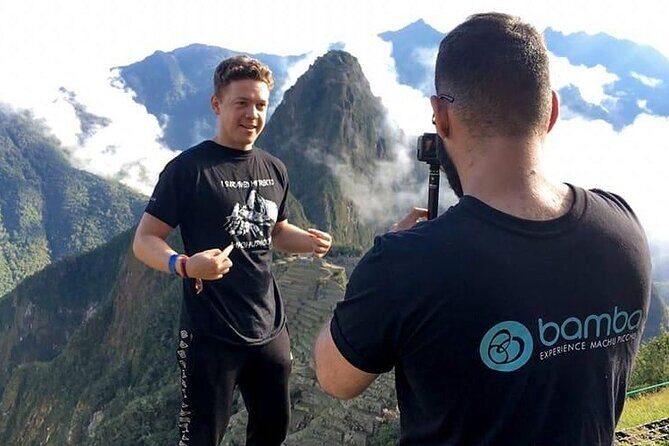
The day starts early—pickup is around 6:00 am—so your biggest win is arriving in Cusco ready to go. Before that, you’ll have a mandatory pre-departure briefing at the tour company headquarters in Cusco one day prior at 6 PM (Calle Matara 242, Second Floor). This matters because you’ll confirm details, get a list of what to bring, and learn how the team expects your trek to run.
This tour also uses mobile tickets, which can make check-in less messy. Still, I recommend you treat the briefing as your “get set” moment, not a formality—ask questions about what pace you should expect on the steep sections and what the group’s altitude rhythm looks like.
Day 1: Lares village walking, optional hot springs, and a first camp at Huacawasi
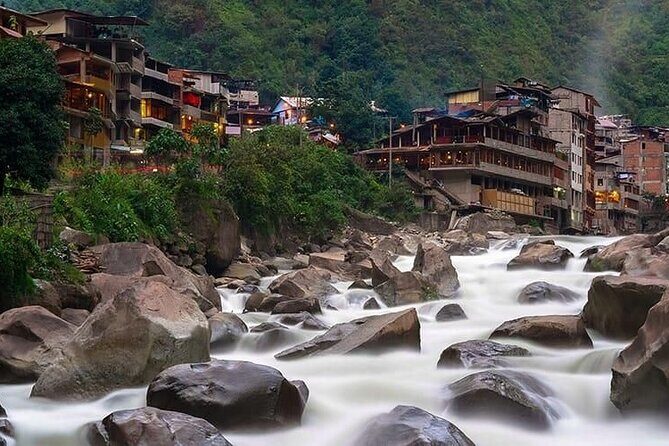
Day 1 is the setup day. You’ll get picked up from your hotel and ride toward Lares, with a stop in Calca where you can check out the local market and grab breakfast or supplies. When you reach Lares, there’s an optional hot springs soak while the cooks prepare lunch—an easy way to loosen up before your first real hiking push.
After lunch, the trek begins toward the first campsite at Huacawasi (3,850 m). You’ll be walking about 4–5 hours, gradually uphill for training toward the higher day ahead. The day climate is listed as warm, but expect cold nights. That combo is sneaky: you’ll sweat high, then cool fast once you stop.
At the end of the day, you sleep at the house of the horsemen who join the trip. Your tents are set up, and you’ll be given popcorn, sweets, and hot tea before dinner. I like this kind of structured arrival: it reduces decision fatigue after a long day, and it gives you a clear transition from hiking mode to camp mode.
You can also read our reviews of more guided tours in Cusco
Day 2: The Ipsy Qocha pass at 4,400 m and the descent into Patacancha and Ollantaytambo
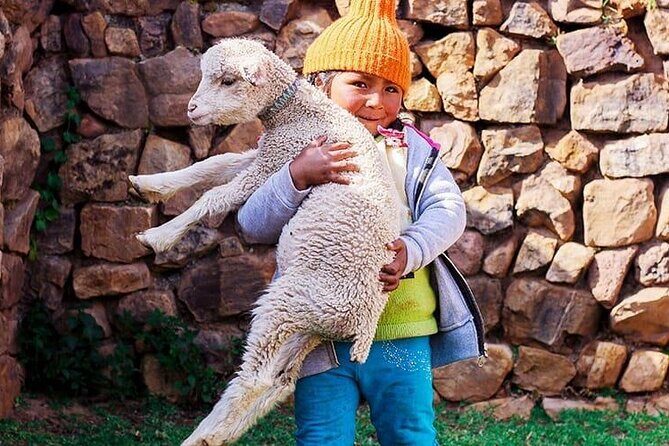
Day 2 is where the altitude starts demanding more focus. After breakfast, you hike toward the pass of Ipsy Qocha at 4,400 m (14,435 ft). The hike takes about 3 hours and is described as steep uphill. This is also where weather can shift fast, so plan for cold even if you feel okay at the start.
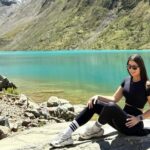
The payoff is the kind of variety you don’t get from trail-only trekking. You’ll pass mountain views, plus glimpses of llamas and alpacas and patchwork agricultural areas—small scenes that make the trek feel like it’s moving through lived-in countryside, not just scenery.
Once you reach the top, you descend around 30 minutes to the lagoon Ipsy Qocha, where lunch is served. Then it’s down again—about 2 hours—until you reach Patacancha. From there, you take short transportation to Ollantaytambo, where you enjoy dinner and spend the night.
Day 2 ends with a gear-changing moment: your body gets a bit of a break compared to a full day of climbing, and you transition into a more “town-based” evening.
Day 3: Train to Km 104, Chachabamba, Wiñayhuayna, and the Sun Gate nightfall lead-in
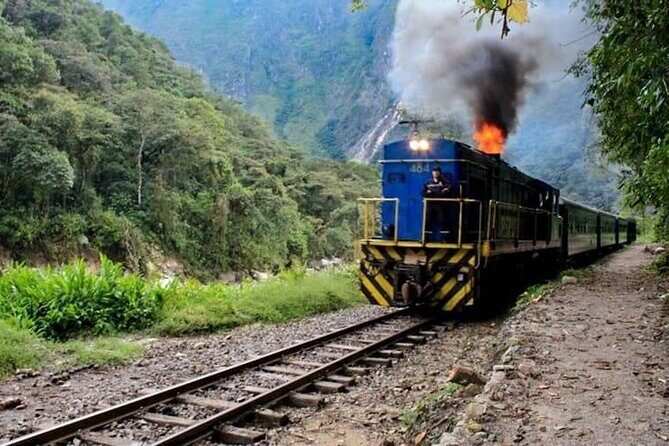
Day 3 starts early at 6:00 am. You take a tourist train to Km 104, and that’s where the Royal Inca Trail begins. Your hike starts toward Chachabamba (2,270 m), with time for the guide to explain the site’s earlier role and what you’re looking at as you walk.
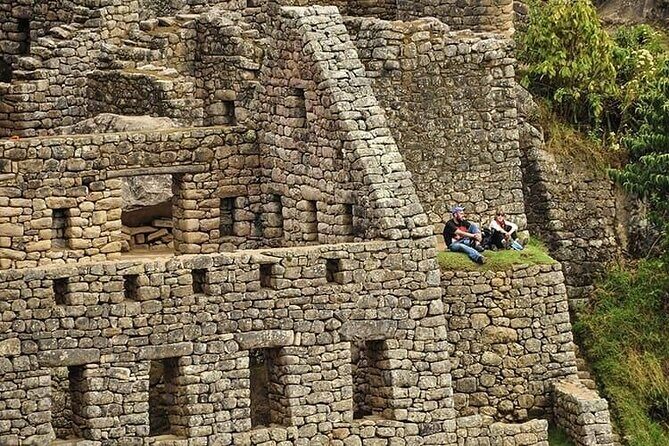
Next you continue to Wiñayhuayna (2,650 m). This is one of the key archaeological stops on the route, and it’s also a moment where you might feel how the trail mixes exertion with context: you’re climbing, but your guide is framing what the structures meant and how people used the area.
From there, the route continues toward the Sun Gate (Inti Punku) viewpoint. You can enjoy the sense of arrival here, especially because you’re aiming for a viewpoint at a time tied to Machu Picchu’s nightfall. Then you keep walking toward Machu Picchu and take transport to your hotel in Aguas Calientes.
Important note: the plan includes only a little time inside the Machu Picchu sanctuary on this first day. That’s not a problem—it’s the reason Day 4 feels so satisfying, because you return with a fuller visit when the citadel is calmer.
Day 4: 5:30 am bus to Machu Picchu, guided orientation, and hot springs in Aguas Calientes
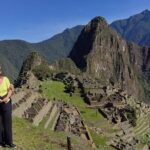
The big day begins before sunrise. After breakfast, you leave your hotel around 5:30 am by bus to Machu Picchu, arriving close to 6:00 am. The early start is practical: it’s less crowded and the morning light is a great match for the citadel’s feel.
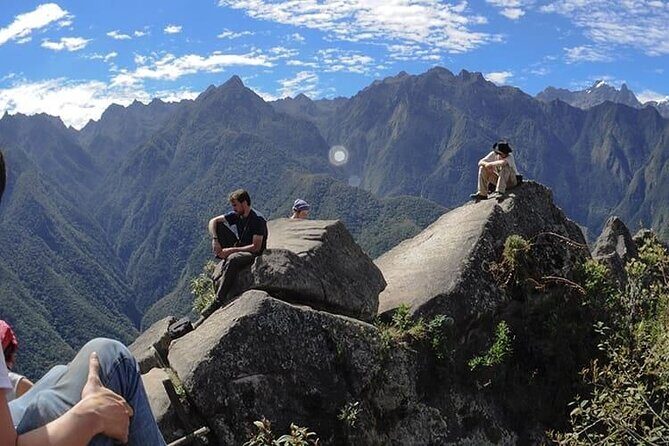
Your bilingual guide gives details about Machu Picchu’s history and culture, then you get free time to explore on your own. If you want photos with more elevation, the plan mentions a possible Huayna Picchu climb for panoramic views—just confirm the timing and access approach with your guide on the day.
After your Machu Picchu time, you bus down to Aguas Calientes. This is where you have the option to visit the town’s hot springs for 20 soles. I like that the plan doesn’t force the hot springs on you—after four days of hiking, you can choose recovery or just wander town streets and eat something easy.
Finally, you head back to Cusco in the afternoon.
Guides and the camp team: why the human support matters
This trek lives or dies by the people running it. The strongest praise you’ll hear revolves around guidance that’s both caring and structured, plus chefs who can actually feed a group through altitude.
In the provided feedback, you’ll see names like Cesar (guide), Percy (guide), Edwin (guide), plus chefs like Jorge. People also credited attendants such as Francisco and Ruth for being helpful and hospitable, with support that helped make a special trip feel safe and cared for. A chef-led approach to meals matters because you’re not just hungry—you need steady fuel when your appetite fluctuates at elevation.
There are also clear examples of leadership under pressure. One guest described feeling sick near the start and being supported with alternative pacing paths during the trek, which is exactly what you want from a team. That doesn’t mean you should plan to get sick—it just means the tour staff seems used to real bodies having real days.
You can also read our reviews of more hiking tours in Cusco
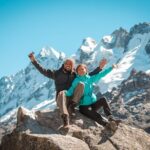
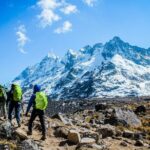
Altitude, pace, and what to pack so you stay warm (and dry)
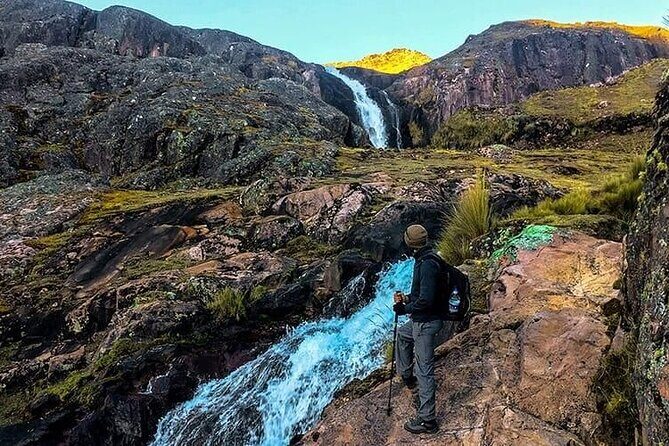
If you pick this trek, you should treat it as serious hiking, not a scenic stroll. The tour notes strong fitness is required. It also points out elevation changes as a main challenge: there are three passes, with about 1,950 meters of uphill and 2,250 meters of descent across the days.
Weather adds another layer. You’ll hike in warm daytime conditions on Day 1 and Day 2, but nights are cold. Day 4 is listed as warm but with mosquitoes. That combination usually means you’ll want warm sleep layers and insect protection at the end.
Here’s the practical packing list you’ll want to match with your own gear reality:
- Hiking poles (helps on steep descents)
- Rain pants and a rain poncho
- Trekking boots (plus sandals for camp)
- Warm socks, sweater/thermals
- Hat, gloves, sun hat, sunblock, sunglasses
- Flashlight/torch and extra camera batteries (the trek has limited/no electricity)
- Waterproof bags for your camera
- Hand sanitizer and a personal first aid kit
- A water bottle
- Extra cash for trail snacks and drinks, since water and snacks can cost more along the way
One more practical move: bring a little mental flexibility. Cold nights and steep sections can make you want to “rush.” Don’t. A steady pace, plus warm dry layers when you stop, will keep your energy for the next day.
Price and logistics value: does $943 make sense?
At $943 per person, this isn’t a budget hike. But the value looks more sensible when you list what’s included.
You’re getting:
- Inca Trail trek and Machu Picchu visit
- Inca Trail permits and Machu Picchu entrance fees (both are major cost drivers)
- Porters and a cook carrying shared camping equipment
- A bilingual guide on trek and at Machu Picchu
- Emergency oxygen bottle and first aid kit
- Roundtrip bus to/from start and end points
- Train from Aguas Calientes to Ollantaytambo
- Trek meals: 3 breakfasts, 3 lunches, 3 dinners
Not included items that can add to your total:
- Accommodation in Cusco
- Airport pick-up/drop-off
- Day 1 breakfast, Day 4 lunch and dinner, and bottled water
- A guide for bus and train transfers
- Travel insurance
- Tips and personal expenses
So I’d think of the $943 as paying for access, leadership, and food logistics—not just “walking.” If you’d otherwise be scrambling for permits, buying entrance tickets, arranging staff support, and coordinating early-morning Machu Picchu timing, the package can feel fair.
But be aware of one potential red flag: permits and trek timing are strict. One guest described permit changes and a big disappointment around expectations for a group trek experience. That doesn’t mean you’ll face the same issue, but it does mean you should confirm your final trek details before you lock in plans and money elsewhere.
Choosing the service level: light vs complete gear support
One detail that can quietly change your comfort (and cost mindset) is the service level.
- BASIC (LIGHT) includes a basic foam sleeping mat but excludes the thermal sleeping bag, duffel bag, and the porter to carry personal gear. In that case, you carry more on your own backpack.
- COMPLETE includes the thermal sleeping bag and foam mat, plus a duffel bag and a porter to carry up to 7 kg of personal gear for each trekker (with a split: 3 kg sleeping bag/mat + 4 kg personal items).
If you want less weight on your body—especially with three passes—choosing COMPLETE is usually the smarter call. If you already own solid cold-weather sleeping gear and you’re comfortable carrying it, LIGHT may work.
Who this trek is best for
This trek suits you if:
- You’re comfortable with altitude hiking and steep grades
- You want guides and staff handling camp systems and meals
- You like the idea of a structured approach ending with a proper dawn Machu Picchu visit
- You’re okay with cold nights and early mornings
It may not suit you if:
- You’re expecting an easy stroll
- You need lots of free time inside Machu Picchu on Day 3 (time is limited that day by design)
- You strongly prefer a larger group vibe and need certainty about headcount—this runs small, and the route depends on permit rules
Should you book this 4-Day Ultimate Inca Trail trek?
I’d book if you want the combo of guided support + permits + early Machu Picchu timing, and you’re ready for a real hiking effort with cold nights. The included meals, oxygen and first aid, and porter/cook setup make it feel like the trip is designed to help you focus on the trail instead of logistics.
I wouldn’t book on autopilot if you:
- care deeply about group size and want to avoid surprises around permit availability
- are cutting it close on fitness
- haven’t planned for extra spending like Cusco lodging, day-specific meals, water, and tips
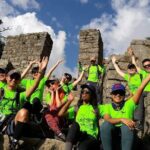
If you’re a strong hiker, pack well, and show up for the 6 AM rhythm, this is the kind of trek that can turn Machu Picchu from a photo into a lived-in memory.
FAQ
What time does the trek start from Cusco?
Pickup is listed for around 6:00 am.
Is pickup from my hotel included?
Yes. Pickup is offered from your hotel.
What’s included for Machu Picchu access and guiding?
The package includes a Machu Picchu visit, plus Machu Picchu entrance fees and a bilingual guide. You’ll also get free time to explore on your own during the early morning visit.
Are meals included during the trek days?
Yes. You get 3 breakfasts, 3 lunches, and 3 dinners during the trek.
Do I get to see Machu Picchu on more than one day?
Yes. You have limited time at Machu Picchu at the end of Day 3, then a fuller early-morning visit on Day 4.
What gear support comes with the Light vs Complete service?
In BASIC (LIGHT) you get a foam sleeping mat but the thermal sleeping bag and duffel bag are excluded, and you carry your own personal gear. In COMPLETE you get a thermal sleeping bag, foam mat, duffel bag, and a porter to carry up to 7 kg of personal gear.
What’s the COVID-19 requirement mentioned for travelers over 18?
As of June 11, 2022, travelers over 18 must have three doses of the COVID-19 vaccine (two regular doses plus a booster). Ages 12–17 need proof of two doses or a negative RT-PCR test taken within 48 hours.