REVIEW · CUSCO
Trek Inca Trail Machu Picchu 2 days
Book on Viator →Operated by Dreamy Tours · Bookable on Viator
Two days, one legendary view. This Trek Inca Trail Machu Picchu route threads you through key Inca sites, starting at Km. 104 and building up to your first big look at Machu Picchu.
I like how the Day 1 itinerary mixes real hiking with high-impact stops like Wiñayhuayna and the Sun Gate. That means you’re not just walking past scenery; you’re moving through places with purpose.
What I especially appreciate is the human side: a professional guide in your requested language and a small group size (max 10). Guides such as Jimy, Claudio, Jaime, and Angel are specifically praised for keeping things clear, informed, and encouraging.
One possible drawback to weigh is the physical rhythm: you’re doing a ~6-hour hike on Day 1 with big altitude changes (roughly 2,250m to 2,780m). If you know altitude and steep descents stress you, you’ll want to judge your comfort carefully.
In This Review
- Key Highlights You’ll Feel Fast
- Km. 104 to Machu Picchu: what this 2-day trek actually gives you
- Day 1 trail: Chachabamba, Wiñayhuayna, and Inti Punku’s big moment
- Chachabamba (around 2,270m): the route’s opening lesson
- Wiñayhuayna (around 2,650m): the most impressive section
- Inti Punku (Sun Gate, around 2,780m): first panoramic payoff
- Down to Machu Picchu park (around 2,400m) and onward to Aguas Calientes
- Aguas Calientes overnight: why that night matters
- Day 2 at Machu Picchu: dawn bus, guided tour, and optional climbs
- Optional add-ons: Huayna Picchu, Machu Picchu Mountain, or Temple of the Moon
- Returning to Cusco via train
- Price and logistics: does $685 feel fair?
- Fitness and comfort: the real demand of this route
- Guide quality: why names matter here
- Should you book this Trek Inca Trail Machu Picchu (2 days)?
- FAQ
- Where is the meeting point for the tour?
- Do you get hotel pickup?
- What language will the guide speak?
- What is the group size limit?
- How long is the trek and the overall experience?
- What happens on Day 1?
- What happens on Day 2 at Machu Picchu?
- Are meals included?
- What transport and tickets are included?
- What’s not included?
- What if I need to cancel?
Key Highlights You’ll Feel Fast
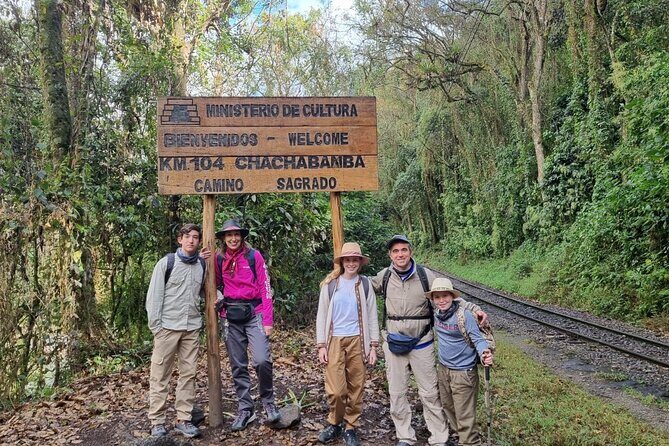
- Small group size (up to 10) makes the trek feel more controlled and personal
- Sun Gate (Inti Punku) timing sets up a strong payoff before you descend
- Guided history at multiple archaeological stops keeps the hike meaningful
- Overnight in Aguas Calientes gives you a real second day, not just a rushed drop-off
- First aid and an oxygen balloon are included for peace of mind
Km. 104 to Machu Picchu: what this 2-day trek actually gives you
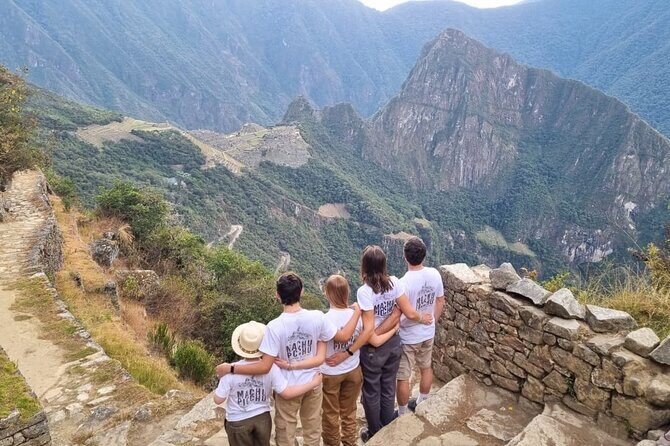
If you’re chasing Machu Picchu, you already know it’s special. The twist here is how you get there. Instead of arriving straight by road and cable-car logic, you hike a section of the Inca route that builds in stages: start at Km. 104, visit Inca ruins along the way, and arrive near the citadel area by the end of Day 1.
This matters for your experience. You’ll understand the geography, the route logic, and the way the Incas placed key sites—because you’re walking the corridor between them. It also changes your photo timing. The Day 1 stops help you picture Machu Picchu before you ever sleep in Aguas Calientes, so Day 2 doesn’t feel like a cold arrival.
And yes, it’s a real trek. Day 1 is described as a 6-hour hike, followed by transport to Aguas Calientes for your night in a hotel. That pacing is why this is such a popular format for people who want the Inca Trail experience without a longer multi-day schedule.
You can also read our reviews of more hiking tours in Cusco
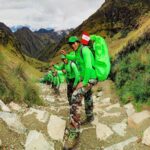
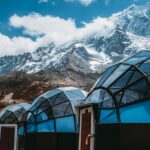
Day 1 trail: Chachabamba, Wiñayhuayna, and Inti Punku’s big moment
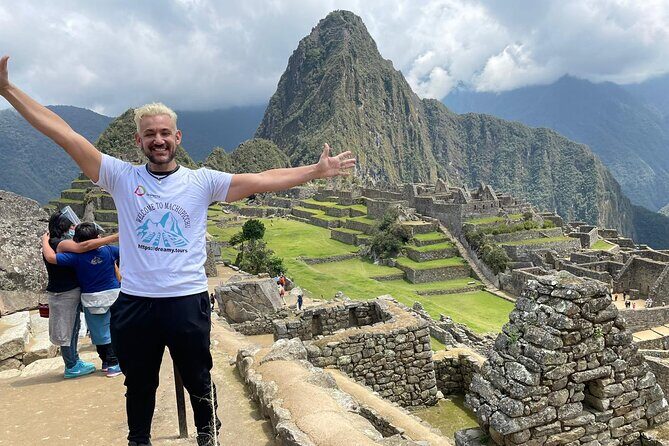
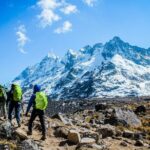
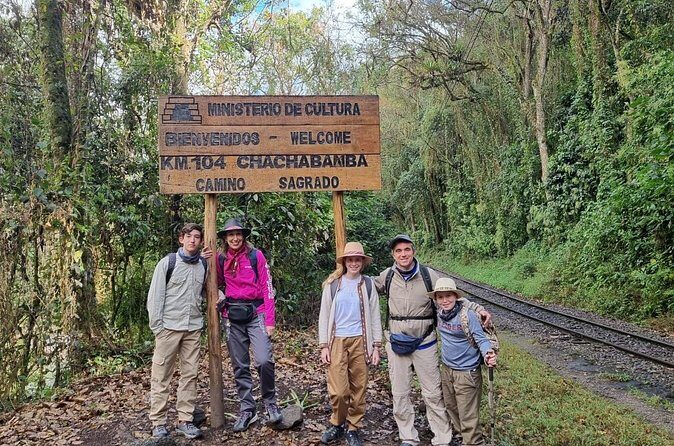
Your Day 1 starts with hotel pickup in Cusco, then transfer to the train station. From there, you head toward the start point at Km. 104 (about 2,250m). The day is designed as a gradual climb with major markers.
Here’s how the day flows:
Chachabamba (around 2,270m): the route’s opening lesson
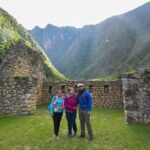
Your first archaeological stop is Chachabamba. This is where you get context before the big lift upward. Think of it as your warm-up in both altitude and understanding: you’ll begin the route and immediately connect with what you’re walking toward.
Even if you’re not a “ruins nerd,” this helps. You’re learning the pattern before the day starts throwing steep grades at you.
Wiñayhuayna (around 2,650m): the most impressive section
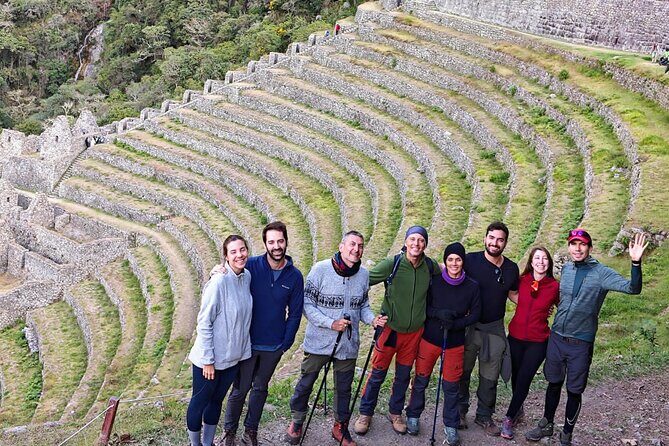
Next comes Wiñayhuayna at about 2,650m, described as the highlight of this section. In practical terms, it’s the kind of site that makes you slow down without being told to. It also helps you mentally adjust for altitude: you’re higher, the air feels thinner, and your body wants breaks—so having a meaningful stop at that point keeps the day from feeling like pure effort.
Inti Punku (Sun Gate, around 2,780m): first panoramic payoff
Then you reach Inti Punku, the Sun Gate (about 2,780m). The plan is that from there you get your first panoramic view of Machu Picchu.
This is the payoff moment you’ll remember when the rest of the day blurs together. It’s also smart pacing: you’re at your highest point before you start the descent, which makes the emotional arc cleaner. You crest, you look, and then you move down toward the citadel area.
You can also read our reviews of more tours and experiences in Cusco

Down to Machu Picchu park (around 2,400m) and onward to Aguas Calientes
After Sun Gate, you descend to the archaeological park of Machu Picchu (around 2,400m). The hike itself is listed as about 6 hours, so expect your day to be steady and active rather than “easy strolling.”
Once you’ve finished the hike, you’ll take transport to Aguas Calientes (around 2,050m) for your night in a comfortable hotel. Dinner is included, which is a small detail that matters more than people think. After Day 1, you’ll be tired, and having the first real meal handled keeps logistics from draining your energy.
Aguas Calientes overnight: why that night matters
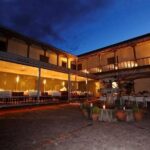
Aguas Calientes isn’t a random sleep stop here—it’s part of the strategy for Day 2. You’re overnighting in a hotel for one night, and dinner is included on Day 1.
That overnight does two practical things:
- It positions you close enough to Machu Picchu for the early start.
- It prevents Day 2 from turning into a travel day disguised as a sightseeing day.
You’ll also do the next major transfer from Aguas Calientes: meeting there before boarding the train back to Cusco. So the town is your base camp for both the citadel visit and your return.
One additional note from the logistics: the tour includes tourist buses Consettur from Machu Picchu to Aguas Calientes and back (02). There is also a third bus not included, costing $12 per person. So if your end-of-day plans change, that extra shuttle cost is something to watch.
Day 2 at Machu Picchu: dawn bus, guided tour, and optional climbs
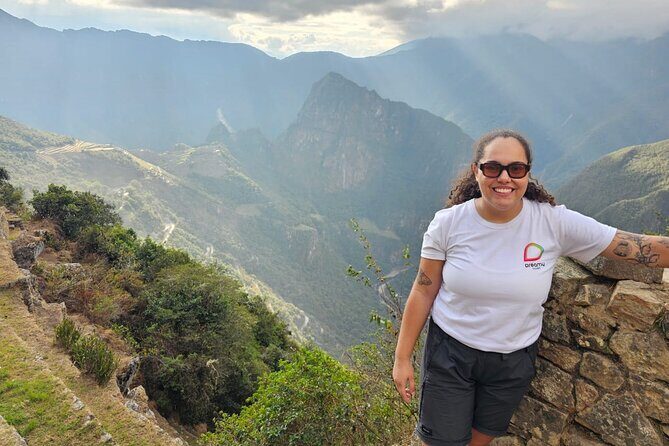
Day 2 is all about Machu Picchu itself. You start early with the first bus to the citadel (listed at about 2,400m). Your guide accompanies you and leads a guided tour, with details about the history and culture of the site.
After the guided portion, you get free time to explore on your own. That mix is important. The guide gets you oriented—where to look, what you’re seeing, and how the site fits together—then you can spend your remaining time moving at your own pace.
Optional add-ons: Huayna Picchu, Machu Picchu Mountain, or Temple of the Moon
If you want more excitement, the itinerary lists these as optional choices:
- climb Huayna Picchu
- climb Machu Picchu Mountain
- visit the Temple of the Moon
Because these are described as optional, you’ll want to confirm what’s included in your booking versus what requires separate tickets or arrangements. But at least you know the doors are open if you want a second level of challenge or a different angle on the site.
Returning to Cusco via train
To close out the tour, you’ll meet in Aguas Calientes before boarding the train back to Cusco. The train details include the route from Ollantaytambo to Km. 104 and then from Aguas Calientes to Cusco depending on availability.
So even though you’ll spend your final day in one of the world’s most famous archaeological spots, your trip home is still handled cleanly—no scrambling for last-minute transport.
Price and logistics: does $685 feel fair?
At $685 per person, this trek isn’t cheap. The question is whether that price is buying convenience or real on-the-ground value.
Here’s what’s included that reduces your independent planning load:
- Tickets to the Inca Trail and Machu Picchu
- Professional guide service (English/Spanish depending on request)
- Chachabamba and Wiñayhuayna guided visits, plus guided Machu Picchu time
- Meals: 1 breakfast, 1 lunch, 1 dinner
- Hotel for 1 night in Aguas Calientes
- Transport around the route: Cusco to Ollanta round-trip, plus train and bus components
- First aid and oxygen balloon
When you add up permits/tickets, guide time, meals, hotel, and multiple transportation legs, you’re paying for an organized route rather than only for the hiking. That’s why the price starts to look more logical.
What could surprise you is what’s not included: the third Consettur bus from Machu Picchu to Aguas Calientes costs $12 per person. It’s a small line item compared with the overall cost, but it’s still a cost you should factor in if your schedule requires it.
Also, this tour is capped at 10 travelers. That small group limit usually means you’re not stuck in a cattle-car experience at the viewpoints.
Fitness and comfort: the real demand of this route
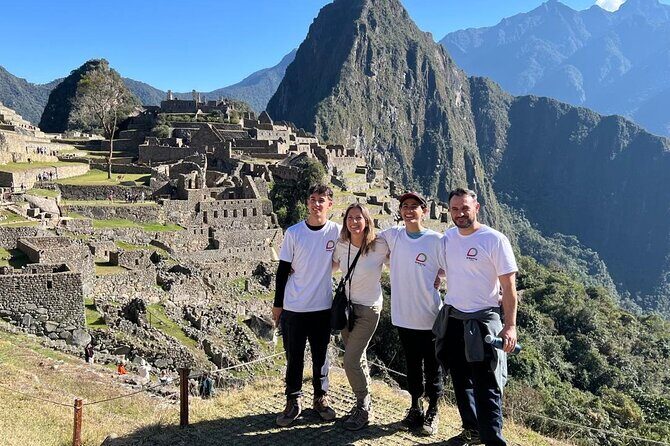
This trek is listed as requiring moderate physical fitness. That’s honest and helpful. Day 1 climbs from about 2,250m up toward 2,780m, then you descend to about 2,400m.
If you’re comfortable on steep stretches and you don’t panic when your breathing gets heavier, you’ll likely do fine. If you’re the type who tends to get knocked out by altitude, this is still doable for many people, but you should take the support seriously—this tour includes first aid and an oxygen balloon, which is exactly the kind of included safety net you want to see.
Finally, remember that the itinerary is time-pressured by design. It’s two days, so the hiking and transfers don’t leave much room for lingering.
Guide quality: why names matter here
One of the best parts of this trek is not an item on a packing list—it’s the guide. In the feedback you’ll see repeated praise for guides who stay informative and encouraging. Names that stand out include Jimy, Claudio, Jaime, Angel, and Yuliana.
In your day-to-day experience, that type of guide matters because the Inca Trail route is more satisfying when you understand what you’re standing in front of. And it matters when your legs start arguing. Multiple guides are specifically described as pushing people through the journey and explaining Inca culture in a way that feels practical, not lecture-y.
If you’re traveling with kids or you want a calmer pace than a hardcore hike, that guide support becomes even more important.
Should you book this Trek Inca Trail Machu Picchu (2 days)?
Book it if you want:
- the Inca Trail feeling without a longer trek
- a guided route through Chachabamba, Wiñayhuayna, and Inti Punku
- Machu Picchu on Day 2 with early access and a real mix of guided time plus freedom
- an organized bundle of tickets, meals, hotel, and transport for a set price
Think twice if:
- you’re very sensitive to altitude changes or you tend to struggle on descents after a climb
- you need lots of unscheduled downtime (this itinerary keeps moving)
- you want total control over bus timing and optional climbs, since some add-ons are listed as optional and one bus leg is not included
If you fit the moderate-fitness category and you’re excited by the idea of hiking into Machu Picchu rather than just arriving there, this is a strong choice.
FAQ
Where is the meeting point for the tour?
The meeting point is Plaza de Armas in Cusco, Peru.
Do you get hotel pickup?
Yes. Pickup is offered at the hotel lobby. The guide is noted as wearing a white t-shirt with the company logo.
What language will the guide speak?
The guide service is listed as professional and offered in English/Spanish, depending on the language of request.
What is the group size limit?
This activity has a maximum of 10 travelers.
How long is the trek and the overall experience?
The tour lasts 2 days (approx.).
What happens on Day 1?
Day 1 includes train travel toward Km. 104, guided visits to Chachabamba and Wiñayhuayna, passage by Inti Punku (Sun Gate), a hike to the Machu Picchu archaeological park (about 6 hours), then transport to Aguas Calientes for your night in a hotel.
What happens on Day 2 at Machu Picchu?
You take the first bus to Machu Picchu early, then have a guided tour. After that, you have free time to explore. Optional activities like Huayna Picchu, Machu Picchu Mountain, or the Temple of the Moon are listed.
Are meals included?
Yes. Lunch, dinner, and breakfast are included (1 breakfast, 1 lunch, 1 dinner).
What transport and tickets are included?
Tickets to the Inca Trail and Machu Picchu are included, along with the train and bus components described in the inclusions (including Consettur tourist bus rides between Machu Picchu and Aguas Calientes as part of the package).
What’s not included?
The third Consettur bus from Machu Picchu to Aguas Calientes is not included and costs $12 per person.
What if I need to cancel?
This experience is listed as non-refundable and cannot be changed for any reason.