REVIEW · CUSCO
5-Day Salkantay Trek Machu Picchu
Book on Viator →Operated by Chullos Travel Peru · Bookable on Viator
Five days can feel like a lifetime in Peru. This Salkantay trek is a fast route to Machu Picchu, with altitude, forests, river valleys, and Sacred Valley calm all stitched into one trip.
I especially like two things. First, the food gets real care: multiple guides and cooks (including chef Nasario) are praised for plentiful meals and rotating menus, with no dish repetition across the days. Second, the human factor matters here. Guides like Jimmy Perez, Jonas, Moses, Jimi, Moises, and Mercedes come up again and again for keeping the group informed, organized, and upbeat.
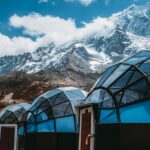
One drawback to think through: camping comfort may be rustic. Sleeping bags and trekking sticks are not included, and one note suggests you may want to upgrade the tent setup (like dome/constructed tents) if that option exists.
In This Review
- Key takeaways before you go
- Cusco 5:00 am starts and the Humantay Lagoon push
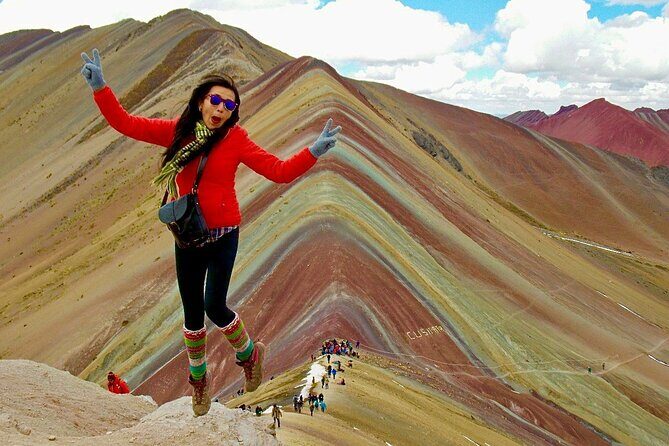
- Day 2 over Salkantay Pass: coca tea, stone steps, and big views
- La Playa camp day: rivers, wild strawberries, and fruit-filled jungle
- From Patallacta to Aguas Calientes: Inca trail vibes and the first Machu Picchu view
- Machu Picchu morning: bus to the ruins, a 2-hour guide, and ticket circuits
- Price and what $399 buys you (and what it doesn’t)
- Guides and camp food: why this trip gets a near-perfect score
- What to bring: the trekking essentials the package doesn’t cover
- Who this trek fits best—and who might want a different route
- Should you book this Salkantay Trek to Machu Picchu?
- FAQ
- How long is the Salkantay trek to Machu Picchu?
- What’s included in the tour price?
- Are Machu Picchu tickets included?
- Is pickup from Cusco included?
- What physical level do I need?
- How large is the group?
Key takeaways before you go
- Pickup from Cusco around 5:00 am and transport to the trailhead so you start early, not late
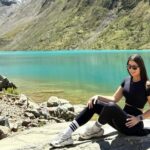
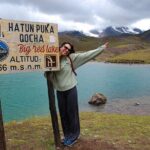
- Humantay Lagoon at 4,220 m after a 1.5-hour climb from Soraypampa, with big payoff views
- Salkantay Pass day with coca tea plus cloud forest and subtropical forest trekking
- La Playa camp day with river scenery and seasonal wild finds like wild strawberries and orchids
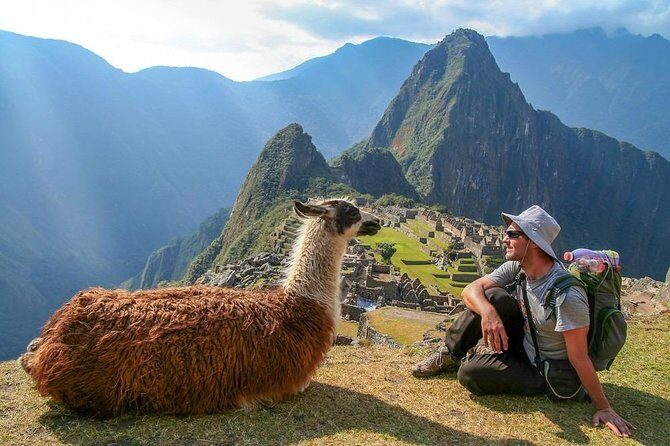
- Machu Picchu via Inca-trail segments with first views at Patallacta/Llactapata before Aguas Calientes
Cusco 5:00 am starts and the Humantay Lagoon push
This trek begins with an early hotel pickup in Cusco at 5:00 am. You ride out to the trail area (via tourist mobility), meet your team, and then get rolling. Day 1 is not just warm-up legs. It sets the tone with viewpoints over two valleys (Mollepata Valley and Marqoq’asa) before you hike toward Soraypampa.
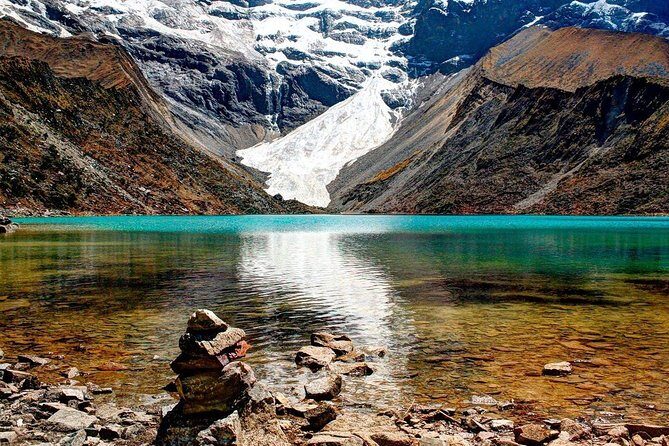
Then comes the Humantay Lagoon moment. After lunch in Soraypampa, you climb for about 1 hour 30 minutes up to the lagoon at 4,220 meters. That height matters. Even if you’re fit, you’ll feel it. The trade is worth it: the payoff is the kind of scenery that makes you slow down and look instead of just walking.
Two practical notes for day 1. Breakfast is on your own at the start. And Humantay Lagoon time also depends on your pace and weather, so don’t plan anything tight right after you return.
You can also read our reviews of more hiking tours in Cusco
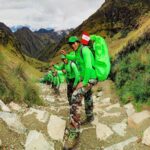
Day 2 over Salkantay Pass: coca tea, stone steps, and big views
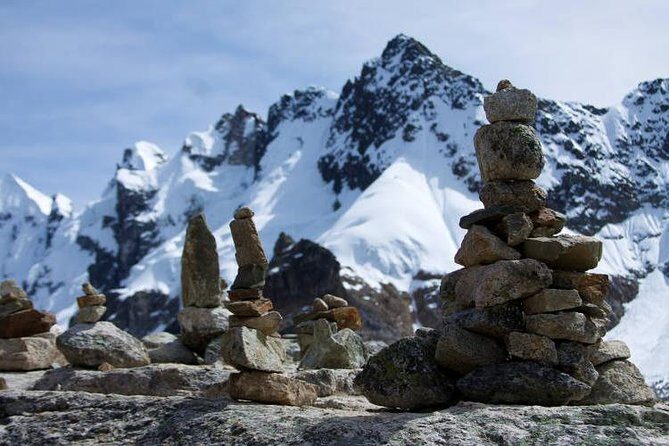
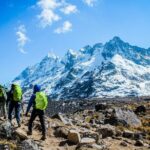
Day 2 is the heart-pounding day. You wake up to a hot glass of coca tea, which is a simple comfort move for cold mornings at altitude. After equipment prep, you work your way toward the Salkantay pass, then pass through cloud forest and subtropical forest.
This is when “challenging” becomes a real word. You’ll hike more than on day 1, and the last effort to the top is a push. The view is the reward for that effort, and the descent afterward is what tests your legs. The route includes a stone-heavy descent, aiming toward an area with tropical forest vibes by the end of the day.
If you want a smooth trek, focus on pacing here. Step frequency beats speed. Also, this is a good day to lean on the group rhythm—especially since your tour runs with a maximum of 15 people, so you’re not swallowed by a huge crowd.
La Playa camp day: rivers, wild strawberries, and fruit-filled jungle
Day 3 shifts gears. In the morning, you head through a green, natural trail that feels closer to river life than day 2’s altitude grind. This route runs near tributaries feeding the Urubamba River (the Sacred Valley’s main river). You’re also often close to the white Salcantay river, which adds that moving-water background that makes long days feel shorter.
The best part is the variety. Along the trail, you might spot wild strawberries on both sides (if it’s in season), plus wild flowers, orchids, birds, and fruit plants. The walk is described with fruit and crop details like passion fruit, avocados, coffee plantations, bananas, pineapples, and more. You’re not just trekking through a single “type” of scenery. You’re walking through different micro-worlds.
Timing matters too. The hike is about 5 hours, and the camp lands in La Playa. That matters because day 4 involves an early push toward Machu Picchu. If you can, try to eat well and take a few minutes to reset your legs in camp.
From Patallacta to Aguas Calientes: Inca trail vibes and the first Machu Picchu view
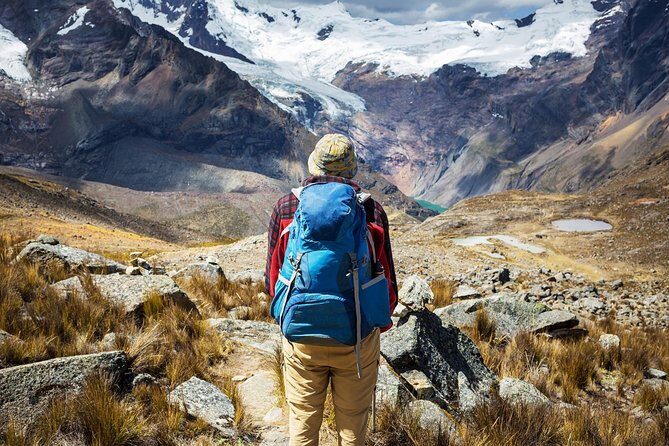
Day 4 starts very early from La Playa to reduce the hit from humidity and sun. This day follows part of the original Inca Trail, running from Lucmabamba to the Llactapata Pass. You cross the Santa Teresa Valley, so you get a mix of green scenery and a quieter trail feeling compared to the busier final day.
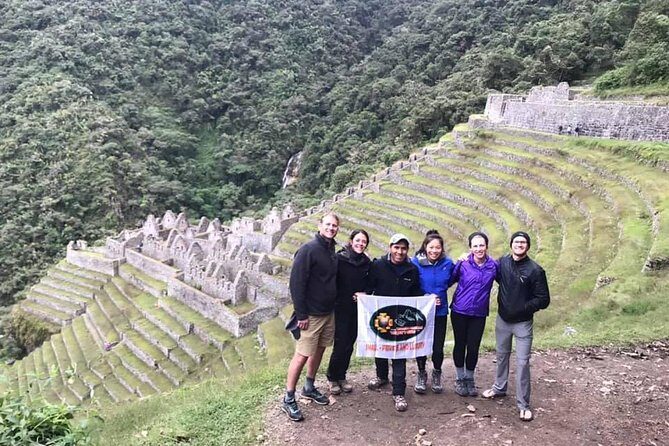
You reach ruins at Patallacta, and that’s when the trip starts to look like the movie version. You get the first view of Machu Picchu along with the Andes around it. Then you explore the Llactapata Incan site. This is one of the best emotional steps of the trek: you’re not just approaching a landmark. You’re seeing it appear after hours of hiking effort.
The descent is intense later. You move down through bamboo and coffee areas (Valle de Aobamba), then drop about two hours to the riverbank at Hydro. From the Aobamba river, the road to Hydro gets easier, and the final stretch to Aguas Calientes follows the train track for about two and a half hours.
This day is a lot of legs. The upside is that it blends real trekking with that “we’re close now” feeling—without skipping the in-between views.
Machu Picchu morning: bus to the ruins, a 2-hour guide, and ticket circuits
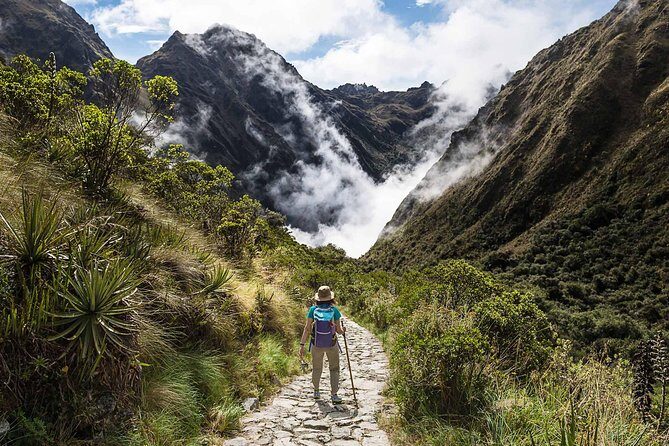
Day 5 is structured around the earliest bus to Machu Picchu. You show your entrance ticket at arrival, and then you get a guide explanation for about 2 hours. After that, you return to Aguas Calientes for lunch.
Then it’s train time. You board the train to Ollantaytambo, and from there you travel back to Cusco by bus to your hotel.
Tickets are a big deal with this package, so treat this as more than fine print. Machu Picchu tickets are subject to availability, and the authorized seller is Peru’s Ministry of Culture. Tickets are handled according to circuits 1 and 2. If your preferred circuit isn’t available, the operator says they may offer other circuits for an added price difference. If no Machu Picchu tickets are available, you get a full refund for the tour package.
One detail to watch: the package notes a professional tour guide only in circuit 2. Since day 5 talks about a guide explanation at Machu Picchu, it’s worth confirming what circuit you’re receiving so you know exactly what kind of guiding is included with your entry.
You can also read our reviews of more tours and experiences in Cusco
Price and what $399 buys you (and what it doesn’t)
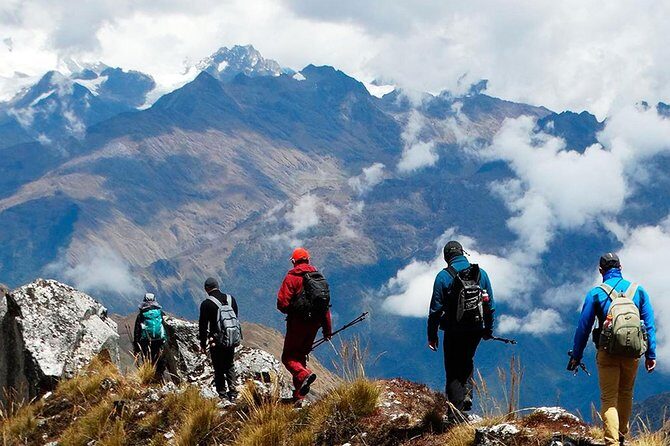
At $399 per person, this trek looks like good value for a five-day package that includes a lot of logistics already handled. Your price includes a return train ticket, an air-conditioned vehicle, a camping kit, and oxygen assistance. You also get breakfasts and dinners (4 each) and additional included meals through the trip, plus a guide in the Machu Picchu portion depending on circuit.
What’s not included matters just as much. Sleeping bag is not included. Trekking sticks are not included. Machu Picchu tickets are not guaranteed in the base price; they’re subject to availability for circuits 1 and 2, and the operator may adjust the circuit (and price difference) if needed. Bus tickets in Machu Picchu are also not included. And entries/meals not listed are not covered.
So the value equation is this: you’re paying for the trek experience plus transportation and camp support, while your comfort gear and your Machu Picchu logistics sit in a second layer. If you arrive prepared, $399 can feel like a fair deal. If you need to buy more on top, it may feel tighter.
Also, the trek is typically booked about 60 days in advance, and it runs with small-group size. Booking early helps you get the schedule and ticket options you want.
Guides and camp food: why this trip gets a near-perfect score
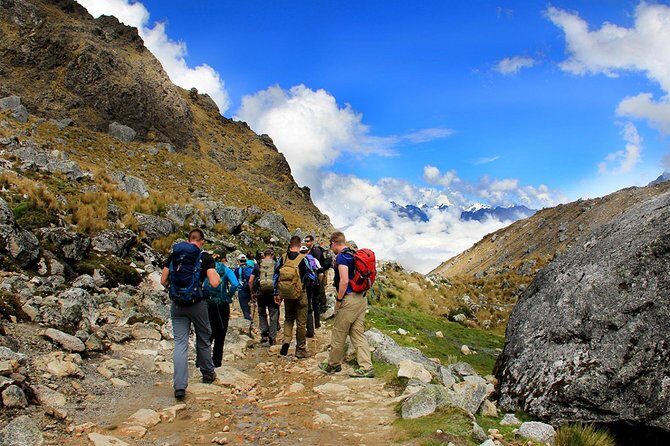
This is a small-group trek, up to 15 people, and that scale shows up in the way staff support you. The strongest praise in the feedback centers on the guide-cook team.
On the food side, cooks are repeatedly praised for delicious meals and serious variety—chef Nasario gets a standout mention. One highlight is the claim that dishes didn’t repeat across the whole trek, with day-to-day rotation that makes camp meals feel like more than survival food. There’s also praise for accommodating special meal requests.
On the guiding side, names keep coming up: Jimmy Perez is praised for being great, Jonas and Jimi are praised for knowledge and energy, and Moses is praised for communication and organization that keeps the group safe and on track. Manuel gets credit for professionalism and group care, and Moises and Mercedes appear as top picks for coordination and experience.
The practical takeaway: when you’re hiking at altitude, the guide’s pace control and historical context both matter. You’ll get better trekking because the group moves together. You’ll also enjoy Machu Picchu more because the explanation comes in before you wander.
What to bring: the trekking essentials the package doesn’t cover
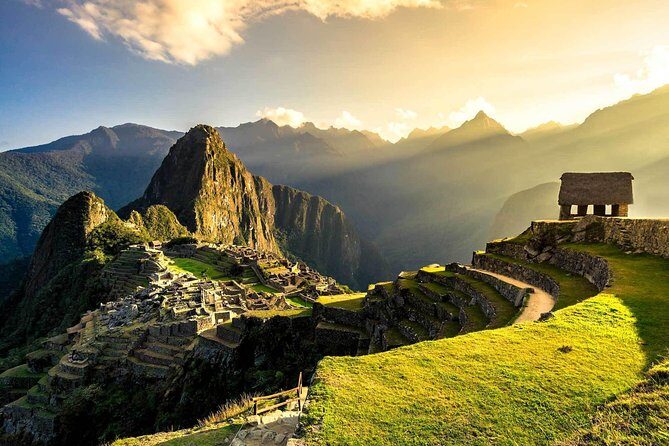
You’ll want to pack for altitude and camping, but stick to what’s explicitly not included. The tour does not include a sleeping bag, and it does not include trekking sticks. Bring your own if you have them.
Also, camping can be described as having amenities that could be better, with one request for dome/constructed tents. That suggests the base setup may be functional rather than hotel-comfy. If you have the option to upgrade your tent type, it’s worth asking early.
Finally, factor in the Machu Picchu day’s transportation reality. You’ll need your bus day covered where mentioned: bus tickets in Machu Picchu are not included, and your Machu Picchu entrance depends on ticket availability and circuits.
Who this trek fits best—and who might want a different route
This is best for people with strong physical fitness. The days include long hikes (day 2 is about 9 hours, day 3 about 5 hours, day 5 about 7 hours), steep sections, and a stone-heavy descent. Day 4 includes an extreme descent to the riverbank plus a long walk to Aguas Calientes.
If you like a challenge and you’re comfortable with high-altitude hiking, this is a great match. It also works well if you want the sense of getting closer to Machu Picchu over multiple days, not just arriving at it cold.
If you struggle with altitude, have limited hiking stamina, or expect a soft landing every day, you’ll likely feel it here—even with oxygen assistance included.
Should you book this Salkantay Trek to Machu Picchu?
I’d book it if your priority is a true walking route to Machu Picchu, with strong support, good food, and guides who know both logistics and local history. The combination of Humantay Lagoon, the Salkantay pass push, the green river day to La Playa, and the Inca-trail approach to Machu Picchu is exactly the kind of pacing that makes the final ruin visit feel earned.
I would hold back if you’re relying on guaranteed Machu Picchu ticket availability or if you want the package to supply everything for sleeping and comfort. Since tickets are subject to availability and camping gear is partial, you’ll want to confirm your circuit and gear needs early.
If you can handle a hard trek and you’ll pack a sleeping bag, this price and setup can be a solid value for a memorable, in-the-steps-to-Machu-Picchu experience.
FAQ
How long is the Salkantay trek to Machu Picchu?
The trip is approximately 5 days, with day-by-day hiking and travel that culminates at Machu Picchu on day 5.
What’s included in the tour price?
Included items listed are return train ticket, air-conditioned vehicle, camping kit, oxygen assistance, breakfasts and dinners (4 each), and lunch (4). A professional tour guide is noted for circuit 2.
Are Machu Picchu tickets included?
Machu Picchu tickets are not listed as included as a guaranteed item. Tickets are subject to availability, handled for circuits 1 and 2 through Peru’s Ministry of Culture. If no tickets are available, you receive a full refund of the tour package.
Is pickup from Cusco included?
Yes. The tour offers pickup from hotels in Cusco.
What physical level do I need?
Strong physical fitness is recommended, since the trek includes long hiking days and challenging sections, including steep descents.
How large is the group?
The maximum group size is 15 travelers.