REVIEW · CUSCO
Full Day – Sacred Valley & Ccaccaccollo (Weaving experience)
Book on Viator →Operated by Valencia Travel Agency S.a.c. · Bookable on Viator
Wool, plants, and patience. This full-day Sacred Valley trip turns Cusco culture into something you can actually see and understand, from Ccaccaccollo weaving to guided Inca ruins at Pisac and Ollantaytambo.
I love that the weaving stop is not just a show. You get a chance to participate while learning how families keep textile traditions alive across generations.
Two highlights really land for me: the hands-on Ccaccaccollo process (from shearing to natural dyes and finally weaving) and the guided ruins that explain Inca structures like the Intihuatana at Pisac. Both make the day feel like more than a photo stop.
One consideration: entrance fees can add up since a general tourist ticket and Pisac ruin entry are not included, and the day depends on good weather.
In This Review
- Key things that make this day work
- Ccaccaccollo weaving: more than a craft stop
- Pisac market and the Intihuatana: where ruins explain themselves
- Ollantaytambo: old streets, real continuity
- Time, pace, and how the 8 hours usually feel
- Price and value: what $98.71 is really buying
- Guides you might get: the day’s tone depends on your person
- Who should book this Sacred Valley weaving day
- Should you book it?
- FAQ
- How long is the Sacred Valley & Ccaccaccollo weaving tour?
- Is pickup included?
- What’s included in the price?
- Are entrance tickets included?
- What language is the tour offered in?
- Is this tour private?
- What happens if the weather is bad?
- What is the cancellation policy?
Key things that make this day work

- Ccaccaccollo weaving, step by step: shearing, spinning, natural-soap washing, plant dye sourcing, then weaving
- You get translation context for the symbols: the guide explains iconography and meaning in Quechua with English support
- Pisac ruins with focused explanations: temples, homes, altars, tunnels, caves, and the Intihuatana clock-like structure
- Time-flexible market stop: tell your guide if you’d rather spend more time browsing in Pisac
- Ollantaytambo without fuss: narrow streets and canals that feel remarkably continuous with Inca-era planning
- English guided day with transport: pickup and a professional guide, built for an 8-hour rhythm
Ccaccaccollo weaving: more than a craft stop
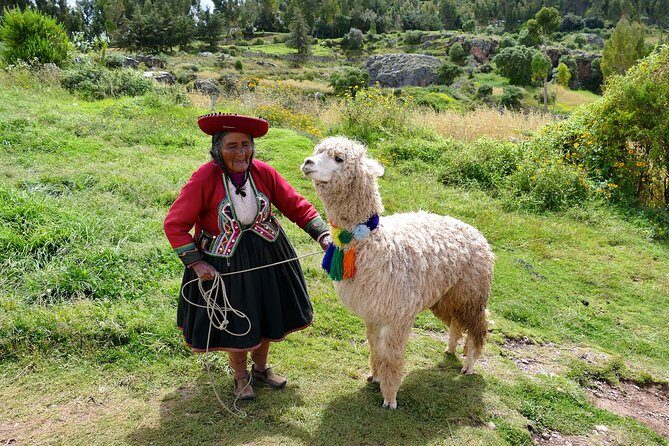
The best part of this tour is the way Ccaccaccollo gives you the logic behind Andean textiles. It’s not framed as a souvenir-only experience. You’re shown how families organize their work and how wool becomes clothing—and why the patterns matter.
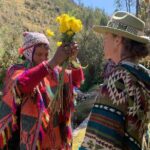
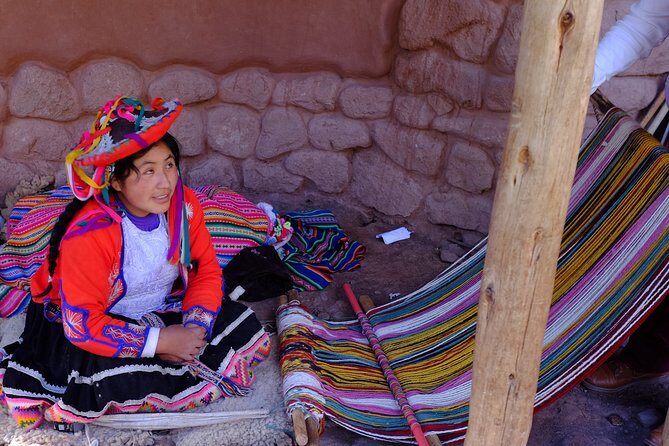
At Ccaccaccollo, families share roles that follow a long tradition: women weave, while men focus more on agriculture. The weaving knowledge is described as something transmitted from mother to daughter through many generations. That history matters because it explains why the designs look the way they do. These aren’t random decorations. They’re a visual language tied to families and time.
Then comes the process, in a very practical order. You can expect to see (and be guided through) the textile chain from the shearing of the wool through spinning, washing with natural soap, and dye preparation using plants and flowers. A local guide also directs which plants will be picked up for natural dyeing, which turns the explanation into something you can track step by step rather than a blur of demonstrations.
If you’re the type who likes to understand what you’re looking at, you’ll probably enjoy the way your guide helps you interpret the different styles and shapes on the textiles. The point is to go beyond watching hands move. You’re meant to connect the pattern choices to meaning, using translation support in English.
You can also read our reviews of more tours and experiences in Cusco



Pisac market and the Intihuatana: where ruins explain themselves
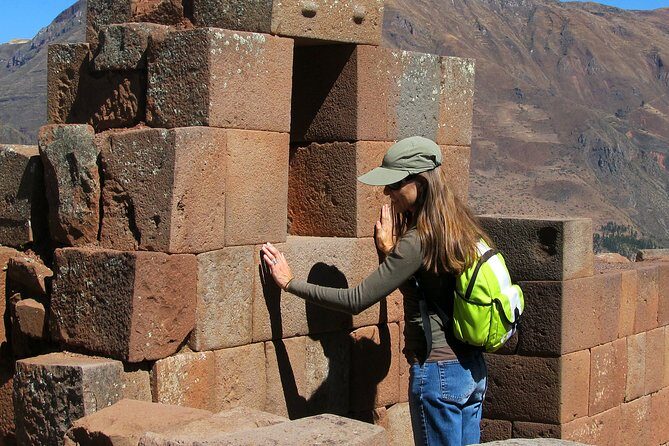
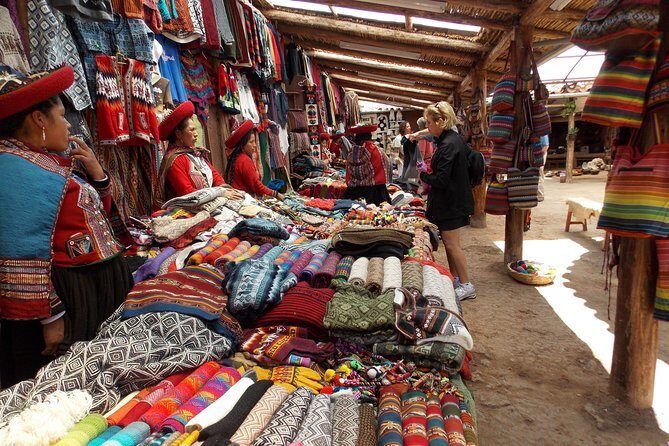
After the weaving stop, the day shifts into Inca sites—starting with Pisac. First, you spend time at the colourful Pisac market. This is your chance to browse and pick up local souvenirs if you want them. The tour doesn’t trap you in a rigid routine here. You can simply ask your guide to adjust the timing so you can spend more time in the market instead of visiting the ruins immediately.
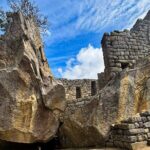
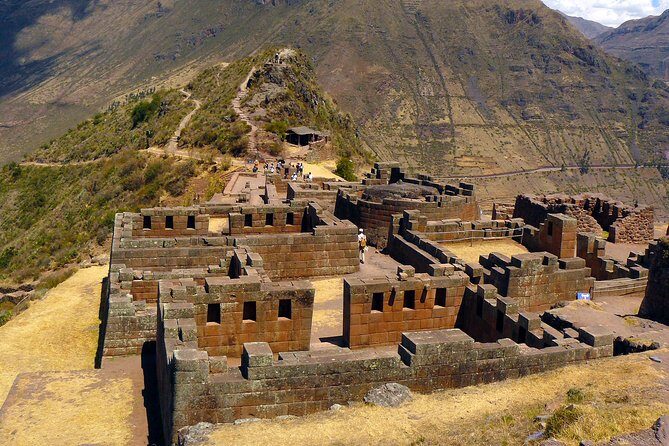
Then you move to the archaeological area of Pisac. This is where the tour’s guided element really earns its keep. You don’t just wander among stones—you get a structured explanation of what you’re seeing: temples, homes, altars, carvings, tunnels, and caves.
The Intihuatana is the headline. It’s described as a religious structure that was used like a clock to measure the time for winter solstice celebrations. The name is explained in a way that helps you visualize the idea—tying the sun. Even if you’ve read about Inca astronomy before, this kind of guided framing makes the site feel more purposeful instead of just impressive.
What to watch for: you’ll likely be moving between different ruin features rather than sticking to one viewpoint. That’s a good thing. It keeps your attention on multiple details, especially the carvings and the varied built spaces like tunnels and caves.
Ollantaytambo: old streets, real continuity
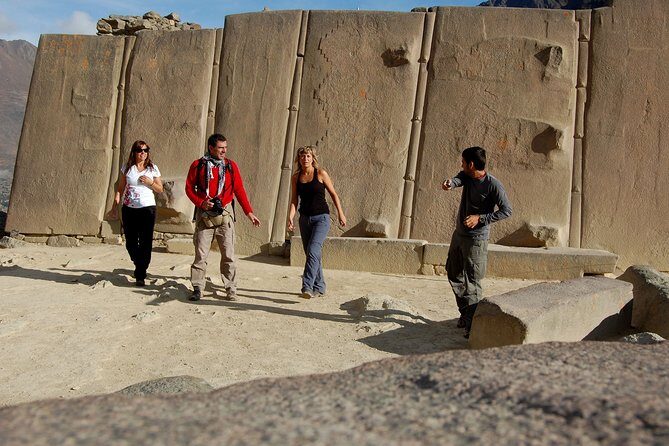
Ollantaytambo rounds out the day with a different kind of payoff. Here the focus is on how the town’s layout—narrow streets with canals—has not changed much from Inca times. That continuity is the point: you’re not only seeing remains. You’re seeing a settlement pattern that still feels alive in the modern town.
You get a guided visit, and at the end you’re dropped off back at your hotel. That matters more than it sounds. By the time you reach Ollantaytambo, you’ve already spent hours traveling and learning. A direct drop-off helps you avoid the late-day scramble that can steal your energy.
Also, the itinerary lists entry as free for this stop. So you’ll spend your time on the explanation and atmosphere rather than waiting for tickets.
Time, pace, and how the 8 hours usually feel
This is an 8-hour day, starting at 8:00 am with hotel pickup (you provide your hotel information). The tour is designed as one continuous route through the Sacred Valley: Ccaccaccollo first, then Pisac (market + ruins), then Ollantaytambo, with hotel drop-off at the end.
That pacing is ideal if you want a single day that covers multiple layers of the region: living culture (weaving) and built Inca heritage (Pisac and Ollantaytambo). It’s also ideal if you’re trying to avoid planning separate transport and guide arrangements for each stop.
If you have strong preferences, be proactive early. For example, at Pisac you can tell your guide you want more time in the market and they can organize when to collect you for the return past the market. That kind of flexibility can make the difference between a day that feels rushed and one that feels tailored.
Price and value: what $98.71 is really buying

At $98.71 per person, you’re paying for two big things: a professional guide and transportation. Those are the parts that are hardest to assemble yourself for a full-day route, especially with pickup included.
What’s not included can affect your final budget. The tour does not include the general tourist ticket/entrance fees and it also notes that all fees and taxes aren’t included. In the itinerary, Ccaccaccollo is listed as free admission, and Ollantaytambo is also listed as free. The standout paid component is Pisac ruins, where the admission ticket is not included.
So how do you judge value? In my mind, the value isn’t only the ruins. It’s the combination:
- A weaving experience that walks you through the entire workflow, including natural dye plant selection and symbolic interpretation
- A guided Pisac ruin tour that specifically explains major features like the Intihuatana
- An end-of-day drop-off that keeps you out of logistics mode
You’re basically paying to have someone translate the Sacred Valley for you while you move efficiently between stops. If you want a day that feels informative without turning into an exhausting independent planning project, this price is in the right zone.



Guides you might get: the day’s tone depends on your person
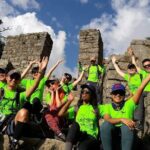
One thing that comes through in the guide praise is personality plus expertise. Past participants mention guides such as Edward, Carlos, Corina Durann, Ketty Duran, and Rueben/Ruben. The common thread is that the explanations land well—history and culture come with clear storytelling, and the guides tend to keep the mood friendly.
That matters on a day like this. You’re learning a lot in a short time: textile steps, symbol meaning, and multiple ruin areas. A guide who can answer questions and keep things moving makes it easier to remember what you saw when you’re done.
Who should book this Sacred Valley weaving day
This tour is a great match if you want:
- A cultural experience with real process, not just watching something through glass
- Guided interpretation at Pisac (including timekeeping context around the Intihuatana)
- A full-day route with transport and hotel pickup, so you can focus on the experience
It may be less ideal if you want a purely self-paced day with lots of free wandering. This itinerary is built as a structured route, and while you can ask for market-time adjustments at Pisac, the overall day still runs on set stop times.
It also suits English speakers, since the tour is offered in English. Most travelers can participate, so this looks designed for a wide range of visitors.
Should you book it?
If your idea of a great Sacred Valley day includes both living culture and guided ruins, I’d book this. The weaving portion is the real differentiator: you learn the chain of work from wool to dye to weaving, and you’re guided toward understanding the meaning behind the patterns. Then the day builds that knowledge with Pisac’s ruins—especially the Intihuatana—and finishes with Ollantaytambo’s Inca-feeling streets and canals.
The only reason I’d hesitate is if you’re on a tight entrance-fee budget or you’re traveling when weather is uncertain. Since the experience depends on good weather and entrance fees aren’t included, you’ll want to plan a little buffer. If you’re flexible and you like getting explanations rather than just sightseeing, this is a smart, efficient day.
FAQ
How long is the Sacred Valley & Ccaccaccollo weaving tour?
It runs about 8 hours, starting at 8:00 am.
Is pickup included?
Yes. Pickup is offered, and you’ll need to provide your hotel information.
What’s included in the price?
The tour includes a professional guide and transportation.
Are entrance tickets included?
No. The general tourist ticket/entrance fee is not included, and Pisac admission is not included. Ccaccaccollo and Ollantaytambo are listed as free admission in the itinerary.
What language is the tour offered in?
It’s offered in English.
Is this tour private?
Yes. It’s described as a private tour/activity, meaning only your group participates.
What happens if the weather is bad?
The experience requires good weather. If it’s canceled due to poor weather, you’ll be offered a different date or a full refund.
What is the cancellation policy?
You can cancel up to 24 hours in advance for a full refund. If you cancel less than 24 hours before the start time, the amount paid is not refunded.