REVIEW · CUSCO
Excursion to the Sacred Valley of the Incas
Book on Viator →Operated by Andean Road Peru · Bookable on Viator
Early starts beat slow travel. This full-day Sacred Valley loop is a practical way to see several big-hitter Inca and colonial stops without stitching together buses all day. I especially like how it mixes craft culture (Chinchero) with the valley’s famous engineering (Moray and the salt pools). The itinerary also keeps the day moving, so you get more variety in one outing.
I also really like the included buffet lunch in Urubamba. You’re not stuck hunting for food between sites, and the meal is positioned right when your energy will likely dip. Plus, the tour runs with a small maximum group size (10), which often makes the pace feel easier and more personal.
One thing to plan for: you’ll likely climb stairs and deal with altitude and breathlessness at Inca sites. If you’re sensitive to heights or have limited stamina, go into the day with slow steps, water, and realistic expectations.
In This Review
- Key Highlights You’ll Feel Right Away
- Hotel Pickup at 7:00 and a Full Day That Actually Works
- Chinchero: Inca-Style Walls and a Textile Center
- What to watch out for
- Moray: The Inca Agricultural Laboratory With Terraces for Different Microclimates
- A budget note
- Salinas de Maras: Thousands of Salt Wells Still in Use
- Another possible extra payment
- Urubamba: The Included Buffet Lunch Stop You’ll Appreciate
- What to do if you’re picky
- Ollantaytambo: Fortress Views and a Stronghold for Defending the Valley
- Altitude and stairs matter here
- Pisac: Panoramic Archaeology and a Craft Market Finish
- Photo tip for this part of the day
- Group Size, Guides, and the Language Mix
- The Real Value: What You Pay for Versus What You Add
- My practical suggestion
- Stairs, Altitude, and How to Make the Day Feel Easier
- Should You Book This Sacred Valley Excursion?
- FAQ
- What time does the Sacred Valley excursion start?
- How long is the tour?
- What does the $60 price include?
- Are entrance fees included?
- How much extra should I budget for the salt mines?
- Does the tour include snacks?
- What language is the guide?
- Is this tour private?
Key Highlights You’ll Feel Right Away
- Small-group format with a maximum of 10 people, which can mean closer access and a more personal vibe
- Chinchero’s craft focus, including time at the Textile Interpretation Center
- Moray’s microclimates, where circular terraces were used for agricultural experimentation
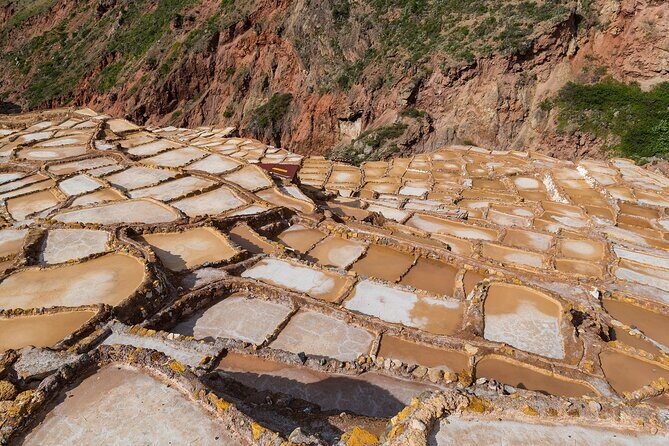
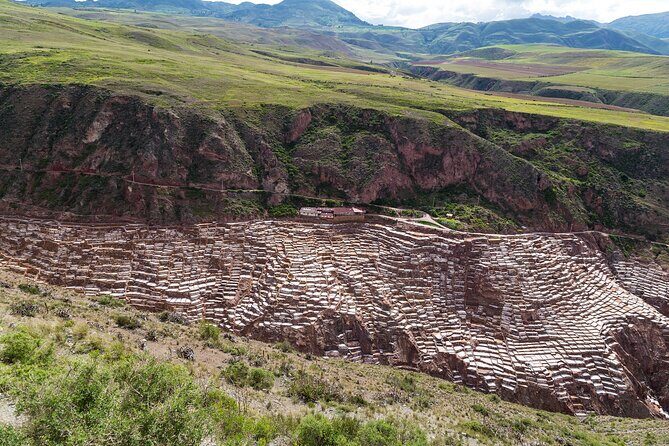
- Salinas de Maras salt wells, with about 2,000 small wells still worked today
- Urubamba buffet lunch included, so you’re fueled for the afternoon archaeology
- Ollantaytambo and Pisac for fortress views, panoramic angles, and a craft market stop
Hotel Pickup at 7:00 and a Full Day That Actually Works
The day starts early, with pickup from your Cusco hotel around 7:00 a.m. The goal is simple: beat the mid-morning rush and get you into the Sacred Valley before crowds and heat build. You also get that “hands-off” convenience of transport lined up end to end, so you’re spending time looking, not negotiating buses.
Because the tour runs about 11 hours, you’ll want to treat it like a marathon, not a casual stroll. Wear layers (Cusco weather can shift), and plan on a few stops where time feels short but views feel big. The day is paced so you can hop between sites without feeling like you’re repeating the same scenery.
You can also read our reviews of more tours and experiences in Cusco.

Chinchero: Inca-Style Walls and a Textile Center
Chinchero is one of those places that tells you, quickly, what the region values. You’ll see traditional Inca wall constructions paired with a colonial church, and the mix gives you a sense of how layers of culture accumulated here.
The best part for many people is the chance to visit the Textile Interpretation Center. If you’ve ever wondered why Andean textiles look the way they do, this is the kind of stop that helps you read the meaning behind colors and patterns instead of just seeing fabric as decoration. It’s also a good place to slow down for a bit, since it’s more focused and less “rush to the next ruin.”
What to watch out for
Even in the “free” or low-entry parts of the route, expect uneven ground and some walking. If your knees hate stairs, it’s still worth going slowly here to save energy for later Inca areas.
Moray: The Inca Agricultural Laboratory With Terraces for Different Microclimates
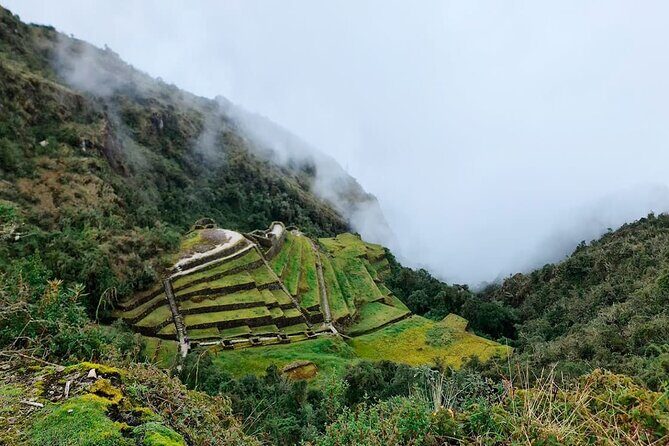
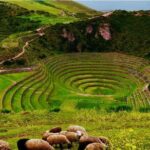
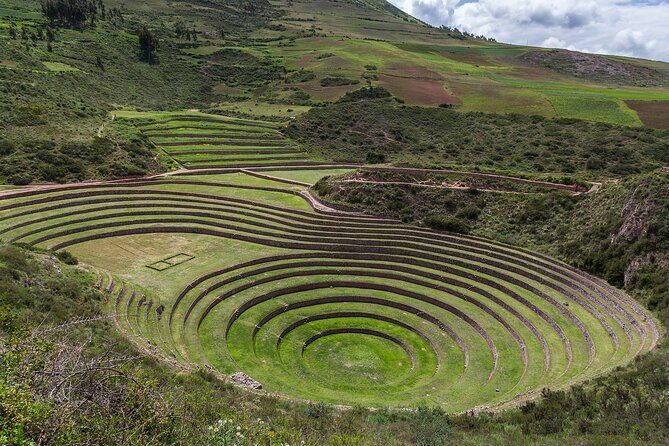
Moray is where the Sacred Valley starts feeling like a science project done with stone. The famous circular terraces were used for agricultural experimentation, because each level created a different microclimate. In other words: the Incas were testing how conditions changed with elevation and exposure, then using that knowledge to grow food more effectively.
You’ll spend about an hour here. That’s enough time to take photos, understand the basic idea of the terraces, and spot how the design creates varied growing conditions. It’s also a nice contrast after Chinchero’s crafts and church details—here, you’re looking at engineering.
A budget note
Moray’s admission is not included, so bring cash or plan for this extra cost when you arrive. This is one of the “small fee” moments that can add up later in the day if you’re not expecting it.


Salinas de Maras: Thousands of Salt Wells Still in Use
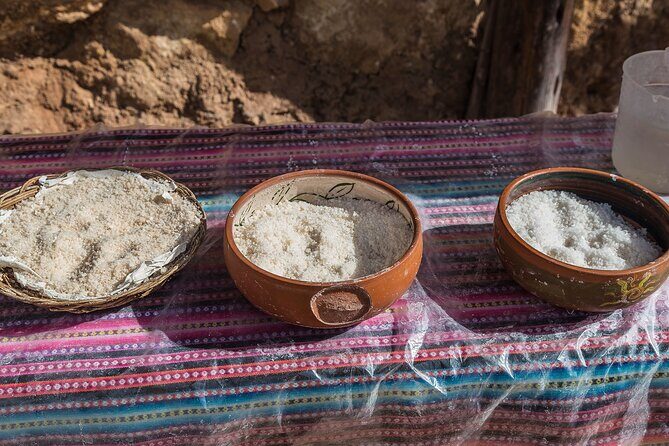
Then comes one of the most visually striking scenes in the valley: the Salinas de Maras salt pools. The area is made up of about 2,000 small wells, and unlike many ruins that exist only in memory, these are still being exploited by locals.
The visit is about an hour, which is ideal. You get time to understand the layout, see the work area, and wander for photos without feeling trapped in a timed line. It’s also a place where the light can help—try different angles so you can see how the wells stack and reflect.
Another possible extra payment
Access to the salt mines is listed as not included, with a fee of PEN 20 per person. If you’re budgeting tightly, add this in advance. It’s also one of the stops that people sometimes find more “pay at the gate” than expected.
Urubamba: The Included Buffet Lunch Stop You’ll Appreciate
After more site time, the tour shifts into a lifesaver mode: Urubamba lunch. This is where you get a buffet lunch included with local and Cusco cuisine. You’re not just grabbing something quick—you’re set up to eat well before the afternoon archaeology.
I like lunch being placed here because it prevents that common travel trap: arriving hungry, then rushing through later sites because you’re tired and cranky. A buffet format is also practical in a group—everyone can adjust to what they feel like eating that day.
What to do if you’re picky
Snacks are not included, so if you tend to get hungry between meals, plan ahead by bringing something small from town. It also helps during waiting times between stops.
Ollantaytambo: Fortress Views and a Stronghold for Defending the Valley
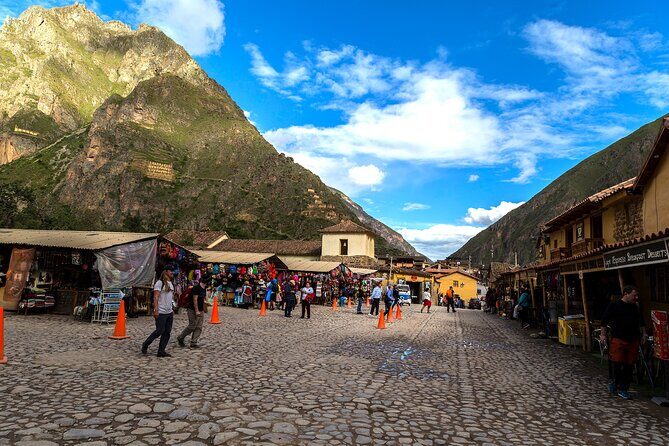
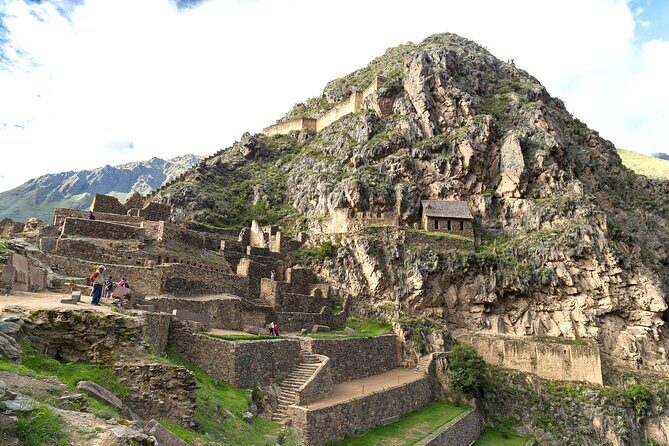
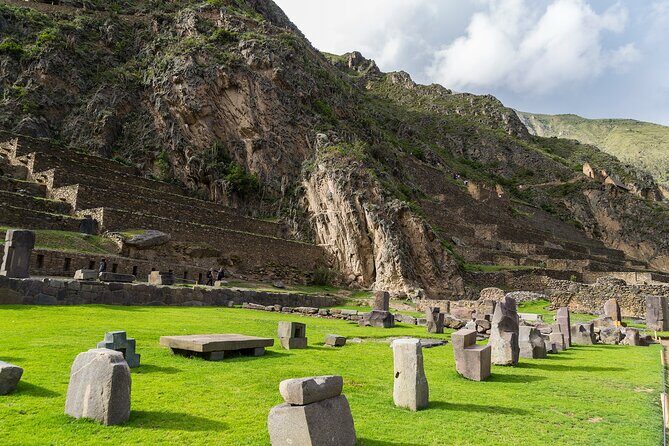
In the afternoon, you’ll head toward Ollantaytambo. This part of the Sacred Valley is all about defense and control. You’ll visit the Ollantaytambo Fortress, built to guard the entrance to the area and protect residents from possible invasions coming from the jungle direction.
This stop feels dramatic because of the position and the way stone shapes the view. Even if you’re not a history buff, you can read the logic: higher ground, strategic positioning, and a fortress designed for watching and responding.
Altitude and stairs matter here
This is where many people notice the altitude and the physical demands. Expect stairs and uneven steps. If you’re breathless, you’re not failing—just slow down, take breaks, and let your body catch up.
Pisac: Panoramic Archaeology and a Craft Market Finish
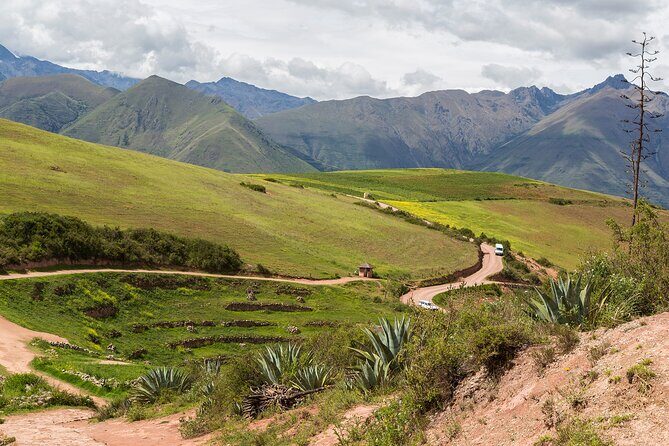
To close the tour, you’ll visit the archaeological center of Pisac. It’s built on top of a strategically located mountain, so you get a panoramic view of the Sacred Valley. The payoff is big: you see the scale of the region rather than just one ruin at a time.
After visiting the site, the tour includes time to return to Pisac town, where you can visit its craft market. This is a practical place to buy without it feeling random. You can browse, compare, and pick up items made by local families if you want a real souvenir beyond a generic postcard.
Photo tip for this part of the day
Late-day light can change quickly in the Andes. If you’re aiming for crisp photos, keep an eye on the sky and be ready to shoot from a few angles rather than one.
Group Size, Guides, and the Language Mix
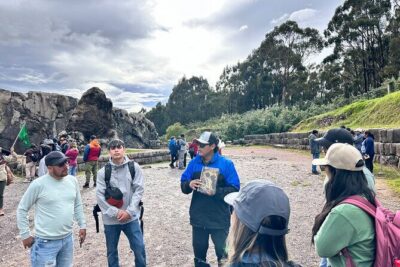
The tour caps at 10 travelers, which is a genuine advantage for a day like this. Smaller groups can mean less time waiting at stops and more flexibility if the guide needs to explain something up close.
On guide language, the tour is offered with an English–Spanish professional guide, but real-world experiences can vary day to day. In one case, the guide experience didn’t match a specific language expectation, even though extra language support was paid for. The takeaway for you: if language is crucial, confirm what you’ll get at booking and ask again the day before if possible.
A guide name that has shown up with this kind of day is Nico. If you’re lucky enough to have him, you can expect a friendly, engaged approach—just keep your expectations aligned with the actual language coverage confirmed for your date.
The Real Value: What You Pay for Versus What You Add
At $60 per person, this is priced like a budget-friendly way to cover multiple Sacred Valley highlights in one day. You’re getting hotel pickup, transport, a professional guide, first aid kit, and a buffet lunch. Those inclusions matter because they remove the usual hidden costs of self-guided day trips: transit time, planning overhead, and finding food on the fly.
The parts that raise the total cost are entrance fees. The tour notes that tourist attraction entrances are not included (BTP), and Moray and Salinas have additional charges. One experience also mentioned a Peruvian parks day pass for about 70 soles, which can surprise people who assume everything is covered. Salt access at PEN 20 per person is also called out, so plan for that.
My practical suggestion
When you budget, treat this as a “base tour price” plus site fees. If you arrive without cash or without a clear plan for passes, the day can feel annoying instead of smooth.
Stairs, Altitude, and How to Make the Day Feel Easier
The biggest physical challenge is that the sites—especially the Inca areas—come with stairs and viewpoints. Add altitude to that, and you can feel winded even if you’re in decent shape.
Here’s what works best:
- Move slower than you think you need to.
- Take water breaks when your breathing starts to speed up.
- If you’re traveling with anyone who struggles on stairs, tell your guide early so you can pace appropriately.
This isn’t an extreme trek, but it’s not “flat and easy” either. If your plan is to do Sacred Valley ruins and viewpoints, go in expecting movement and plan your comfort accordingly.
Should You Book This Sacred Valley Excursion?
I think this tour is a solid choice if you want a one-day hit list of Chinchero, Moray, Maras salt pools, Ollantaytambo, and Pisac without building your own logistics. The included buffet lunch, the hotel pickup, and the small maximum group size all add real value, especially if you’d rather spend energy on views than navigation.
You should think twice if you know you struggle with altitude or lots of stair climbing, or if you want entrances fully wrapped into the price. The day works best when you’re comfortable paying a few site fees on top and when you approach the ruins at a gentle pace.
If you’re okay with that trade-off, this is one of the more efficient ways to see the Sacred Valley as a connected loop rather than separate, scattered stops.
FAQ
What time does the Sacred Valley excursion start?
It starts at 7:00 am. Pickup is from your hotel lobby, and the tour returns to Cusco around 7:30 p.m.
How long is the tour?
The duration is listed as about 11 hours.
What does the $60 price include?
The tour includes hotel pickup, transport, an English–Spanish professional guide, a first aid kit, and a buffet lunch.
Are entrance fees included?
No. Entrance to tourist attractions (BTP) is not included, and Moray and Salinas de Maras have additional admission/access fees.
How much extra should I budget for the salt mines?
Access to Salinas de Maras is not included, and it’s listed as PEN 20 per person.
Does the tour include snacks?
No. Snacks are not included, so if you snack often, bring a small option with you.
What language is the guide?
The tour is offered with a professional guide in English and Spanish.
Is this tour private?
It’s not described as private. It has a maximum of 10 travelers, which usually keeps group time manageable.