REVIEW · CUSCO
Tour 2 Dias por el Valle Sagrado a Machu Picchu
Book on Viator →Operated by Coca Life Adventure · Bookable on Viator
You’ll start early, then see Inca Peru in full motion. This tight 2-day route pairs Sacred Valley highlights with a guided Machu Picchu day, all handled by a small team. Two things I like a lot are the hands-on stops (textiles, salt pans) and the structured timing for Machu Picchu. The main trade-off is the schedule: mornings are early and travel blocks add up.
I also appreciate the human touch. The guide Joel Elisvan shows up often in the same positive feedback, and drivers Juan and Kevin are repeatedly praised for safe, attentive driving and good communication.
If you hate long days and want lots of free time to wander, this won’t be your style. It’s built for seeing key sites in sequence, not for slowing down for every alley and viewpoint.
In This Review
- Key highlights at a glance
- From Plaza de Armas to 6:40 am: how the Cusco start works
- Chinchero: textiles first, then terraces and a temple on Inca bones
- Complex of Andean Textile Art (with natural dye + hand weaving)
- Archaeological center: agricultural terraces + colonial temple on Inca foundations
- Moray and the Maras salt pans: science meets a still-active craft
- Moray: circular terraces used for agricultural experiments
- Maras: Salineras and the salt pools for prehispanic extraction
- Urubamba lunch: the pause that keeps the day from collapsing
- Ollantaytambo: stone blocks, a strategic site, and time to breathe
- Ruins: giant blocks and the military + religious story
- Free time: market browsing or just resting
- Train to Aguas Calientes: why “arrive early” actually helps
- Machu Picchu day: meeting the guide 1 hour early
- The bus up: Consettur ride and a 30-minute reset
- Guided Machu Picchu: 2h30 of key areas and photo stops
- Coming down and back to Cusco: bus, train, then minibus to Plaza de Armas
- Price and value: what you’re really paying for at $520
- Who should book this Sacred Valley to Machu Picchu route
- Should you book? My practical take
- FAQ
- What time does the tour start on Day 1?
- Where do I meet the tour if I don’t want hotel pickup?
- Is the tour offered in English?
- What’s included for Machu Picchu transportation and entry?
- How long is the guided visit at Machu Picchu?
- Are meals included?
- Does the price include train service?
- What happens if I cancel?
Key highlights at a glance
- Small group max 10: easier to ask questions and stay on pace without feeling herded
- English-guided: the core narration is set up for English speakers
- Chinchero textiles + colonial-on-Inca layers: you get culture and archaeology in one stop
- Moray + Maras salt pans: agricultural engineering meets an old, still-working salt landscape
- Machu Picchu with a dedicated guide window (2h30): you’re not just dropped in
- Train + Consettur bus included: transport is planned end-to-end for both days
From Plaza de Armas to 6:40 am: how the Cusco start works
Day 1 begins at 6:40 am. You’ll either get picked up from your hotel or meet at Plaza de Armas of Cusco (address listed as Del Medio 123, Cusco 08000). Either way, the goal is a clean start time, not a late scramble.
This is the kind of itinerary where the exact start matters. You’re dealing with distance, ticket timing, and the Machu Picchu day that comes next. If you’re staying outside the most central areas, hotel pickup is one less thing you have to coordinate yourself.
One small thing I’d plan for: breakfast is included, but you’ll still want to be ready the night before. Set out layers for early cold, keep your day essentials in one bag, and have your passport handy for any day-of checks.
You can also read our reviews of more tours and experiences in Cusco.



Chinchero: textiles first, then terraces and a temple on Inca bones
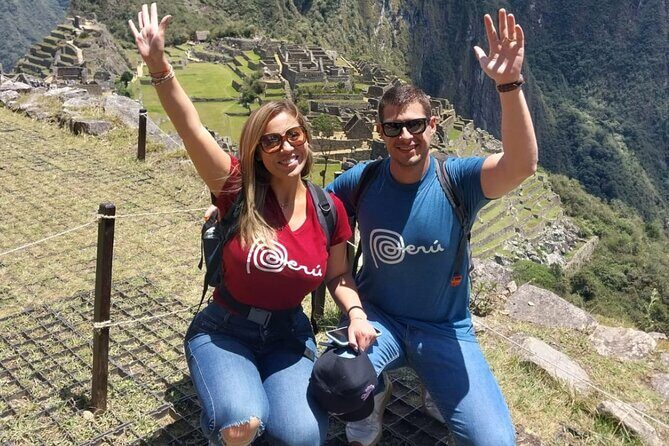
The first major stop is the Chinchero Archaeological Complex (with admission included). You’ll visit two parts that feel very different, which is a big reason this stop works.
Complex of Andean Textile Art (with natural dye + hand weaving)
You’ll see traditional textile techniques tied to Andean culture—especially the steps behind natural dyeing and hand weaving. Even if you’ve seen textiles elsewhere, I like that this is presented as a living skill, not just a museum display.
Practical tip: if you’re the type who likes to ask questions, this is a good moment. Textile processes invite curiosity, and you’ll likely get a more personal explanation than at stone-only ruins.
Archaeological center: agricultural terraces + colonial temple on Inca foundations
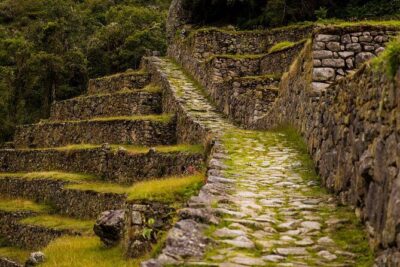
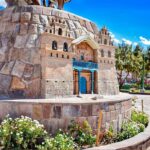
Then you shift to the ruins: terraces from Inca agricultural engineering and a colonial temple built over Inca bases. That blend is the story of Cusco-region history in a nutshell—different eras layered on top of each other.
How much time you’ll get: the stop is listed at 40 minutes, so this isn’t slow strolling. Think of it as an “information-rich primer” that sets you up for what comes later in the Sacred Valley.
Potential drawback here: 40 minutes can feel short if you love photos and want every detail. If that’s you, focus on angles that show terraces and construction details rather than trying to read everything.
Moray and the Maras salt pans: science meets a still-active craft
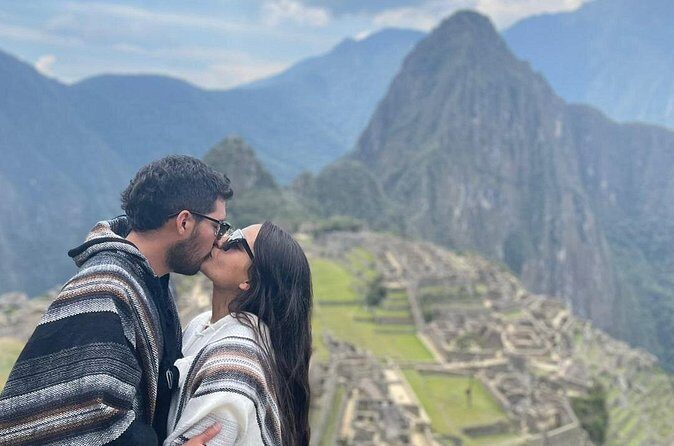
After Chinchero, the tour goes straight into two very different but equally fascinating sites.





Moray: circular terraces used for agricultural experiments
You’ll visit Moray, famous for its circular terraces. The guide explains why the Incas used it—agricultural experimentation. This is a rare stop where you can actually picture how people might have tested crops using microclimates created by the terrain.
This one benefits from having a guide. Without explanation, you see impressive circles. With explanation, the circles turn into a clue about how the Andes were managed.
Maras: Salineras and the salt pools for prehispanic extraction
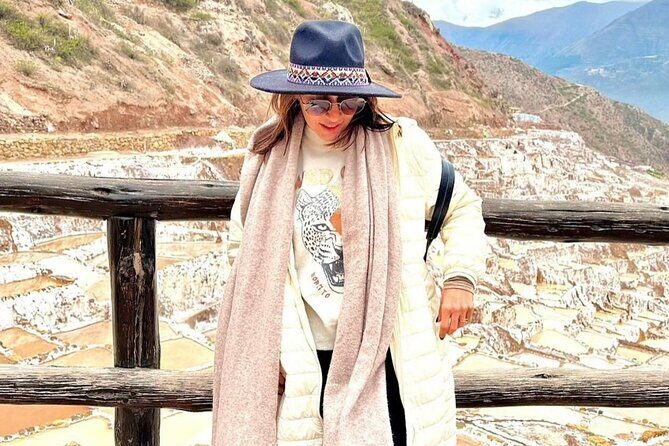
Next is Maras Salt Mines (Salineras). You’ll see the spectacular salt pools and learn about the extraction practice used since prehispanic times. The fact that people still use the area for salt makes it feel more grounded than purely “archaeological.”
Photos are easy here because the geometry is already doing the work for you. Bring a phone/waterproof cover if you’re worried about dust.
Time on this stop is 2 hours, which is generous enough to take photos and still have time for the explanation.
Urubamba lunch: the pause that keeps the day from collapsing
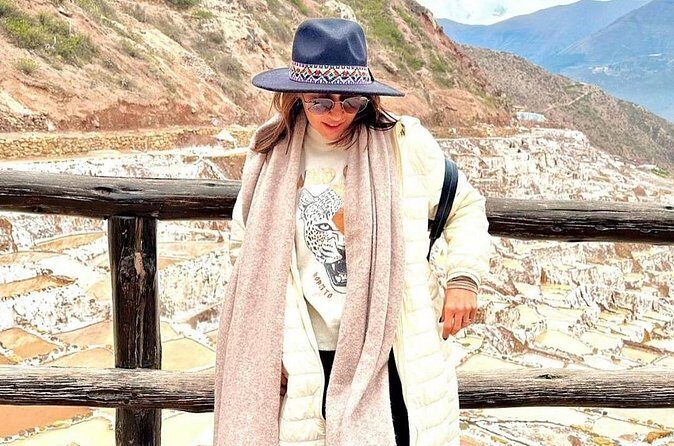
There’s a Urubamba stop built around food: a selection of typical regional dishes at a local restaurant, with 1 hour for lunch (tickets listed as free here).
Two meals are included across the two days, but even with included meals, the schedule needs a real break. This hour is that reset before Ollantaytambo and the train onward.
What I’d do: treat lunch as your “energy checkpoint.” If you know you get tired after big travel days, use this time to eat something filling, then pace yourself for the afternoon.
Ollantaytambo: stone blocks, a strategic site, and time to breathe
At Ollantaytambo, you get the ruins plus free time in town.
Ruins: giant blocks and the military + religious story
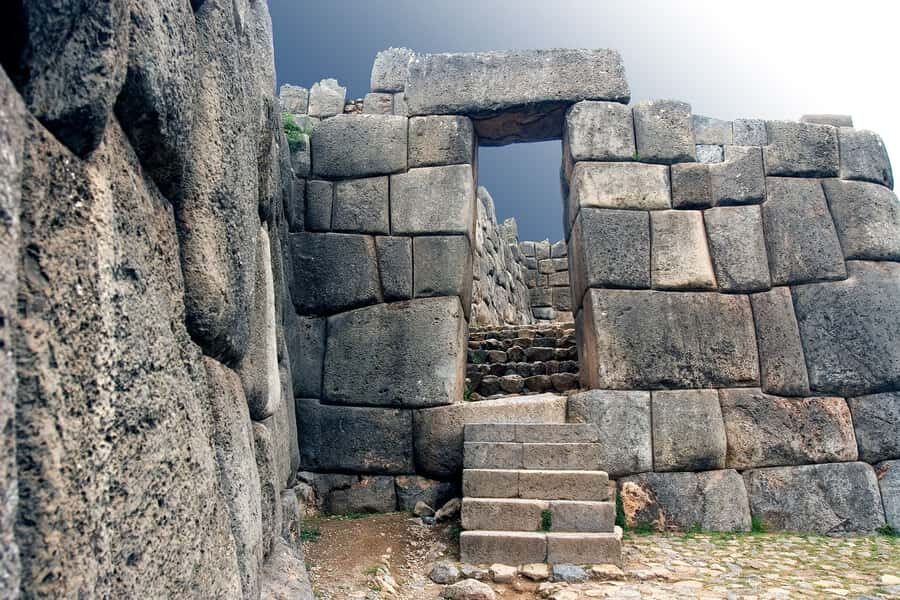
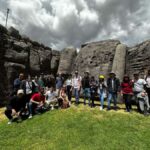
The guide covers the complex in a way that’s more than scenic. You’ll learn about its importance in military, religious, and cultural terms, and you’ll see large stone blocks that reflect how seriously the Incas engineered their strongholds.
Free time: market browsing or just resting
After the ruins, you get time to explore Ollantaytambo village, shop in the artisan market, or just relax before the next leg. The itinerary doesn’t give the exact minute count for the free time, so assume it’s flexible and short-to-medium.
My advice: if shopping matters, do it after your main photos at the ruins. You’ll get the most motivated wandering when you still feel fresh.
Train to Aguas Calientes: why “arrive early” actually helps
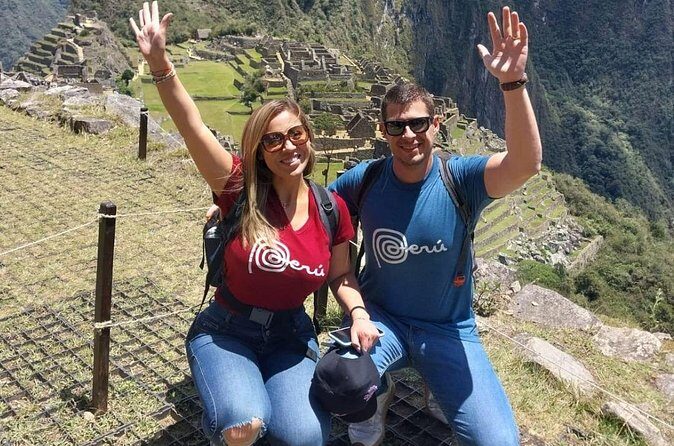
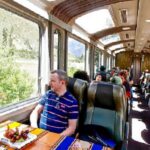
Then you head to Aguas Calientes by train (listed as 2 hours). A comfortable service is included, and you’ll be able to enjoy andian scenery views along the way.
There’s a practical recommendation in the schedule: show up early at the station to avoid last-minute stress. That matters because train days often bring small chaos—line-ups, ticket checks, and platform changes.
When you arrive in Aguas Calientes, staff are waiting to guide you to the hotel so you can rest and prepare for Machu Picchu the next day. This is a small detail, but it reduces the “what now” factor, especially if it’s your first time there.
Machu Picchu day: meeting the guide 1 hour early
Day 2 is built around timing. You meet your guide 1 hour before your entry so you get clear instructions and can move into the site smoothly.
That pre-entry window is one of those things that feels boring until you do it. Then you realize it helps you avoid wasting energy figuring things out on-site while everyone else is already moving.
The bus up: Consettur ride and a 30-minute reset
You take the bus to the Machu Picchu city area, about 30 minutes. The schedule specifies Bus Consettur for up and down rides.
This helps you avoid the biggest day-2 mistake: arriving too tired. The bus ride is short enough to feel like a transit segment, not a full adventure day itself.
Guided Machu Picchu: 2h30 of key areas and photo stops
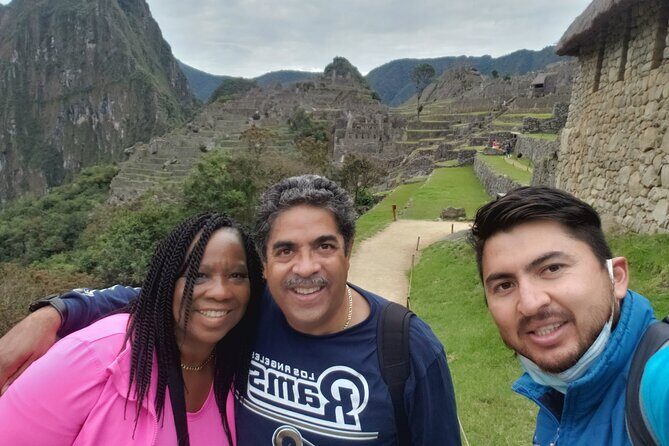
Machu Picchu is the main event: a guided visit listed at 2 hours and 30 minutes. You’ll cover iconic corners of the citadel with a professional guide, and there are scheduled moments to stop at the most famous photo points.
The length matters. Too short, and you miss the logic of the layout. Too long without structure, and you lose context. This mid-length window usually works well for most people because you get enough time to understand what you’re looking at and still have time to enjoy the views.
What I’d focus on during the walk: ask the guide how each area connects to the larger layout. When the guide explains sightlines and movement patterns, Machu Picchu stops being a list of ruins and starts feeling like a designed place.
Coming down and back to Cusco: bus, train, then minibus to Plaza de Armas
After the guided visit, you return by bus to Aguas Calientes in about 30 minutes.
Then the long but scenic return begins:
- Train from Machu Picchu to Ollantaytambo: 2 hours
- Minibus to Cusco: about 2 hours, ending near Plaza de Armas
The day totals a lot of motion, but the logistics are planned and included. That’s the kind of value that matters because it reduces your need to coordinate multiple vendors.
Price and value: what you’re really paying for at $520
At $520 per person for roughly 2 days, the price isn’t just for a bus and a ticket. It covers a package of heavy logistics:
- Pickup from your hotel or meeting point at Plaza de Armas
- Professional English guide
- Admissions to the archaeological centers in the route
- Machu Picchu bus (Consettur) for both directions
- Train between Ollantaytambo and Aguas Calientes, plus the return train from Machu Picchu to Ollantaytambo
- Transport back to Cusco near Plaza de Armas
- Breakfast and two lunches (dinner not included)
Is it expensive? In the context of Cusco-to-Machu Picchu travel, it’s competitive for an organized route that includes train segments and guided entry. The best value signal is that they’ve bundled the parts that usually eat time and create headaches if you book everything separately.
Group size also helps value. A maximum of 10 travelers keeps the experience more controlled, and you’re more likely to get attention when you have questions.
Who should book this Sacred Valley to Machu Picchu route
This tour is a strong fit if you want:
- A structured plan that gets you to the right places in the right order
- A guided Machu Picchu day with enough time to understand what you’re seeing
- Convenience: pickups, transport, and key admissions handled
- English support, with staff who are used to answering questions
It may not be for you if you:
- Want lots of free time in each town
- Prefer a slower pace and independent travel
- Don’t enjoy early starts (6:40 am is real, and you’ll feel it)
Based on the repeated praise for Joel Elisvan as the guide, plus Juan and Kevin driving, you also get a confidence boost. When the same names come up again and again for care and professionalism, it usually means the operation runs like a system.
Should you book? My practical take
If you want your Sacred Valley day to feel like more than a checklist, and you want Machu Picchu with a guide and planned transport, I’d book this. The itinerary covers major stops like Chinchero, Moray, Maras, and Ollantaytambo, then transitions cleanly into Machu Picchu without forcing you to juggle schedules.
If your priority is total independence, you might prefer a DIY plan. But if you value not thinking about trains, buses, and entry timing, this package does that work for you.
One last note: because the schedule is tight and start time is early, pack smart and keep your day bag simple. You’ll enjoy Machu Picchu much more when you’re not rushing or scrambling.
FAQ
What time does the tour start on Day 1?
The start time on Day 1 is 6:40 am.
Where do I meet the tour if I don’t want hotel pickup?
You can meet at Plaza de Armas of Cusco (Del Medio 123) if you prefer not to use hotel pickup.
Is the tour offered in English?
Yes. The tour is offered in English.
What’s included for Machu Picchu transportation and entry?
You’ll have a Consettur bus ride for the up and down from Aguas Calientes, and the Machu Picchu admission is included, with a guided visit.
How long is the guided visit at Machu Picchu?
The guided visit at Machu Picchu is 2 hours and 30 minutes.
Are meals included?
Yes. The tour includes breakfast and lunch twice. Dinner is not included.
Does the price include train service?
Yes. It includes the train Ollantaytambo–Aguas Calientes and the train Machu Picchu–Ollantaytambo.
What happens if I cancel?
This experience is non-refundable and cannot be changed for any reason.