REVIEW · CUSCO
In Cusco: Saqsaywaman, Qenqo, Pukapukara, Tambomachay.
Book on GetYourGuide →Operated by MACHU PICCHU JUNGLE · Bookable on GetYourGuide
Five Inca stops, tight timing, big stone vibes. This city tour focuses on Cusco’s key archaeological sites, starting at Qoricancha—the famous Temple of the Sun—and then moving outward to see the fortress and ritual complexes that made this region the heart of the empire.
I love how much you pack in for the price: Sacsayhuamán plus three other major sites, with round-trip transport and a guide in English/Spanish. I also like the structure: each place gets guided time plus a bit of free time so you can take photos and look around at your own pace. One thing to consider: the schedule has a lot of “move and view,” and some groups may spend more time on shopping stops than you’d expect—so you’ll want to keep an eye on your timing at the important moments.
In This Review
- Key things to know before you go
- Why this Cusco city tour is worth your $15
- Meeting at Machu Picchu Jungle Trek and getting to the first stop on time
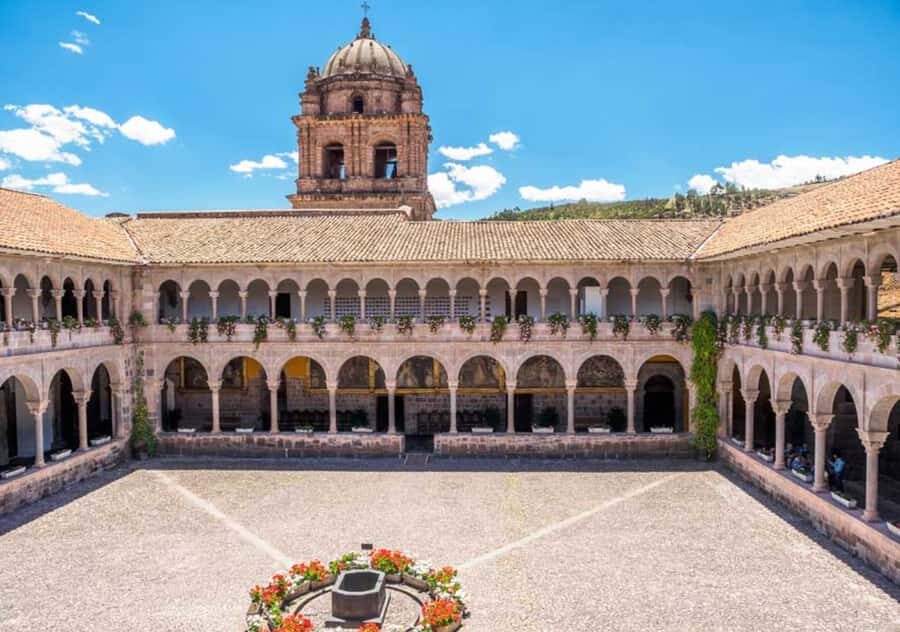
- Qoricancha: the Temple of the Sun and why it still feels central
- Sacsayhuamán fortress: massive stonework and Inti Raymi energy
- Qenqo: ritual carvings, quick context, and good photo timing
- Puka Pukara: red rock atmosphere and a short, focused stop
- Tambomachay: the Inca shower and the calmer finale
- Timing, buses, and why the group schedule matters in Cusco
- Guide quality and language: how to get the best experience
- Costs beyond the $15: tickets and the Cusco Tourist Ticket
- What to bring and what not to bring (so the tour stays stress-free)
- Who this tour is best for (and who might want a different option)
- Should you book this Cusco city tour or skip it?
- FAQ
- How long is the tour?
- What time does the tour start and when does it end?
- Does the tour always include Qoricancha?
- What entrance tickets do I need to pay for?
- Are meals included?
- Where do I meet the group?
- Where does the tour finish?
- What language will the guide speak?
- What should I bring?
Key things to know before you go
- Qoricancha tickets aren’t included (you may pay around S/ 20), and some time slots skip it.
- Your tour length changes: about 5 hours with Qoricancha, about 4 hours without.
- Inti Raymi context: Sacsayhuamán is tied to the Festival of the Sun on the winter solstice.
- Expect frequent quick photo stops: Qenqo and Puka Pukara are shorter, while Tambomachay includes more walking time.
- Bring cash: the team can help you buy tickets if you don’t already have them.
Why this Cusco city tour is worth your $15
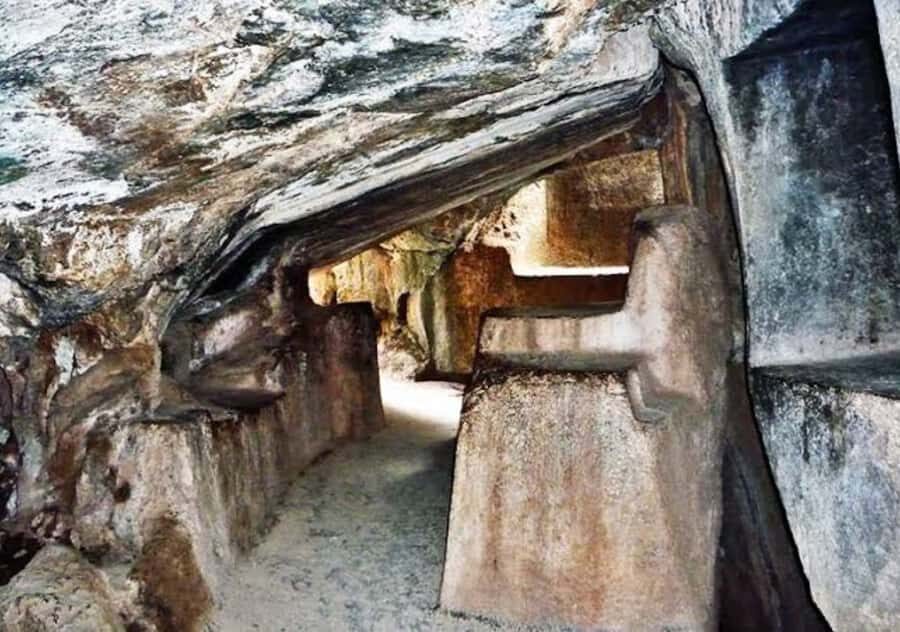
For $15 per person, you’re buying something that’s hard to recreate on your own at the start of a trip: organized transport + bilingual guide + multiple sites in one run. In Cusco, the “logistics tax” is real—getting yourself from the center to several archaeological areas, timing the views, and coordinating entry tickets takes time and energy you may not have on day one (or day two).
This tour’s value is also in its range. You’re not just looking at one monument—you get a mix of:
- a major temple (Qoricancha),
- a fortress and ceremonial setting (Sacsayhuamán),
- and ritual/architectural complexes outside the city (Qenqo, Puka Pukara, Tambomachay).
That mix matters. When people first visit Cusco, they often see ruins as “random rocks.” This itinerary nudges you toward the bigger picture: worship, engineering, and ceremonial life across several sites around the city.
You can also read our reviews of more tours and experiences in Cusco.
Meeting at Machu Picchu Jungle Trek and getting to the first stop on time
Your pickup point is listed as Machu Picchu Jungle Trek, Office 104 (Asociación de artesanos souvenir, San Andres 218). The coordinates are given as -13.5194279, -71.9788931, and the end point is Plaza Regocijo.
Hours for help are 8:00 a.m. to 9:30 p.m., and if you need to ask questions on your day off, that office is where you go. On Sundays, pickup is at Plaza de Armas Cusco, next to the Inca fountain. That detail matters because it changes where you should aim your morning.
Timing-wise, the itinerary is set up for two main patterns:
- Morning groups end around 1:30 p.m. to 2:00 p.m.
- Afternoon groups end around 6:00 p.m. to 6:30 p.m.
Because Cusco sits high, I recommend treating the first part of the tour like a warm-up. Grab water early, take your time stepping out of the vehicle, and let your body catch up before you start chasing photos.
Qoricancha: the Temple of the Sun and why it still feels central
Qoricancha (often described as the Golden Wall or Temple of the Sun) is where the tour starts—when your time slot includes it. It’s also where the experience gets its core meaning.
This temple was the main place of worship to the Sun God, Inti. Even if your Spanish/English is basic, the guided context is what helps ruins turn into a story:
- Why this spot mattered
- How Inca worship was organized around celestial power
- And how Cusco’s political and spiritual center connected
In the schedule, Qoricancha includes guided time plus free time (about 40 minutes). You’ll also want to plan around the fact that the Qoricancha entrance ticket is not included. The listed cost is S/ 20.00 soles per person.
Important timing note: Qoricancha is not visited in the 9:50 a.m. and 1:50 p.m. groups. If Qoricancha is your must-see, double-check your departure time before you lock it in.
Sacsayhuamán fortress: massive stonework and Inti Raymi energy
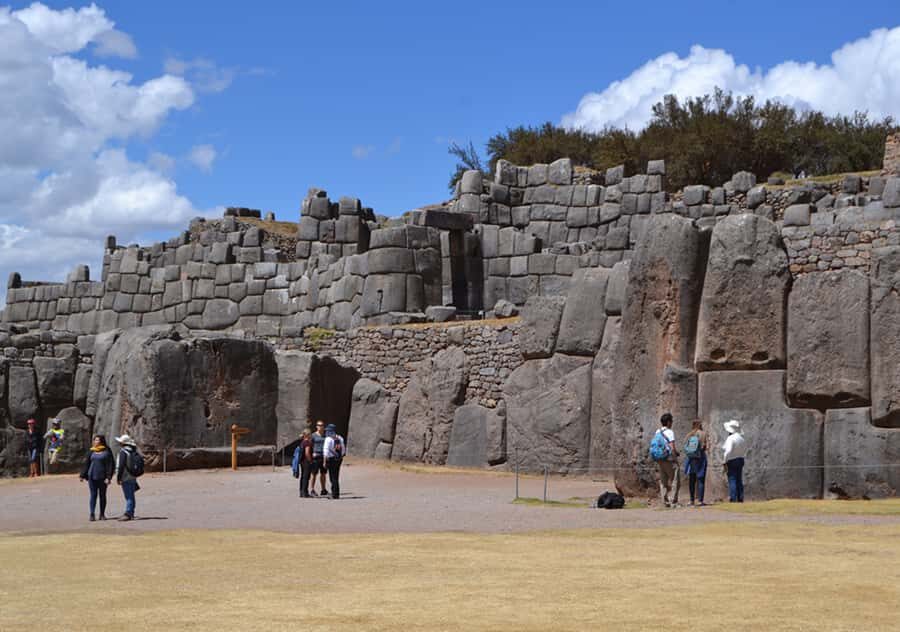
After Qoricancha (or as the first big site if Qoricancha is skipped), the tour heads to Sacsayhuamán. This is the stop that tends to hit hardest because of scale: enormous stone constructions, carved and stacked with a precision that’s hard to ignore.
The best part here is that you’re not only looking at walls—you’re seeing why this place was built the way it was. Sacsayhuamán is also tied to Inti Raymi, the Festival of the Sun, celebrated on the winter solstice. Knowing that gives you a useful mental anchor while you walk around, especially if you’re trying to understand why a fortress can also feel ceremonial.
In the itinerary, you get a photo stop, then a guided tour, then free time and walking. The allocated time at the site is about 40 minutes.
Practical tip: plan for uneven ground. Cusco archaeology sites don’t do “smooth tourist sidewalks.” Wear comfortable shoes and give yourself a few seconds to orient before you start climbing for photos.
Qenqo: ritual carvings, quick context, and good photo timing
Next comes Q’enco (Qenqo), another archaeological complex on the outskirts of Cusco. This is one of those sites where the architecture looks like it’s telling a story—but you’ll miss pieces if you don’t get any guided interpretation.
Here, the itinerary is built around a balanced rhythm:
- photo stop,
- guided visit,
- free time,
- short sightseeing/walk.
Time allotted is about 40 minutes. That’s enough to see the main features and get a sense of how the Inca used space for ceremonies and ritual life.
One reason I like this stop on a group tour: Qenqo doesn’t need long hours to feel meaningful. With good guiding, you leave understanding what you saw, not just where you stood to take a picture.

Puka Pukara: red rock atmosphere and a short, focused stop
Then you reach Puka Pukara Archaeological Complex. The name is tied to the idea of red rock (and the site’s tone), but the real value of this stop is the way it completes the tour’s “outside the city” sequence.
In the itinerary, Puka Pukara follows a similar pattern to Qenqo:
- photo stop,
- guided tour,
- free time,
- sightseeing and walking.
Allocated time is about 35 minutes. For many people, that’s the sweet spot: long enough to register the place, short enough that you’re still fresh rather than rushed to the next bus.
If you’re the type who likes to read details slowly, don’t panic—use the guided portion to get your bearings, then use free time to re-check what caught your eye.
Tambomachay: the Inca shower and the calmer finale
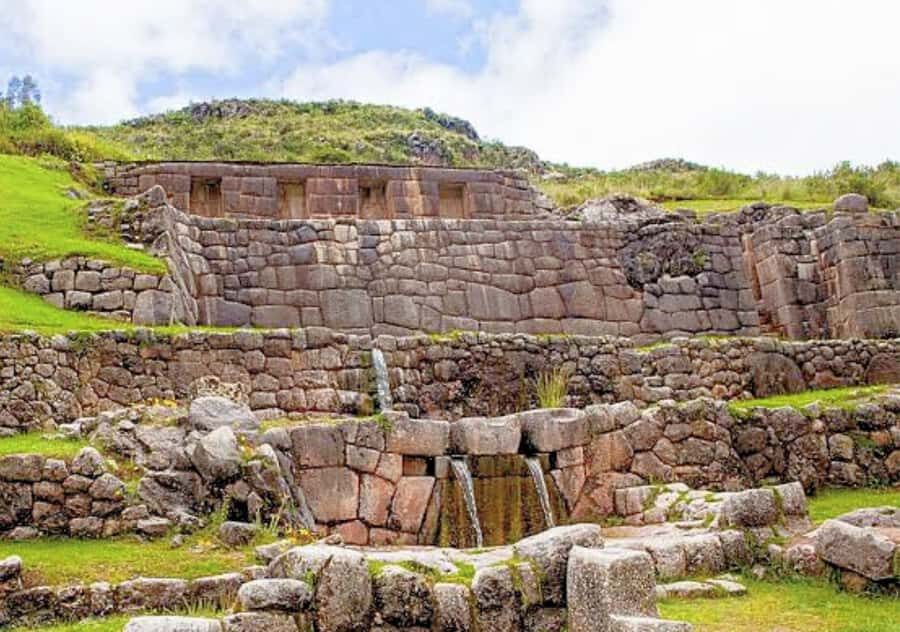
The last archaeological site on the standard route is Tambomachay, described here as the famous Inca shower. This stop is a nice shift after fortress and ceremonial complexes. It can feel more “human-scale” in how you walk through it, even while it’s still undeniably Inca engineering.
You’ll get:
- a photo stop,
- guided visit,
- free time,
- sightseeing and walking.
Time allocated is about 40 minutes, and then you return via transport toward the end point at Plaza Regocijo.
I like the way Tambomachay acts as a soft landing. By the time you get there, you’ve already learned the bigger storyline, so the final stop feels less like another sprint and more like a wrap-up: a last place to connect Inca water engineering and sacred purpose.
Timing, buses, and why the group schedule matters in Cusco
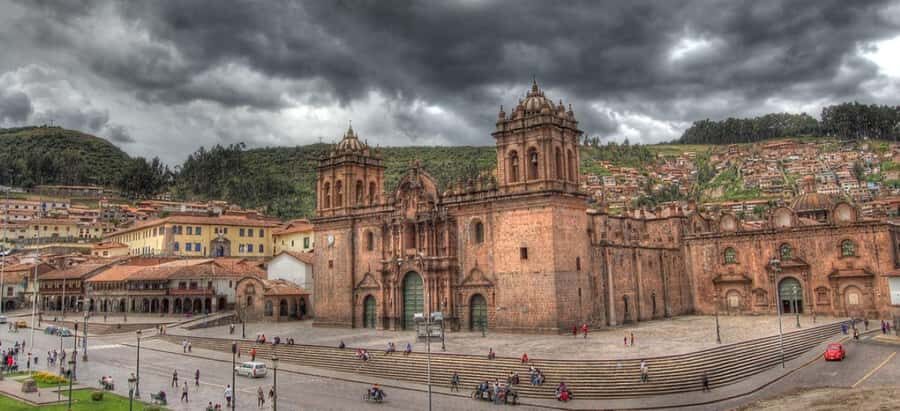
The tour is designed around set departure times and fixed end windows. Here’s how it typically shakes out:
- Morning with Qoricancha: departure 9:00 a.m., ending 1:30 p.m. to 2:00 p.m.
- Morning without Qoricancha: departure 10:00 a.m., ending 1:30 p.m. to 2:00 p.m.
- Afternoon with Qoricancha: departure 1:00 p.m., ending 6:00 p.m. to 6:30 p.m.
- Afternoon without Qoricancha: departure 2:00 p.m., ending 6:00 p.m. to 6:30 p.m.
The total duration is listed as 330 minutes. It also says the city tour is 5 hours with Qoricancha and 4 hours without. In practice, the vehicle rides and quick transitions are where the schedule stretches, so it helps to mentally accept that not every stop will feel equally long.
Altitude plays a role too. Even if you’re not hiking, Cusco’s elevation can make short walks feel longer than expected. Water and slow steps help.
Guide quality and language: how to get the best experience
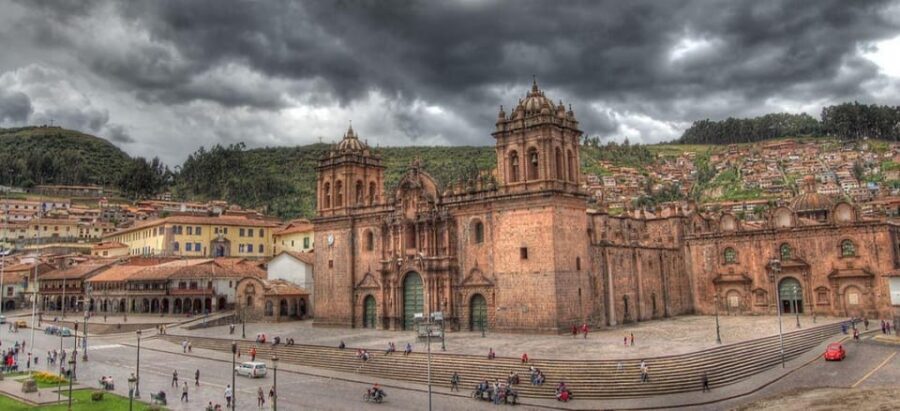
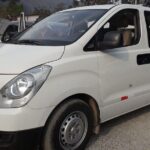
This is the area where you’ll want to calibrate expectations. The tour includes a professional guide in English and Spanish, and there’s also permanent assistance. That’s great on paper—and it can be great in real life.
In real feedback, the best outcomes tend to happen when the guide makes a genuine effort to explain each site rather than repeating general talking points. Some groups reported learning a lot and feeling the tour was “just long enough.” Others mentioned issues like:
- explanations that felt generic,
- time lost during shopping,
- and language imbalance (more Spanish than English).
So how do you make sure you get the good version? Here are practical moves:
- If your Spanish or English is limited, watch for when the guide repeats key ideas at each stop. If they rush past details, you can still ask one simple question before moving on.
- During guided time, try to stay with the group. If you drift, you lose the context quickly.
- Keep your eye on the schedule when shopping appears. Your priority monuments are time-sensitive.
A good group tour gives you more than facts—it helps you connect what you’re seeing to why it mattered.
Costs beyond the $15: tickets and the Cusco Tourist Ticket
The $15 price is the base tour cost, but there are additional expenses you should plan for.
Not included:
- Qoricancha entrance ticket: S/ 20.00 soles per person
- Cusco Tourist Ticket: listed as S/ 70.00 soles per person (and S/ 40.00 soles national per person)
The tour also says they can help you buy tickets if you haven’t already purchased them—and importantly, it notes bring cash.
Meals also aren’t included:
- For morning groups, you need breakfast, and lunch is not included (you return to Cusco around lunchtime).
- For afternoon groups, you need lunch beforehand, and dinner isn’t included (you return at dinner time).
When you do the math, this tour is still often good value because you’re paying for transport, guiding, and access to multiple sites. Just don’t treat it like a full-inclusive package. Plan for tickets and one meal.
What to bring and what not to bring (so the tour stays stress-free)
The essentials are simple and very practical for Cusco:
- Passport or ID
- Sunglasses
- Sun hat
- Sunscreen
- Water
- Student card (if you have one)
- Personal medication
If you’re traveling light, you’ll be glad the rules are clear. Not allowed:
- pets,
- weapons or sharp objects,
- smoking,
- luggage or large bags,
- bikes,
- alcohol and drugs,
- littering,
- baby carriages,
- fireworks/explosive substances,
- alcohol in the vehicle,
- making fire.
That all sounds obvious, but it helps you avoid last-minute surprises at pickup.
Who this tour is best for (and who might want a different option)
This tour fits best if you want a first-timer-friendly Cusco overview without arranging multiple rides and timing entry tickets yourself. I also think it works well for people who like learning the “why” behind monuments: Qoricancha’s connection to Inti, Sacsayhuamán’s role in Inti Raymi, and the ritual purpose behind the complexes.
You might consider a different approach if:
- you want deep, slow explanations at each site,
- you’re sensitive to shopping detours,
- or you need a very specific language balance for long guided segments.
The good version is an efficient, meaningful circuit. The risk version is feeling rushed or distracted by non-essential stops.
Should you book this Cusco city tour or skip it?
If you’re short on time in Cusco and you want the big names—Qoricancha, Sacsayhuamán, Qenqo, Puka Pukara, and Tambomachay—this tour is usually a solid deal. The key is knowing you’ll spend your day on moving and viewing, with guided context and some free time at each stop.
Book it if:
- you like a structured route,
- you want a bilingual guide to explain what you’re seeing,
- and you can handle a bit of bus time and site walking.
Consider skipping or choosing another option if Qoricancha is your top priority and your group time doesn’t include it (the 9:50 a.m. and 1:50 p.m. groups don’t visit Qoricancha). Also factor in that meals and tickets cost extra.
Either way, go in with the right mindset: this isn’t a single-site museum tour. It’s a Cusco highlights circuit—and when the guide keeps the focus on the monuments, it’s a great way to understand why Cusco still matters.
FAQ
How long is the tour?
The total scheduled duration is about 330 minutes. The city tour portion is about 5 hours with Qoricancha and about 4 hours without it.
What time does the tour start and when does it end?
Morning groups depart at 9:00 a.m. (with Qoricancha) or 10:00 a.m. (without Qoricancha) and end around 1:30 p.m. to 2:00 p.m. Afternoon groups depart at 1:00 p.m. (with Qoricancha) or 2:00 p.m. (without Qoricancha) and end around 6:00 p.m. to 6:30 p.m.
Does the tour always include Qoricancha?
No. Qoricancha is not visited on the 9:50 a.m. and 1:50 p.m. groups.
What entrance tickets do I need to pay for?
The Temple of Qoricancha entrance ticket is listed as S/ 20.00 soles per person and the Cusco Tourist Ticket is listed as S/ 70.00 soles (S/ 40.00 for nationals). These are not included.
Are meals included?
No. Morning groups need to have breakfast. Lunch is not included (morning groups return around lunchtime). Afternoon groups need to have lunch and dinner is not included.
Where do I meet the group?
Find the provider on Google Maps as Machu Picchu Jungle Trek, Office 104 (Asociación de artesanos souvenir, San Andres 218). On Sundays, pickup is at Plaza de Armas Cusco next to the Inca fountain.
Where does the tour finish?
The tour finishes at Plaza Regocijo.
What language will the guide speak?
The tour includes a live guide in English and Spanish.
What should I bring?
Bring passport or ID, sunglasses, sun hat, sunscreen, water, your student card if you have one, and personal medication. Cash can help because the team can assist with ticket purchases.