REVIEW · CUSCO
5-Day Tour to Machupicchu, Sacred Valley and Rainbow Mountain
Book on Viator →Operated by Pacha Inca Cusco Tours · Bookable on Viator
Machu Picchu in five days feels fast. The plan strings together Cusco’s top Inca-era sights, a classic Sacred Valley route, an overnight in Aguas Calientes, then a guided walk through the citadel and a Rainbow Mountain day.
I love the included entrances and guided timing. You get set visits like Qorikancha (45 minutes with a ticket), Sacsayhuamán (1 hour with a ticket), and Machu Picchu (about 2.5–3 hours with a guide), plus transport that keeps you moving between the right towns. I also like the careful back-and-forth logistics: you’re taken to Aguas Calientes for the night so you can start early for Machu Picchu and then return by train to Ollantaytambo.
One consideration: early mornings and altitude are real here. You’ll be up at 4:45 AM for Rainbow Mountain and very early for Machu Picchu, and there’s walking time on both Day 3 and Day 4—so plan to go slow on arrival.
In This Review
- Key points before you go
- The deal: what you’re really paying for at $614
- Day 1 in Cusco: Qorikancha, Sacsayhuamán, and the Sacred water sites
- Qorikancha (Temple of the Sun)
- Sacsayhuamán
- Q’enqo, Puka Pucara, and Tambomachay
- Day 2 Sacred Valley circuit: Chinchero, Maras, Moray, and onward to Ollantaytambo
- Chinchero (Inca foundations and palatial space)
- Salinas de Maras (salt extraction)
- Moray (terraced circles and research-like agriculture)
- Lunch in Urubamba and the Ollantaytambo afternoon
- Train to Aguas Calientes for the night
- Day 3 Machu Picchu: the early bus, the 2.5–3 hour guided citadel, and a return by train
- Getting to Machu Picchu
- Free time for photos
- Lunch and return to Ollantaytambo
- Day 4 Rainbow Mountain from Cusipata: the hike, the 7 colors stop, and altitude support
- Cusipata breakfast and stepping toward Fulawasi
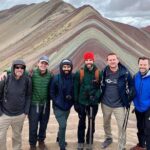
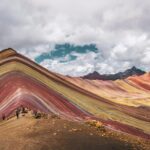
- Vinicunca Mountain: the 7 colors viewpoint
- Canes, oxygen, and first aid kit
- Day 5 Cusco at your pace: Plaza de Armas and San Blas plus your airport transfer
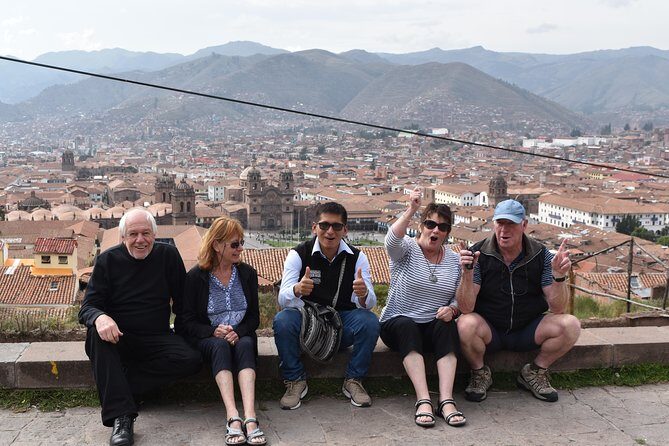
- Walking tour options: cathedrals, colonial squares, and markets
- Hotel to airport transfer
- How to choose this tour: who it fits best
- FAQ
- FAQ
- How long is the Machupicchu, Sacred Valley and Rainbow Mountain tour?
- What is included in the price?
- What hotel level should I expect?
- Do I need to arrange my own train to Aguas Calientes and back?
- Is there a guided visit at Machu Picchu?
- What time are pickups on the first day?
- What kind of fitness level do I need?
- Is the tour refundable if plans change?
- Should you book this tour?
Key points before you go
- Small group size (max 18): easier pacing, fewer bottlenecks, and smoother instructions.
- Hotel + overnight in Aguas Calientes: helps you avoid last-minute scramble for Machu Picchu.
- Train ride included: Roundtrip on the Voyager Tourist Service plus bus tickets up and down.
- Guides meet you in key towns: sign + names at Ollantaytambo; a guide waits at Machu Picchu.
- Rainbow Mountain includes support items: canes, oxygen, and a first aid kit are listed for Day 4.
- Language options (Spanish or English): guides and Machu Picchu guide are provided in your chosen language.
The deal: what you’re really paying for at $614
At $614 per person, this doesn’t feel like just a “sightseeing day.” You’re paying for the hard parts that add up fast in Peru: a 3-star hotel for 5 days and 4 nights, guided visits with included entrance coverage, and the big transportation piece—roundtrip train service to reach Machu Picchu-area lodging.
What makes the value better is that the route is tightly grouped: Cusco → Sacred Valley → Aguas Calientes (night) → Machu Picchu → Ollantaytambo → Cusco, plus the separate Rainbow Mountain day. That means fewer random transfers and less time trying to coordinate tickets and schedules on your own.
If you prefer to travel with structure—pickup times, a guide to explain what you’re looking at, and a plan for how you move through the day—this style fits. If you want lots of free roaming with no early starts, you might find it a bit packed.
You can also read our reviews of more tours and experiences in Cusco

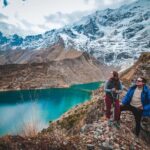
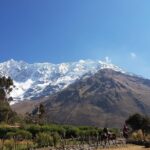
Day 1 in Cusco: Qorikancha, Sacsayhuamán, and the Sacred water sites
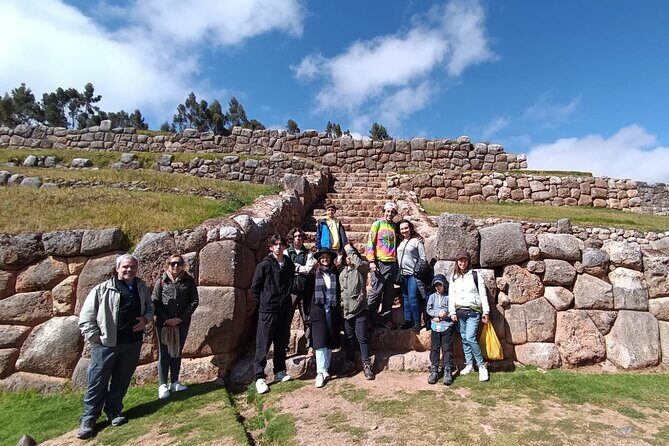
Day 1 is built for acclimatizing without wasting the afternoon. You land, get a free morning to rest and adjust, then you roll into Cusco’s main Inca-era cluster with a guide.
Qorikancha (Temple of the Sun)
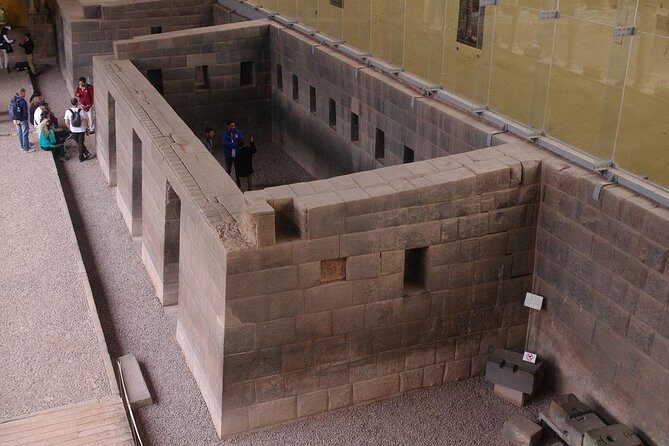
You’re picked up around 2:00 PM, then start at Qorikancha. The guided visit is 45 minutes and includes admission. This stop matters because it’s one of the best places to understand how the Incas treated space and sacred geography—sun, ritual, and architecture tied together in one place.
A practical tip: since you’re likely still adjusting to altitude, take the guided tempo as your pace. Don’t push yourself to sprint from photo spot to photo spot. Let your body wake up slowly.
Sacsayhuamán
Next comes Sacsayhuamán, with a 1-hour guided tour and ticket included. The site’s huge stonework is the kind of thing you don’t just look at—you try to understand how it was engineered and why it was placed there.
Q’enqo, Puka Pucara, and Tambomachay
Then you move through Q’enqo (30 minutes), Puka Pucara (30 minutes), and Tambomachay (30 minutes), each with an included ticket. Tambomachay is described as Baño del Inca and tied to the cult of water—so by the end of the day, you’ve seen sacred architecture plus the Inca focus on water, movement, and ritual.
Why this Day 1 sequence works: it’s a “great hits” set, but not an all-out hike. It’s ideal for easing into Cusco and learning the basic map of where things sit.





Day 2 Sacred Valley circuit: Chinchero, Maras, Moray, and onward to Ollantaytambo
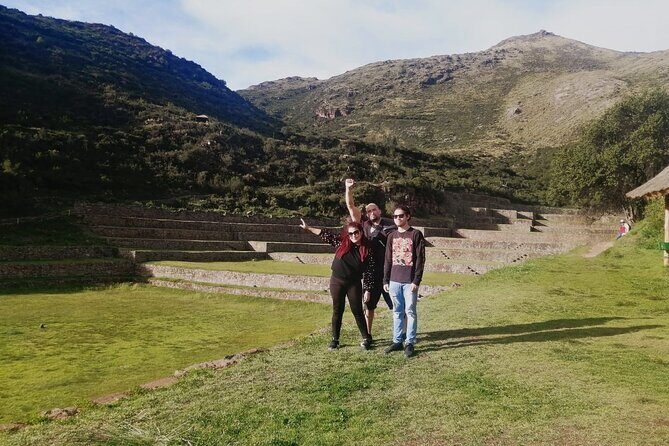
Day 2 is where the trip turns from city history into “how the land was used.” You start with a pickup from your hotel in the morning and hit multiple stops that show Inca power at different scales: palatial space, food and agriculture, and landscape-level engineering.
Chinchero (Inca foundations and palatial space)
First is Complejo Arqueológico Chinchero, with about 60 minutes and admission included. The site is described as a palatial residence environment tied to Inca Túpac Yupanqui, including shrines, baths, platforms, and a major royal palace.
I like this start because it gives you context. You’re not just seeing ruins; you’re seeing how the Incas structured authority and ritual life.
Salinas de Maras (salt extraction)
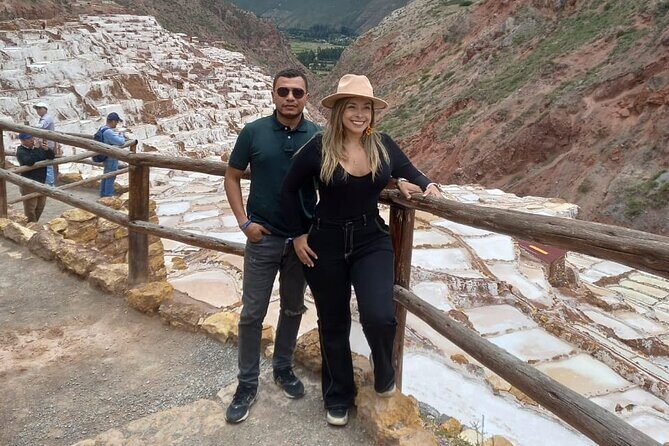
Next: Salinas de Maras, about 40 minutes, ticket included. The salt extraction center is noted as pre-Hispanic origin and still active, so you’re looking at continuity: a practice that kept going even after the empire fell.
If you’re the type who loves practical details, this one is rewarding. Salt production isn’t glamorous, but it shaped real economies.
Moray (terraced circles and research-like agriculture)
Then Moray, about 40 minutes, with admission included. The terraces are described as concentric circles over four funnels, and it’s currently considered an agricultural research center, with also important political and religious functions.
This stop is a reminder that the Incas weren’t only building for ceremonies. They were also experimenting with how to grow food in a tough environment.
Lunch in Urubamba and the Ollantaytambo afternoon
You’ll stop for lunch in Urubamba (40 minutes) with lunch time marked as free in the itinerary. After that, you head to Ollantaytambo for about 2 hours, including a guided tour with ticket included.
Ollantaytambo is one of those places where the explanation matters. You’re set to see highlights like the Temple of the Sun, El Intihuatana, the Baths of the Princess, and Andean terraces. Even if you’ve never heard those names before, the guide will give you anchors for what to look for.
Train to Aguas Calientes for the night
After Ollantaytambo, you go to the train station and ride to Aguas Calientes, where you’ll spend the night. The plan also notes that at night, the Machu Picchu guide will pass by the hotel to go over visit details.
That hotel-night detail is more valuable than it sounds. It reduces stress and helps you line up for the early bus.
Day 3 Machu Picchu: the early bus, the 2.5–3 hour guided citadel, and a return by train
Day 3 is the centerpiece day, and it’s scheduled like it matters: very early bus up to Machu Picchu, then a guided tour inside the citadel.
Getting to Machu Picchu
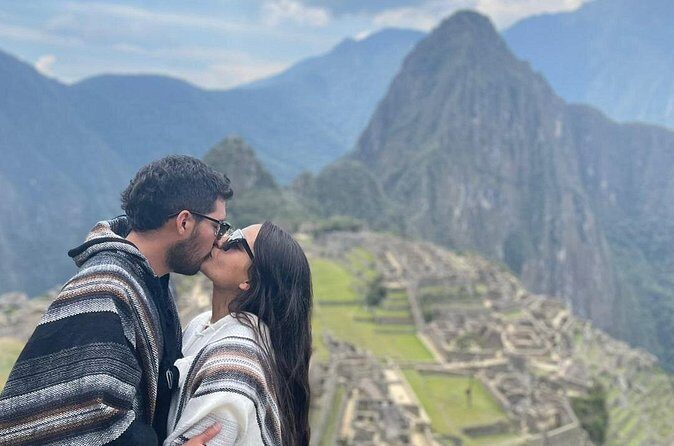
You take a bus ride of about 30 minutes to the entrance area. The guide is waiting on arrival, and you enter after showing your ticket. Expect a guided tour of roughly 2 hours and 30 minutes up to about 3 hours, followed by time to take photos.
I think the biggest win here is that you’re not learning the site by guessing. The guide explains what you’re looking at, and that turns “wow, ruins” into “wow, I get why this mattered.”
Free time for photos
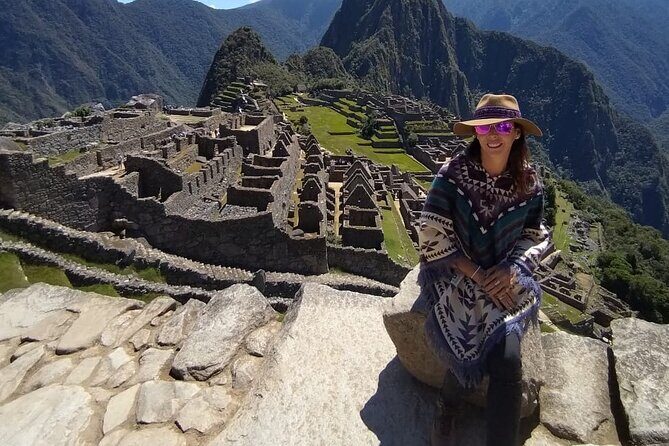
After the guided segment, you get time to take photos. Use it, but don’t treat it like a sprint. Some of the best shots come when you pause and watch how the ruins sit in relation to the surrounding mountain folds.
Lunch and return to Ollantaytambo
You return to Aguas Calientes for lunch, then go back to the train station to head to Ollantaytambo. A representative meets you with a sign and your names, helps you into your vehicle, and you return to Cusco to your hotel.
This day ends with a payoff: you do the big effort early, then come home with less chaos.
Day 4 Rainbow Mountain from Cusipata: the hike, the 7 colors stop, and altitude support
Rainbow Mountain days are where your body has a say. This trip starts early—4:45 AM pickup from your hotel—then you head to Cusipata.
Cusipata breakfast and stepping toward Fulawasi
You arrive in Cusipata around 7:00 AM for breakfast. After that, you continue toward the hiking start in the village of Fulawasi, with the walk beginning around 9:30 AM, based on the schedule.
The itinerary says the hike to the mountain begins after coordination with the guide. That usually means you’ll get instructions on pace and timing, not just a vague “good luck.”
Vinicunca Mountain: the 7 colors viewpoint
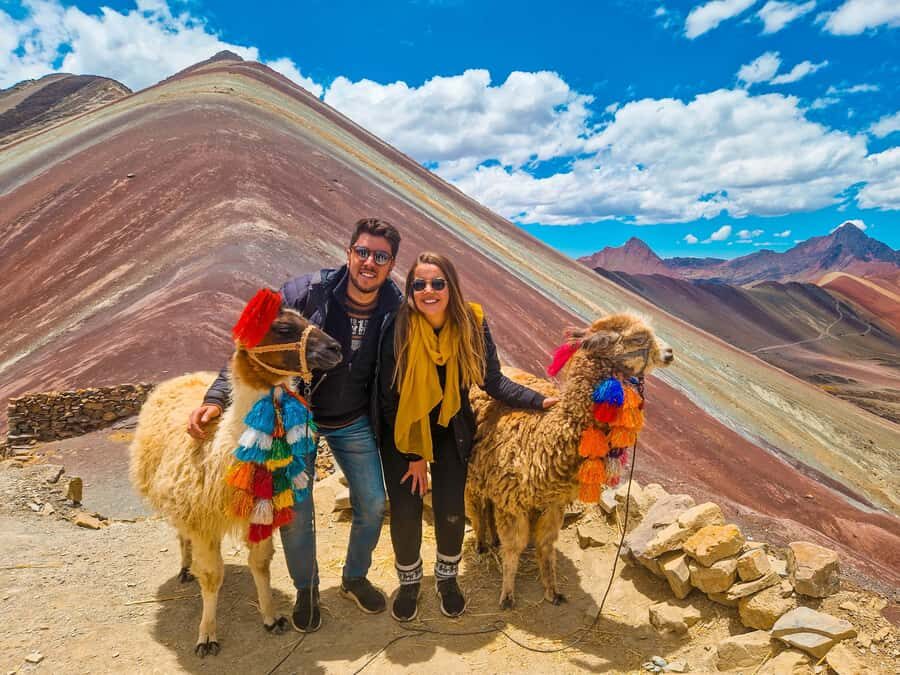
You’re scheduled to arrive at Vinicunca Mountain around 11:35 AM. Then you have time (the plan lists classic photos) before heading back to the bus station around 12:05 PM.
At 1:15 PM you board the bus, return to Cusipata to have lunch, then continue by transport to your lunch restaurant and back to Cusco.
Canes, oxygen, and first aid kit
Day 4 includes canes/oxygen and a first aid kit. That support matters because Rainbow Mountain is all about managing effort at altitude and reducing the chance of a bad spiral if you’re not feeling great.
My advice: treat this day like a slow climb, not a badge mission. Move steadily, breathe, and save your energy for the viewpoint.
Day 5 Cusco at your pace: Plaza de Armas and San Blas plus your airport transfer
After the big ticket days, Day 5 gives you a more human tempo. You get a free morning to relax or take a walking tour that hits central Cusco.
Walking tour options: cathedrals, colonial squares, and markets
The walking tour includes Plaza de Armas (with the main cathedral and colonial houses), Plaza de las Nazarenas, Barrio San Blas, La piedra de los doce ángulos, and the San Pedro local market.
Even if you choose the tour, it’s still a nice change from long transfers. You’re getting a feel for how Cusco blends Inca foundations and Spanish-era layers in a way you can actually stroll.
Hotel to airport transfer
The plan also includes transfer from Cusco hotel to the airport, scheduled later in the day with your arrival near the main square around 5:00 PM (per the itinerary timing).
How to choose this tour: who it fits best

This trip is a good fit if you want a guided “best of” route with included train logistics and clear planning for Machu Picchu and Rainbow Mountain. The small group cap (max 18) is especially helpful if you value organization.
It’s also a solid choice if you don’t want to spend your vacation hours figuring out tickets, bus schedules, and meeting points. The itinerary builds in the main connection points: train stations, hotel overnight, and guided entry.
If you’re very sensitive to altitude or you dislike early mornings, you might want to rethink. The schedule requires waking up early and doing walking time on Day 3 and Day 4.
FAQ
FAQ
How long is the Machupicchu, Sacred Valley and Rainbow Mountain tour?
It runs for 5 days and includes 4 nights of accommodation.
What is included in the price?
The package price covers airport-to-hotel pickup, tourist transport, a tourist guide (Spanish or English), entrance tickets (including Machu Picchu), train tickets, bus tickets (up and down), and hotel accommodation. It also includes breakfast and lunch on multiple days.
What hotel level should I expect?
The tour includes 3-star hotel accommodation for the 5 days and 4 nights.
Do I need to arrange my own train to Aguas Calientes and back?
No. Roundtrip train tickets are included, listed as The Voyager Tourist Service (roundtrip).
Is there a guided visit at Machu Picchu?
Yes. You’ll have a guide in Machu Picchu in Spanish or English, and the plan notes the guide will pass by your hotel at night with details for your visit.
What time are pickups on the first day?
On Day 1, the city tour pick up from your hotel is listed at 2:00 PM.
What kind of fitness level do I need?
The tour notes a moderate physical fitness level. It includes early starts and a hike on Rainbow Mountain.
Is the tour refundable if plans change?
No. This experience is non-refundable and cannot be changed for any reason.
Should you book this tour?
If you want Machu Picchu without DIY logistics headaches, I’d book this. The combination of train + overnight in Aguas Calientes + guided entry tackles the usual friction points, and the itinerary keeps Cusco and the Sacred Valley stops tied together in a sensible flow.
Choose it especially if you like clear structure, a guide who explains what you’re seeing, and a smaller group size. Just be honest with yourself about early starts and walking time—this trip is scenic, but it’s also work at altitude.