REVIEW · CUSCO
3 Day Sacred Valley: Machupicchu and Rainbow Mountain Tour
Book on Viator →Operated by Machupicchu Latin America · Bookable on Viator
First, you’ll trade stress for a tight schedule. This 3-day Cusco tour strings together Sacred Valley classics, a guided visit to Machu Picchu, and the early grind up Rainbow Mountain (Vinicunca). I love that most of your moving parts are handled for you—hotel pickup, transfers, train timing, and site entry—so you can focus on the sights. I also like the small-group feel (up to 15 people) and the built-in moments of free time, like exploring Machu Picchu after the guide finishes.
One thing to watch: it’s early, it’s high, and it’s active. Day 3 starts around 5:00am, and the hike to the red ridge climbs from about 4660m to roughly 5200m, so you’ll want a moderate fitness level and a realistic view of breath. Also, a few meals are marked as not included, and there’s some mismatch around lunch coverage—so confirm what’s actually included when you book.
In This Review
- Key highlights at a glance
- Cusco to Sacred Valley: llamas, postcard stops, and how the day starts right
- Why this works for most travelers
- Pisac Market and Inca agriculture: what you’ll actually learn on the ground
- Urubamba lunch and Ollantaytambo: the route toward the Machu Picchu train day
- A practical note about timing
- Aguas Calientes: where you reset before Machu Picchu
- Entering Machu Picchu: guided tour plus time to wander your way
- Lunch and town time in Aguas Calientes
- Ollantaytambo train ride back to Cusco: the easy win of handled transfers
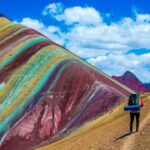
- Rainbow Mountain Vinicunca: the 5am start and the payoff at 5200m
- Optional horse add-on
- Hotels, small group size, and the comfort factor that matters
- Price and logistics: what $589 buys you, and what you’ll pay separately
- Who this tour suits best (and who should think twice)
- Should you book this Machu Picchu + Rainbow Mountain 3-day Sacred Valley tour?
- FAQ
- What does the tour cost?
- How long is the tour?
- What’s included in the package?
- What’s not included?
- Are pickup and transport included?
- What group size should I expect?
- What language is the tour conducted in?
- How early does Day 3 start for Rainbow Mountain?
- Is the hiking required, and what fitness level is needed?
Key highlights at a glance
- Hotel pickup and drop-off + full transport between Cusco, the Sacred Valley, and train connections
- Guided Sacred Valley stops (Pisac and Ollantaytambo) with explanations of Inca water and agriculture
- Machu Picchu with a timed, guided entry plus your own time to wander afterward
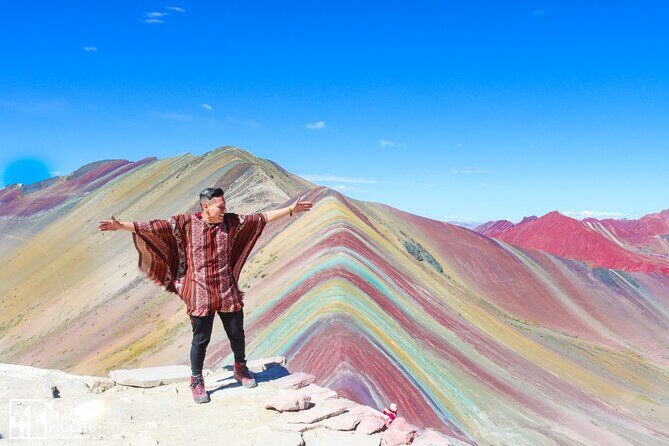
- Rainbow Mountain Vinicunca hike with a high-altitude sunrise-style start and photo rest stops
- Train round-trip (economy) to Aguas Calientes for an easier Machu Picchu day
Cusco to Sacred Valley: llamas, postcard stops, and how the day starts right
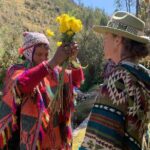
Your day begins in Cusco with hotel pickup, then a direct drive into the Sacred Valley area. The first stop is a community rescue center, Manos de la comunidad, where you can see llamas, alpacas, and vicuñas up close. It’s the kind of stop that makes the rest of the day feel more connected—Peru isn’t just stone and mountains; it’s also the animals and daily life that go with the high Andes.
Next you get a quick photo stop at Taray. It’s short, but that’s exactly the point: you’re not losing your morning to long detours. This is one of those “get your bearings fast” moments where you’ll likely recognize the classic Sacred Valley angles.
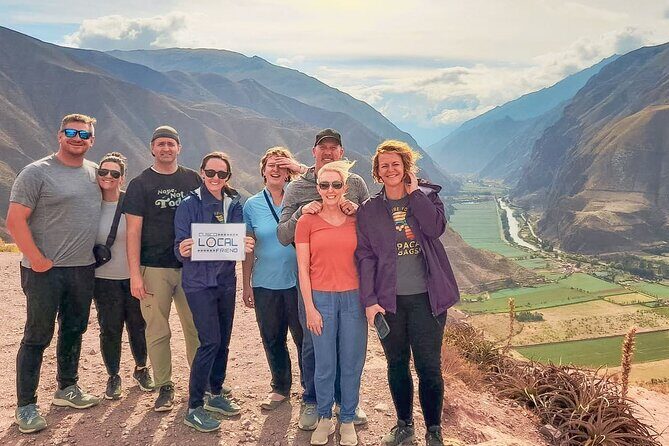
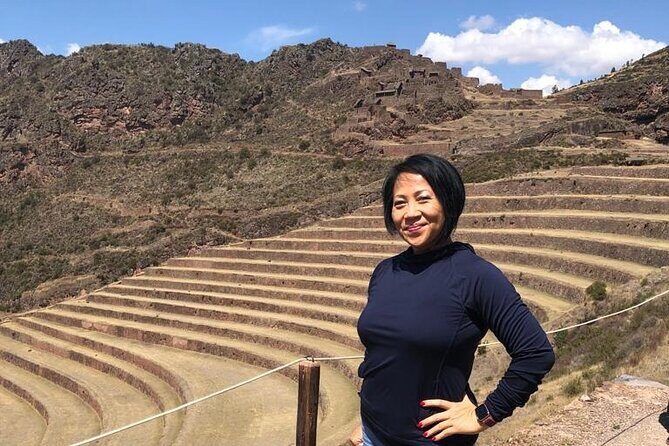
Then the big Inca-themed stretch starts with Pisac. You’ll stop in the town market first, where you can browse locally made souvenirs and interact with people in a real marketplace setting. After that, you drive up to the Pisac Inca site for views over the valley and a guided walk through temples, residences, altars, and channels.
You can also read our reviews of more tours and experiences in Cusco

Why this works for most travelers
The itinerary is built around a simple idea: you get a mix of learning and scenery without spending all day in transit. By the time you reach Pisac’s ruins, you’re warmed up for walking, and your guide can explain how the Inca shaped the land—especially through water systems and farming terraces.
Pisac Market and Inca agriculture: what you’ll actually learn on the ground
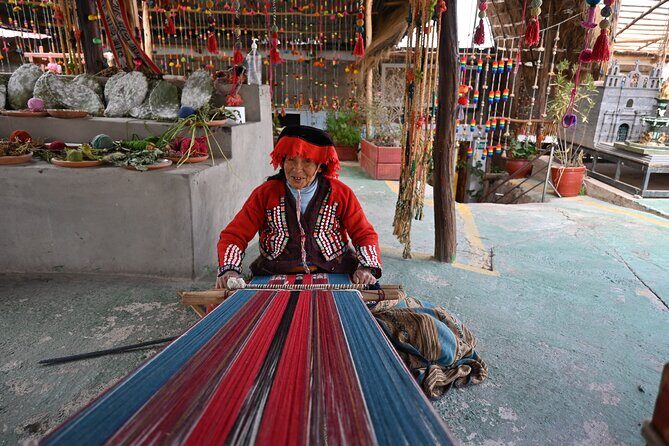
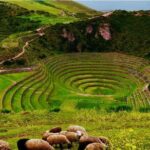
Pisac is one of the most practical stops on the whole trip because it combines three things at once: people, goods, and infrastructure. In the market, you can pick up souvenirs and see what locals are selling today—handicrafts, textiles, and small Peru-branded items. Then you climb into the Inca site where the guide points out how the empire used gravity, channels, and stepped fields to feed communities in steep terrain.
The Inca agricultural methods are a highlight here. Even if you’ve visited other ruins in Peru, it’s worth paying attention to the irrigation and channel layout because it helps you connect what you’re seeing to how the valley was sustained. It’s not just “cool rocks”; it’s engineering you can trace.
What I’d consider as a drawback: markets can take longer than you expect if you’re chatting, bargaining, and browsing. Plan to move at a comfortable pace rather than rushing to the next photo because your timing depends on the broader day schedule.
Urubamba lunch and Ollantaytambo: the route toward the Machu Picchu train day
After Pisac, you’ll drive down to Urubamba for a buffet-style lunch (not included). This is a sensible break because the Sacred Valley sites are spaced out by elevation changes and road time. You’ll get a chance to refuel before the afternoon Inca stop.
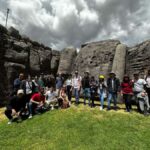
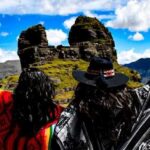
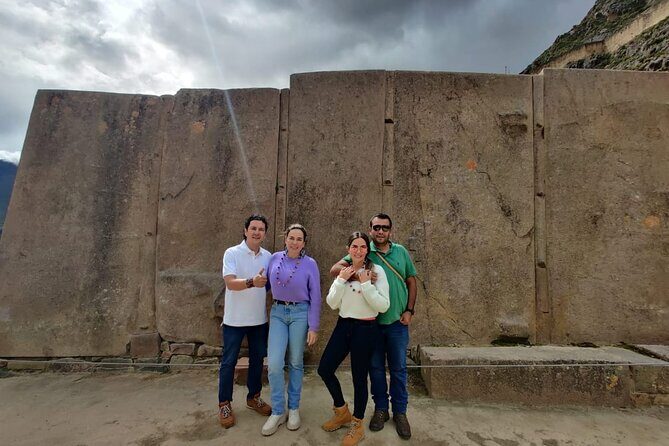
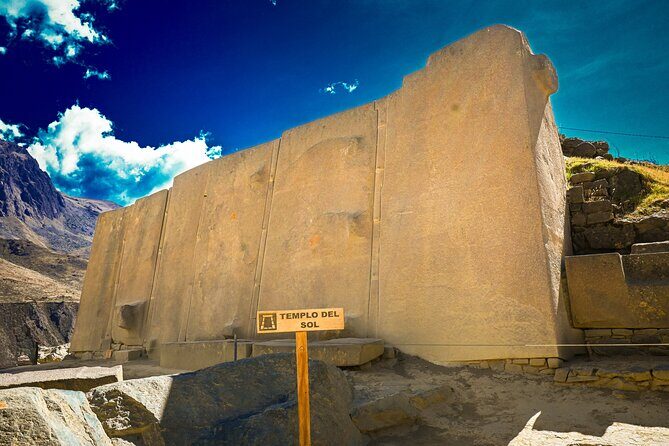
Then you head to Ollantaytambo for an archaeological visit. You’ll tour an Inca citadel with constructions from the Inca period and a striking rock formation associated with the Inca deity Wiracocha. Ollantaytambo has a different feel than Pisac—more compact, more built-up, and often more dramatic because the town and ruins are tied together.
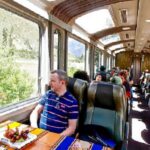
From there, the day transitions into the most important logistics move of any Machu Picchu trip: the train connection. You’ll be taken to the train station in Ollantaytambo and board the ride to Aguas Calientes (Machu Picchu town). The train journey along the Vilcanota River scenery is built into the experience, not treated like a boring transfer.
A practical note about timing
Train days can feel long even when everything is “included,” because you’re doing check-in, boarding, and waiting in stations. The upside here is that you’re not planning it yourself—you’re following a schedule with guided handoffs.

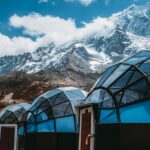

Aguas Calientes: where you reset before Machu Picchu
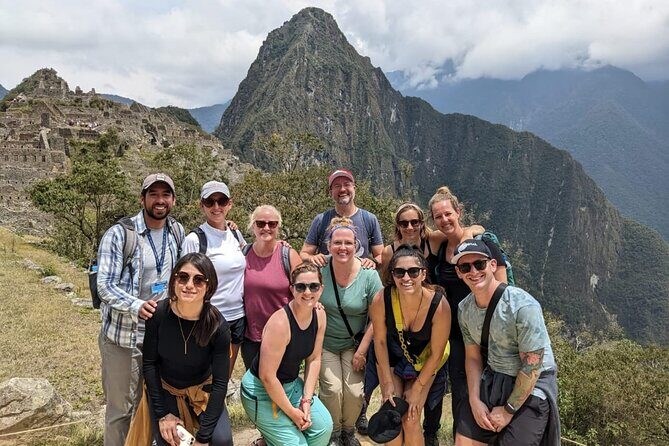
When you arrive in Aguas Calientes, your hotel staff walks you to your lodging after arrival. This matters more than people think. Aguas Calientes can be confusing the first time you’re there, especially after a day of travel.
Check in, then you have the rest of the day free. That’s your chance to eat (dinner will be on you), wander for a bit, and pack yourself for an early start the next morning. It’s also the best time to do small errands like water refills or buying snacks if you know you’ll hike the next day.
If you’re the type who hates uncertainty, this “free time buffer” is a good thing. It lets you adjust if your body runs slower at altitude.
Entering Machu Picchu: guided tour plus time to wander your way
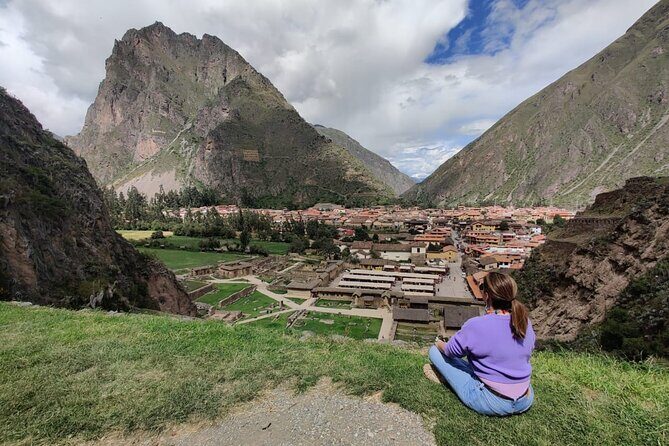
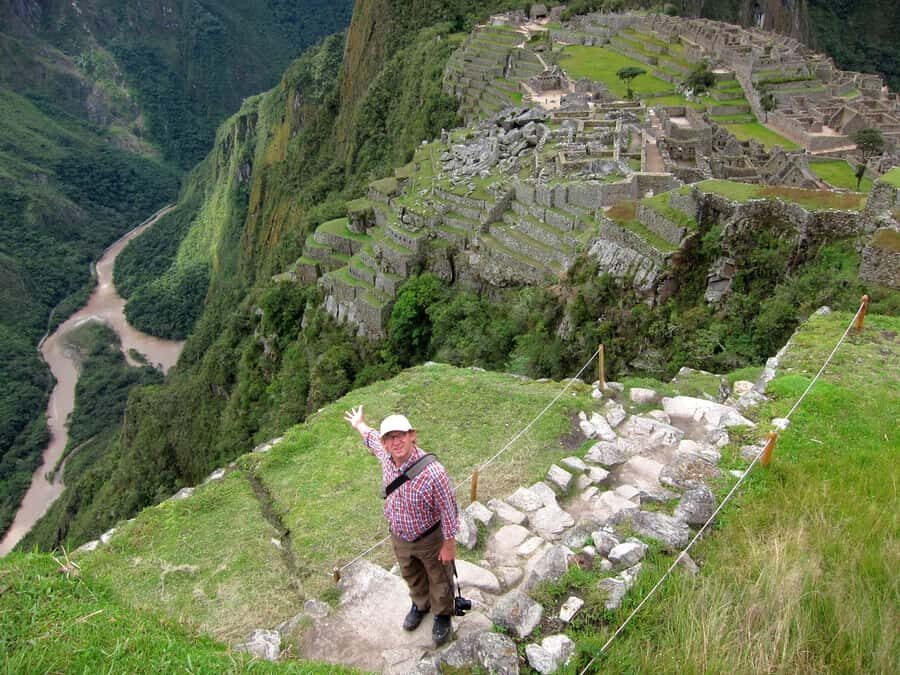
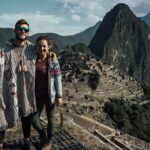
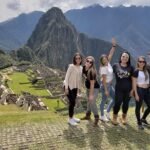
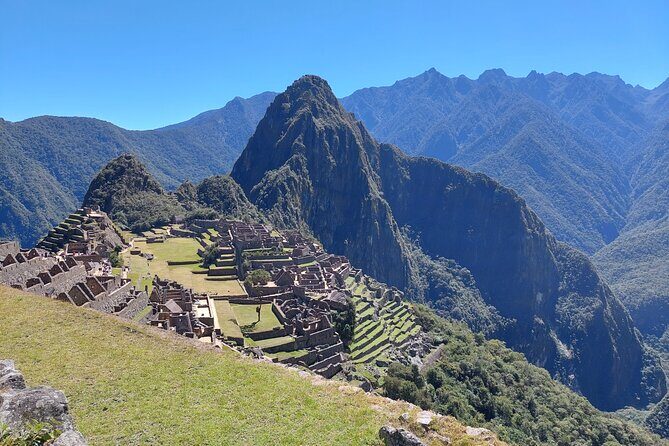
Day 2 is built around a single big moment: Machu Picchu. After breakfast, you walk to the bus station, then ride up for about 30 minutes to the main entrance gate. From there, you start with a guided tour led by a professional guide, with the guide explaining the history, traditions, and context around this Inca citadel.
The guided portion is about 3 hours, so you’re not just standing and taking photos—you’re learning how different parts of the site connect. One of the best things I’ve found with a good guide here is that they help you “read” the place quickly. You stop seeing it as random ruins and start recognizing patterns—where people would have moved, what areas might have had different roles, and why certain views mattered.
After the guided tour, you get extra free time to explore on your own. That’s a smart design. You can return to the spots you liked most or take your time with viewpoints without feeling like you’re always catching up to a group.
Lunch and town time in Aguas Calientes
Then you head back down by bus and spend time in town for lunch and local browsing (lunch not included). This is a nice contrast day: one part ancient wonder, one part modern tourist town.
Also, keep an eye on the practical side—photos at Machu Picchu are great, but you’ll want layers for the change in temperature between the site and the valley below.
Ollantaytambo train ride back to Cusco: the easy win of handled transfers
After your Machu Picchu day, you take the train back to Ollantaytambo. The train ride is about 1.5 hours, then you meet the team at the general exit gate with a sign holding your name. After that, you’re transferred privately back to your Cusco hotel.
This is where value shows up in the real world. Train days are easier when someone is coordinating the handoffs and pickup points. You get the convenience of not trying to decode which exit to use, where to wait, and how to coordinate transport after a long day.
One thing I’d suggest: keep your essentials in a day bag. You’ll be moving between buses, trains, and waiting areas, so having your water, a light layer, and your charger plan makes the day feel smoother.
Rainbow Mountain Vinicunca: the 5am start and the payoff at 5200m
Day 3 is for Rainbow Mountain (Vinicunca), and it starts early—your pickup is around 5:00am. You’ll drive roughly 1.5 hours to the first stop, then head for breakfast in the Cusipata District before you continue to the hike starting point around 4660m.
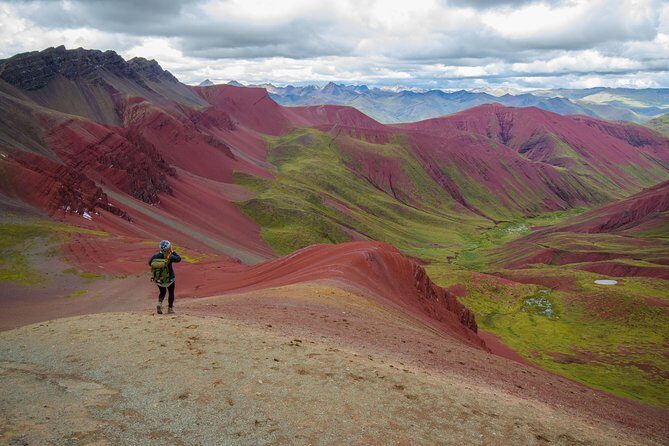
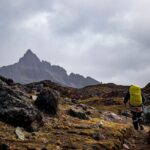
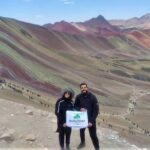
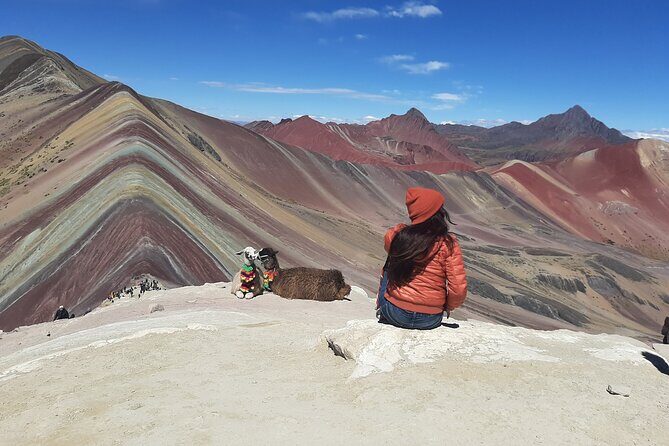
From there, you hike upward about 2 hours to reach the highest point on Vinicunca at around 5200m. The route includes a gradual ascent, and along the way you’ll observe camelids like alpacas, llamas, and vicuñas. It’s a good rhythm hike: walk, pause, look around, then repeat.
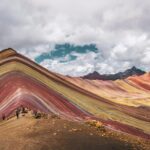
When you reach the red hill area (often called colina roja), you get free time to rest and enjoy the views in those red, pink, turquoise, and yellow tones. The altitude is the real story here. Even if you’re fit, you’ll feel it, so pacing and hydration matter.
Optional horse add-on
There’s an optional horseback ride during Rainbow Mountain if you want one, listed at 120 Peruvian soles each. It’s not included, but it’s there for people who want to reduce the uphill strain.
Then you descend back to the parking area, board transport, and drive back. You stop again at Cusipata for lunch, then return to Cusco by about 4:00pm.
Hotels, small group size, and the comfort factor that matters
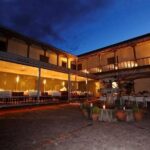
This tour includes 2 nights in 3-star hotels with daily breakfast. Two nights means you’re not packing and unpacking constantly, and it also gives you time to reset between the Machu Picchu day and Rainbow Mountain day.
Group size is capped at 15 travelers, which often translates into smoother logistics. You still need to accept that Peru tours run on schedules, but smaller groups usually mean less chaos at meeting points and easier communication.
One practical insight from guide service quality: in at least one account I saw, the company provided a packet with tickets and had strong coordination through WhatsApp. That’s the kind of behind-the-scenes help that saves time when things get stressful, like matching the right Machu Picchu ticket circuit to your exact entry plan. (That same account also mentioned a ticket plan mismatch that was corrected, showing why communication and prompt fixes matter.)
Price and logistics: what $589 buys you, and what you’ll pay separately
At $589 per person, this is not a budget-only tour. But you’re paying for a lot that’s expensive and/or hard to coordinate: hotel nights, guided tours, entry tickets to Machu Picchu and Rainbow Mountain, and round-trip train tickets to/from Machu Picchu’s town.
Transport is also a big part of the value: hotel pickup and drop-off, plus transfers across the Sacred Valley and between train connections. That reduces the hassle factor and lowers the chance of missed connections.
That said, you should budget for extras:
- Sacred Valley entrance fee: PEN 70 per person (not included)
- Several meals: lunch on certain stops is marked not included, and dinners are not included
- Tips
- Optional horseback ride on Rainbow Mountain: 120 PEN each
One detail you should double-check when booking: the package lists lunch as included, but the daily lunch stops in the day-by-day plan are marked not included. I’d ask the operator to confirm exactly which lunch is included in your case.
Who this tour suits best (and who should think twice)
This fits you well if you want a guided, structured Peru trip without building the logistics yourself. You’ll like it if you want to see Machu Picchu and Rainbow Mountain in one run, and you prefer clear handoffs (pickup, guides, train timing) over navigating on your own.
It’s also a solid pick if you enjoy a mix of ruins and everyday culture. The Pisac market stop and the Inca-focused explanations add texture beyond the big headline sites.
You might want a different approach if you’re very altitude-sensitive or if you hate early starts. Rainbow Mountain is an all-in physical commitment at high elevation, and Day 3 is the heaviest day by far.
Should you book this Machu Picchu + Rainbow Mountain 3-day Sacred Valley tour?
I think this is a strong choice if you want guided structure and fewer moving parts. The combination of Sacred Valley sites, Machu Picchu with a professional guide, and the Rainbow Mountain hike—plus hotel and train logistics handled—makes it good value for your time.
Before you book, do two simple checks:
1) Confirm the exact lunch coverage and any meal inclusions.
2) Be honest about your comfort with a 5:00am start and a hike to around 5200m.
If those boxes look good for you, this tour is a practical way to hit Peru’s two most famous “wow” destinations without turning the trip into a full-time planning job.
FAQ
What does the tour cost?
The price is $589 per person.
How long is the tour?
It’s about 3 days.
What’s included in the package?
It includes hotel pickup and drop-off, transport during the program, 2 nights in 3-star hotels with daily breakfast (2 breakfasts), guided tours for Sacred Valley, Machu Picchu, and Rainbow Mountain, entry tickets for Machu Picchu and Rainbow Mountain, and round-trip economy train tickets to and from Machu Picchu.
What’s not included?
Not included are air tickets, a horse for Rainbow Mountain (optional, 120 PEN), the Sacred Valley entrance fee (PEN 70 per person), lunches on listed days, dinners, and tips.
Are pickup and transport included?
Yes. Pickup is offered from most hotels, Airbnb, and even the Cusco airport, and transportation is included for the whole 3-day program.
What group size should I expect?
The tour has a maximum of 15 travelers.
What language is the tour conducted in?
It’s offered in English.
How early does Day 3 start for Rainbow Mountain?
You’ll be picked up around 5:00am for the Rainbow Mountain day.
Is the hiking required, and what fitness level is needed?
The tour is listed as suitable for travelers with moderate physical fitness. You should expect the Rainbow Mountain hike ascent to the higher point around 5200m.