REVIEW · CUSCO
Sacred Valley Full-Day Private Tour from Urubamba & Ollantaytambo
Book on Viator →Operated by Cusco Local Friend · Bookable on Viator
Sacred Valley, packed into one calm private day. This full-day tour is interesting because it links Ollantaytambo and the Maras salt mines with guided stops that explain how Inca engineering and everyday life connect across the valley. I like that the day is private with hotel pickup and a real guide, so you can ask questions and move at a human pace. The only watch-out: there is up-and-down walking plus altitude, so you’ll want to go slower than you would back home.
One of the best things about this format is that it’s built to reduce the usual stress of jumping between towns. You get private transportation, a schedule that makes sense, and guided time at each site rather than a rushed drive-by. Many guides on this route are locals, and you can see that in how they pace the day and point out details you would otherwise miss.
If you want a one-day snapshot before deeper adventures like Machu Picchu, this is a strong option. You’ll see the big names of the Sacred Valley, but with enough breathing room to actually enjoy the views and the stones, not just survive the itinerary.
In This Review
- Key Things You’ll Notice on This Sacred Valley Private Day
- Why This Sacred Valley Day Tour Works (Even If You Only Have One Day)
- The Real Timing: 8:00 AM Start and a Long Day Door-to-Door
- Stop 1: Ollantaytambo’s Terraces, Temple of the Sun, and Water Temple
- Stop 2: Moray’s Circular Terraces as an Agricultural Laboratory
- Stop 3: Salinas de Maras Salt Mines and the Pre-Inca Salt System
- Stop 4: Maras Area Lunch Break (No Ticket Needed, Just Food and Breathing Room)
- Stop 5: Chinchero’s Weaving Centers and Inca Ruins with Mountain Views
- What Makes the Guides Here Matter (Ferdinand, Pablo, Sam, and More)
- Price and Ticket Costs: Is $135 Per Person Worth It?
- Fitness and Altitude: The One Consideration You Should Not Ignore
- Shopping and Side Stops: Usually Practical, Not a Rush
- Who This Sacred Valley Tour Fits Best
- Should You Book This Sacred Valley Full-Day Private Tour?
- FAQ
- What time does the Sacred Valley private tour start?
- How long is the tour, including travel time?
- Which stops are included in the itinerary?
- Are entrance fees included in the tour price?
- How much are the entrance fees?
- Is lunch included?
- What is included besides the guide?
- Is this a private tour or shared group?
- Can I cancel and get a full refund?
Key Things You’ll Notice on This Sacred Valley Private Day
- Hotel pickup + private van means less logistics and more time at the sites.
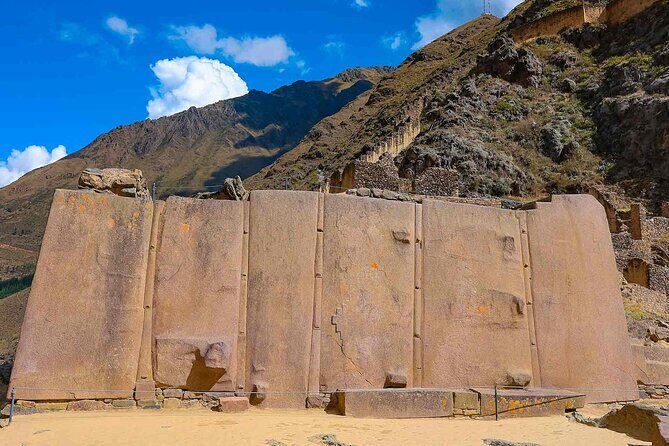
- Ollantaytambo first sets the tone with major Inca terraces and ritual spaces.
- Moray’s circular terraces explain Inca agricultural experimentation in a way that clicks.
- Salinas de Maras salt pools show how pre-Inca saltmaking still works.
- Chinchero textiles and ruins add a culture thread to all the stone engineering.
- Flexible pacing is common, especially for guests adjusting to altitude.
Why This Sacred Valley Day Tour Works (Even If You Only Have One Day)
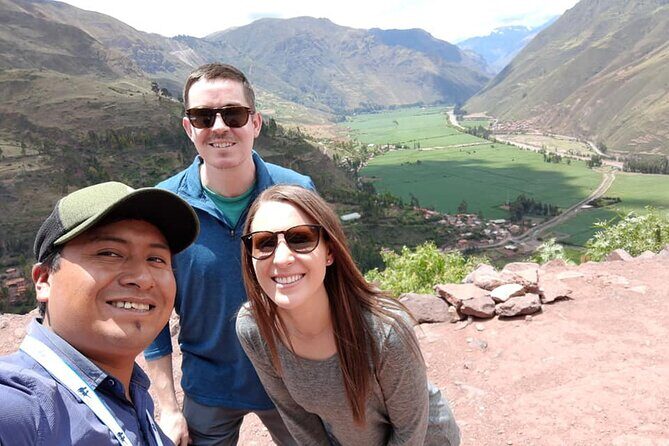
The Sacred Valley can feel like two different trips at once: you’re looking at giant Inca structures, and you’re also passing through working towns where life goes on. This tour stays focused on both sides. You get guided time at major Inca sites, then you spend time in the Maras and Chinchero areas where you can see how the region lives, not just how it looked centuries ago.
What makes it work is the private setup. A shared group tour often means waiting for people, fighting for photo angles, and hearing the same one-size-fits-all explanation. Here, your guide can slow down when you need it. You also get private transportation, which matters because the valley roads wind and traffic can be unpredictable.
If you like your travel days structured but not rigid, you’ll appreciate the flow: big site, short drive, another guided stop, lunch time, then finishing with Chinchero before returning to your hotel.
You can also read our reviews of more private tours in Cusco

The Real Timing: 8:00 AM Start and a Long Day Door-to-Door
The pickup starts at 8:00 am. From there, the day runs about 9 to 10 hours in total. That number includes the driving between places, and it’s a real part of the experience. Plan your day as a full commitment, even if the guided site time is shorter.
In the middle of the day, you’ll have a chance to eat in the Maras area. Lunch is not included, but the schedule gives you time to stop at a local restaurant instead of grabbing something last-minute. After Chinchero, you return to your hotel, which is usually where the day ends.
Also, even when the itinerary lists site durations, altitude and your walking pace can change the felt timing. In practice, this is a tour where you should expect extra time for comfort, rest stops, and a calm photo pace.
Stop 1: Ollantaytambo’s Terraces, Temple of the Sun, and Water Temple
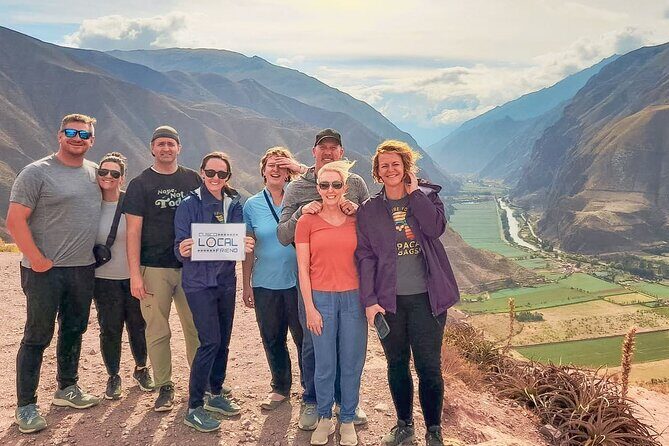
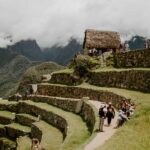
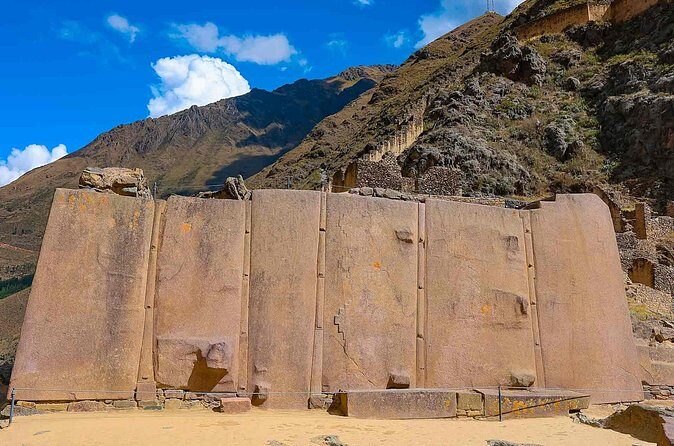
Ollantaytambo is the kind of Inca site that makes you understand why people plan their trips around it. This stop is often the emotional anchor of the day: you get Inca terraces that step down like built-in land shaping, plus major ritual architecture that feels both grand and specific.
You’ll focus on:
- Inca terraces and how the site fits the hillside
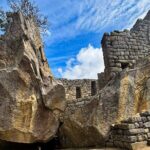
- The Temple of the Sun
- The Water Temple and its ceremonial fountains
The Water Temple detail is worth paying attention to because it shows that these places were not only about views. They were also about water, ritual, and controlled movement of resources. When your guide explains how the Inca thought about engineering and ceremony together, Ollantaytambo becomes more than ruins on a map.
Walking here includes some incline and uneven footing. If you’re coming straight from Cusco or another high area, take your time on the first hour. Ollantaytambo is a great place to start because it gives you the full wow factor early, when you still feel fresh.
Stop 2: Moray’s Circular Terraces as an Agricultural Laboratory
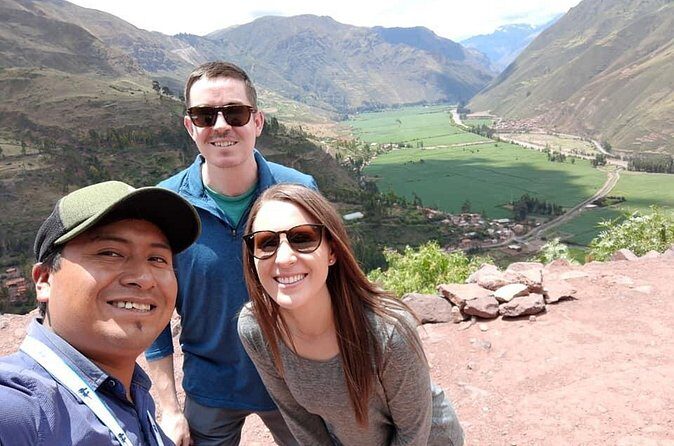
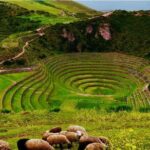
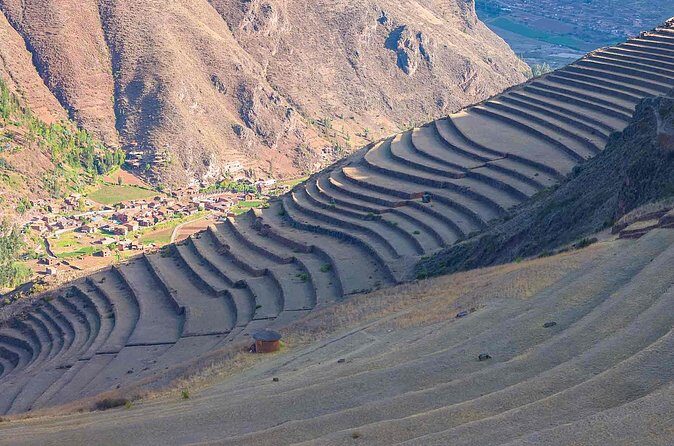
Next is Moray, famous for its circular terraces. The setting is unusual compared with the rest of the Sacred Valley because the site looks like a set of giant stacked bowls.
Moray is believed to have functioned as an agricultural laboratory. The main point to understand while you’re walking is that the Inca weren’t just building monuments. They were experimenting with growing conditions, using the shape of the terraces to create different microclimates.
This is also a good stop for your brain. After Ollantaytambo’s grandeur, Moray shifts you into how the Incas solved practical problems with smart design. It’s a change of pace that makes the whole day feel balanced.
Because it’s a short drive from the previous stop, you don’t lose energy to transit. You go in, you learn, and you get to enjoy the structure without feeling like you’re racing the clock.
Stop 3: Salinas de Maras Salt Mines and the Pre-Inca Salt System
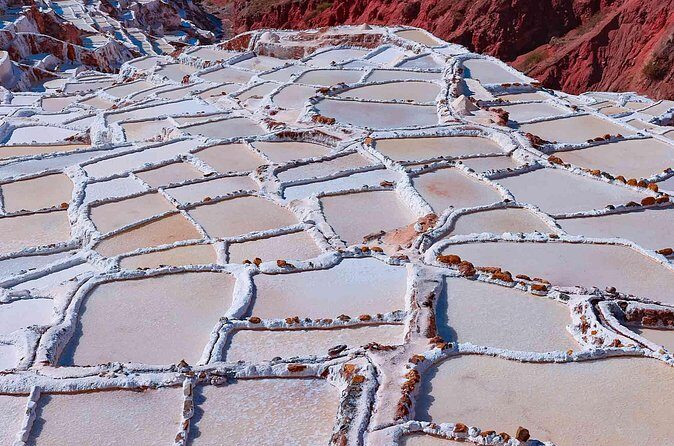
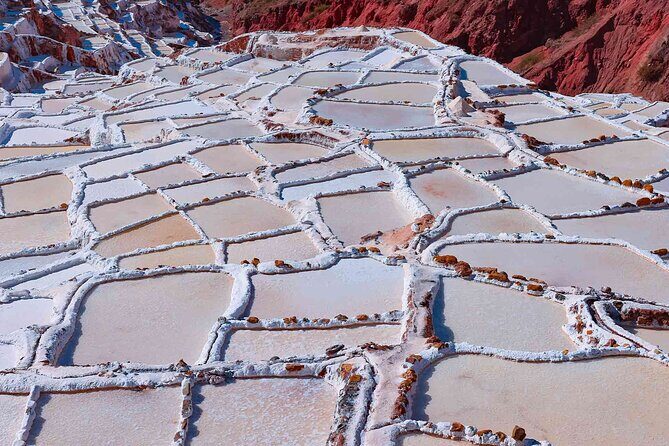
Then comes the part many people remember the longest: Salinas de Maras. The setting is striking because you’re not looking at a ruin museum. You’re looking at active salt production in a terraced hillside.
Here’s what makes it compelling: locals have been obtaining salt for centuries by evaporating warm salty water taken from a subterranean stream. That matters because it connects pre-Inca systems to living work today.
At Salinas de Maras, your guide’s job is to help you see pattern and process. Those small salt pools aren’t random. They’re organized, maintained, and dependent on the water supply and evaporation. When someone points out the logic of the layout, you’ll start noticing details instead of just looking at a busy hillside.
Comfort tip: wear shoes you trust. Some paths can be slippery depending on the weather and how the ground is worn. And yes, plan for some stairs and short climbs. It’s not a hardcore trek, but it’s also not just sitting and staring.
You can also read our reviews of more tours and experiences in Cusco
Stop 4: Maras Area Lunch Break (No Ticket Needed, Just Food and Breathing Room)
After the salt mines, the schedule builds in time to eat in the Maras area. Lunch is not included, but the tour includes the time slot so you can choose something local rather than eating on the run.
This break is more useful than it sounds. By mid-day, altitude fatigue can hit. A calm sit-down meal helps you reset before Chinchero, which is another stop with walking and photo time.
You should also take a moment to hydrate. The valley air can be deceptively dry. If you’re carrying a water bottle, this is when you’ll feel grateful you did.
Stop 5: Chinchero’s Weaving Centers and Inca Ruins with Mountain Views
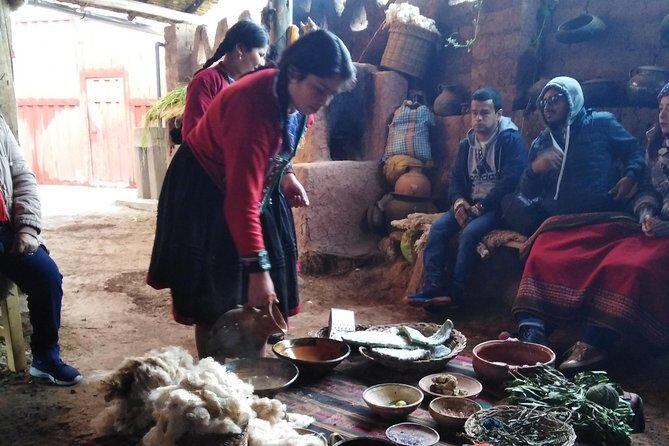
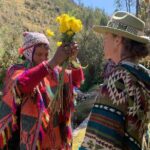
Chinchero is where the day shifts from stone engineering to living craft. The area is known for traditional textile weaving centers and for well-preserved Inca ruins, plus mountain views that make the stop feel open and airy.
What you’ll see and focus on:
- Traditional weaving and the chance to understand how textiles are made
- Inca ruins in and around the town area
- Strong mountain views that frame the site in a different way than the denser ruins
One practical tip: if you’re offered a chance to see weaving techniques up close, take it. It’s the kind of cultural detail that turns the visit into something you remember beyond photos. It also connects to why Chinchero matters in a larger Sacred Valley story: agriculture and craft both sustained daily life.
After Chinchero, you have about an hour to return to your hotel. That means you can end the day feeling fed, informed, and not exhausted in an unpredictable way.
What Makes the Guides Here Matter (Ferdinand, Pablo, Sam, and More)
A private guide isn’t just about facts. It’s about pacing, translation, and the small interpretations that help ruins make sense. This tour tends to pair you with a guide who can explain the sites in clear English and keep the tone friendly and practical.
You might meet guides like Ferdinand, praised for being patient with walking pace at altitude and for adding context that helps you connect the dots between places. Pablo is another example, described as local to the Urubamba area and able to explain the region so you leave with a stronger sense of how Peru’s past connects to today.
Sam is also mentioned for arranging the day in a way that helps with crowds, which can make the difference between rushing and really absorbing each stop. And drivers like Willy and Edgar are repeatedly praised for safe handling on winding roads and for keeping the car comfortable.
Even if your guide is different, the theme stays the same: you get a local perspective and a plan that reduces stress. You’ll spend more time looking and less time worrying about logistics.
Price and Ticket Costs: Is $135 Per Person Worth It?
At $135 per person, the tour price is not the cheapest way to see the Sacred Valley. But it includes several things that add real value: pickup from your accommodation, a local guide, private transportation, and taxes.
What is not included:
- Lunch
- Entrance fees for the Maras Salt Mines (PEN 20 per person)
- Entrance fees for Ollantaytambo, Moray, and Chinchero (PEN 70 per person)
So your true budget is the tour price plus entrance fees plus lunch. If you’re comparing against a group tour, the math usually comes down to this: how much do you value private pacing and reduced transit hassle?
If you care about comfort, asking questions, and avoiding the frequent bottlenecks of shared tours, it’s easier to justify. If you’re traveling light, feel very comfortable with altitude, and don’t need much guidance, you might feel the price more.
For most people, the best value is this: the day is structured to hit the main sites efficiently, and the private guide turns those sites from pretty stops into understandable stops.
Fitness and Altitude: The One Consideration You Should Not Ignore
This is not a full-on hike, but it is not a sit-everywhere tour either. The walking includes up-and-down sections, and the region sits at high altitude. The guides you’ll be paired with often adjust pace for altitude, but it still helps to show up prepared.
Here’s what to do:
- Move slower than your usual pace, especially at Ollantaytambo
- Bring water and take breaks when you need them
- Wear shoes with traction
The simplest win is mindset. Treat the day like sightseeing with rest included, not like a workout you need to complete fast.
Also, bring sun protection. A hat and sunscreen get recommended often for a reason: the high sun can feel intense even when the day isn’t blazing.
Shopping and Side Stops: Usually Practical, Not a Rush
This tour format often stays focused on the sites. That helps you avoid the feeling of a full day being diluted by optional detours.
That said, you might be offered local recommendations along the way, especially around eating or cultural crafts. If Chinchero presents weaving demonstrations, say yes if you’re curious. If you’re not, you can still enjoy the ruins and views without feeling you must buy anything.
It’s a good idea to travel with a clear preference: if you want zero shopping stops, mention that early. With a private setup, your guide can shape the day more easily than a fixed group schedule.
Who This Sacred Valley Tour Fits Best
This tour fits well if you:
- Want a strong Sacred Valley overview without planning your own route between towns
- Prefer private pacing over crowd management
- Like explanations that connect engineering, agriculture, and daily culture
- Are preparing for bigger adventures in Peru and want a logical acclimatization day
It also fits families who want guided support and a structured timeline, including parents managing kids’ energy levels. Several guides on this route are praised for being patient and flexible when the pace needs to slow down.
If you only want one or two sites, or if you’re the type who hates driving time, you might find it a bit much. But if you want to see the headline Sacred Valley stops in one day, this is one of the most straightforward ways to do it.
Should You Book This Sacred Valley Full-Day Private Tour?
Book this tour if you want the best mix of structure and comfort. The private transportation and pickup reduce stress, and the guided stops cover the Sacred Valley highlights in a way that makes the day feel more than just a checklist.
Think twice if you’re sensitive to walking or if altitude hits you hard. You can still do the tour, but go in planning to slow down, take breaks, and keep expectations realistic for a 9 to 10 hour day door-to-door.
If you’re okay paying for convenience and guidance, this is a strong value. You come away with a clearer understanding of Inca engineering in Ollantaytambo and Moray, plus the living salt tradition at Maras, ending with Chinchero’s craft and ruins.
FAQ
What time does the Sacred Valley private tour start?
The start time is 8:00 am, with pickup from your accommodation.
How long is the tour, including travel time?
It runs about 9 to 10 hours total. The site time is described as about 5 hours and 30 minutes, with the rest of the time spent driving between stops.
Which stops are included in the itinerary?
You’ll visit Ollantaytambo, Moray, Salinas de Maras, Maras for lunch time, and Chinchero.
Are entrance fees included in the tour price?
No. Entrance fees are not included for Ollantaytambo, Moray, and Chinchero, and there is a fee for the Maras Salt Mines.
How much are the entrance fees?
Maras Salt Mines is PEN 20 per person. Ollantaytambo, Moray, and Chinchero entrance fees are PEN 70 per person.
Is lunch included?
Lunch is not included. You get time to eat in the Maras area at a local restaurant.
What is included besides the guide?
The tour includes pickup from your accommodation, a knowledgeable local tour guide, private transportation, and taxes.
Is this a private tour or shared group?
This is a private tour/activity. Only your group participates.
Can I cancel and get a full refund?
Yes, you can cancel up to 24 hours in advance for a full refund based on the experience’s local time. A minimum number of travelers is required, and if the minimum isn’t met, you’ll be offered another date/experience or a full refund.