REVIEW · CUSCO
Cusco: Scenic Route of the Sun to Puno with Buffet Lunch
Book on GetYourGuide →Operated by InkaExpress · Bookable on GetYourGuide
Waking up early pays off here. This Cusco to Puno day trip turns a straight transfer into a guided Route of the Sun with major sights plus a real lunch break. You get a comfy bus, onboard drinks, and enough stops to make the day feel worthwhile.
I especially love Andahuaylillas Church, famous for its Jesuit-era frescoes and gold-leaf details, and the buffet lunch with classic Andean dishes and desserts.
One thing to plan for: you’ll pay entrance tickets on arrival for a couple of the key sites, and the day starts very early.
In This Review
- Key points before you go
- Turning Cusco to Puno into a real day trip
- Price and what your $44 covers (plus the tickets you’ll add)
- The early start, timing, and how the ride stays comfortable
- Andahuaylillas Church: the Sistine Chapel of the Americas stop
- Raqchi’s Temple of Wiracocha: why 15 meters feels enormous
- The lunch break in Marangani–Sicuani: buffet that actually fills you up
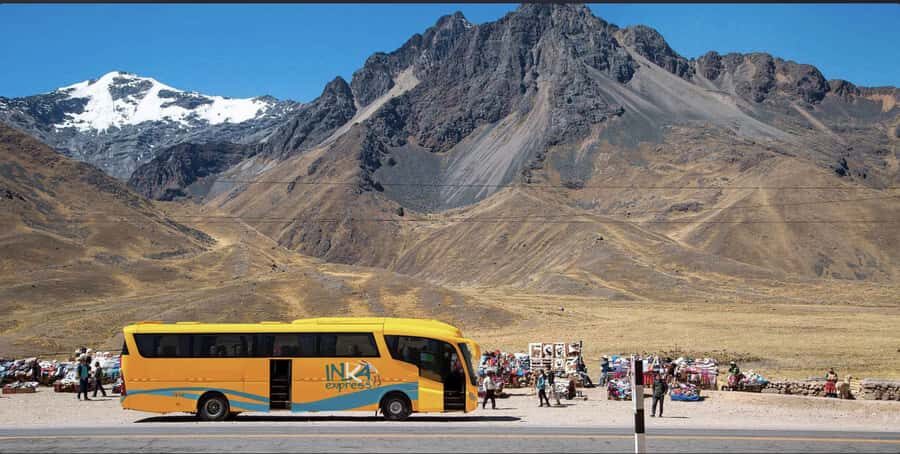
- Abra La Raya viewpoint: the high pass photo moment
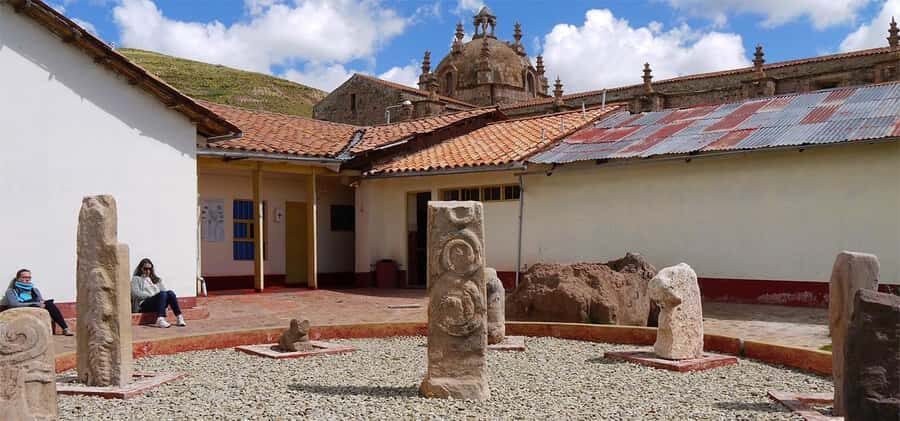
- Pucará Museum and the Lithic Museum: Andean origins in a guided hour
- Arrival in Puno: Lake Titicaca is waiting
- Guides and smooth running: what matters on a 11-hour day
- Who should book this Cusco to Puno Scenic Route?
- Should you book this Route of the Sun bus?
- FAQ
- FAQ
- What time does the Cusco to Puno trip start?
- Where is the departure point?
- What time does the trip finish in Puno?
- How long is the trip?
- Is lunch included?
- Are entrance tickets included in the price?
- What’s included on the bus?
- Is there a cancellation window?
Key points before you go
- Four guided stops break up the Cusco to Puno drive so your day doesn’t feel like sitting in traffic
- Andahuaylillas Church brings serious wow-factor with colonial art placed over an older Inca sacred spot
- Raqchi’s Temple of Wiracocha is the kind of site that makes you stop talking and just look
- Abra La Raya is your big high pass photo moment at the border between regions
- Buffet lunch in Marangani–Sicuani is included, with both savory plates and desserts
- Heat, A/C, and oxygen onboard help on a long day that includes high-altitude points
Turning Cusco to Puno into a real day trip
If you’re moving from Cusco down to Puno (for Lake Titicaca), the easy option is a direct bus. But this route is built for people who don’t want to waste the journey. Instead of just watching the scenery go by, you stop for guided cultural sites and viewpoints, then end in Puno with the lake nearby.
The format works because it gives you short, focused windows at each stop. You’re not expected to spend hours and hours anywhere. That means you see more than one highlight on a single day, and you still arrive before the evening gets chaotic.
You also get a luxury-bus feel without the “tour-bus rush.” You’re on a private, comfortable vehicle with bathroom access and onboard hot and cold drinks. Add a proper meal, and suddenly the drive feels like part of the experience, not a chore.
You can also read our reviews of more tours and experiences in Cusco

Price and what your $44 covers (plus the tickets you’ll add)
The price is $44 per person, which already includes a lot of the heavy lifting: private luxury bus transport to Puno, professional bilingual guiding, and lunch. You also get onboard service like tea, coffee, coca tea, herbal infusions, plus mineral water and soft drinks.
What’s not included is important: entrance tickets for Andahuaylillas, the Raqchi complex, and the Pucará Museum. You pay these directly in person on arrival (the total listed is 53 soles, about $13).
So what’s the real value? You’re paying for:
- guided time at several major sites (not just photo stops)
- a included lunch with multiple dish options
- a comfortable, well-managed long day with heating/A/C and oxygen tank support
If you were to do this on your own, you’d likely spend time figuring out transport between stops, then pay for entrances anyway. Here, the “glue” is the guiding and scheduling, so you don’t lose half your day to logistics.
The early start, timing, and how the ride stays comfortable
This trip runs for about 11 hours, with a 6:40 AM departure. The day moves fast, and you’ll feel it most in the morning, before the first big site.
You’ll start from Av. Alameda Pachacuteq 499-B (Cusco area). From there, the schedule is designed around four guided cultural stops plus one major viewpoint, with lunch in between.
Comfort details matter on a long Cusco-to-altitude-to-lake day. The bus includes heating and A/C and even an oxygen tank on board. That doesn’t mean you’ll automatically feel altitude stress, but it does mean the operator planned for it—especially since the route climbs to Abra La Raya.
Also, you get a clean onboard bathroom, plus bathroom opportunities at stops. One of the best things about this kind of day trip is pacing, and this one is set up so you’re not stuck waiting forever.
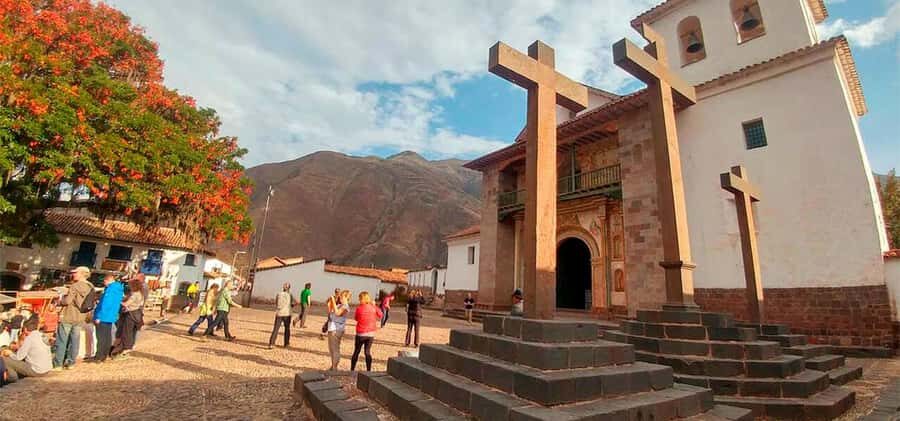
Andahuaylillas Church: the Sistine Chapel of the Americas stop
Your first major guided stop is Andahuaylillas, scheduled around 7:40 AM. This is one of the stops that makes the Route of the Sun route feel special, because it’s not just “a church you pass by.”
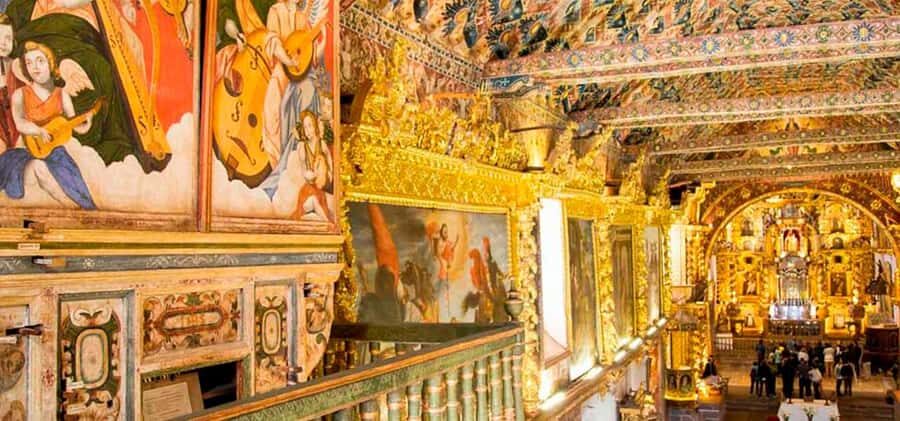
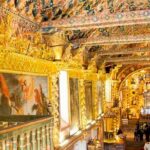
Andahuaylillas is known as the Sistine Chapel of America. The church is 16th-century, built by Jesuits on top of an ancient Inca sacred site. The result is a layered place: colonial art on an older spiritual foundation.
What you’ll actually notice when you’re there:
- vibrant interior artwork (fresco-style scenes)
- decorative gold-leaf details that catch the light
- an overall sense of craftsmanship that’s bigger than a quick photo
This stop is also a good “tone setter.” After Cusco morning energy, it shifts you into slower, detailed looking. You’ll typically get about 45 minutes here, long enough to see the main art and still move on without rushing.
Practical note: if you’re sensitive to early-morning cold, this is where the bus warmth helps. And wear shoes you trust—you want firm footing when you’re moving in and out around historical sites.
Raqchi’s Temple of Wiracocha: why 15 meters feels enormous
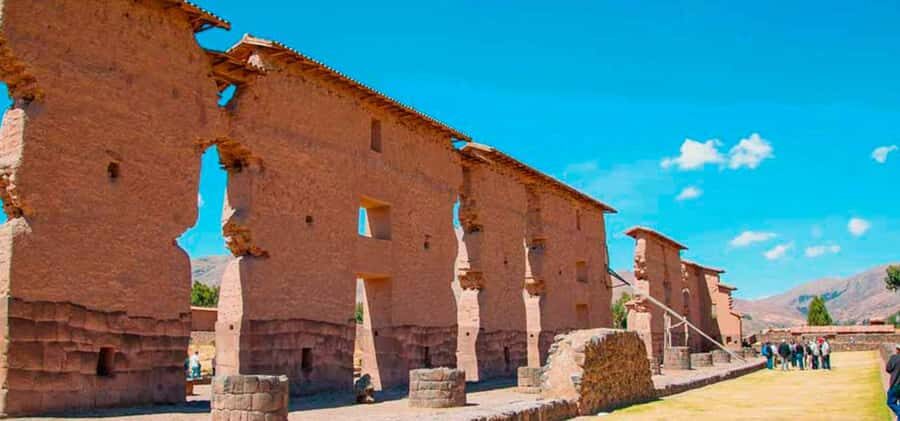
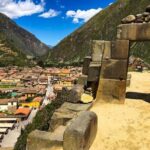
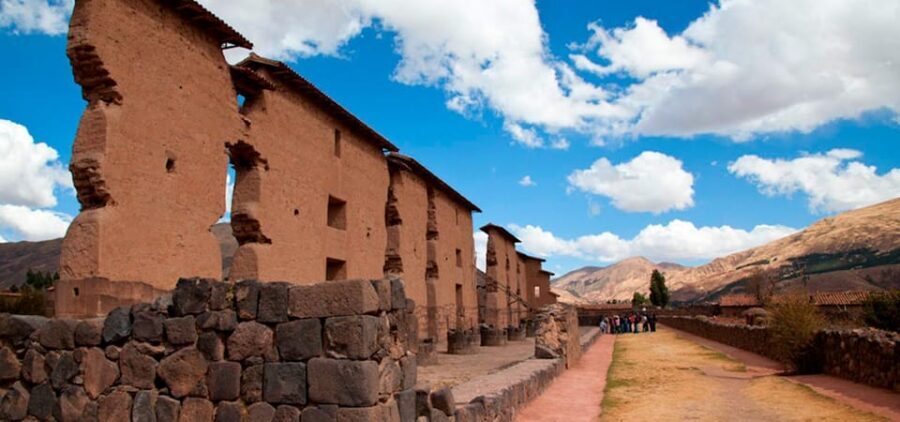
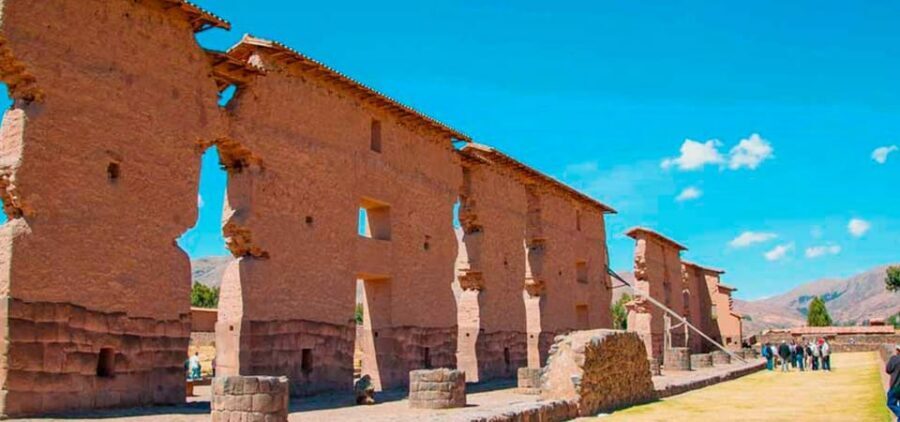
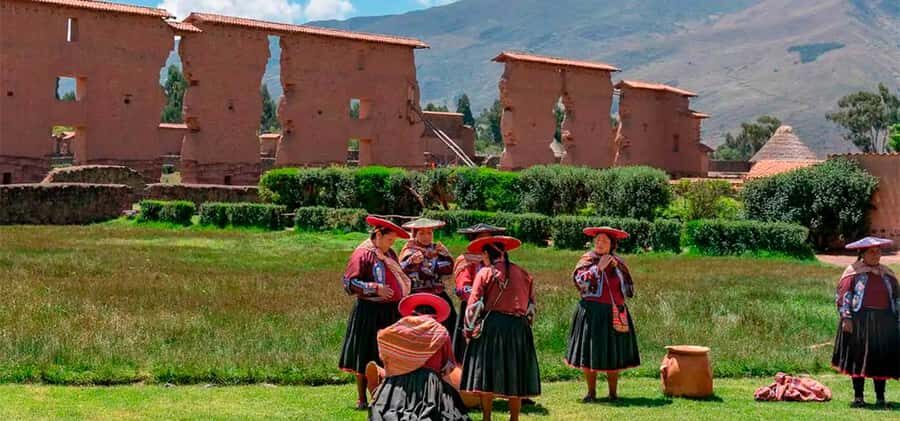
Next comes Raqchi, around 10:15 AM, with guided time at the archaeological complex. This place is called the Temple of Wiracocha, built to honor the invisible Superior God in Andean belief.
Here’s what makes it hit hard in person: the main temple walls are about 15 meters high. Even if you’ve seen Inca-style stonework before, the scale and the simplicity of the geometry can feel surprisingly intense. It’s less about tiny details and more about the sheer presence of the structure and what’s left around it.
This is also a stop that rewards paying attention to how the guide connects past and present. You’ll learn about the temple and the broader context of the region’s spirituality and architecture.
Timing-wise, it works well because you’re still fresh enough in the day to take it in. And you’re not only there for ruins—you’re being guided through what you’re looking at, so you don’t leave with a few pretty photos and nothing to remember.
You can also read our reviews of more tours and experiences in Cusco

The lunch break in Marangani–Sicuani: buffet that actually fills you up
Around 11:35 AM, you get a traditional Andean feast. Lunch is built as a buffet, so you can choose what fits your appetite and any dietary comfort level.
Included items can include:
- tender beef
- chicken
- fish
- sides and salads (served warm and raw)
- desserts
- herbal infusions
The buffet matters because this isn’t a snack stop. It’s your fuel for the afternoon climb to Abra La Raya and the museum visit afterward.
One of the smartest things about this schedule is that lunch happens before the high pass viewpoint. Eating before you head up helps you stay comfortable and focused. Also, the lunch spot is described as clean, which sounds minor until you realize how much you’re relying on bathroom breaks during a long day.
If you’re the type who likes tasting, don’t overthink it. Start with a small serving of something new, then build from there. Desserts are included too, and they’re usually an easy way to slow down and enjoy the break.
Abra La Raya viewpoint: the high pass photo moment
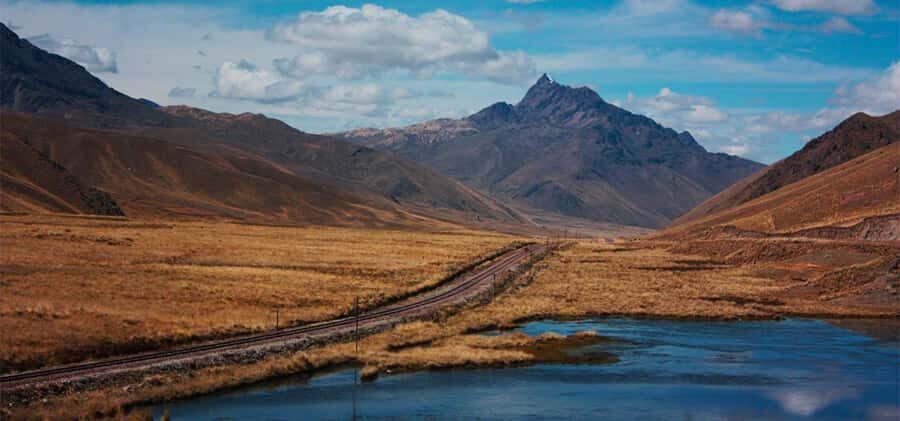
Around 2:15 PM, you’ll stop at Abra La Raya, the highest point on the journey and the natural border between Puno and Cusco.
This is your short, high-impact viewpoint stop. Plan for about 10 minutes of guided/photo time. That’s enough to look around, take photos, and let the guide explain what you’re seeing.
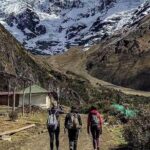
You’ll get panoramic views of the Andes—snow-capped peaks in the distance and high-altitude terrain stretching out below. Even in cloudy conditions, you’ll usually get a strong sense of altitude and scale.
A little strategy for this stop:
- bundle up before you step out (high points can feel colder fast)
- keep your phone/camera ready so you don’t lose time to fumbling
- take a couple wide shots, then switch to close landscapes if visibility is good
This is one of those “stop for the experience” moments, not “stop for the monument.” It’s all about your eyes catching up to the altitude.
Pucará Museum and the Lithic Museum: Andean origins in a guided hour
After the viewpoint, the day shifts into history mode again. Around 3:20 PM, you reach Pucará, where you visit the Pucará Museum and the Lithic Museum of Pucará.
This stop focuses on the origins of Andean civilization. The museum covers life in the region roughly from 500 BC to 200 AD. You’ll see artifacts and learn about the people who lived there—priests, artisans, and warriors—and how this hub functioned.
The word “lithic” clues you into what you’ll likely notice: stone-related pieces and material culture that show how communities worked, shaped tools, and expressed beliefs through crafted objects.
You’ll typically get about 45 minutes here, which is a sweet spot. Long enough to absorb what the guide explains, short enough that you don’t feel worn out before arrival in Puno.
If you’ve been doing museums in Cusco already, this is a good contrast. It brings you closer to early Andean society and helps bridge the time gap between Inca-era sites and later colonial impacts.
Arrival in Puno: Lake Titicaca is waiting
You wrap up around 5:30 PM at the Terminal Terrestre Puno, with Puno located on the shores of Lake Titicaca.
By the time you arrive, you’ve already seen a full day of architecture, sacred sites, and one big high pass viewpoint. That means you can shift mentally from “day trip mode” into “Titicaca town mode” quickly.
If you’re planning your next steps—dinner plans, a tour the following day, or a hotel check-in—try to keep things flexible early evening. You’ll be tired, but not defeated. This is the kind of day that leaves you satisfied rather than drained.
Guides and smooth running: what matters on a 11-hour day
The best tours aren’t just about the places. They’re about how the day feels in motion: timing, pacing, and how often you’re left waiting.
This operator uses professional bilingual guides (Spanish and English). Guides are known for keeping groups together, explaining what you’re looking at, and helping people manage the practical side of travel during a long route.
In the way the stops are handled, there’s also a pattern that I like: bathrooms and small breaks are managed so the tour doesn’t stall. In past experiences on this route, guides have even split groups so one side can handle quick needs while the other continues touring—an easy trick that saves time and keeps energy up.
You’ll also appreciate basic comfort controls: the bus is described as clean, and the drivers are praised for smooth driving. For a long road trip through changing elevation, that matters. It’s not about luxury for luxury’s sake—it’s about keeping the ride calm so you can stay alert for each stop.
Who should book this Cusco to Puno Scenic Route?
This tour is a strong match if you:
- want a guided Cusco-to-Puno transfer that feels like more than transportation
- enjoy architecture and sacred sites, especially Jesuit-colonial layers and Inca-era ruins
- like a tight itinerary with stops that don’t overstay their welcome
- want lunch included so you don’t have to plan food mid-journey
It might not be the best fit if you:
- hate early departures and want a slow morning
- prefer fewer stops and longer free time at each location
- dislike paying entrance fees that you must settle in person on arrival
For most people heading to Puno, though, this is a practical way to save time. You’re effectively stacking your sightseeing while you’re already traveling to the next base.
Should you book this Route of the Sun bus?
Yes—if your goal is to turn the Cusco-to-Puno day into something memorable. For $44, plus the 53 soles entrance fees, you’re buying guiding, cultural stops, a real buffet lunch, and comfort features that matter on an 11-hour high-altitude route.
Book it if you’re happy with a structured day and short guided visits that keep the pace moving. If you want a quiet, minimal schedule, then a direct bus might suit you better. But if you’re trying to maximize your time in southern Peru, this one is a smart use of a travel day.
FAQ
FAQ
What time does the Cusco to Puno trip start?
The schedule shows a 6:40 AM departure from the Cusco terminal area.
Where is the departure point?
The meeting location listed for departure is Av. Alameda Pachacuteq 499-B.
What time does the trip finish in Puno?
The trip ends at Puno bus terminal around 5:30 PM.
How long is the trip?
It runs for about 11 hours.
Is lunch included?
Yes. You get a buffet lunch in Marangani – Sicuani.
Are entrance tickets included in the price?
No. You pay entrance tickets in person on arrival for Andahuaylillas, Raqchi, and the Pucará Museum (listed total 53 soles).
What’s included on the bus?
The inclusions list hot drinks (tea, coffee, coca tea, herbal infusions) and cold drinks (Coca-Cola, Inca Kola, mineral water), plus a clean bathroom, heating & A/C, and an oxygen tank.
Is there a cancellation window?
Yes. The tour offers free cancellation up to 24 hours in advance for a full refund.