REVIEW · CUSCO
Guided Tour in the Sacred Valley of the Incas – Cusco
Book on Viator →Operated by JISA ADVENTURE · Bookable on Viator
More Inca sights, fewer detours. This 12-hour loop through the Sacred Valley is a smart way to see Ollantaytambo plus small-group Cusco-region highlights, with an official guide, lunch, and private transport. The one real drawback is that you may pay extra at the salt and viewpoint portion due to Maras entrance costs and a limited stop time tied to altitude and health.
You start at Plaza Regocijo and end back there around 7:00 pm, so you can plan the rest of your evening in Cusco without guessing. Pacing is mostly comfortable for a day trip, but you do need to accept that some parts involve changing stops quickly. Also, admission handling differs by site, so it helps to go in knowing what’s included and what you’ll buy separately.
Safety-minded touches matter here: an oxygen ball is included, and the tour keeps the highest-stress moment short. If altitude affects you, treat the 7 Colors Mountain viewpoint stop as a quick photo-and-breathe moment, not a long hangout.
In This Review
- Key highlights you’ll feel fast
- A Cusco day plan that doesn’t waste your hours
- Chinchero: terraces, a colonial temple, and textiles in motion
- Moray and Maras: circular terraces to stepped salt pools
- The 7 Colors Mountain viewpoint: short by design, still worth it
- Ollantaytambo Fortress: the Sacred Valley’s heavyweight
- Urubamba lunch break: fuel that keeps the day on track
- Pisac Archaeological Complex: closing with terraces and views
- Price and value: what the $100 buys you
- Guide quality can make or break the day
- Who should book this Sacred Valley loop
- Should you book this tour?
- FAQ
- What is the duration of the Guided Tour in the Sacred Valley of the Incas in Cusco?
- What does the tour price include?
- What tickets or entrances are not included?
- Where is the meeting point?
- Is lunch included, and where is it served?
- Can I get a refund if I cancel?
Key highlights you’ll feel fast
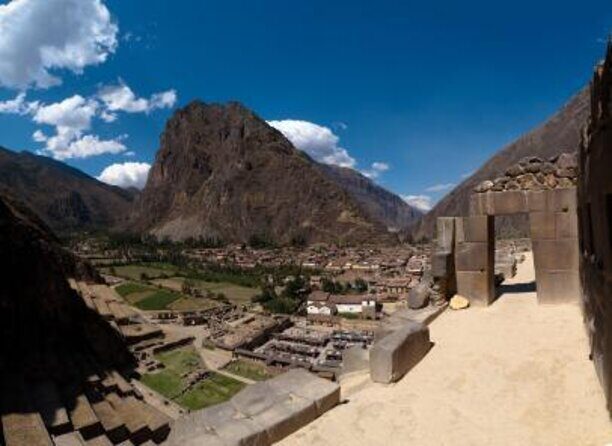
- Ollantaytambo Fortress: a big, dramatic Inca site with terraces and wide panoramic views
- Moray + Salineras de Maras: circular farming experiments, then stepped salt ponds
- 7 Colors Mountain viewpoint timing: short on purpose, shaped by altitude and health needs
- Official guide + small group: max 15 people for easier listening and smoother movement
- Lunch built in: both the Urubamba-area meal time and the included stops help you stay fueled
A Cusco day plan that doesn’t waste your hours

If you’re in Cusco for a short stay, the hardest part is choosing what’s worth the drive. This tour focuses on several major Sacred Valley stops in one go, without forcing you into the single-site trap that can leave you feeling like you rushed everything else. It’s also built for a full day: about 12 hours total, starting in the early afternoon window and typically wrapping around 7:00 pm.
I like how the format blends viewpoints and archaeology with actual food time. You’re not just marching through ruins. You get lunch and a breather in the Urubamba area, then you still finish with Pisac’s Inca-era site.
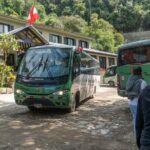
The transport helps too. You’re in private transportation, and that matters when you’re moving between places with different ticket rules. Less time lost to logistics usually means more time paying attention to what you came for.
You can also read our reviews of more guided tours in Cusco


Chinchero: terraces, a colonial temple, and textiles in motion
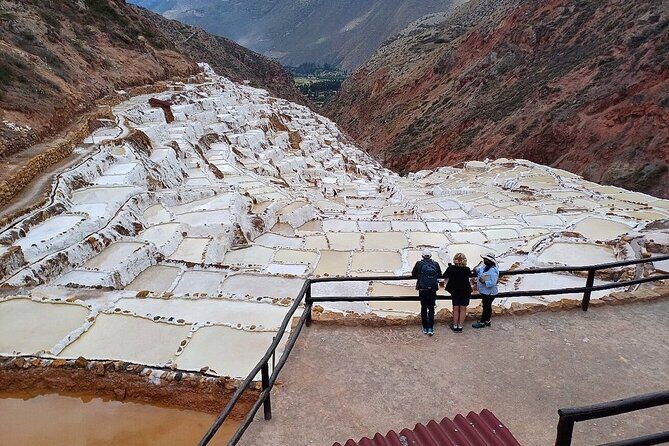
Chinchero is your first stop, and it works well as a warm-up. You’ll see agricultural terraces up close, along with a colonial temple on the same broader complex area. Then you can watch the textile production process, which is one of those details that makes Inca-era art feel real instead of museum-flat.
This stop runs about 2 hours, and admission is not included. That’s the first place where you’ll want to be mentally ready to add a ticket. The good news is that the time window is short enough that you’re not stuck waiting around.
What to watch for here is the way farming and weaving connect in the Andes. Terraces weren’t just for beauty. They were practical, and the textile process is another layer of daily life. Even if textiles aren’t your top interest, you’ll usually enjoy this stop because it breaks up the day before the heavier archaeology comes next.
Moray and Maras: circular terraces to stepped salt pools
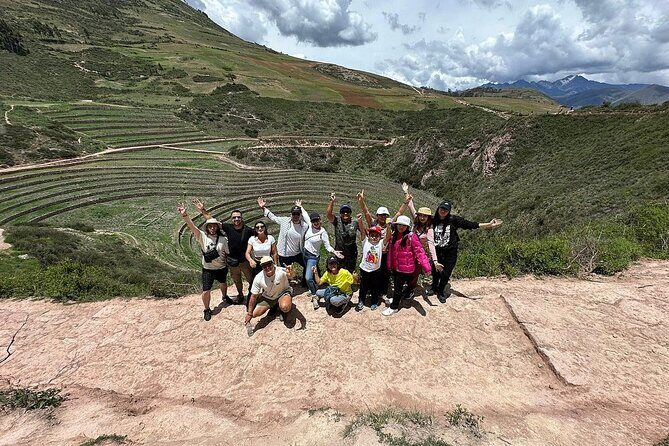
From Chinchero, the tour heads toward Moray, then continues to the Salineras de Maras salt pans. This is a strong pairing because the sites tell two different stories about how people engineered the land to make life work.
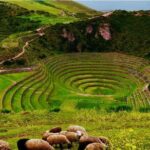
Moray is known for circular agricultural experimentation terraces. The basic idea is that different levels create different growing conditions, so you can experiment with what works best. Even if you don’t remember every explanation your guide gives, you’ll likely walk away thinking: people weren’t guessing. They were testing.
Then you go to the salt pools, which sit in stepped terraces that look almost geometric. Here, you learn about the ancestral tradition of salt extraction. The value isn’t only in the photos. It’s in understanding that salt wasn’t just something people used. It was part of trade, preservation, and everyday survival.
Tickets are where planning gets important. Admission is not included for this portion, and Maras entrance is listed as PEN 150 per person, plus a partial tourist ticket. I’d treat this as your budget headliner for the day, because it’s the clearest “pay extra” moment.
The 7 Colors Mountain viewpoint: short by design, still worth it
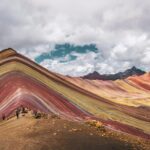
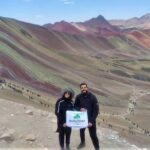
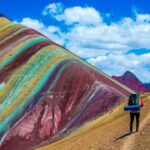
After Moray and Maras, you reach the viewpoint where you’ll have about 30 minutes to enjoy the colors of 7 Colors Mountain. Your guide explains why the site matters culturally, and the tour keeps the time limited.
That limited time is not a failure of planning. It’s altitude and health management. You don’t need a long stay to get the effect. You need enough time to look, take photos, and let your breathing settle.
Practical move: if you know altitude hits you, keep your pace calm during transfers and don’t try to sprint between photo spots. This is one of those moments where slower is smarter, because you’ll enjoy it more even if you’re only there for half an hour.
Ollantaytambo Fortress: the Sacred Valley’s heavyweight
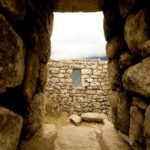
Next comes Ollantaytambo, and this stop is one of the reasons people say you can’t miss the tour. The Fortress area has terraces, archaeological remains, and strong panoramic views. It’s the kind of place where you understand why the Sacred Valley mattered so much—Inca architecture isn’t just decorative here. It’s built into the terrain.
You’ll spend about 2 hours on this stop. Admission is listed as free, which is a nice cost relief compared with the earlier paid segments.
One detail I really like about putting Ollantaytambo mid-day is that you’re more alert than you might be on a late-afternoon squeeze. The views also tend to feel more rewarding when you’re not rushing past them with tired legs.
If you’re wondering whether it feels too similar to other ruins you’ve seen, Ollantaytambo usually lands differently because it feels massive and functional at the same time. Even without expert technical knowledge, you can read the terraces and think, this is engineering.




Urubamba lunch break: fuel that keeps the day on track
After Ollantaytambo, the tour shifts to Urubamba for lunch, then continues with time in the Urubamba area. Lunch is included and admission for this part is listed as free.
The meal is a buffet with typical dishes from the region. I love that this isn’t just a quick snack stop. A real lunch makes the remaining driving and walking feel doable instead of punishing.
Urubamba is also a helpful reset. You get about 3 hours connected to that segment, which gives you time to eat slowly, use the facilities, and regroup before Pisac. If you’ve been trying to power through your trip on caffeine alone, this is where you fix that.
Pisac Archaeological Complex: closing with terraces and views
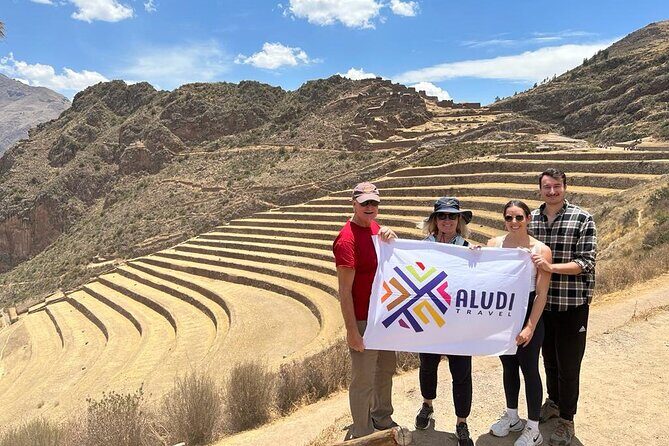
You finish with Pisac Archaeological Complex, about 2 hours. Admission is listed as free here, which means the final stop is one of the easiest from a cost standpoint. You’ll see Inca architecture and agricultural terraces, plus panoramic views of the valley.
Pisac is a good closer because it ties the day together. Earlier stops gave you farming ideas (Chinchero terraces, Moray experimentation), then the salt story expanded the theme of land use. Pisac brings you back to Inca-era structure and makes the valley feel like a connected system instead of separate dots on a map.
End timing matters too. After Pisac, you return to Cusco and the tour ends back at the meeting point around 7:00 pm. That makes the day trip feel complete rather than leaving you stranded thinking you still need to manage transportation.
Price and value: what the $100 buys you
The listed price is $100 per person for an approx. 12-hour guided experience. That price isn’t just for a seat on a bus. It includes official tourism guide, lunch, oxygen ball, and private transportation.
Here’s how I think about value on a day like this:
- You save effort by having transportation handled, especially when stops have different ticket rules.
- Lunch already being included means you’re not spending extra time and money hunting food between sites.
- Oxygen ball inclusion is a practical comfort item in a high-altitude region.
- The small-group cap of 15 people can improve the quality of your experience. You tend to get clearer explanations and less waiting around.
Cost extras you should expect include the partial tourist ticket and Maras entrance (PEN 150 per person) for the Moray/Maras segment. Admission at Chinchero is also not included. So if you’re budgeting, think of the $100 as the base, then plan for these site-specific adds.
Overall, it’s priced like a full-day organized route, not a bargain shortcut. If you’d otherwise rent transport or cobble together stops yourself, the guide and private ride usually justify the cost.
Guide quality can make or break the day
A tour can have great sites and still feel flat if your guide is hard to follow. One standout detail from this experience is how supportive the guides can be with languages and tone.
If your guide is Mihai, for example, the reviews highlight that he’s funny, informative, and enthusiastic, with jokes that land without taking over the day. There’s also a specific note about language help: one person accidentally booked a Spanish tour but still got a special English translation. That kind of flexibility can turn a stressful mismatch into a smooth experience.
Even beyond personality, you’ll benefit from a guide who can explain why places like Moray and the salt pans matter culturally. You’re not just looking at shapes in a distance. You’re learning what the Andean people were trying to accomplish.
Who should book this Sacred Valley loop
This tour fits best if you want a structured day with major Sacred Valley highlights, without needing to plan each stop on your own.
It’s a strong choice for:
- First-time Sacred Valley visitors who want Chinchero, Moray/Maras, Ollantaytambo, and Pisac in one day
- People who prefer having a guide explain what they’re seeing rather than wandering with a map
- Anyone who values a lunch stop that keeps energy steady
Think twice or plan extra caution if:
- Altitude affects you. The 7 Colors Mountain viewpoint is timed short due to altitude and health considerations, and you’ll feel that in your schedule.
- You hate paying additional site fees. Chinchero and Maras are not fully included, so you should budget for tickets.
Most travelers can participate, so don’t assume it’s only for serious trekkers. It’s more about day-trip touring and learning than long hikes, even though you’ll still be out and about through multiple sites.
Should you book this tour?
I’d book it if you want a well-paced, organized Sacred Valley day that covers the big names without turning your day into a scavenger hunt. The combination of archaeology and everyday land-use stories (terraces, textiles, salt extraction) gives you more than one kind of “aha.”
I wouldn’t book it if your priority is low-cost only, because you’ll likely pay extra for Chinchero and the Maras entrance portion. Also, if altitude is your main worry, go in with realistic expectations for the 7 Colors Mountain viewpoint: short, photo-ready, and guided with health in mind.
If you can handle that trade-off, this is the kind of trip that makes Cusco feel like more than a launchpad. It gives you a full day of meaningful Sacred Valley stops with the practical comfort items included.
FAQ
What is the duration of the Guided Tour in the Sacred Valley of the Incas in Cusco?
It lasts about 12 hours.
What does the tour price include?
The tour includes an oxygen ball, an official tourism guide, lunch, and private transportation.
What tickets or entrances are not included?
A partial tourist ticket plus Maras entrance (PEN 150 per person) are not included. Chinchero also lists admission as not included.
Where is the meeting point?
You meet at Plaza Regocijo (F2M9+5X2, Cusco 08002, Peru).
Is lunch included, and where is it served?
Lunch is included. You’ll have it in the Urubamba area, including a buffet with typical regional dishes.
Can I get a refund if I cancel?
No. The experience is non-refundable and cannot be changed for any reason.