REVIEW · CUSCO
2 Day Tour Throughout the Short Inca Trail to Machu Picchu
Book on Viator →Operated by Inca Trail Machu · Bookable on Viator
Two days, one of the best hikes on earth. You’ll follow the short Inca Trail from Km 104 and I love how the day ends at Inti Punku (Sun Gate) with your first high view of Machu Picchu. I also like the way the tour stitches together train, lodging in Aguas Calientes, and an early return to Cusco without you having to micromanage details. The one drawback to plan around is the 4:30am start and about six hours of steady walking on day one, so this is for people who feel good with moderate exertion.
The best part for me is that the whole experience is guided and paced, with support from guides you might encounter like Samuel, Andrea, Sara, or Jesus, described as patient and encouraging on rougher stretches. You get a proper guided visit to the ruins on day two, plus time to explore on your own once you’re there and ready to slow down.
In This Review
- Key things you should know before you go
- Why the short Inca Trail works when you have limited time
- Day 1 from Cusco pickup to Wiñay Wayna and Inti Punku
- The hike to Wiñay Wayna: where the trail starts telling its story
- Continuing to Inti Punku: first glimpse of Machu Picchu from above
- Descent to Aguas Calientes and a night that lets you reset
- Day 2: sunrise at Machu Picchu, guided ruins, and time to wander
- Guided tour first, then free exploration
- Getting back down and returning to Cusco smoothly
- What you’re really paying for: value in meals, hotel, and transport
- The few things not included that you should budget for
- Is it good value?
- Guides, pacing, and the small-group difference
- Fitness and readiness: what moderate really means here
- The reforestation piece and why it’s more than a footnote
- Should you book this 2-day short Inca Trail trek to Machu Picchu?
- FAQ
- How long is the tour?
- What time does the tour start in Cusco?
- Where does the Inca Trail start?
- Is the Machu Picchu visit guided?
- What’s included for food and lodging?
- How many people are in the group?
Key things you should know before you go
- A true two-day Inca Trail format: hike the Inca route, then reach Machu Picchu the next morning.
- Sun Gate timing: you’ll crest Inti Punku for an early, above-the-ruins view of Machu Picchu.
- Small group size: the group is capped at 16, which helps the hike feel controlled and human.
- Hotel in Aguas Calientes included: you’re not scrambling for a bed after the descent.
- Guided Machu Picchu plus freedom: you’ll get a guide’s walkthrough, then time to wander your way.
- Meals and key transfers covered: dinner, lunch, breakfast, and multiple transport legs reduce the hassle load.
Why the short Inca Trail works when you have limited time
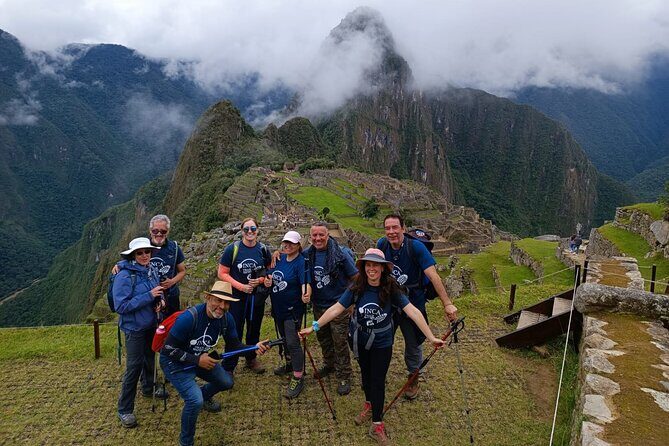
If you want the Inca Trail experience but you do not want a long tent-and-five-days situation, this two-day version hits a sweet spot. You still get the “arrive at the trailhead, hike Inca steps, and then see Machu Picchu from above” feeling, just compressed into a more manageable timeline.
I like that the trek focuses on the key moments: Wiñay Wayna first, then Inti Punku (Sun Gate) for that first Machu Picchu sighting. That matters because Machu Picchu is not just a photo stop for most people—it’s a place you understand better when you approach it with the history unfolding under your feet.
The other thing I appreciate is that you’re not traveling solo through logistics. Between Cusco pickup, the train connection through Ollantaytambo to Km 104, and the shuttles and train back after Machu Picchu, this tour removes a lot of the stress that can ruin a big trip.
You can also read our reviews of more tours and experiences in Cusco
Day 1 from Cusco pickup to Wiñay Wayna and Inti Punku
You start early, with pickup from your Cusco hotel. The meeting time is 4:30am, so plan for a quick breakfast before you’re collected—your first breakfast is listed as not included.
From there, you drive to Ollantaytambo and catch the train to Km 104, which is the starting point of this Inca Trail stretch. The point of that train ride is simple: it gets you onto the right section of trail without you having to figure out how to reach it on your own, especially when you’re starting from high-altitude Cusco.
The hike to Wiñay Wayna: where the trail starts telling its story
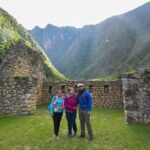
Once you’re on the Inca Trail, you’ll hike for about six hours to the ruins of Wiñay Wayna. This part is a workday in itself, and the value is that you’re not just walking in scenery—you’re walking through an Inca corridor where the route and ruins connect.
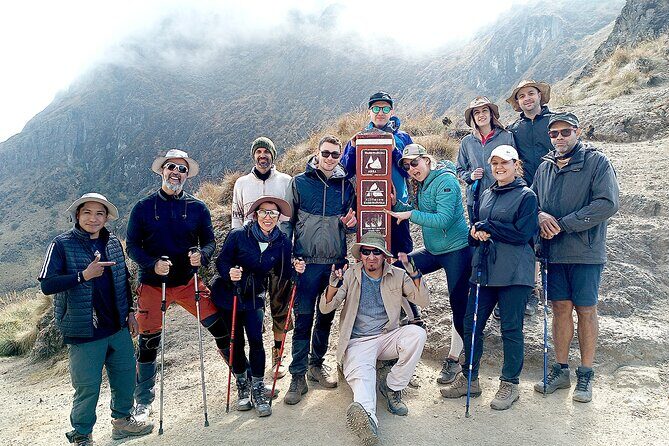
This is also where guide support really shows. In the experiences I’ve seen from this kind of trek, the guides who keep a steady rhythm tend to matter as much as the altitude. Names like Samuel, Andrea, Sara, and Jesus came up in the feedback, and the theme is consistent: they stay calm, help people keep moving, and give you context so the effort feels meaningful.
Continuing to Inti Punku: first glimpse of Machu Picchu from above
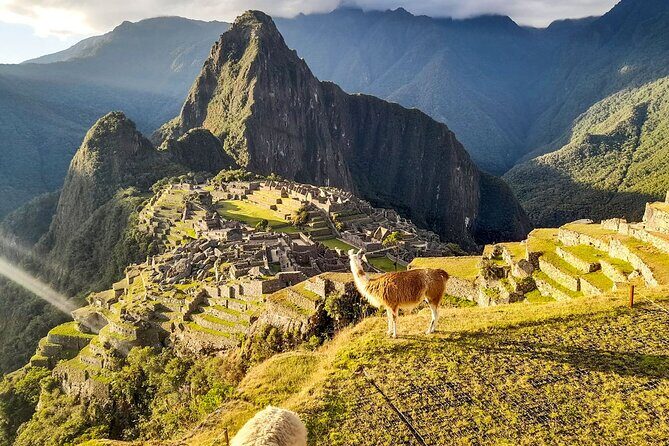
After Wiñay Wayna, you continue hiking to Inti Punku, the Sun Gate. The payoff is that you catch your first glimpse of Machu Picchu from above.
That first sight is one of the “trip memory” moments. It’s different from looking at Machu Picchu from inside the site because you get a sense of how the fortress sits in the terrain. If you can, be ready with your eyes before your camera—this is one of those views that changes how you feel about the place.
Descent to Aguas Calientes and a night that lets you reset
After reaching the Sun Gate area, you descend to the town of Aguas Calientes. You’ll check into your included hotel for one night, and the tour includes lunch and dinner as part of the package.
There’s also an optional visit to the hot springs in Aguas Calientes. That’s a nice “recover without thinking” option after a day that’s all walking and altitude.


Day 2: sunrise at Machu Picchu, guided ruins, and time to wander
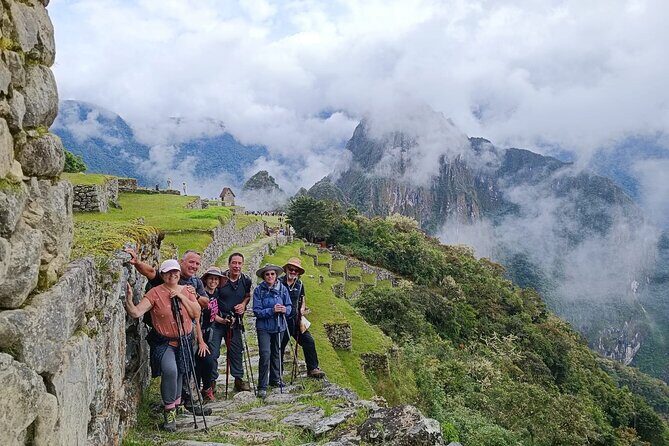
Day two starts with an early wake-up call and breakfast at your hotel. From there, you catch the bus up to Machu Picchu, and the plan is to watch the sunrise over the ruins.
Even if sunrise is not your thing, the timing is still smart. Earlier entry generally means less crowd pressure and a calmer first look, which helps you take in the details without feeling rushed.
Guided tour first, then free exploration
You’ll get a guided tour of Machu Picchu, followed by free time to explore on your own. I like this structure because a guide helps you understand what you’re seeing, and then you choose what you want to linger over once the basics click.
This approach tends to work well for different travel styles. If you love photos, you’ll have the space to take them your way. If you prefer quiet moments, you can slow down in the areas that pull you in. Either way, you’re not stuck listening the whole time.
Getting back down and returning to Cusco smoothly
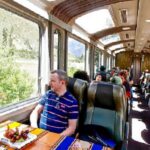
After your time at Machu Picchu, you take the bus back down to Aguas Calientes. Then you ride the train back to Ollantaytambo and transfer back to your Cusco hotel.
In practical terms, this matters because it closes the loop. Many “Machu Picchu day” plans create stress about timing on the way back. Here, the tour includes the round-trip train elements and the return transfer legs, so you can keep your day focused on the site rather than schedules.
What you’re really paying for: value in meals, hotel, and transport
$552 per person sounds like a lot until you look at what’s included. This price is buying a bundle of expensive, time-sensitive pieces: transfers from Cusco to Ollantaytambo train access, round-trip train ticketing, a one-night hotel in Aguas Calientes, lunch/dinner/breakfast, and the second-day shuttle bus system to and from Machu Picchu.
You’re also getting small touches that reduce friction. The tour provides reusable snack bags made of typical Cusco cloth, which is handy on a long walking day when you don’t want to keep hunting for food.
The few things not included that you should budget for
Two meal slots are not included: your first breakfast and your last lunch. Also, a walking stick is listed as not included (optional cost: about $20).
One more note: a shuttle bus from Machu Picchu to Aguas Calientes on the first day is listed as not included at about $12 one way. In a typical two-day flow, you’re doing the shuttle on day two, but since the information is explicit, I’d treat that as a contingency amount you may need if your exact schedule differs.
Is it good value?
For people who want the Inca route and the Machu Picchu experience without becoming their own travel operations team, it’s strong value. The early start, multiple transport legs, and lodging all stack up fast if you try to piece it together alone.
If you’re the kind of traveler who loves planning everything yourself and you already have trains, hotel, and tickets lined up, you might find cheaper DIY options. But if you want the hike to feel guided and supported from the moment you’re picked up in Cusco, the structure earns its price.
Guides, pacing, and the small-group difference
This trek is the kind of day where the guide impacts the vibe. When you’re hiking for hours, small choices like pacing, encouragement, and regrouping can make the difference between enjoying the climb and white-knuckling it.
Feedback tied to guides named Samuel, Andrea, Sara, and Jesus keeps pointing to similar strengths: patience, kindness, and strong knowledge delivered in a way that helps you feel comfortable even when the path is rough. I’d take that seriously if you’re not an “always hiking” person. A supportive guide can keep you moving without rushing.
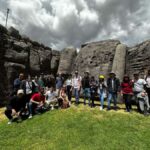
The cap of 16 travelers also matters. You’re not stuck in a huge herd, and it’s easier for the guide to manage attention and energy on a trail that’s both scenic and physical.
Fitness and readiness: what moderate really means here
The tour asks for moderate physical fitness. You should take that seriously because day one includes about six hours of hiking plus continuing onward to reach Inti Punku.
Also, the altitude factor is real even without the tour stating details. Cusco is high, and Machu Picchu is higher than many people expect. If you tend to get winded easily, give yourself extra cushion in how you manage your effort early in the hike.
A walking stick is optional and available if you think you might need it. If you’re used to hiking with poles, you might prefer bringing your own. If you’re not, renting/buying last-minute can be annoying, so consider packing one early if that’s in your comfort zone.
The reforestation piece and why it’s more than a footnote
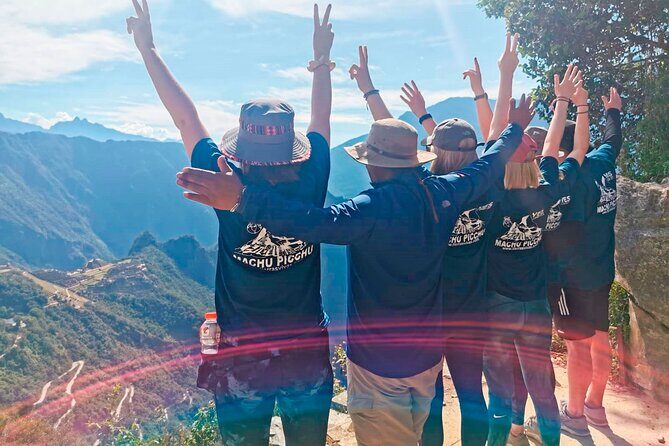
There’s an added element: if you book this trip, you sponsor reforestation of native plants in a community in Cusco. That’s not the main reason to choose the tour, but it’s a meaningful bonus for travelers who care about land stewardship.
Small actions like this also fit the theme of the Inca Trail: you’re walking through a landscape that needs long-term care, not short-term consumption.
Should you book this 2-day short Inca Trail trek to Machu Picchu?
I’d book it if:
- You want an Inca Trail experience with the key ruins and the Sun Gate moment, without committing to a longer multi-day trek.
- You prefer a guided, organized flow over juggling train times, entry planning, and transport connections.
- You like the idea of reaching Machu Picchu at sunrise and then getting a guided walkthrough plus free exploration.
I might skip it if:
- You hate very early mornings and long walking days.
- You want to fully control your schedule and do every leg on your own.
- You’re unsure you can handle about six hours of hiking on day one at moderate fitness.
One more practical check: this experience is non-refundable and cannot be changed for any reason. If your dates are firm and you’re confident in your fitness, that reduces risk and lets you focus on the hike.
FAQ
How long is the tour?
The tour runs for about 2 days.
What time does the tour start in Cusco?
The meeting time is 4:30am.
Where does the Inca Trail start?
You take a train to Km 104, which is the starting point of the Inca Trail.
Is the Machu Picchu visit guided?
Yes. You’ll have a guided tour of Machu Picchu and then free time to explore the site on your own.
What’s included for food and lodging?
You’ll get dinner, lunch, and breakfast, plus one night in a hotel in Aguas Calientes. The first breakfast and last lunch are not included.
How many people are in the group?
The maximum group size is 16 travelers.