REVIEW · CUSCO
Sacred Valley in private: 1 day of Inca culture and landscapes
Book on Viator →Operated by Runas Trip Peru · Bookable on Viator
Inca salt, dye, and stone work in one day. This private Sacred Valley outing strings together Chinchero, Moray, Maras salt mines, and Ollantaytambo with a pro guide and enough time to look around without feeling chased.
I really like the way the day explains what you’re seeing, not just the names. In Chinchero, you get hands-on-style context for natural pigments and textile traditions, and the pace lets you absorb the agricultural terraces before moving on.
One thing to plan for: the tour price does not include site entry tickets, and you may also pay an extra fee if you want access close to the salt pools. It’s also a full day, so it helps to start early and dress for road time.
In This Review
- Key Points to Know Before You Go
- How This Private Sacred Valley Day Works (8 hours, pickup, your pace)
- Chinchero Textile Center and Terraces: natural dyes and working farms
- Moray Circular Terraces: an Andean laboratory for products
- Maras Salt Mines and the Hacienda Lunch: salt pools plus a real meal
- Ollantaytambo Living Inca Town: stonework, streets, and local crafts
- Price and Tickets: what $109 covers and what to budget
- What Makes the Day Better With a Pro Guide (and how to use the time)
- Best Fit: who this private tour suits (and who might rethink it)
- Should You Book This Sacred Valley Private Tour?
- FAQ
- How long is the Sacred Valley private tour?
- Is hotel pickup included?
- What’s included in the price?
- Do I need to buy tickets separately?
- Is this tour private?
- What language is the tour offered in?
- Is free cancellation available?
- Are service animals allowed, and can most people participate?
Key Points to Know Before You Go
- Private group only: it’s just your party, not a mixed crowd.
- Chinchero textiles + dye process: natural pigments and the meaning behind the work.
- Moray circular terraces: explained as an Andean laboratory for products.
- Maras salt mines access costs extra: Sacred Valley entry is separate, and salt pools can have an additional per-person fee.
- Ollantaytambo walking time: a living Inca town feel, plus craft shopping.
- Lunch is included with veg/vegan options: easy win for food planning.
How This Private Sacred Valley Day Works (8 hours, pickup, your pace)
This is a private Sacred Valley tour in the Cusco area. Your day runs about 8 hours, starting early and ending late enough that you still get a proper full-day rhythm. You’ll be picked up from your hotel and driven in an air-conditioned vehicle, which matters on a long, stop-and-go route.
What I like about this format is the balance between structure and freedom. You get a professional guide explaining each site, but you also get time to roam at your own pace at every stop. That means you can linger where you’re interested—textiles, terracing, stonework—without the whole group being dragged along.
A small practical note: even though it’s private, this is still a road trip with multiple sites. If you’re sensitive to early mornings or long car stretches, consider planning a light evening before and a slower day after.
You can also read our reviews of more private tours in Cusco
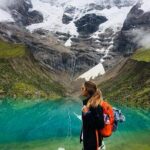
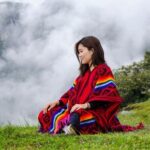

Chinchero Textile Center and Terraces: natural dyes and working farms
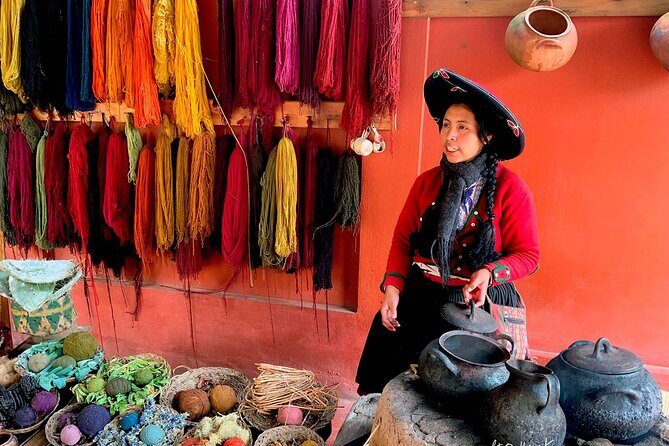
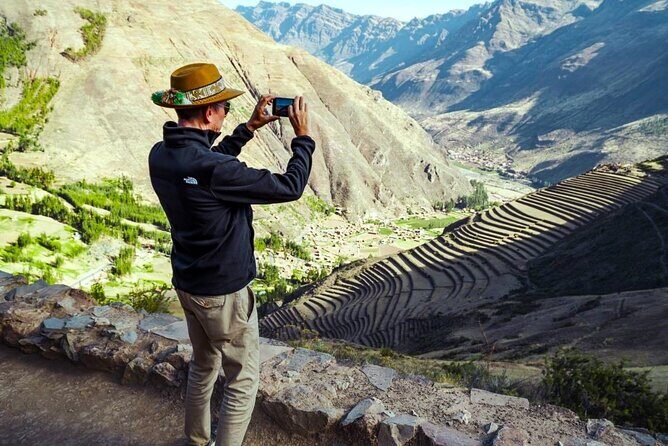
Chinchero is where this tour gets personal and visual fast. You’ll start by visiting a traditional textile center where you can appreciate the agricultural terraces—those stepped fields that show how communities shaped farming to the mountain terrain. It’s a reminder that Inca-era knowledge wasn’t only about architecture; it was also about feeding people in tough conditions.
Then the visit turns to craft and chemistry. You’ll also go to a textile interpretation center where you understand the dyeing process using natural pigments. The value here is that you’re not just looking at finished textiles. You’re learning how color is made and why materials and methods matter.
For practical timing, plan on about 2 hours at this stop. That’s enough time to see the terraces, talk with staff if you have questions, and still have time to absorb what you’re learning before you head on to the next site.
Potential drawback: Chinchero can feel busy in sections because it’s a common cultural stop. If you want quieter moments, time your walking so you’re not rushing between the terraces and the interpretation area.
Moray Circular Terraces: an Andean laboratory for products
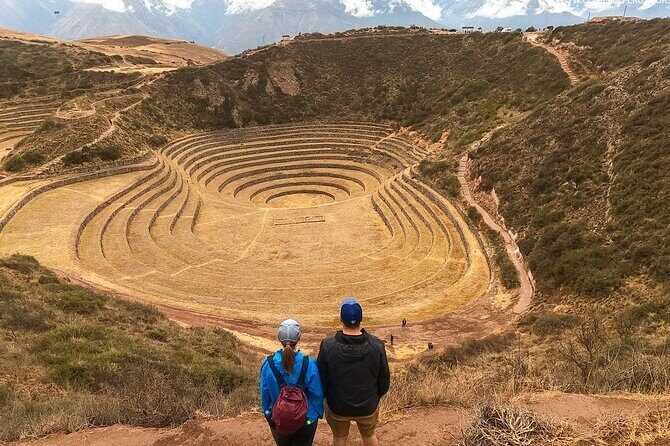
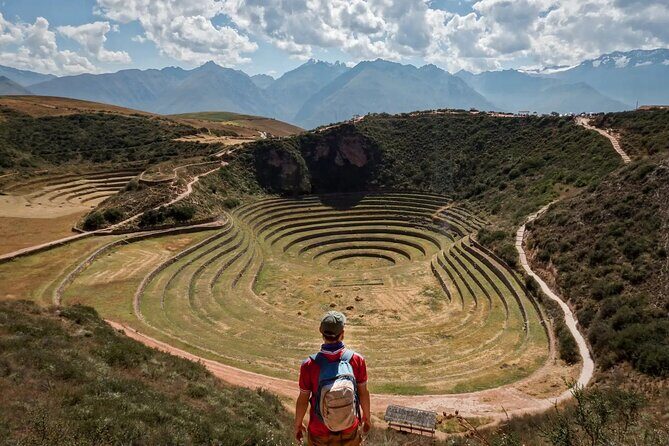
Next comes Moray, known for its circular terraces. On paper, it sounds like another set of ruins. In practice, it’s more interesting than that because it’s explained as a kind of Andean laboratory where conditions were used to test products.
The circular design matters. Different levels create different microclimates, so you’re seeing how people used the terrain like a tool. Your guide’s explanation helps you connect the form of the terraces to the idea of experimenting with crops and growing conditions.
This stop runs about 2 hours. That gives you time to take in the ring-shaped structure from multiple viewpoints and also to ask questions about how the Andeans understood climate and cultivation.
Cost note: the admission ticket for this segment is not included. So you’ll want to keep cash or have a plan for paying the Moray entry fee before you arrive.
Maras Salt Mines and the Hacienda Lunch: salt pools plus a real meal
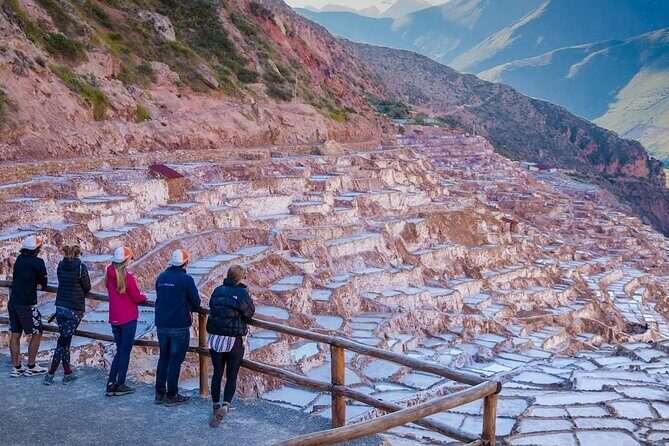
Maras is the iconic salt-mines stop. You’ll head to the Maras salt mines to observe salt extraction that dates back to Inca-era practices. What makes this worth it isn’t only the color and geometry of the salt pans—it’s the sense of continuity. This is a working process, not just a photo backdrop.
In the middle of the sightseeing, you get a lunch break at a local hacienda. Lunch is included as a buffet, and it comes with vegetarian and vegan options. I consider that a big value point because it protects you from the usual Sacred Valley problem: you spend the day hopping between sites and then end up hungry and annoyed when food options don’t match your needs.
You’ll spend about 2 hours total at this part of the day, with the mine visit and lunch built into the block.
Budget reality: the tour notes that tickets to the Sacred Valley are not included, and there’s also an added consideration for close salt-pool viewing. If you want to spend time right in the salt pools area, plan for an extra 20 soles per person. It’s the kind of add-on that can catch people off guard if you’re only thinking about one ticket.
Ollantaytambo Living Inca Town: stonework, streets, and local crafts
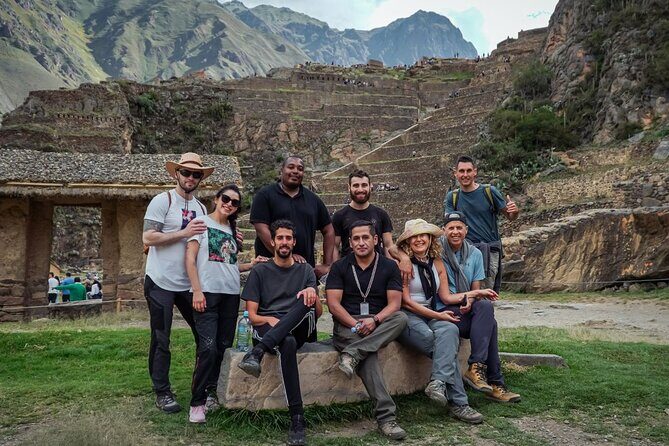
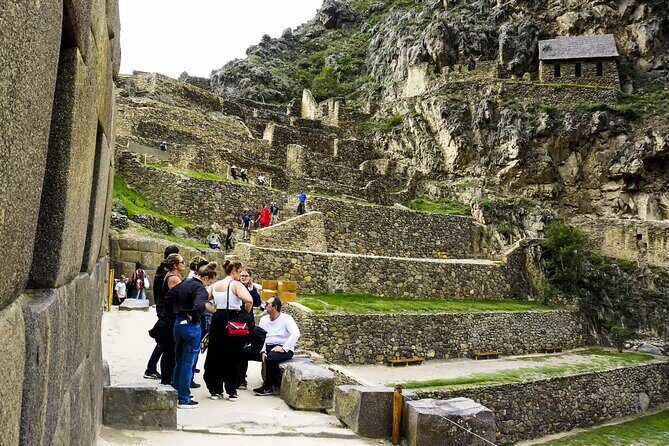
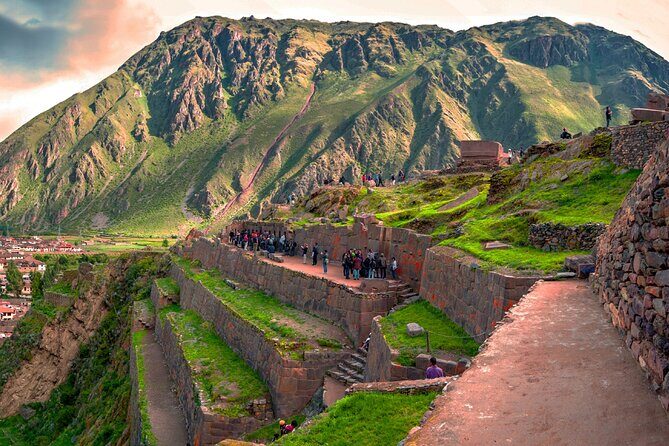
Ollantaytambo is where the day shifts from terraces and techniques to town energy. It’s described as a living Inca town, and that feeling shows up in the architectural complex and the layout of the streets. You’ll visit one of the most representative Inca architectural areas, and then you’ll take a walking tour through town.
This is also your “slow down” moment. You’re given enough time at your own pace, but you’ll still have the guide to explain what you’re looking at as you walk. This mix works well because Ollantaytambo rewards attention to details: doorways, stone alignments, and the way structures fit into the hill.
You’ll also have opportunities to acquire local crafts. If you enjoy supporting small producers, this is a good place to do it without turning the purchase into a stressful negotiation. Take your time, compare what you like, and remember that small items can pack light—use that to your advantage.
This segment runs about 2 hours, with entry tickets noted as free for the included access points.
You can also read our reviews of more tours and experiences in Cusco


Price and Tickets: what $109 covers and what to budget
The tour price is $109.00 per person, and it includes key logistics that usually cost time (and sometimes money) when you plan on your own: hotel pickup, an air-conditioned vehicle, and lunch. There’s also a mobile ticket, and the tour is offered in English with group discounts.
The big catch is tickets. You’ll need to pay:
- Sacred Valley entry tickets: listed at PEN 90.00 per person and not included.
- Moray admission: not included for the Moray stop.
- Salt pools access: there can be an additional 20 soles per person if you want to see the salt pools up close.
So is the tour still good value? Yes, because the included parts are the hard-to-organize pieces: a driver, a guide, and a smooth route among four major stops with a meal. If you’re comparing against DIY travel, remember that tickets and transport can add up quickly—and you lose the guided context that makes Chinchero textiles and Moray terraces much more understandable.
If you want to keep costs predictable, estimate your base ticket (PEN 90) plus Moray admission and the salt pools add-on (20 soles) before you go. It makes the day feel controlled instead of surprise-driven.
What Makes the Day Better With a Pro Guide (and how to use the time)
One reason this tour earns strong marks is the way the guide handles pace and questions. In at least one run, the guide was Edwin, and the key detail was that the day was not rushed. You get real time at each stop, plus answers when you ask.
That matters. At Sacred Valley sites, it’s easy to take a few photos and move on. A good guide changes the value by translating what you’re seeing into why it matters. For example:
- In Chinchero, you can connect terraces and textile work into a shared story about Inca-era practicality and resource knowledge.
- At Moray, you understand the circular form as an experimentation setup rather than random architecture.
- At Maras, the salt pans feel more than scenic when you know the extraction has deep historical roots.
- In Ollantaytambo, the walking time becomes a guided reading of town layout and Inca construction.
My tip: bring a short list of questions before you start. Even two or three questions—about textiles, salt extraction, or how the terraces work—can turn the day from sightseeing into learning.
Best Fit: who this private tour suits (and who might rethink it)
This tour fits best if you want a structured day with major Sacred Valley stops, but still want room to wander. It’s especially good if you care about cultural context—textile dyeing using natural pigments and the meaning behind terrace design.
It also suits people who want food handled. Lunch is included and offers vegetarian and vegan options, which is not something you should assume on every excursion.
It might not be ideal if you hate long drives or prefer to travel entirely at your own timing with zero group structure. Even though this is private, the schedule still runs like a day tour across multiple sites, and the early start will be part of the deal.
Should You Book This Sacred Valley Private Tour?
If you like guided context, a relaxed pace, and easy planning, I’d say book it. The included pickup, air-conditioned ride, and lunch reduce the busywork, and the stops line up well if you’re interested in textiles, terrace engineering, salt extraction, and Inca town architecture.
Only book with eyes open on costs: tickets are not fully included. Factor in the Sacred Valley entry (PEN 90), expect Moray admission to be separate, and budget for possible salt-pool viewing (often 20 soles).
FAQ
How long is the Sacred Valley private tour?
The duration is about 8 hours.
Is hotel pickup included?
Yes. You’re picked up from your hotel, and you travel in an air-conditioned vehicle.
What’s included in the price?
The tour includes hotel pickup, the air-conditioned vehicle, and lunch buffet with vegetarian and vegan options.
Do I need to buy tickets separately?
Yes. Sacred Valley tickets (PEN 90.00 per person) are not included, and Moray admission is also not included. There may be an extra fee (20 soles per person) if you want to see the salt pools up close.
Is this tour private?
Yes. It’s private, meaning only your group participates.
What language is the tour offered in?
The tour is offered in English.
Is free cancellation available?
Yes. You can cancel for a full refund up to 24 hours in advance.
Are service animals allowed, and can most people participate?
Service animals are allowed, and the tour states that most people can participate.