REVIEW · CUSCO
4-Day Salkantay Trek to Machu Picchu
Book on Viator →Operated by Bamba Travel · Bookable on Viator
Four days, one giant Andes-to-Machu leap. This 4-day trek links Humantay Lake, the Salkantay high pass, and Machu Picchu into one smooth, guided route with camping and an Aguas Calientes hotel stop. I especially like the small group size (max 16, avg 4) and the on-the-ground guidance that keeps the trek manageable and the history pieces clear. One drawback to plan for up front: altitude and temperature swings are real, and the coldest night is at the highest campsite.
What also works for me is that the big logistics are handled: transfers to the trail start, camping gear support (including tents and sleeping pads), plus a bilingual guide for both the trek and the Machu Picchu guided visit. You’ll still need to handle a few parts on your own (like guide-less bus/train segments), and you should budget for permits and any optional add-ons.
In This Review
- Key highlights that make this trek worth it
- Why Salkantay gives a different Machu Picchu story
- Day 1 Humantay Lake: the cold campsite that sets your pace
- Day 2 The Salkantay Pass at 4,650m (and where a horse helps)
- Day 3 Upper jungle to Aguas Calientes: you trade altitude for warmer air
- Day 4 Machu Picchu at first light: a guided walk, then freedom
- Price and logistics: what the $810 covers, and what you add later
- The guide team makes or breaks tough days
- Camps, altitude, and comfort: what included gear really means
- Packing and mindset: how to enjoy the hard parts
- Who should book this Salkantay trek
- Should you book it?
- FAQ
- What time does the tour start?
- How long is the Salkantay trek to Machu Picchu?
- What group size should I expect?
- Is there a vegetarian meal option?
- What accommodations are provided during the trek?
- Is breakfast on Day 1 included?
- Are Machu Picchu entrance fees included?
- Can I add Huayna Picchu?
- Is there an option to reduce effort on the high pass?
- Do I need a special permit for the Salkantay trek?
Key highlights that make this trek worth it
- Humantay Lake with a summit-style view from Soraypampa, then down to Laguna de Humantay
- The Salkantay Pass at 4,650m with an optional horse rental if you want help on the steep section
- A temperature change arc: cold high camps down to a warmer Santa Teresa stop before Aguas Calientes
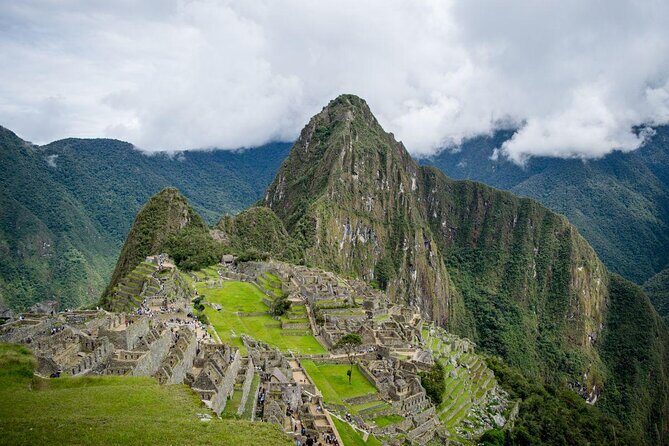
- Machu Picchu early-bus access for morning light, plus a guided 2-hour walkthrough
- Small-group feel (max 16, avg 4) with a professional bilingual guide on trek and at Machu Picchu
- Practical camp support: tents, basic sleeping pads, foam sleeping mats, first aid kit, and emergency oxygen
Why Salkantay gives a different Machu Picchu story
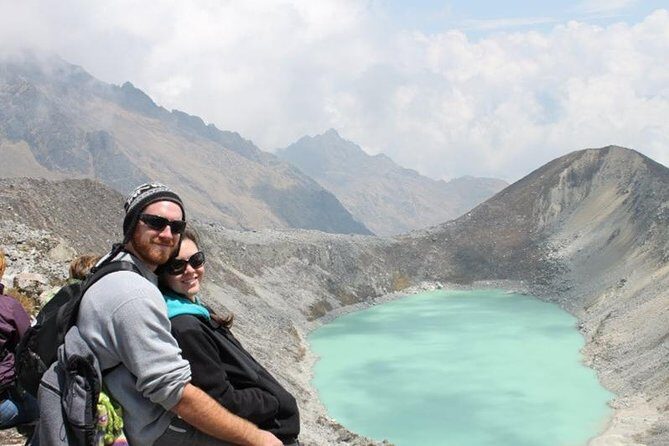
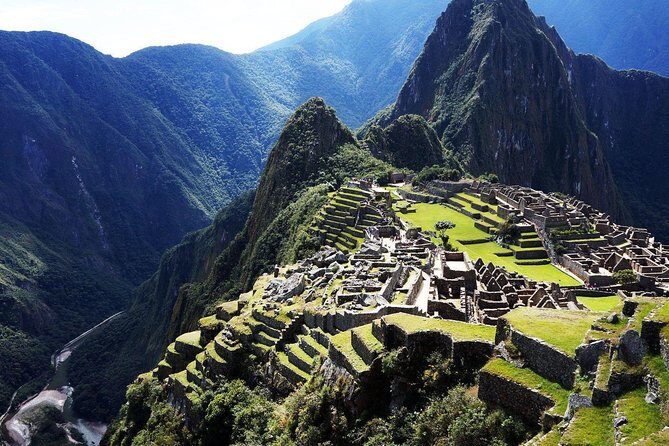
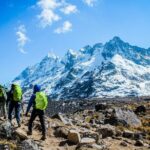
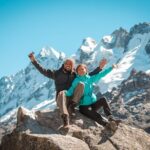
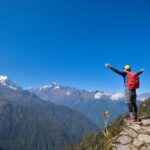
If your mental picture of Machu Picchu is only stone ruins and postcards, Salkantay adds the “how you got there” part. This route takes you from high Andean scenery down toward the edge of the high jungle zone, so you feel the Andes changing under your feet. One day you’re chasing glacier-mountain views around Humantay; another you’re tackling the pass at 4,650m; then you’re walking through warmer, greener valleys with waterfalls and plants.
That variety is the real value here. You’re not just walking to say you walked—you’re moving through different climates and landscapes in a short time, which makes the arrival feel earned.
You can also read our reviews of more hiking tours in Cusco
Day 1 Humantay Lake: the cold campsite that sets your pace
Day 1 starts early—pickup at 05:30am in Cusco—then you head by tourist-class bus to Mollepata (2,900m). It’s a practical break: you can stretch, grab snacks, and adjust before the real climb begins. From there you continue to Challacancha for equipment checks and final prep.
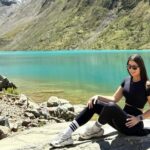
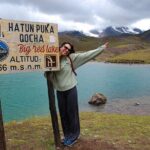
Then the trek part kicks in: a 3-hour walk toward Soraypampa (3,920m). You’ll stop for lunch with panoramic mountain views. After that, you hike up to Laguna de Humantay—about 1.5 hours each way—for that bright, high-altitude lake payoff.
At the end of the day, you return to camp for the night at 3,920m. This is the highest and coldest campsite of the trip, so you’ll want to treat this as your altitude-learning night, not a comfort night.
What to watch: temperature. At these elevations, “cold” can shift fast with the light and the wind. If you show up under-packed, you’ll feel it most here because you’re also still getting used to the climb. Dinner and an early sleep help you reset for Day 2.
Day 2 The Salkantay Pass at 4,650m (and where a horse helps)
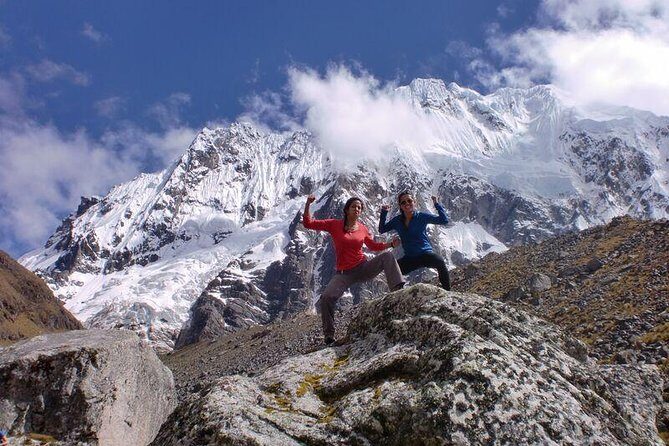
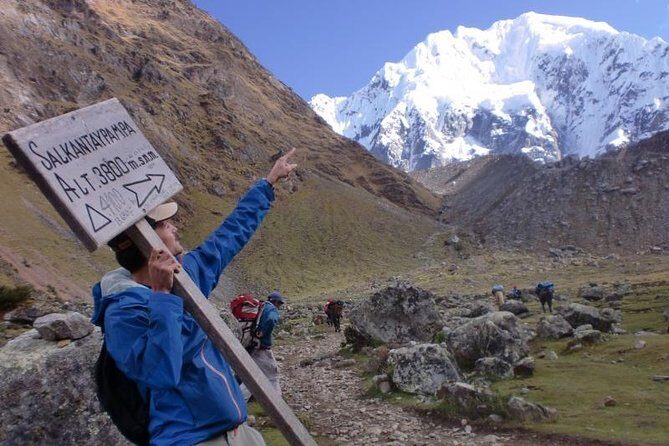
After breakfast around 6:00am, you begin the long pull toward the trek’s highlight: the highest pass at 4,650m. This section is described as about 4 hours walking to reach the top point halfway between Salkantay and Humantay. The views from the pass are the moment everyone talks about, including the possibility of snow up there.
Then comes the part that makes the day work: a 2-hour downhill hike to Huayracpampa for lunch, followed by another 3-hour trek to camp at Challhuay or Colcapampa near the 2,900m high-jungle start.
You also get a meaningful option here. There’s an optional horse rental to reach the high pass for 100–120 soles. I like that they offer this rather than forcing everyone into the same intensity. If you’re strong but not confident about the steepest section, a horse can save your knees without turning the day into a sightseeing tour.
Who benefits most: hikers who are physically ready but still want a smart safety valve. And if you’re worried about keeping pace, you’ll be in good hands with guides who have a reputation for adjusting the day to the group. In past trips, guides like Junior and Francisco have been praised for steady pacing and clear English explanations, which matters a lot on a day this tough.
Day 3 Upper jungle to Aguas Calientes: you trade altitude for warmer air
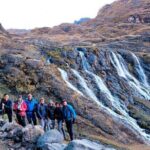
Day 3 starts 6:30am with breakfast, then you trek through the upper jungle region. This isn’t a flat walk—you’re moving through valleys and crossing natural features like the Santa Teresa River and small brooks. The payoff is visual: waterfalls, tropical fruits, and plant life you won’t see on the high Andean days.
You’ll have lunch at La Playa (2,200m), then you switch modes. A car ride follows to Santa Teresa (1,700m), where the climate feels noticeably warmer. After that, you go by car again to the Hydroelectric Station (about 40 minutes), then walk roughly 3 hours to Aguas Calientes.
By the time you arrive, you get a very welcome change of rhythm. Aguas Calientes is built for visitors. You’ll find cafes, shops, and places to relax—plus the kind of downtime you need before Machu Picchu Day 4. There’s also an optional shortcut: if you want, you can take the train transfer from Hydroelectric Station to Aguas Calientes for an extra $30 per person.
What to plan: Day 3 can feel like a “let’s see what you packed” day. Warmth and humidity can be more demanding than cold when you’re wet or sweating under a pack. Keep your layers simple and your pace steady.
Day 4 Machu Picchu at first light: a guided walk, then freedom
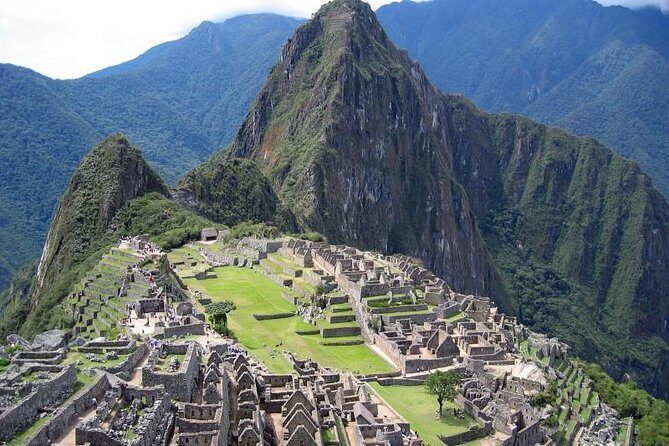
This is your big payoff day, and it starts the right way. You catch one of the first buses—listed at 05:30am—to Machu Picchu so you can see the site in early morning light while the mist dissipates. That early timing is a real quality upgrade versus arriving later in the day.
Once there, you get a walking tour of about 2 hours with your guide. This is where the day becomes more than scenic. Your guide helps you understand what you’re looking at, and you’ll also have time to ask questions because the pace is guided rather than rushed.
After the guided portion, you explore on your own. If you still have energy, there’s an optional add-on: Huayna Picchu. It must be booked in advance and costs extra (PEN200). Capacity is limited to 400 people per day, so you’ll need to request the extra ticket in advance by email.
To head back, you have choices. You can take the bus back to Aguas Calientes (every 15 minutes from the entrance), or you can walk the trail down (about 1 hour) to town. Then you take the train back to Ollantaytambo, and a bus to Cusco. You’ll be dropped off late in the day at Plaza San Francisco, and you’ll need to make your own way from there to your accommodation.
The balanced way to do it: come early, do the guided tour well-rested, then pick your own routes after. It’s a good structure because it mixes context with freedom.
You can also read our reviews of more tours and experiences in Cusco
Price and logistics: what the $810 covers, and what you add later
The headline price is $810 per person for the 4 days. That’s not just a “bed and bus” deal—it includes the guided trek experience and the key overnight components. You get:
- A professional bilingual guide on trek and at Machu Picchu
- Camping accommodation during the trek, including basic sleeping pads and tents (shared tent/room setups depend on your booking type)
- A 1-night 3-star hotel in Aguas Calientes
- Most meals: 3 breakfasts, 3 lunches, 3 dinners, plus 2 snacks
- Equipment and support details like a foam sleeping mat, plus first aid kit and emergency oxygen
- Porters/horsemen to carry camp cooking and camping equipment, plus up to 7 kg you’re allowed for personal items (with part of that allowance reserved for your sleeping bag and mattress)
What’s not included matters for budgeting:
- Trekking permit for the Salkantay Trail: PEN133 per person
- Machu Picchu entrance fee: PEN48 per person
- Day 1 breakfast, and Day 4 lunch and dinner
- Bottled water
- A guide is not provided for some transfer legs (bus/train segments are on your own)
- Optional add-ons:
- Train transfer from Hydroelectric to Aguas Calientes: $30 per person
- Huayna Picchu: PEN200
- Optional sleeping bag rental: $15 per person
- Optional Huayna Picchu mountain hike is also listed at PEN200 (separate from Huayna Picchu)
Tips are also optional, and the guide gives recommended ranges. If you want to budget that, it can run roughly per person for the guide/assistant plus a group-wide amount for horsemen and the cook.
My take on value: for many hikers, the “hidden cost” is time and coordination. Here, you’re paying for the structure: small-group guiding, a built-in pace, camping setup, and the hotel night. If you were to cobble together transport, permits, and day-by-day guiding yourself, it usually costs more in stress than money.
The guide team makes or breaks tough days
On a physically demanding trek, the guide is your performance partner. The best moments often come from encouragement, good pacing, and knowing where the best views line up. That’s exactly what shows up in real-world feedback from guides such as Cesar, Junior, Ruth, Percy, Francisco, and the trekking-crew teams including cooks like Bennie and Geraldo.
Here’s what that typically means for you:
- You get a guide who can explain what you’re seeing, not just a route that moves forward
- You keep energy because pacing is managed, especially on the pass day
- You understand the site context at Machu Picchu during the guided walk
Food also counts more than people expect on a multi-day hike. Your meals are described as typical menus, and vegetarian is available if you request it at booking. That matters because you don’t just want calories—you want meals timed to keep you moving.
Camps, altitude, and comfort: what included gear really means
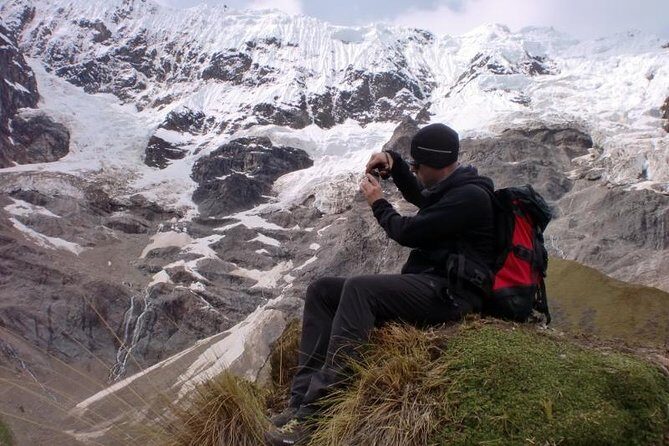
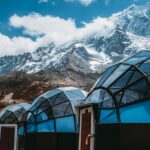
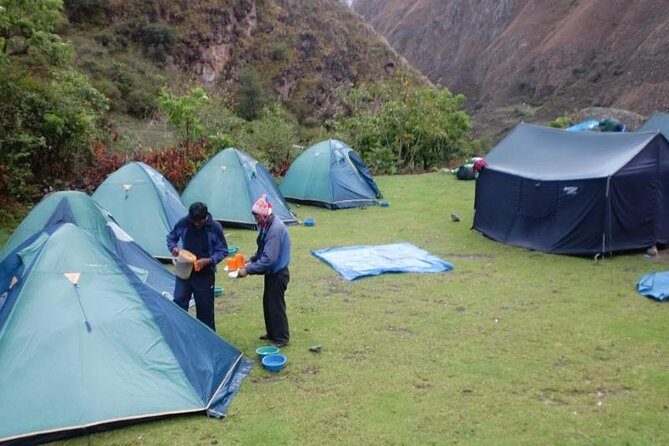
This trek uses a camping setup, not a lodge. You’ll sleep in tents (shared for singles per the accommodation rules) with basic sleeping pads and foam sleeping mats. That’s a practical starting point, but it also tells you something: you still need to dress for cold. Day 1 ends at the highest campsite, and the trek includes serious altitude changes (down from around 4,000 meters to about 2,000 meters on the overall route).
A first aid kit and emergency oxygen are included, which is a confidence boost. Still, the biggest safety tool is your preparation: pace yourself, drink what you can, and avoid heroic effort when the air feels thin.
Also, note the porter/horse system: horsemen carry cooking and camping equipment, plus a limited weight allowance tied to your sleeping gear and personal items. That setup helps keep your daypack lighter on the steep sections—especially helpful on Day 2.
Packing and mindset: how to enjoy the hard parts
This is a demanding hike, and the most helpful mindset is planning for that from the start. You’ll want to show up in good physical condition because the route includes a high pass and multiple long walking days.
For practical packing, I’d focus on a few needs based on the trip facts you have:
- Warm layers for the coldest campsite (Day 1)
- Comfortable hiking footwear since you’ll do long uphill and downhill segments
- A simple rain plan, because mountain weather can change quickly
- Enough small items for days without guaranteed bottled water
- Altitude-friendly pacing gear: a daypack you can carry comfortably when you’re tired
If you know you tend to overdo it when you’re excited, plan to hold back on Day 2. You’re walking to the top pass; you don’t win by sprinting to it.
Who should book this Salkantay trek
Book this if you want:
- A guided small-group trek with professional bilingual support
- The big scenic mix: Humantay Lake, Salkantay Pass, then warm jungle valleys
- A day-four structure at Machu Picchu that balances guided context with free time to wander
It might not be the best match if:
- You don’t want cold nights in a camping setting
- You’re not ready for altitude and long daily hiking hours
- You need everything to be fully guided end-to-end; some transfers are on your own
Age-wise, the minimum age listed is 7 years, and the physical requirements emphasize strong fitness.
Should you book it?
Yes, if you’re excited by the idea of earning Machu Picchu with a serious Andean route—and you’re willing to take altitude and cold camping seriously. The combination of small-group guiding, a true high-pass day, and a morning Machu Picchu bus gives you more than a checklist. You get a story.
If you want to make the decision smoother, do two things before booking:
1) Plan your budget for permits (PEN133 and PEN48) and any optional hikes.
2) If Huayna Picchu is on your list, request it early since there’s a daily cap.
FAQ
What time does the tour start?
The meeting time listed is 05:30am.
How long is the Salkantay trek to Machu Picchu?
It’s a 4-day experience (approximate duration).
What group size should I expect?
The tour is small-group, with a maximum of 16 travelers and an average of 4.
Is there a vegetarian meal option?
Yes. A vegetarian option is available—tell the company at booking.
What accommodations are provided during the trek?
During the trek you get camping accommodation, including basic sleeping pads and a tent for 2 people. A foam sleeping mat is also included. For single travelers, the tent/room is shared with another traveler, while couples have a tent/room to themselves.
Is breakfast on Day 1 included?
No. Day 1 breakfast is not included.
Are Machu Picchu entrance fees included?
No. The Machu Picchu entrance fee is PEN48 per person and is listed as not included.
Can I add Huayna Picchu?
Yes. Huayna Picchu is optional, costs PEN200 per person, and you need to request the extra ticket in advance. The listing says 400 people are allowed per day.
Is there an option to reduce effort on the high pass?
Yes. An optional horse rental is available to reach the high pass for 100–120 soles.
Do I need a special permit for the Salkantay trek?
Yes. The trek permit for the Salkantay Trail is listed as PEN133 per person and is not included.