REVIEW · CUSCO
2-Day Tour Adventure Tour: Sacred Valley by ATV and Machu Picchu
Book on Viator →Operated by FLY CUSCO Perú Travel Agency · Bookable on Viator
Two days in Peru moves fast, in the best way. This tour strings together ATV adrenaline, Inca sites like Moray and Maras, and a guided Machu Picchu visit from the main gate. You also get the practical stuff handled: pickup, tickets, train, and a hotel night in Aguas Calientes.
I especially like the mix of hands-on and hands-off. You get a real activity day in the Sacred Valley, then you switch gears to a guided day at Machu Picchu where the route and timing help you focus on the ruins instead of logistics.
One drawback to consider is pacing at Machu Picchu. One guide-style day can feel less hands-on than the ATV-heavy Sacred Valley day, so if you crave constant action, you may find the second day a bit calmer than day one.
In This Review
- Key Highlights Worth Planning For
- Why This 2-Day Plan Works for First-Timers
- Cusco Pickup, Small-Group Energy, and How the Day Starts
- Chinchero Weaving: Meeting People, Not Just Ruins
- ATV Safety First: Cruz Pata and the Ride Into Moray
- Moray: Inca Terraces as an Agricultural Laboratory
- Maras Salt Ponds: The Famous Photo Moment
- Lunch at Don Ángel Inka Casona: Big Buffet, Real Choices
- Ollantaytambo Archaeology and the Train to Aguas Calientes
- Machu Picchu Morning: Guided Route, Classic Peak Photo Time
- Aguas Calientes Night: A Useful Buffer for the Big Day
- Price and What You’re Actually Paying For
- Logistics That Make a Difference: Transfers, Timing, and Train Class
- The Guides: When Explanations Turn Into Better Photos
- Who This Tour Suits Best (And Who Might Not Love It)
- Smart Booking Tips Before You Commit
- Should You Book It?
- FAQ
- What’s the duration of the tour?
- What’s included in the price?
- Do I get hotel pickup and drop-off?
- Does the ATV portion include safety gear?
- Are Sacred Valley tickets included?
- How do you travel to Machu Picchu?
- Is this a small-group tour?
Key Highlights Worth Planning For
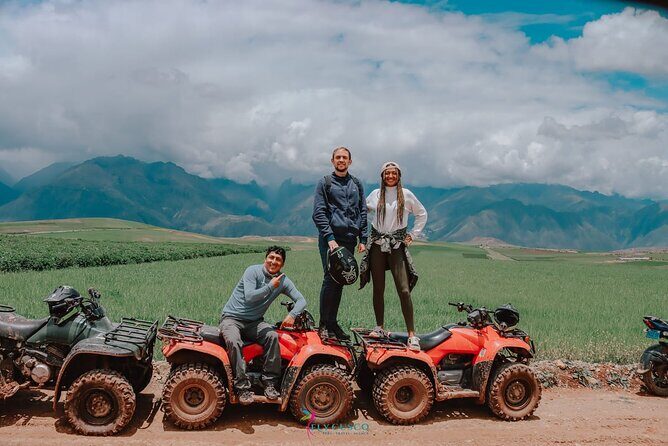
- ATVs in Moray and the Salt Mine zone for that strong, physical Sacred Valley highlight
- A guided Sacred Valley loop that covers Chinchero weaving, Moray terraces, Maras salt ponds, and Ollantaytambo
- Train + hotel in Aguas Calientes so you’re not rushing back and forth the same day
- A guided Machu Picchu walkthrough plus time to explore on your own
- Small-group feel (up to 10 people, with a stated maximum of 15) and personal photo help
- Solid logistics with tailored transfers, so you spend less time waiting around
Why This 2-Day Plan Works for First-Timers
Machu Picchu is the big headline, but what makes this tour smart is how it structures the trip. You get a full day in the Sacred Valley first, then you sleep near Machu Picchu so your second morning doesn’t feel like a sprint.
I like that the tour reduces the “where do I go next?” stress. You’re picked up in Cusco, moved between key stops, and then shuttled to the train and bus connections with tickets included. For many people, that’s the difference between enjoying Machu Picchu and spending half your energy figuring out transportation.
The second-day experience still gives you room to breathe. After your guide finishes at Machu Picchu, you have additional time to walk, pause, and take your own pace on the site.
You can also read our reviews of more tours and experiences in Cusco
Cusco Pickup, Small-Group Energy, and How the Day Starts
Day one starts early, around 7:00 AM with breakfast at your Cusco hotel or nearby (then pickup). The tour includes door-to-door service across the city, so you’re not scrambling to reach a meeting point. You also get a mobile ticket, which is a practical perk when you’re juggling day-to-day schedules in Peru.
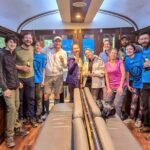
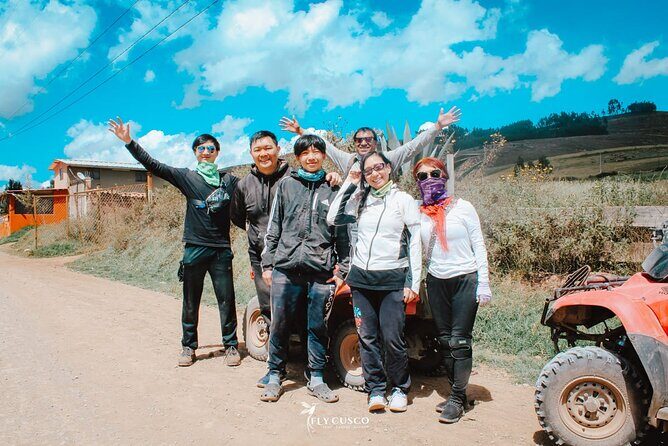
Group size matters on a trip like this. The tour is described as a small-group experience (max 1–10 in the package details) with a stated overall maximum of 15. That tends to make the Sacred Valley day feel less like a cattle line and more like a shared adventure, especially when you’re switching locations all day.
If you’re the type who wants your day to run on time, this format helps. Stops are spaced out in a way that builds toward the afternoon train segment instead of ending the day at random.
Chinchero Weaving: Meeting People, Not Just Ruins
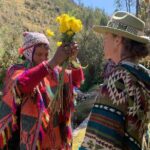
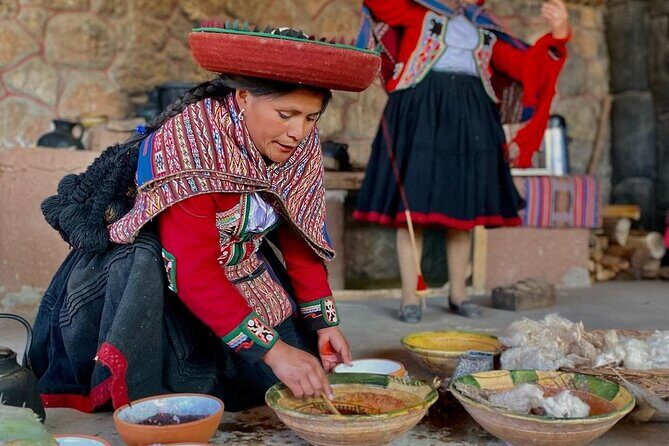
Chinchero is your first major cultural stop, about 40 minutes from Cusco. You visit a local family and see how textile weaving traditions are kept alive. The setting is more personal than a quick photo stop because you’re actually in a family space with the tools, animals, and daily rhythms that make Andean textiles more than a souvenir.
You can also feed the animals that are part of their life—alpacas and guinea pigs. Then the weaving techniques are explained using natural ingredients, which gives you a little context for what you’re seeing rather than just watching a demonstration and leaving.
This stop is especially valuable if you’re trying to understand the Sacred Valley beyond archaeology. Even if you’re more of a ruins person, textiles are one of the simplest ways to connect to how communities in the region live and work.
ATV Safety First: Cruz Pata and the Ride Into Moray
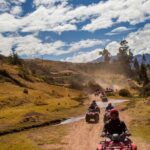
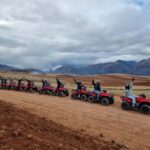
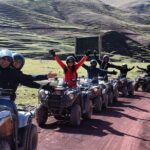
Before you ride, there’s a safety step at Cruz Pata. You get clear instructions plus the required safety kit, including gloves and a helmet. There’s also a short practice so you’re not thrown onto an ATV with zero experience.
That matters because your confidence directly affects how much you enjoy the ride. The difference between a stressful ride and a fun one is usually that first practice and the way instructions are given. And in a tour like this, where you’re moving between changing terrain and viewpoints, the safety briefing is not a checkbox—it’s part of the experience.
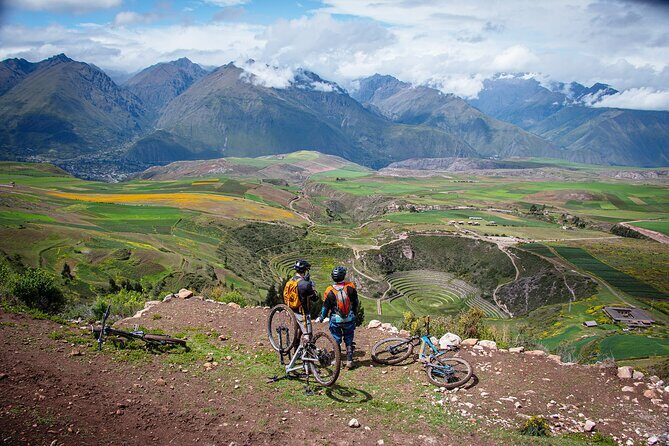
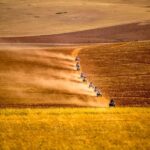
Once you’re set, the ATV portion is built around the Sacred Valley’s key features, with Moray as the next major visual reward. You’re not just driving for the sake of it; the ride is tied to places you’ll later understand in more detail.
Moray: Inca Terraces as an Agricultural Laboratory
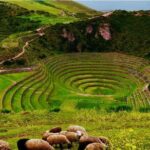
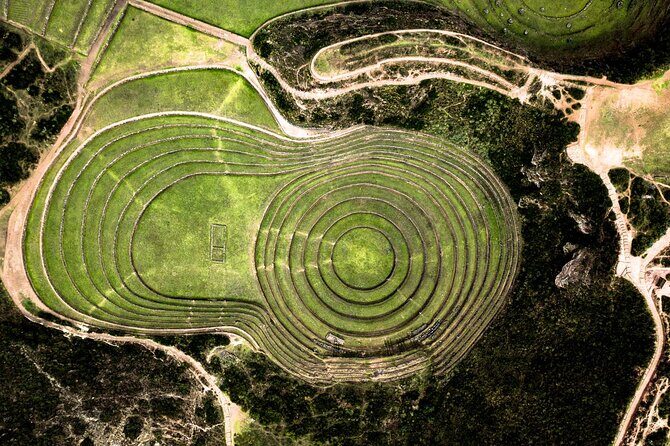
Moray is where the tour earns its brain power. The terraces look dramatic even before the explanation, with Andes scenery framing the scene. Then your guide connects what you’re seeing to how the Incas used the terraces as an agricultural experiment.
You’ll spend about an hour here, and it’s time that feels worth it. The focus isn’t only on how impressive the structures are, but on why they were built this way and what it meant for farming in different conditions.
I like this stop because it gives you something to look for while you’re there. After an explanation like this, you start noticing patterns in the terraces instead of only noticing “old stone.”
You can also read our reviews of more tours and experiences in Cusco

Maras Salt Ponds: The Famous Photo Moment
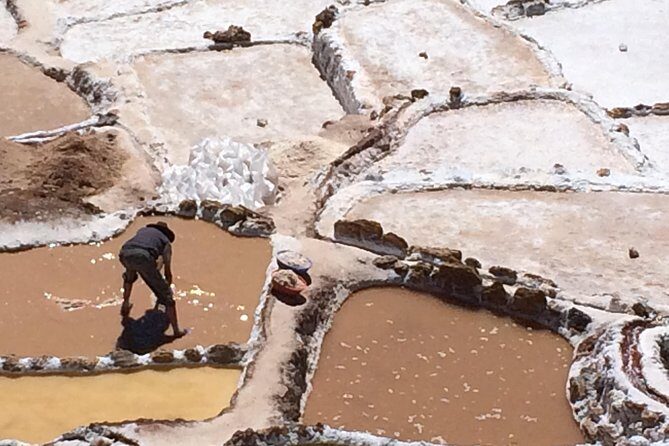
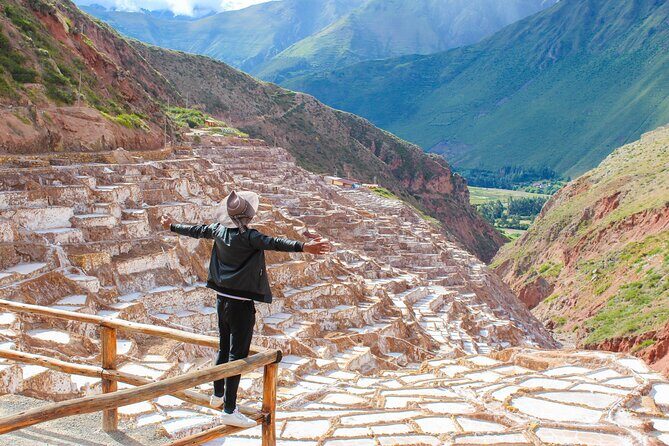
After Moray, you head to the Salt Mine of Maras around late morning. This is one of those Sacred Valley scenes that makes sense immediately: thousands of salt ponds still in place, stacked in a grid over the hills.
Timing matters here. Because it’s scheduled for late morning, you have a good window for photos before the day gets heavier. The guide can also capture a shot for you, which is a small detail, but it’s the kind of detail that saves time and hassle when you’re traveling in a group.
This is also one of the best spots to slow down. The visual pattern is strong, and spending time here helps you appreciate the scale. It’s not just a viewpoint; it’s a whole functioning visual system.
Lunch at Don Ángel Inka Casona: Big Buffet, Real Choices
Lunch comes after the salt ponds, at Don Ángel Inka Casona Restaurant. It’s a buffet with vegetarian options, and the amount of choice is notable: you can find more than 50 Peruvian dishes, covering salads, soups, main dishes, and desserts.
If you’ve had your share of travel lunches that are basically filler, this one is designed to be a reward. You’re also more likely to find something you genuinely want after a morning that includes riding, walking, and altitude-adjacent exertion.
At this point in day one, food is more than comfort. It’s energy. With Machu Picchu still ahead, eating well here helps you keep your second day from feeling like you’re running on fumes.
Ollantaytambo Archaeology and the Train to Aguas Calientes
Ollantaytambo is your afternoon archaeological stop, scheduled for around 2:40 PM. The ruins and terraces here are positioned around the history of the route toward Machu Picchu, including what happened during the Spanish invasion. It’s a useful historical bridge between the Sacred Valley and the main destination.
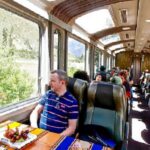
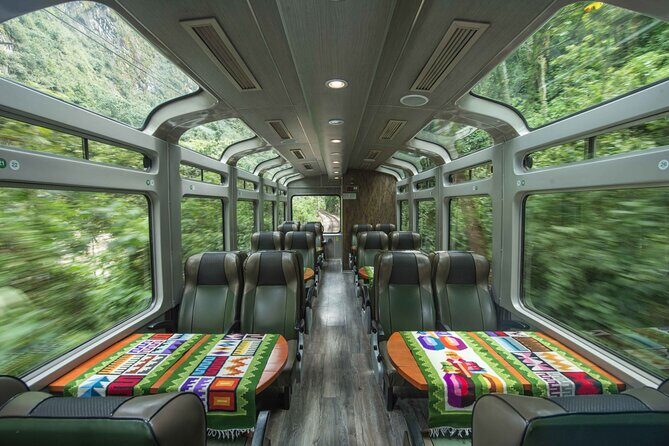
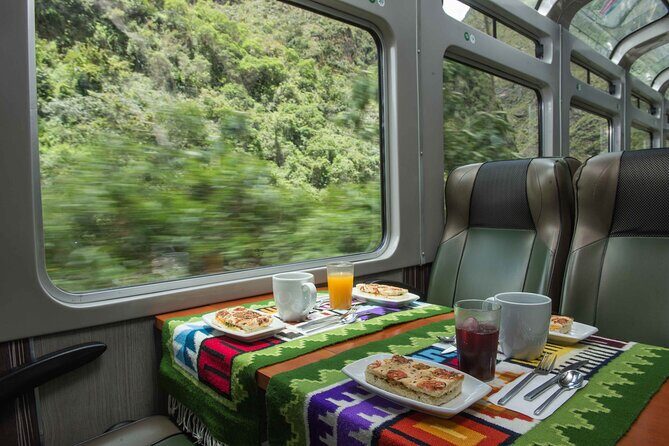
Then the day flows into the train segment. You go to the station and ride about 1 hour 45 minutes with scenic views across mountainous terrain before reaching the Machu Picchu-area town.
When you arrive in Aguas Calientes around 6:10–6:30 PM (the tour details place arrival at 18:10), the itinerary includes hotel drop-off. You check in, then the afternoon is yours. That free time is key: Machu Picchu day requires attention, and you shouldn’t have to squeeze errands in the evening.
Machu Picchu Morning: Guided Route, Classic Peak Photo Time
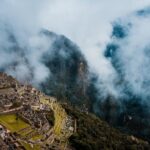
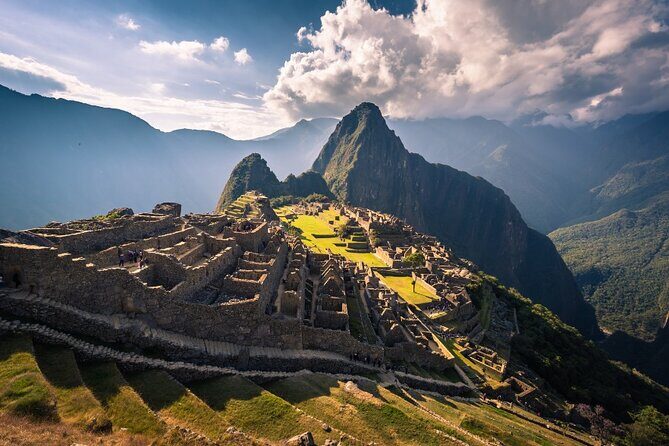
Day two starts with breakfast at your hotel, then transfer to the bus station. The bus takes you up to the main gate of the Historic Sanctuary of Machu Picchu, and your expert local guide leads the walkthrough.
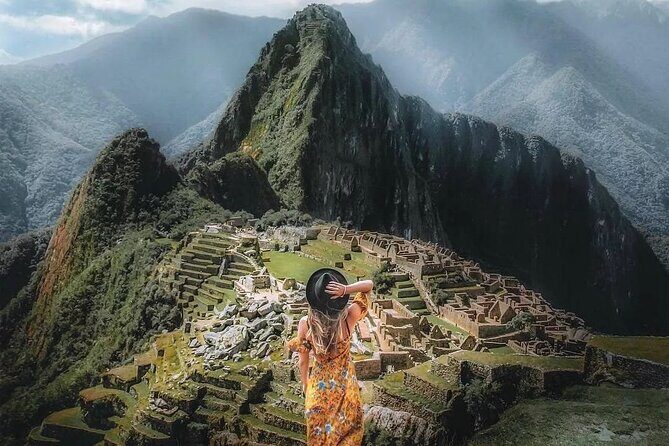
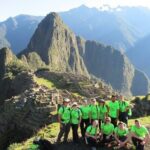
You move through key areas at a comfortable pace for a first visit: main streets, city squares, and stone stairways. You also get time aimed at the classic shot—your guide includes the chance for the well-known photo from the highest point.
I like that the guide is doing two jobs at once: interpretation and navigation. When you have a guide walking you through where to look, you spend less time wondering what matters and more time actually seeing it. This also helps with photos, since your timing and angles are more likely to be in sync with the flow of the site.
After the guided portion ends, you get additional time to explore on your own. That’s the part many people remember most: you can slow down, linger, and take the experience in without feeling pulled along.
Aguas Calientes Night: A Useful Buffer for the Big Day
The tour includes one night of accommodation in a 3- or 4-star hotel of your choice at booking. That’s not a trivial inclusion. Aguas Calientes is where your trip becomes real, because after you sleep there you’re ready for the early morning push without panic.
Your afternoon on day one is free at your own expense. The practical value is that you can eat, rest, and handle small logistics without burning daylight. If you’re traveling with someone who likes to plan every detail, this free chunk still gives you enough wiggle room to adjust to how you feel after day one.
On day two, lunch after Machu Picchu is not included, so you’ll want to budget time and money for that meal once you’re back down.
Price and What You’re Actually Paying For
At $595 per person, this is not a bargain-basement tour. It’s priced like a bundled experience: transportation, admissions, and guided time added together.
Here’s the value picture as you should think about it:
- Sacred Valley routing with guided stops (including Chinchero weaving and the Moray/Maras/Ollantaytambo circuit)
- ATV per person (and a note that 2 people on one ATV may be possible on request)
- ATV safety equipment provided (gloves and helmet mentioned)
- One buffet lunch plus breakfast
- A full train connection: Ollantaytambo → Aguas Calientes → Ollantaytambo
- Bus tickets for Machu Picchu in both directions
- Machu Picchu entrance ticket and a guide on site
- Door-to-door hotel pickup and drop-off, plus a return transfer from Ollantaytambo back to Cusco
The one extra cost you should note is Sacred Valley tickets at PEN 90 per person. Tips are optional, but you’ll likely want to have some cash ready.
One more factor: the package specifies prices based on double occupancy, but it also says solo travelers get a private room. That can change the effective cost versus assuming you’d pay the same rate as two people sharing.
Also, the tour is small-group oriented, and that tends to reduce waiting. In one recent experience, the logistics on the return trip ran smoothly because the group was essentially tiny, which made transfers feel efficient.
Logistics That Make a Difference: Transfers, Timing, and Train Class
The tour leans hard on the practical side. Pickup is offered across Cusco, and the package includes return transfers tailored to the schedule once you’re back from Aguas Calientes. This is the kind of thing that can save hours over the course of two days.
You also choose a train class for the Ollantaytambo–Aguas Calientes–Ollantaytambo route. That’s worth considering based on what you care about most: comfort versus budget. Since most of the “views” come from the route itself, the train class can be a quality-of-ride decision as much as anything.
For Machu Picchu, the tour uses the standard up-and-down structure: bus to the main gate, guided ruins, then bus back. The key thing is you’re not trying to solve the timing puzzle yourself.
The Guides: When Explanations Turn Into Better Photos
One of the most praised aspects from real experiences is the quality of guiding, especially on day one. A guide named Carlos is singled out for making the salt mines and Moray section engaging, with explanations that stick and a tone that keeps things fun. That’s exactly what you want for these stops: you’re looking at a place that’s older than your imagination, so a good guide helps you connect the visuals to meaning.
At Machu Picchu, people often care about photos just as much as interpretation. In one experience, the guide helped with photo spots and was patient while sharing how to get the best angles. That matters because Machu Picchu is crowded, and timing can make or break a shot.
There’s also a balanced note worth taking seriously: one experience found Machu Picchu itself less engaging than the first day. If you love constant activity, the second day may feel calmer. Still, it’s hard to argue with guided navigation and the time to explore afterward.
Who This Tour Suits Best (And Who Might Not Love It)
This is a good match for you if:
- You want two big Peru hits in a tight window: Sacred Valley and Machu Picchu
- You like a day with motion (ATV riding) plus a day with guided walking
- You prefer a small group and want less time spent figuring out connections
- You want the hotel night included so you arrive at Machu Picchu morning ready to go
You might think twice if:
- You’re mainly interested in Machu Picchu and would rather spend all your time focused there
- You dislike guided pacing and prefer total freedom from start to finish
- You’re very sensitive to physical activity, since the ATV day includes an actual riding component (though safety gear and practice are provided)
One helpful detail: the tour says most travelers can participate. That’s not a guarantee for every body type or mobility need, but it does signal they expect a broad range of guests.
Smart Booking Tips Before You Commit
Two quick moves help you get more out of it:
- Book early if you can. This tour is typically reserved about 77 days in advance on average, which suggests popular timing.
- Decide what matters more for you: train class comfort or conserving your budget elsewhere. The tour includes ticketing, so your main “choice” lever is how you want to ride.
Also, note the tour is described as non-refundable and cannot be changed for any reason. If you’re the kind of traveler who buys plane tickets and then waits for certainty, you may want to plan your dates carefully before booking.
Should You Book It?
If you want a well-run, two-day combo that turns the Sacred Valley into a real story and then gets you into Machu Picchu with a guide and a hotel night included, I’d say this is a strong bet. The value comes from the package handling: ATVs, admissions, train, bus, hotel, and guided time all bundled together.
I’d book it if you like structured days with enough flexibility to still enjoy the views. If your ideal trip is pure free-roaming with zero guidance and you don’t care about ATV time, you might prefer a different format that’s less “everything in one package.”
Either way, with this kind of itinerary, the key is matching your energy level to the plan: day one is active, day two is guided and scenic, and both are central to the payoff.
FAQ
What’s the duration of the tour?
It’s listed as about 2 days.
What’s included in the price?
The package includes pickup and drop-off in Cusco, guided Sacred Valley activities, an ATV per person (with safety equipment), meals (breakfast and lunch), one night in a 3- or 4-star hotel, entrance and guided tour for Machu Picchu, train tickets to and from Aguas Calientes, bus tickets to Machu Picchu, transfers back to your hotel in Cusco, and a bottle of water.
Do I get hotel pickup and drop-off?
Yes. Free pickup is offered from anywhere in Cusco, and the tour includes return transport to your hotel in Cusco after the Machu Picchu train ride.
Does the ATV portion include safety gear?
Yes. You’ll be given safety equipment such as gloves and a helmet, and there’s also a quick practice before you continue driving.
Are Sacred Valley tickets included?
No. Sacred Valley tickets are listed as PEN 90.00 per person.
How do you travel to Machu Picchu?
You ride a train from Ollantaytambo to Aguas Calientes, then take a bus from Aguas Calientes up to the Machu Picchu main gate. After the visit, you take the bus back to Aguas Calientes and then the train back to Ollantaytambo.
Is this a small-group tour?
Yes. It’s described as a small-group tour with a maximum of 1–10 people, and a stated maximum of 15 travelers.