REVIEW · CUSCO
Salt Mines at Maras and Hiking to Tours of Sacred Valley
Book on Viator →Operated by Valentins Pachamama Journeys · Bookable on Viator
Maras salt pools look like they belong on another planet, and the walk through the Sacred Valley makes it feel real fast. This is a private day that mixes Inca salt-making at Maras with a guided hike down toward Urubamba, plus hands-on culture stops along the way.
I especially love two parts: first, seeing salt harvested the old Inca way from bubbling spring water, with pools in different colors laid out like a patchwork. Second, the tone of the day feels personal—when Valentin and his team (including his son Kenny in the driving role) guide you, the pace stays human, and you’re not rushed from one photo spot to the next. One drawback: you do need moderate physical fitness for the 45–60 minute downhill hike, and the tour runs in all weather, so you’ll want layers that work.
In This Review
- Key highlights to watch for
- Maras Salt Mines: colorful pans and the old Inca method
- The 45–60 minute hike down to the Sacred Valley floor
- Crossing into Urubamba time: Yanahuara organic farm stop
- Urubamba lunch and the non-touristic market walk
- Pablo Seminario’s potter studio: watching craft happen
- Price and logistics: what $128 buys you
- The guide factor: why the day feels personal
- Who this tour fits best (and who should skip it)
- Should you book this Salt Mines + Sacred Valley hike?
- FAQ
- How long is the tour, and what time does it start?
- Where does pickup happen?
- Is lunch included?
- Do I need a certain fitness level?
- Is this a private tour?
- What will I see at the Maras salt mines?
- Does the tour run in bad weather?
- Can I cancel for a full refund?
Key highlights to watch for
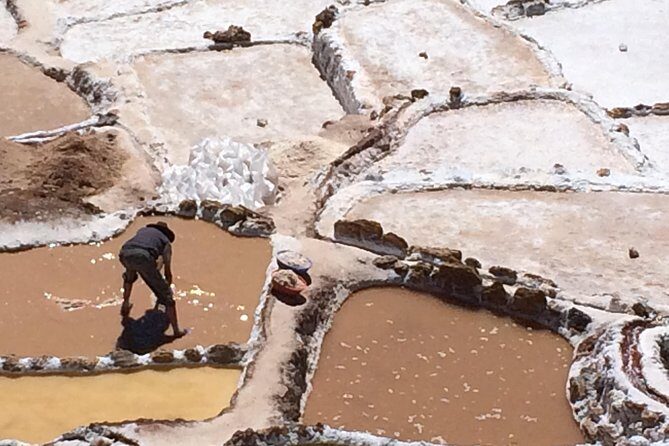
- Maras salt mines with bubbling-spring water and colorful evaporation pools
- A 45–60 minute Inca salt trail descent to the Sacred Valley floor
- An organic farm visit in Yanahuara with fruit/veg tastings plus chicha and guinea pig care
- Urubamba lunch and a non-touristic market walk for day-to-day Peruvian life
- Pablo Seminario’s pottery studio to see local craft up close
Maras Salt Mines: colorful pans and the old Inca method
The day starts early with hotel pickup by private transport from Cusco or the Sacred Valley. If you’re based in Cusco, plan for about a 90-minute drive with mountain and valley views before you reach the Maras area.
Then it’s straight to the salt mines. What makes Maras worth the effort isn’t just the look of the pools—it’s the process. You’ll tour the salt terraces where salty water rises from an underground spring and flows into individual platforms. As water evaporates, the salt remains. In person, you can really see how the pools change color depending on salt concentration and mineral content, which is why people remember Maras as more than a quick viewpoint stop.
A practical note: this is a working site. There’s plenty of visual texture, but the ground can be uneven, and you may spend time standing and walking between terraces. Wear shoes with decent grip and expect cool-to-mild conditions depending on weather.
You’ll also get a chance to buy salt. It sounds basic, but buying there has a different feel than grabbing a souvenir in town. You’re purchasing something you just watched being produced, using the original-style setup.
You can also read our reviews of more hiking tours in Cusco



The 45–60 minute hike down to the Sacred Valley floor
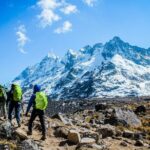
After Maras, you’ll shift from terraces to trail. The hike is described as easy and runs about 45–60 minutes, going down to the Sacred Valley floor. The route follows a trail that was used by the Incas to transport salt toward key destinations, including the route connected with Machu Picchu.
That “used by the Incas” detail matters more than it sounds. It gives the walk a sense of purpose, not just scenery. You’re following the same kind of path that connected labor, transport, and daily life. When you’re on the ground (not just looking at a map), you feel how terrain shaped everything.
What to watch for:
- Bring a light layer even if it’s sunny. This is an all-weather tour.
- Count on the walk to set your day’s rhythm. If you pace yourself and take short breaks, the hike feels manageable.
- Expect uneven footing in places, since trails aren’t built like sidewalks.
One reason I like this part of the itinerary is that it gives you a “middle” between extreme highlights. You’re not just doing salt, then jumping straight to lunch and markets. The hike threads the whole day together and keeps your legs and attention engaged.
Crossing into Urubamba time: Yanahuara organic farm stop
Once you reach the Sacred Valley area, the itinerary moves into something more intimate. After crossing the Urubamba River, your car is waiting and you’ll head to Yanahuara for a visit and tour at a local organic farm.
This stop is built for tasting and learning, not just looking. You’ll sample local fruits and vegetables unique to Peru. It’s the kind of meal-prep knowledge you can actually use at home—things like how produce is grown and what local varieties taste like when you’re not comparing everything to what you know in your home grocery store.
You’ll also hear about chicha, plus how alfalfa is cut to feed guinea pigs. Even if you don’t think you’re a “farm person,” this is one of those moments that makes you understand Andean food systems as a whole—people aren’t separating agriculture, livestock, and diet into separate topics. They’re linked.
Why I think this stop has value: it turns the Sacred Valley from a history slideshow into lived culture. You get a break from the altitude-flavored urgency of big sights and instead learn how small choices—feed, crops, fermentation traditions—create daily life.
Urubamba lunch and the non-touristic market walk
From the farm, the tour continues to Urubamba. Lunch is in a local restaurant, and it’s not included in the price—so you’ll want to budget for it. The upside is simple: you’ll be eating where people actually come for food, not just where tours send everyone.
After lunch, you’ll visit a local non-touristic market. This is one of those stops that quietly becomes the highlight for many people because the vibe is different. Markets are where you see how a community shops: fruits, flowers, vegetables, and medicinal plants all together. Your guide walks you through what you’re seeing, which turns random browsing into something you can understand.
A useful strategy here: ask questions. If your guide mentions ingredients, traditions, or plant uses, take it seriously. Even if you can’t buy everything, learning what something is for helps it stick later when you see it again in a store or recipe.
Pablo Seminario’s potter studio: watching craft happen
The final culture stop is a visit to the studio of Pablo Seminario, a famous potter. This is a good closer because it shifts the day into making—something you can appreciate even if you only catch a portion of the process.
A studio visit tends to be better than a museum stop because it’s active and human-scale. You’re not just viewing an object behind glass. You’re seeing how skills translate into work: materials, forms, and the practical reality of craft.
If you like art that comes from everyday life rather than imported design trends, this is the moment to pay attention. It also helps the whole day feel balanced: salt mines and hiking bring the “work and terrain” theme, while pottery connects the theme to creativity and long-term skill.




Price and logistics: what $128 buys you
At $128 per person for about 8 hours, this tour sits in the “serious day” category, not a quick half-day add-on. The value comes from how much is folded in:
- Hotel pickup and drop-off (Cusco or the Sacred Valley)
- Driver/guide plus a local guide
- Private tour for only your group
Transport matters here. Cusco to Maras is about a 90-minute drive one way, and you’re also moving across the Sacred Valley between stops. A private setup saves you from coordinating taxis, finding meeting points, and trying to match multiple attractions on your own schedule.
One thing to plan for: lunch isn’t included. For a day like this, that’s normal, but it does affect your all-in cost. If you’re budgeting, set aside extra money for lunch so you don’t feel surprised mid-day.
Also, this is a tour that people book ahead—on average about 10 days. If your travel dates are fixed, I’d treat it as something you don’t want to wait until the last week to request.
The guide factor: why the day feels personal
The reviews and the company’s style point to one consistent theme: the guides make it feel like you’re traveling with people, not just buying access to sights. Valentin (and often his son Kenny as the driver) shows up as the same kind of person throughout the day—friendly, prompt, and attentive to your pace.
You’ll feel that in the small stuff:
- You’re not shoved through the hike.
- Explanations happen as you walk and stop, not only at the curb.
- The tour doesn’t read like a checklist. It feels like a day with context.
If you care about English explanations and an experience that’s organized without being stiff, this is exactly the type of tour to pick. Multiple people also mention safety and compassion, including for health challenges like altitude sickness and asthma, with careful planning. That matters on days where you can’t easily control the environment—you want a team that’s thoughtful.
Who this tour fits best (and who should skip it)
This tour works well if you:
- Want a mix of nature, food, and culture, not only ruins
- Like hands-on stops (farm tastings, market walk, pottery studio)
- Prefer a private day with a guide who can slow down for questions
- Can handle a moderate effort hike lasting 45–60 minutes
You might reconsider if you:
- Have mobility limits that make uneven trails or a downhill walk hard
- Want a fully low-effort day with no hiking component
- Are uncomfortable in changing weather, since it operates in all conditions
Should you book this Salt Mines + Sacred Valley hike?
Yes—if you want Maras and the Sacred Valley in one coherent day, this is a smart pick. The salt mines alone are interesting, but the real win is how the day connects production (salt), movement (the Inca trail hike), daily life (farm and market), and local craft (Pablo Seminario’s pottery studio). That’s a lot of variety without feeling scattered.
I’d especially book it if you value a guide who treats the day like a relationship. In this itinerary, your guide’s timing, pacing, and explanations matter. Private transport also removes stress on a route that would be harder to assemble on your own.
If you’re deciding between options, this one earns its cost by combining distance, multiple stops, and private guiding. For an 8-hour day, it’s a well-packed way to see what makes this part of Peru feel both historical and current.
FAQ
How long is the tour, and what time does it start?
It runs about 8 hours and starts at 8:30 am. You’ll receive confirmation at the time of booking.
Where does pickup happen?
You’ll be picked up by private transport from your hotel in Cusco or the Sacred Valley.
Is lunch included?
No. Lunch in Urubamba is part of the day, but it’s not included in the price.
Do I need a certain fitness level?
You should have moderate physical fitness. The hike down to the Sacred Valley floor takes about 45–60 minutes and is described as easy.
Is this a private tour?
Yes. It’s a private tour/activity, so only your group participates.
What will I see at the Maras salt mines?
You’ll tour the salt mines and see different color pools used to evaporate salt from water bubbling up from an underground spring. You’ll also have a chance to buy salt.
Does the tour run in bad weather?
It operates in all weather conditions, so dress appropriately.
Can I cancel for a full refund?
Yes. Free cancellation is available up to 24 hours before the experience start time for a full refund.