REVIEW · CUSCO
Tour to Maras Moray and Salineras 1/2 Day
Book on Viator →Operated by Machu Picchu Road Trip · Bookable on Viator
Salt mines and farming experiments in one day. This half-day Cusco outing is a smart mix of culture and practical Andean tech, with a guide who keeps the story moving from stop to stop. I love how Salineras de Maras is still a working salt operation, and I really like the logic behind Moray’s circular terraces as an agricultural lab.
One thing to plan for: the tour is fast by design, and admission tickets aren’t included for Salineras and Moray, so your final cost will depend on those add-ons.
In This Review
- Key Moments You Shouldn’t Rush
- Why Maras, Moray, and Salineras Works as a Cusco Half-Day
- Getting There: Pickup, Group Size, and the 6-Hour Flow
- Maras Town First: Viceroyalty-Era Salt Power You Can Still See
- Salineras de Maras: More Than 3,000 Wells Still in Use
- How much time is enough?
- Budget note
- Moray’s Circular Terraces: An Andean Farming Experiment in Stone
- Admission note
- Chinchero Market Time: Inca Foundations and Textile Traditions
- Use your time well
- What You Pay For: Value, Inclusions, and Ticket Extras
- Practical Tips That Make the Day Easier
- Who This Tour Suits Best (and Who Might Want Something Different)
- Should You Book This Maras, Moray, and Salineras Tour?
- FAQ
- What time does the tour start?
- How long is the tour?
- Does the tour include pickup from my Cusco accommodation?
- What’s included in the price?
- Are attraction tickets included?
- How long do we spend at each main stop?
- Is there a cancellation window?
Key Moments You Shouldn’t Rush
- Small group (max 18) with group transport, so you still get personal explanations without feeling like a solo tour.
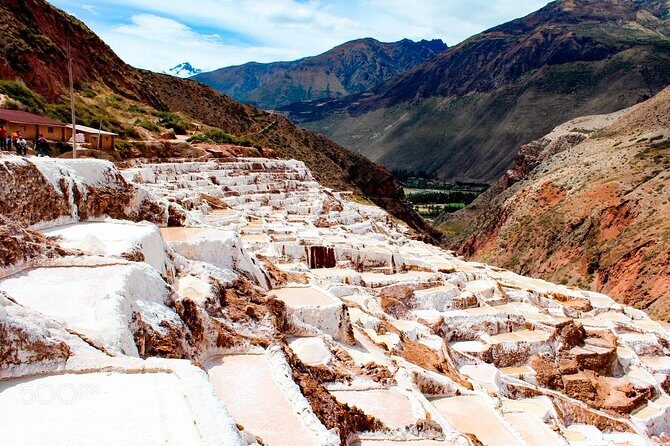
- Salineras de Maras salt mines with more than 3,000 wells still worked by 360+ family members.
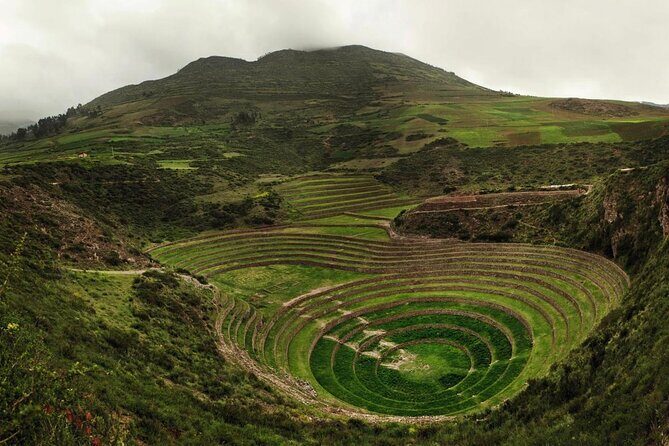
- Moray’s circular terraces as an Andean farming experiment for potatoes, corn, and more.
- A culture-first stop in Maras, where you can spot the town’s Viceroyalty-era importance in churches and house facades.
- Chinchero’s market time, tied to Inca and pre-Inca traditions, plus textile and craft shopping.
Why Maras, Moray, and Salineras Works as a Cusco Half-Day
If you’re spending limited time in Cusco, this is the kind of trip that makes your morning earn its keep. You’re not just seeing one “big” site. You’re getting a chain of places that each explain a different part of how the Andes worked: salt production, climate-smart farming, and local trade through craft and agriculture.
The best part is how the guide connects the dots. You hear why Maras mattered during the Viceroyalty period, then you see the production system at Salineras de Maras, and you end up at Moray, where the Andean approach to experimenting with growing conditions is on full display. It feels like a curriculum—just in real-world stone and dirt.
You can also read our reviews of more tours and experiences in Cusco

Getting There: Pickup, Group Size, and the 6-Hour Flow
This tour runs about 6 hours, starting at 9:00 am, with pickup from your Cusco accommodation. The end of the service brings you back to the meeting point at Pl. Haukaypata 172.
Group size is capped at 18 travelers. That’s big enough for easy logistics, but small enough that you can still ask questions when the guide pauses for moments of explanation. The pacing also matters: Salineras gets about 40 minutes, Moray about 50, and Chinchero about 40. With drive time in between, the trip stays focused and doesn’t waste hours.
I’d call it a good fit if you like structured sightseeing. If you’re the type who wants to wander for hours on your own, you’ll need to come with a mindset of: see it, learn it, then move on.
Maras Town First: Viceroyalty-Era Salt Power You Can Still See
Before you reach the big-ticket views, you start in the town of Maras. This place isn’t just a stepping stone. It was declared Villa de San Francisco de Asís and became especially important during the Viceroyalty era because it was the main salt supplier of the southern highlands.
That history isn’t hidden in a museum. It shows up in the built environment—specifically in the church and in the houses that still preserve shields of indigenous nobility on their facades. Even if you don’t read every architectural detail, you can feel the message: this was a town whose wealth and influence were tied to salt.
What you’ll take away here is useful later. When you reach Salineras, you won’t just see wells and scenery—you’ll understand why salt production mattered enough to leave its fingerprints on the town.
Salineras de Maras: More Than 3,000 Wells Still in Use
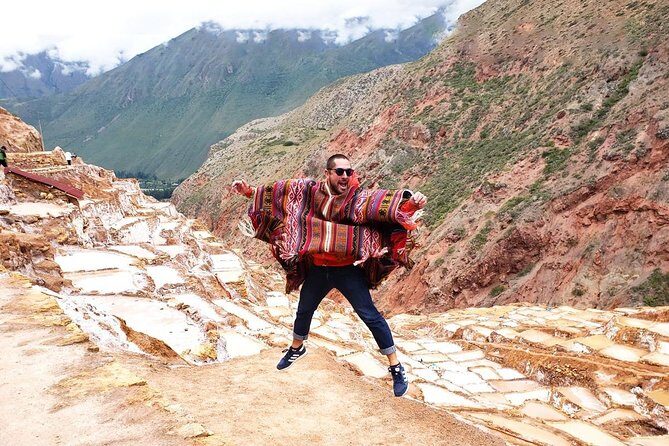
Salineras de Maras is the star stop for a reason. The salt mines surprise you fast: you’re looking at more than 3,000 wells, and they’re not just historical ruins. At present, the operation continues to be worked by more than 360 families who have inherited the custom.
There’s also a community layer that I appreciate. Commercialization is handled by the Maras Sal association, described as responsible for ensuring community interests since the end of the 1980s. That detail changes how you look at the place. It’s not only a photo stop. It’s a living economic practice with organization behind it.
How much time is enough?
You’ll have about 40 minutes here. That’s plenty to:
- understand the scale of the wells,
- take photos from a few angles,
- and listen to the guide’s explanation without feeling rushed off immediately.
Still, 40 minutes can disappear if the weather turns or if you stop repeatedly to frame shots. If you care about photography, keep an eye on the light and set a quick plan: wide overview first, then close-up details.





Budget note
Admission for Salineras is not included. So if you’re trying to keep expenses tight, set aside extra money for tickets.
Moray’s Circular Terraces: An Andean Farming Experiment in Stone
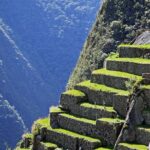
Moray is where the tour shifts from production to experimentation. Those circular terraces aren’t random geometry. They’re presented as an example of how Andean people challenged nature and used their geography to their advantage.
The terraces served as an agricultural laboratory, allowing different species to be grown. The tour explanation specifically mentions a variety of crops such as potatoes and corn. That concept is the key to enjoying Moray: this isn’t only a scenic set of ruins. It’s a human attempt at controlling—or at least exploiting—different growing conditions.
Moray gets about 50 minutes. That’s a good length if you let the guide talk. The guide’s commentary helps you interpret what you’re seeing: why terraces exist, why circular patterns matter, and how this could function as a testing ground over time.
Admission note
Moray’s admission is also not included. Plan on paying separately if you want to spend time inside and fully experience the site.
Chinchero Market Time: Inca Foundations and Textile Traditions
Chinchero is a strong finish because it blends architecture with everyday life. The town sits 28 km from Cusco on the paved road toward Urubamba, and it’s known for a layered history.
You’ll see the remains of what used to be the royal hacienda of Túpac Inca Yupanqui. What’s especially interesting is how a colonial temple was built on Inca foundations. That overlapping of periods gives Chinchero a different feel than many sites around Cusco. It’s not only about the past—it’s about how later powers repurposed earlier structures.
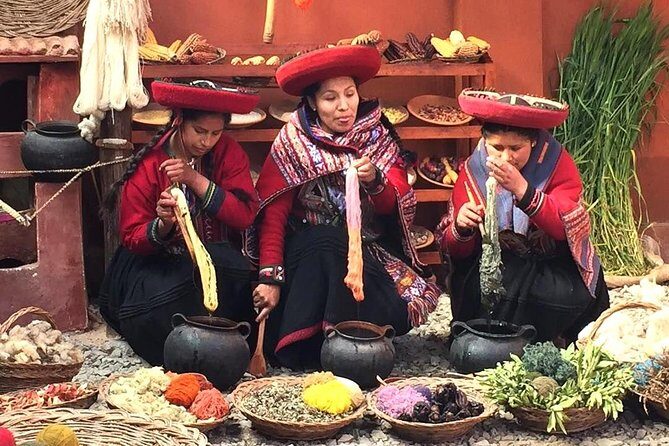
Then you shift into the part that many people end up remembering most: the artisan market. The tour describes it as having originally served as an exchange point for agricultural products between villagers in the valley and those from higher areas. Now it’s a colorful marketplace where you can browse handicrafts and textile garments made in pre-Columbian styles.
Use your time well
You’ll have about 40 minutes here, and markets can eat time fast. If you want to shop, do it in two passes:
1) quick scan to see what’s available and where prices feel fair,
2) then come back for a shortlist.
If you only pass through once, you’ll end up buying late and regretting it later. It happens. The Andean markets are fun, but your wallet deserves a plan.
Chinchero’s admission is listed as free, which adds value to the itinerary.
What You Pay For: Value, Inclusions, and Ticket Extras
The price is $29 per person, and that’s hard to beat for a guided half-day circuit that hits multiple major sites plus a town market.
Here’s what you get in the base price:
- Group tourist transport
- Professional guide service
What you don’t get:
- Admission to the different attractions (tickets are not included)
- Feeding (food)
- Extra drinks
The ticket situation is mixed in a good way. Salineras and Moray require extra admission, but Chinchero is specifically marked as free. So you’re not paying admission for every stop equally.
My value take: if you’re okay paying separate tickets for Salineras and Moray, this tour is good value because the guide time and transport are folded into a low price. If you’re trying to avoid paying any extra entries, this might feel less economical.
Practical Tips That Make the Day Easier
You’re moving across a handful of different environments. Some are tighter and more scenic; others are more open. A few simple habits will keep the day from feeling stressful:
- Bring a small layer: mornings near Cusco can feel cooler, and weather changes can happen quickly.
- Plan for extra purchases: food and drinks aren’t included, and the market stop naturally encourages spending.
- Wear shoes you trust: you’ll be walking on uneven surfaces, especially around the salt mines and terrace areas.
- Listen early, photograph later: the guide’s commentary tends to make the sites click. Let the explanation land, then take your photos with context.
Also, note the tour starts at 9:00 am. If you’re coming straight from Cusco city life, eat something light before pickup so you’re not thinking about hunger during the best parts.
Who This Tour Suits Best (and Who Might Want Something Different)
This tour is ideal if you:
- want a structured half-day plan without having to organize transport between sites,
- enjoy learning why places matter, not only what they look like,
- like a good balance of science-ish Andean thinking (Moray) and practical daily life (salt work and markets).
It’s less ideal if you:
- dislike group schedules and prefer totally independent exploration,
- expect long stays at each site,
- want food included or a relaxed, no-timeline itinerary.
Should You Book This Maras, Moray, and Salineras Tour?
Based on the overall rating (4.3) and strong feedback about friendly guides and clear explanations, this is a solid choice when you want real insight in limited time. The itinerary also has a nice mix: salt mines that are still active, terraces that explain Andean problem-solving, and a market with cultural and commercial meaning.
I’d book it if your priorities are:
- getting the major highlights of Maras, Moray, and Salineras in one morning stretch,
- understanding the why behind each stop,
- and keeping your logistics simple.
I might skip it if you’re already planning to visit Salineras and Moray independently and you want extra flexibility. In that case, a DIY plan can give you more time per site—at the cost of paying for transport and sorting tickets yourself.
FAQ
What time does the tour start?
The tour starts at 9:00 am.
How long is the tour?
It runs for about 6 hours.
Does the tour include pickup from my Cusco accommodation?
Yes, pickup from your Cusco accommodation is included. The tour also returns you to the meeting point.
What’s included in the price?
The price includes group tourist transport and a professional guide service.
Are attraction tickets included?
No. Admission tickets are not included for the attractions visited, though Chinchero is listed as free.
How long do we spend at each main stop?
Salineras de Maras is about 40 minutes, Moray is about 50 minutes, and Chinchero is about 40 minutes.
Is there a cancellation window?
Yes. You can cancel up to 24 hours in advance for a full refund. If you cancel less than 24 hours before the experience start time, the amount paid is not refunded.