REVIEW · CUSCO
Ultimate Lares Trek & Inca Trail 5 days
Book on Viator →Operated by TreXperience · Bookable on Viator
The quieter Lares route changes everything. You’ll hike Peru’s highlands through remote villages, then reach UNESCO-listed Machu Picchu with fewer people on the trail and at the city. I love the quiet Lares route and the chance to soak in the Lares thermo-medicinal baths right at the start.
Your main trade-off is effort. This isn’t a stroll: you’ll hit big altitude (up to 4700 m on Day 2) and start extremely early, around 4:30 am pickup, with camping in the mountains for two nights.
In This Review
- Key things I’d circle on your planning map
- Why this Lares route feels like Peru (not a theme park)
- Early starts and altitude: what to expect on your body
- Day 1: Sacred Valley morning, Lares hot springs, Kiswarani lake campsite
- Day 2: Condor Pass and Cancha Cancha, the tech-free Quechua village
- Day 3: Sacred Valley walking into Huaran, then Ollantaytambo and the Inca streets
- Day 4: Train along the Urubamba River, Chachabamba ruins, and the first Sun Gate glimpse
- Day 5: Sunrise bus option, guided tour, and picking Huayna Picchu or Montaña
- The food and camp comfort that quietly make the trek work
- Packing and gear: how to set yourself up for success
- Price and value: why $980 can make sense here
- Who this fits best (and who should be cautious)
- Should you book the Ultimate Lares Trek & Inca Trail?
- FAQ
- What’s the start time for this tour?
- How long is the Ultimate Lares Trek & Inca Trail?
- What does the $980 price include?
- Is Machu Picchu admission included?
- How many people are in the group?
- Is vegetarian food available?
- What fitness level do I need?
- Do I need a passport for this trip?
Key things I’d circle on your planning map
- Quieter trek, same dream payoff: Lares gets you to Machu Picchu without the heavy crush you see on more popular paths.
- Hot springs on Day 1: you soak first, hike second, and it sets the tone in the best way.
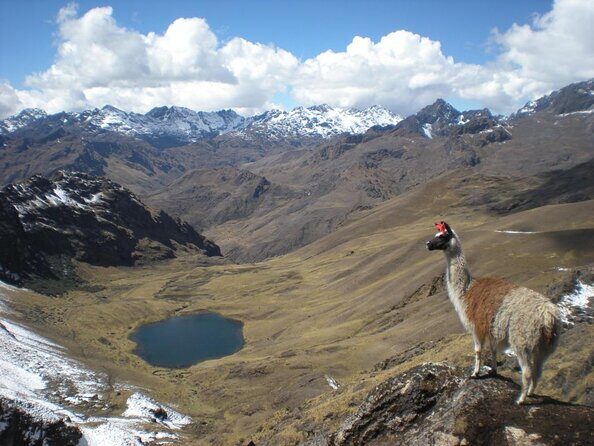
- Condor Pass challenge (4700 m): one demanding day, then the scenery rewards you on the descent.
- Cancha Cancha stays old-school: a village with no electricity, phones, or computers—Quechua is the only language used.
- Machu Picchu with breathing room: you arrive in the afternoon, so you get to experience the citadel when it’s almost empty.
- Food that feels like a luxury: camp meals are a big part of the value, and multiple guides/chefs have been praised for serious cooking—even in the woods.
Why this Lares route feels like Peru (not a theme park)
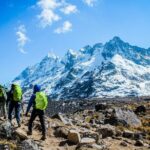
If Machu Picchu is your goal, the route you take matters. This trek steers you onto the quieter Lares path, with peaceful walking through high-Andean villages and Andean scenery that doesn’t feel staged for crowds. You spend real time in communities that are still living close to the land, not just passing through for a photo.
The other big reason this works is pacing. You’re not just rushing toward ruins. You’re building a rhythm: hot springs, then a gradual climb; morning hikes followed by time to relax and eat well; and a steady lead-up to the Inca sites that keeps you from feeling steamrolled.
You can also read our reviews of more hiking tours in Cusco



Early starts and altitude: what to expect on your body
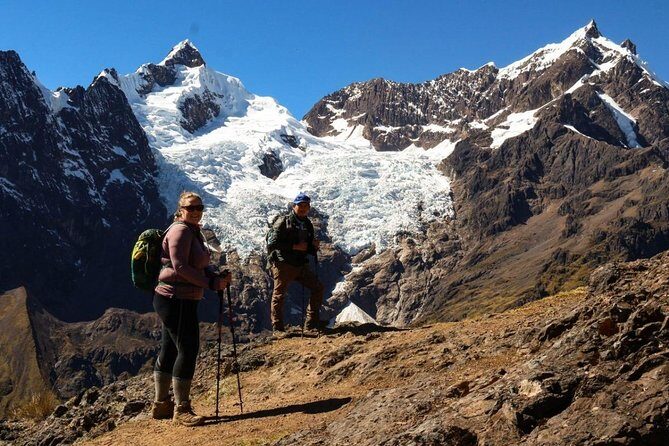
This trip is built for people with moderate fitness, but it still asks for your attention. The highest point is Condor Pass at 4700 m, and Day 2 is the longest and toughest hiking day (about 16 km total, around 7 hours, with a steep uphill to the pass). Day 1 starts in an easy-to-moderate zone and climbs to around 3750 m, with an easier-feeling first day (about 9 km, around 4 hours of hiking).
You’ll also be moving early. The tour start is listed at 4:30 am, and Day 1 pickup from your Cusco hotel is around 5:30 am. That means you’ll want a simple plan: pack what you need the night before, eat something light but real, and don’t count on sleeping in during the mountains.
Day 1: Sacred Valley morning, Lares hot springs, Kiswarani lake campsite
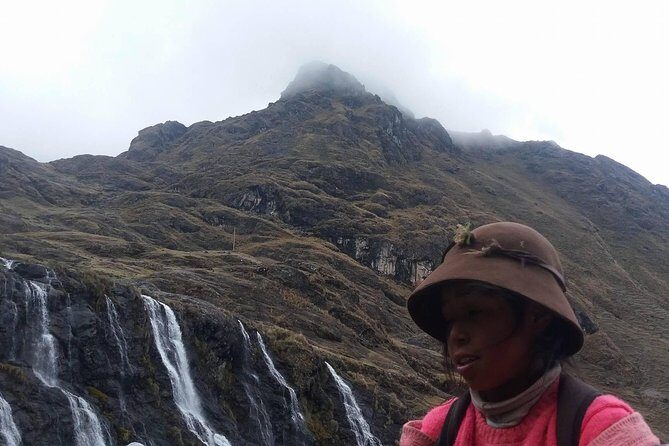
Day 1 is all about easing you in. You’ll get picked up early and drive from Cusco toward the Sacred Valley area. Along the way, there’s a local market stop, then you continue on to the famous Lares thermo-medicinal baths.
This is not a quick dip. You go straight into the pools set at different temperatures. The water is described as good for bones, muscles, stress, and headaches. Even if you don’t buy into the specific claims, I like this part because it’s practical: it helps your body switch from city life to mountain life.
After breakfast, you start hiking uphill for about 2 hours, aiming for Kiswarani village. Then you walk another stretch to camp—about 9 km total for the day—with the campsite set on the bank of a beautiful blue lake at 3750 m. When you arrive, your tent and a hot cup of tea are ready. That little moment matters. You’ll be tired, and you’ll appreciate a setup that doesn’t make you do camp-work after a long walk.
Good to know: the day is listed as easy, and the altitude is lower than Day 2, so it’s a smart warm-up.
Day 2: Condor Pass and Cancha Cancha, the tech-free Quechua village
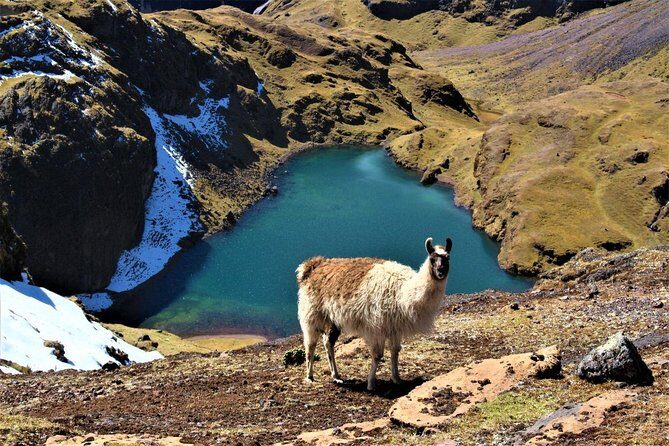
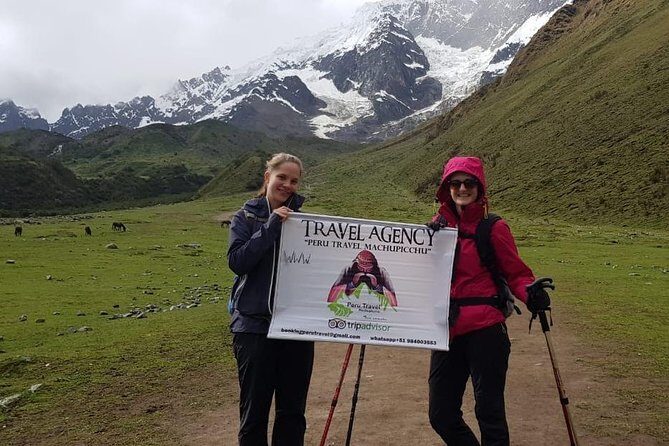
Day 2 is the “earned it” day. You wake early with a hot drink in your tent, then hike uphill for about 4 hours to Condor Pass (4700 m). After time to explore at the summit, you start a descent of around 3 hours through dramatic scenery.
What I find special here is where you end up for the night. Your campsite is in Cancha Cancha at about 3750 m. This is described as a village completely isolated from modern technology—no drainage system, electricity, computers, internet, or cellphone service. The language used is Quechua.
That detail changes the feel of the whole trek. You’re not just “in nature.” You’re in a place with people living their daily life. It also helps explain why many people come away feeling the trip is cultural, not only physical.
By evening, dinner is prepared for you, then you rest up for Day 3.
Pace note: multiple guides in the program’s reviews are praised for encouraging people with steady, supportive rhythm (you may hear the style of poco poco, little by little). If you tend to overpush early, follow your guide’s pace cues.
Day 3: Sacred Valley walking into Huaran, then Ollantaytambo and the Inca streets
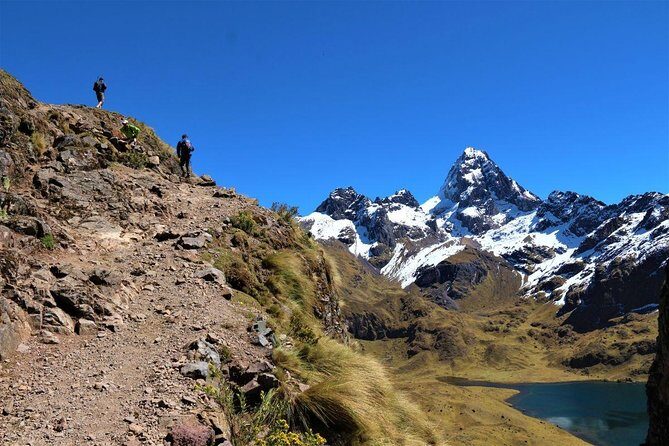
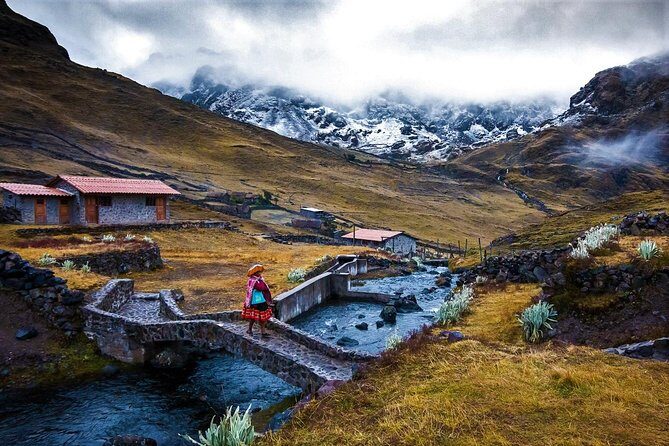
Today shifts gears from mountain camps to Inca towns. You wake in a village setting (with llamas and alpacas mentioned), then hike downhill for around 4 hours. The trek ends in a small town called Huaran at about 2700 m.
From there, a private bus takes you onward to Salineras and Ollantaytambo. Ollantaytambo gets attention as a long-used Inca settlement area, often described as a living Incan city, and there’s also time to explore the ancient streets and water channel that’s been in use since Inca times.
This day is one of the easiest on your feet (easy difficulty is listed), but it’s still full. You’ll have dinner in a local restaurant in Ollantaytambo and sleep in a hotel for the night. That hotel night is a big “reset button,” especially after two nights camping.
You can also read our reviews of more tours and experiences in Cusco
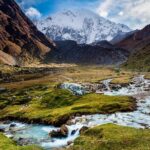
Day 4: Train along the Urubamba River, Chachabamba ruins, and the first Sun Gate glimpse
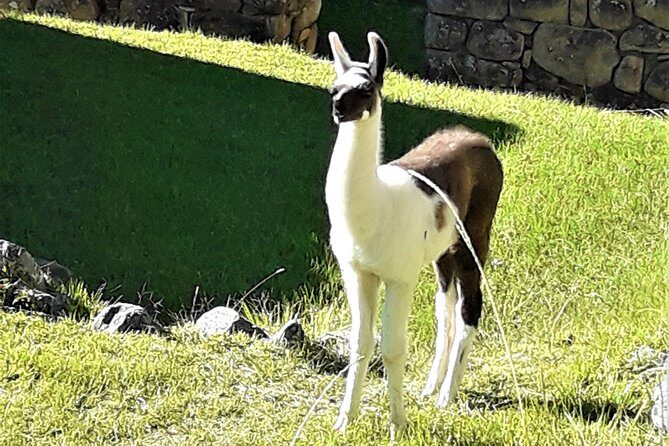
Now you get the classic Machu Picchu storyline—just with a calmer build-up. You start around 6 am from your hotel, walk to the train station, and take a train ride of about 1 hour 30 minutes along the Urubamba River. The train takes you to km 104 at Chachabamba, described as cloud forest.
When you arrive, you start your hike to Machu Picchu. Your first stop is the Inca ruin of Chachabamba, then you hike for around 4 hours to Wiñay Huayna. There’s a packed lunch and refreshments along the way.
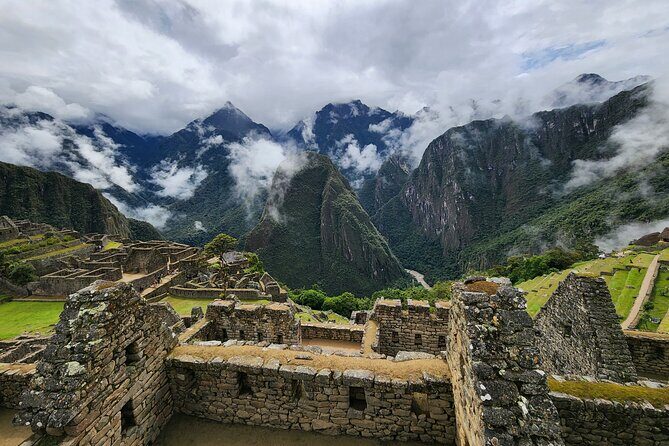
Later, you continue up to the Sun Gate. That’s where you catch your first real glimpse of the Lost City of the Incas, and it’s timed for impact. From the Sun Gate, it’s about a 1-hour downhill walk to reach Machu Picchu in the afternoon.
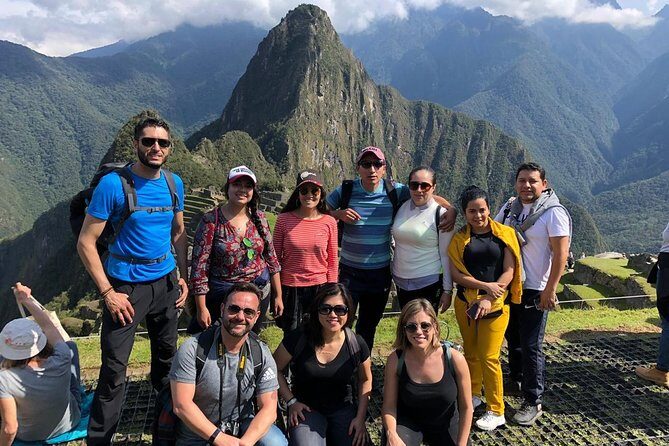
Here’s one of the best practical wins in the whole program: arriving in the afternoon can mean you experience the city when it’s closer to empty. That changes your photos, your walking, and even your ability to pause and think.
Then you take the bus down to Aguas Calientes for dinner and an overnight in a 3-star hotel.
Day 5: Sunrise bus option, guided tour, and picking Huayna Picchu or Montaña
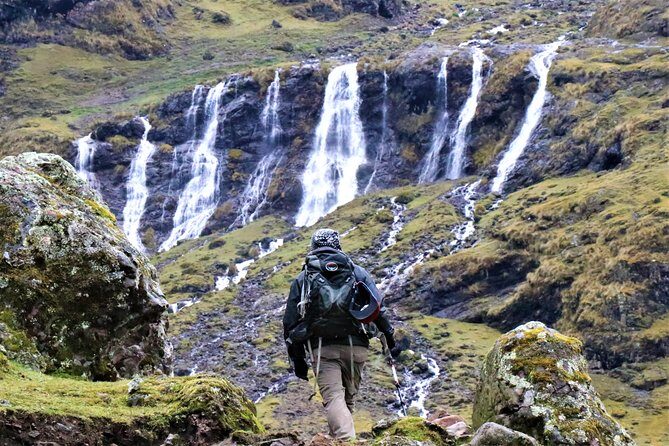
Your last day starts very early again. Breakfast comes first, then you take early buses up to the citadel. On a clear day, you can watch sunrise over Machu Picchu—one of those moments people remember for years because it feels personal, not like a stop on a checklist.
Your guide provides a 2–3 hour guided tour of Machu Picchu. After that, you’re free to explore on your own. If you want a more vertical adventure, you can climb either Huayna Picchu or Montaña. The key catch: tickets for those climbs should be booked far in advance. If you already have them, you’re asked to let the operator know.
After exploring, you’ll learn how to take the bus back to Aguas Calientes for lunch (not included), then you take a panoramic train and bus back to Cusco. The TreXperience team meets you at the train and returns you safely to your hotel.
The food and camp comfort that quietly make the trek work
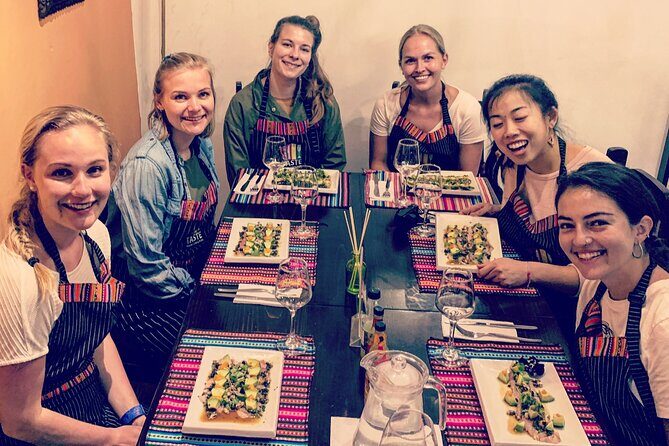
I’m picky about food on treks, and this one has a pattern: people are consistently impressed by how much they eat and how it tastes. Meals are included (breakfast 5 times, lunch 4 times, dinner 4 times), and you also get a Pachamanca cooking demonstration during the experience.
On the trail, you’re not just surviving. You’re getting full meals, and you’ll likely feel that in the way you hike. In the feedback you provided, chefs and assistant chefs are repeatedly praised for cooking real variety every day, plus the sheer amount of food. If you’ve ever done a trek where you eat the same sad thing three days in a row, this is a relief.
There are also a few real-world “crew magic” stories you should know about. One example: a chef reportedly made a full-on birthday cake in camp, even without an oven. Another theme is responsibility—saving leftovers from waste by sharing uneaten food with locals. Small gestures like that make the whole experience feel more ethical and less disposable.
Packing and gear: how to set yourself up for success
The trip provides camping equipment and states it’s comfortable, and your duffle bag up to 7 kilos is carried by horse. That’s a big deal. It means you can keep your own carry small, usually just a daypack.
Still, bring the right mindset. The tour ends with a train/bus day, so you don’t want to be exhausted in a way that makes the final sites feel like homework. If you can, pack for cold mornings and layered weather. You’ll be at high altitude in the mountains, then you’ll switch to town hotels in Ollantaytambo and Aguas Calientes.
If you have dietary needs, you should advise at booking. A vegetarian option is listed as available.
Price and value: why $980 can make sense here
$980 per person isn’t cheap, but it can be solid value when you break it down. You’re paying for a full package: round-trip hotel pickup in the morning, all transportation during the trek period, the guiding team (guides, porters, chefs, and horse support), two nights of mountain camping with equipment, and two hotel nights in Ollantaytambo and Aguas Calientes.
You’re also getting food covered every day you’re trekking and camping (plus lunches on the longer day hikes). On top of that, admission tickets are included. The optional tickets to add-on climbs at Machu Picchu (Huayna Picchu or Montaña/Waynapicchu depending on what you choose) are not included, and those need advance booking.
So the real question isn’t just what you pay. It’s what you get without needing to manage the logistics yourself. If you want a smooth, guided experience with a quieter route and a memorable Machu Picchu timing, the price starts to look fair.
Who this fits best (and who should be cautious)
This trek is a strong match if you want:
- the quieter Lares approach to Machu Picchu
- cultural contact in small villages, including a tech-free Quechua-speaking area
- a group size kept small (maximum 12 travelers is listed)
- good food and a team that feels organized at camp
You might want to think twice if:
- you’re nervous about altitude, especially Day 2’s hike to 4700 m
- you don’t handle early mornings well (4:30 am pickup start is listed)
- you have knee or ankle issues, because stairs are mentioned as a consideration on Inca-style hiking days in related treks (and you should plan conservatively)
If you’re solo, there are reviews you provided that highlight feeling safe and supported with the guide and crew. If you’re traveling with teens or family, the structure and encouragement style can also work well, as long as everyone understands it’s still a trek.
Should you book the Ultimate Lares Trek & Inca Trail?
If your priority is experiencing Machu Picchu without the biggest crowd pressure, and you want real Andean walking plus hot springs plus strong camp cooking, I’d say yes, this is worth serious consideration. The combination of Lares tranquility, Cancha Cancha’s traditional setting, and arriving at Machu Picchu in the afternoon is a smart formula.
Just book it if you’re ready for the early wakeups and the altitude challenge on Day 2. If you treat the trek like a steady effort—poco poco, little by little—you’ll get way more out of it than just seeing ruins.
FAQ
What’s the start time for this tour?
The start time is listed as 4:30 am, with morning pickup from your Cusco hotel.
How long is the Ultimate Lares Trek & Inca Trail?
It’s listed as 5 days approximately.
What does the $980 price include?
It includes hotel pickup in the morning of the tour, transportation during the trek, duffle bag up to 7 kilos carried by horse, experience chefs/porters/guides, a Pachamanca cooking demonstration, two nights camping, two nights in 3-star hotels (Ollantaytambo and Aguas Calientes), and included meals and breakfasts/lunches/dinners as listed.
Is Machu Picchu admission included?
Admission tickets are included for the Machu Picchu visit. Optional tickets for Machu Picchu Montaña or Waynapicchu are not included and should be booked in advance.
How many people are in the group?
The maximum group size is 12 travelers.
Is vegetarian food available?
Yes. A vegetarian option is available if you advise the operator at booking.
What fitness level do I need?
You should have a moderate physical fitness level.
Do I need a passport for this trip?
Yes. A current valid passport is required, and passport details (name, number, expiry, and country) are needed at booking.