REVIEW · CUSCO
Tour Sacred Valley with Maras and Moray
Book on Viator →Operated by Top Inka Travel · Bookable on Viator
A 6:30 am start is worth it. This is a long, classic Sacred Valley day that chains together six major stops, with a bilingual guide and a real lunch break so you don’t burn out before the best views. I especially like the way the route mixes production (salt and farming terraces) with big Inca-era sites, so the day feels more than just a checklist. The one catch to plan for: several attractions require extra entry fees on top of the $28 price.
Two other things I like a lot: the group stays small (max 19 travelers), and you get a professional guide speaking English and Spanish who can explain what you’re looking at without rushing you. Plus, the buffet lunch is included, and the restaurant setup matters more than you think on a full-day excursion—clean bathrooms and a solid food selection help you keep energy for the afternoon. One drawback to consider is the early start and the fact that you’ll spend hours moving between sites, including uneven ground at archaeological areas.
In This Review
- Key points to know before you go
- Sacred Valley, paced for a full day without feeling frantic
- Stop 1: Chinchero archaeological complex—start with Inca-era roots
- Stop 2: Moray terraces—why the circular pits matter
- Stop 3: Salinas de Maras salt mines—plan for the extra PEN 20 fee
- Stop 4: Urubamba buffet lunch—where the day gets easier
- Stop 5: Ollantaytambo—the last living Inca city
- Stop 6: Pisac archaeological complex—finish strong before the return
- Price and value: what $28 covers, and what you should expect to pay extra
- Comfort, timing, and group size: the behind-the-scenes stuff that affects your day
- Who this Sacred Valley day fits best
- Should you book this tour?
- FAQ
- What time does the tour start?
- About how long is the tour?
- Where do I meet the tour?
- What’s included in the price?
- What admission fees are not included?
- What sites are visited during the day?
- How big is the group?
- What is the cancellation policy?
- Is the tour offered in English?
Key points to know before you go
- Small group size (max 19): easier pacing, fewer bottlenecks at viewpoints and entrances.
- Full-day structure: Chinchero (2h) + Moray (2h) + Maras salt (1h) + Urubamba lunch (1h) + Ollantaytambo (3h) + Pisac (3h).
- Bilingual guide (English & Spanish): helpful when you want context, not just directions.
- Lunch included: buffet in Urubamba means you’re not scrambling for food mid-ride.
- Extra site fees apply: Salinas de Maras (PEN 20) and a partial tourist ticket (PEN 70) are not included.
- Central pickup and drop-off: hotel pickup from central locations and an end point in central Cusco around the evening.
Sacred Valley, paced for a full day without feeling frantic
This tour is scheduled for about 12 hours, starting at 6:30 am from the Inca statue in Plaza Mayor area. By design, you’re hitting the best-known areas before mid-day crowds and before your legs turn into noodles. That’s a lot of time in one vehicle, but it also means you avoid piecing together taxis and separate tickets.
The overall rhythm is simple: morning archaeological stops focused on Inca agriculture and craft sites, then a lunch break in Urubamba, and then two heavy hitters in the afternoon—Ollantaytambo and Pisac. You’ll feel the day shift after lunch, because those last two stops are longer (3 hours each).
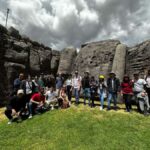
Group size matters here. With a maximum of 19 people, you’re less likely to get stuck behind a huge group while photos happen. It also makes it easier for the guide to keep track of questions, which is a big deal when you’re trying to understand how these sites connect.
You can also read our reviews of more tours and experiences in Cusco.

Stop 1: Chinchero archaeological complex—start with Inca-era roots
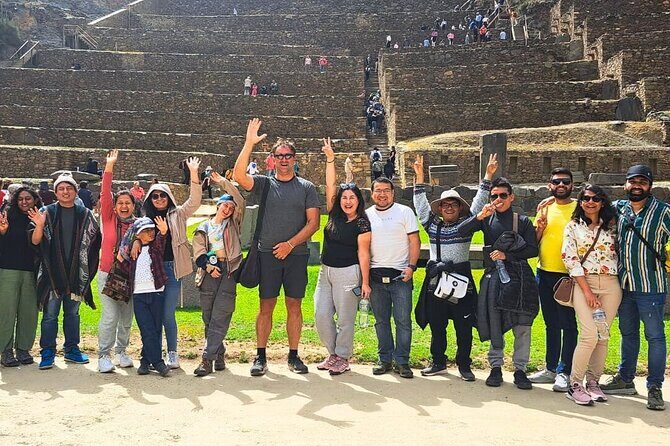
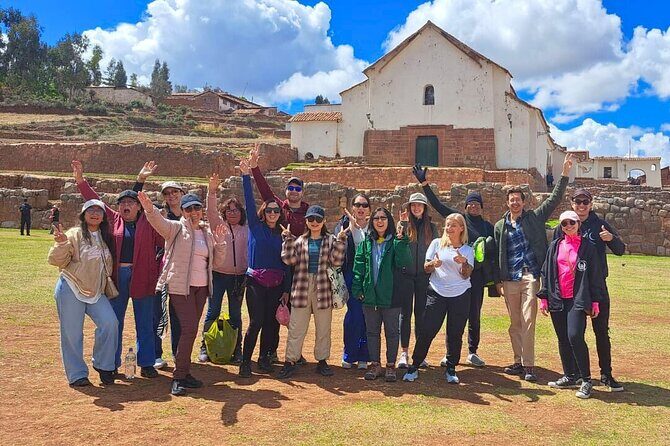
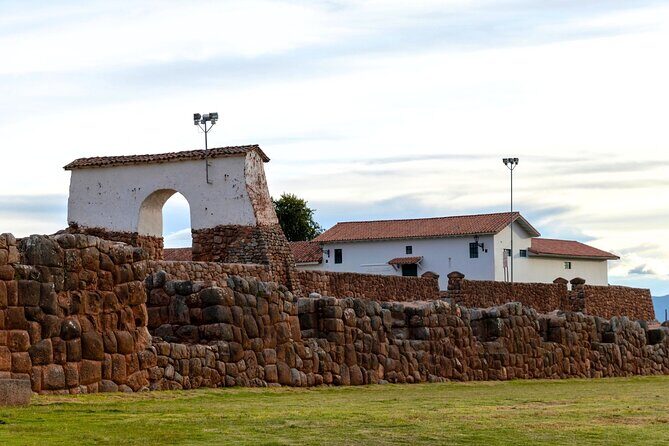
Your day begins with hotel pickup from central locations, then a drive to Chinchero for an archaeological stop lasting about 2 hours. This is a smart early choice because it sets the stage for the rest of the route: you’re seeing how highland communities lived and worked before the salt mines and terraces steal the spotlight later.
What to do here is easy: give yourself time to look slowly. In spots like this, the details are where the meaning lives—how spaces are arranged and how structures relate to the surrounding terrain. Since admission isn’t included, it’s worth budgeting for the partial tourist ticket if you plan to use it across multiple stops.
Chinchero is also a good test of your comfort level for the day. If you’re fine with steady walking and standing in cool morning air, you’ll be set for the hours that follow.
Stop 2: Moray terraces—why the circular pits matter
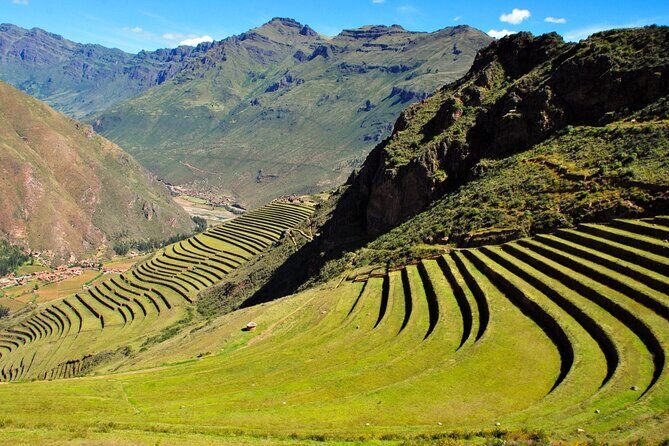
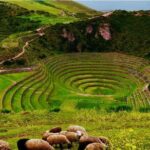
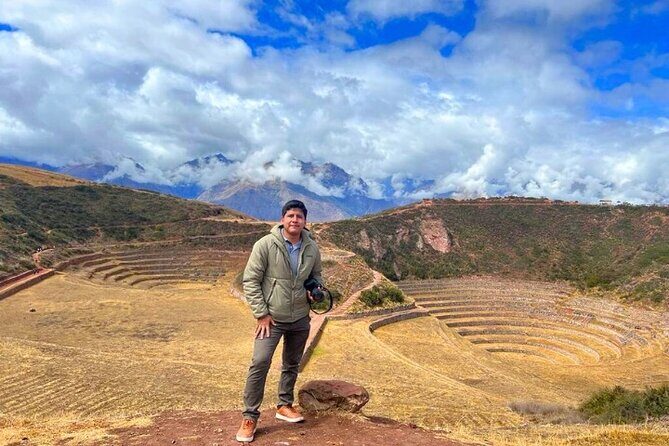
Next up is Moray, with about 2 hours on site. Moray is famous for its agricultural terraces—those stepped rings that look like something between an amphitheater and a science experiment.
This stop works best when you pay attention to function, not just form. The terraces are essentially about experimenting with growing conditions at different elevations and microclimates. That’s the kind of explanation a good guide helps with, and the tour’s guide is set up to do exactly that in both English and Spanish.
One practical note: because the terraces are outdoors, your visit will depend on weather and the day’s light. If it’s chilly, you’ll want layers you can handle while standing and walking between viewpoints. Also, since Moray’s admission isn’t included, check how your tickets plan to cover this area so you don’t get surprised mid-day.
Stop 3: Salinas de Maras salt mines—plan for the extra PEN 20 fee
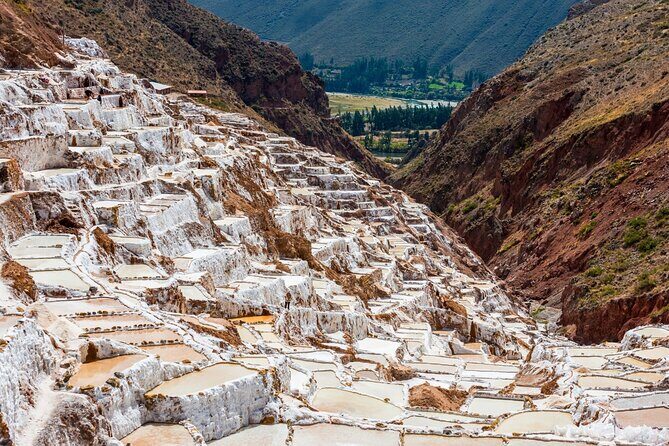
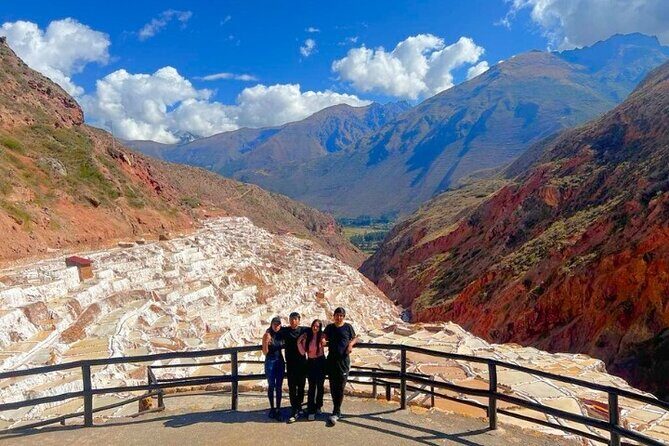
After Moray, you continue to Salinas de Maras, where you’ll spend about 1 hour among more than 3,000 salt wells. This is a fast stop by design, but it’s also one of those places where you’ll be glad you didn’t schedule just 15 minutes. The salt flats are visually striking, and the scale makes it easier to understand why this has been valuable for a long time.
You’ll need to budget PEN 20 per person for entry to the salt mines, since it’s not included in the $28 tour price. If you’re trying to estimate your total cost, this is one of the line items you should add up from the start.
How to get more out of that hour: don’t rush to the first viewpoints. Walk a little, pause, and look for patterns in the wells. The guide can help you understand what you’re seeing, but your best photos and best understanding will come from taking a beat and letting your eyes adjust.
Stop 4: Urubamba buffet lunch—where the day gets easier
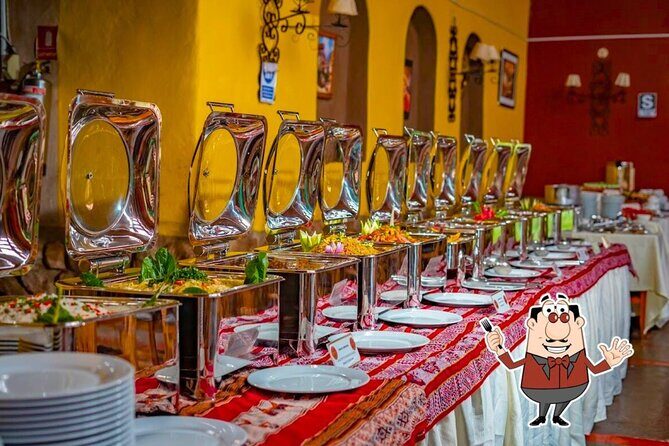
By mid-afternoon, you reach Urubamba for a buffet lunch that lasts about 1 hour. Lunch being included is a big value piece here, because Sacred Valley touring often means long drives plus unpredictable food stops. Having a set lunch slot reduces stress and keeps the schedule on track.
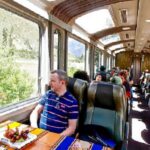
The buffet part matters too. It’s not a tiny plate of mystery food. The meal setup is described as sumptous with a clean restaurant and bathrooms, plus a good selection—details that help when you’re spending most of the day on your feet. If you’re the type who gets hangry before the afternoon, this lunch stop will feel like relief, not just a break.
A small strategy: eat a little earlier than you think you need to, then save your appetite for the afternoon. Once you reach Ollantaytambo and Pisac, you’ll likely want to focus on the sites, not on finding snacks in between.


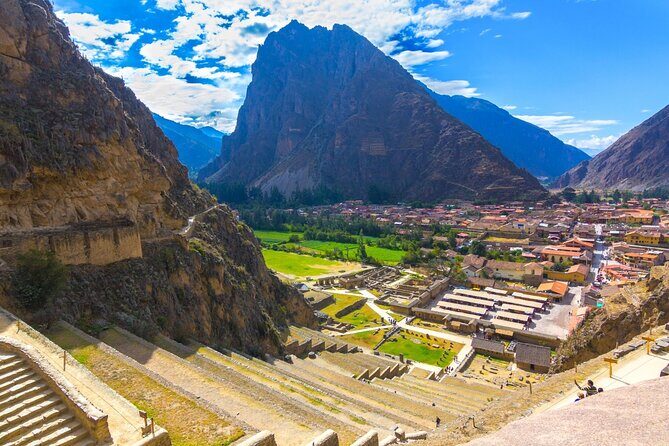
Stop 5: Ollantaytambo—the last living Inca city
Then it’s on to Ollantaytambo, billed as the last living Inca city, with about 3 hours at the archaeological park. This stop is longer because it’s a major anchor of the route, and it’s also the kind of place where a guide’s explanations make a huge difference.
Ollantaytambo tends to feel like you’re walking through a living timeline. Even if you’re not a hardcore archaeology person, you can still appreciate the layout and the way structures fit the terrain. With a bilingual historian-style guide, you’ll get context that turns stone into stories—how people moved, lived, and organized space.
Practical tip for this phase: wear shoes you trust. You’ll be walking, standing, and moving between viewpoints. Also keep your pace steady. Three hours is enough time to explore without sprinting, but it’s not a quick photo stop either.
Stop 6: Pisac archaeological complex—finish strong before the return
The final big archaeological stop is Pisac, with about 3 hours to explore. After that, you board transport and return to Cusco, with the tour ending around 7:00 pm. The ending point is listed as Los Portales II (Del Medio 177), and the tour also notes a culmination near Plaza de Armas / Regocijo square by the regional historical museum area—so plan on being dropped off in central Cusco.
Pisac is a great closer because it keeps the day feeling meaningful. By this stage, you’ve already seen farming terraces and the salt mines, so Pisac shifts the focus back to the larger Inca presence and how communities shaped important valleys over time.
Since Pisac admission isn’t included, make sure your entry plan is ready before you get too far into the afternoon. The partial tourist ticket is listed as PEN 70 per person, and Salinas has its own fee. If you’re budgeting, add these up early so you don’t do math under fatigue.
Price and value: what $28 covers, and what you should expect to pay extra
At $28 per person, this tour is positioned as good value for a full-day circuit. What you get for that base price is solid: tourist transport, buffet lunch, a professional guide (English & Spanish), a first aid kit, and hotel pickup from central locations. For many visitors, those pieces alone are worth more than you’d think because they remove the logistical hassle of coordinating rides and timing.
Still, the important part is knowing what’s not included. Several sites require admissions, including Salinas de Maras (PEN 20) and a Boleto Turístico Parcial (PEN 70) for PEN 70 per person, which is also not included. Those extra costs can change your total budget, so treat the $28 as the transportation-and-guiding core of the day, then add the entrance fees based on what you plan to use.
In plain terms: if you want a one-day Sacred Valley highlight loop with a guide and lunch, this price makes sense. If you’re traveling ultra-budget and plan to skip entries, your total experience may feel more limited—because the most important moments require tickets.
Comfort, timing, and group size: the behind-the-scenes stuff that affects your day
This tour caps at 19 travelers, which is a real quality lever. Smaller groups typically mean fewer people at each stop, less waiting time, and better chances your guide can adjust pacing if your group moves slowly or asks extra questions.
The van is described as comfortable, which matters on a day this long. The ride time adds up between the Cusco pickup at 6:30 am and the evening return around 7:00 pm, so comfort can reduce fatigue enough that you still enjoy the afternoon sites instead of just surviving them.
Your schedule also matters. The day includes multiple multi-hour stops (Chinchero 2h, Moray 2h, Ollantaytambo 3h, Pisac 3h). If you’re someone who needs breaks every hour, this may feel heavy. If you can handle a full stretch with breaks built in (especially lunch), you’ll likely feel just fine.
Who this Sacred Valley day fits best
I think this tour is best for you if you want a guided, structured day and you’re okay paying a few entry fees on top. It’s also a good choice when you prefer interpretation and context while walking around archaeological sites instead of just taking photos and moving on.
You’ll probably enjoy it most if you’re curious about how the Incas managed resources—especially since the route intentionally hits agriculture (Moray) and salt production (Maras) alongside the big archaeological complexes. That combination is the difference between a photo-heavy day and a day that makes sense.
If you’re traveling with mobility limitations or you hate long days, you might want to look for a shorter option. Most people can participate, but the itinerary is still packed and includes outdoor walking at multiple sites.
Should you book this tour?
I’d book it if you want a full Sacred Valley highlight day with a bilingual guide, included lunch, and a route that connects Inca sites to everyday resource-making like salt and farming terraces. The small group size and the comfortable transport also make the long day more tolerable.
I’d hesitate only if your budget can’t absorb the extra admissions (especially Salinas and the partial tourist ticket) or if you know you struggle with early starts and several multi-hour stops. For most first-time Sacred Valley visitors, though, this is a strong way to see a lot, learn a lot, and get back to central Cusco by evening.
FAQ
What time does the tour start?
It starts at 6:30 am from the meeting point in Plaza Mayor de, Cusco (near the Inca statue).
About how long is the tour?
The duration is about 12 hours.
Where do I meet the tour?
You meet at the Inca statue, Plaza Mayor de, Cusco 08002. The tour ends in central Cusco at Los Portales II, Del Medio 177 and also notes ending near Regocijo square.
What’s included in the price?
Included are tourist transport, buffet lunch, a professional guide (English & Spanish), a first aid kit, and hotel pick-up from central locations.
What admission fees are not included?
Salinas de Maras costs PEN 20 per person. A Boleto Turistico Parcial costs PEN 70 per person. Other site admissions are listed as not included too.
What sites are visited during the day?
The stops are Chinchero, Moray, Salinas de Maras, Urubamba (lunch), Ollantaytambo, and Pisac.
How big is the group?
The tour has a maximum of 19 travelers.
What is the cancellation policy?
You get free cancellation. You can cancel up to 24 hours before the start for a full refund.
Is the tour offered in English?
Yes. The guide is listed as English & Spanish.