REVIEW · CUSCO
Sacred Valley Private Tour, Moray & Salt Mines Incluided
Book on Viator →Operated by Oldstone Adventures · Bookable on Viator
A private Sacred Valley loop saves real time. This 10-hour day stitches together major Inca sites with hands-on stops like Chinchero’s natural-dye textile demonstration and the famous salt pools at Maras, so you get variety without the stress of changing plans. I also like the private car setup, which makes it easier to match the day to your pace instead of being boxed into a group itinerary.
One catch to budget for: entrance fees are not included, so you’ll likely pay for the Salt Mines ticket (S/20) and the main tourist ticket (S/70), then add lunch and tips.
In This Review
- Key highlights worth planning for
- Why this private Sacred Valley day fits real travel schedules
- Price and what to budget beyond the $125
- Stop-by-stop: how the route keeps the day moving
- Chinchero: natural-dye textiles and an Inca citadel
- Salinas de Maras: walking through the salt pools
- Moray: Inca microclimates, explained by the architecture
- Ollantaytambo: megaliths and the Sun Temple
- Pisac: terraces, temples, and a calm end to the day
- The guide and driver make or break this route
- Who should book this, and who might feel the strain
- Weather, crowds, and how to get the most from your morning
- Should you book this Sacred Valley private tour?
- FAQ
- FAQ
- What time does the Sacred Valley private tour start?
- How long is the tour?
- Is private transportation included?
- Are the salt mines and other site tickets included in the price?
- Is lunch included?
- Is this tour private or shared with other travelers?
- Is there a minimum number of people required?
- What weather requirements affect the tour?
- What should I do if I want to cancel?
Key highlights worth planning for
- Three big Sacred Valley citadels in one day: Chinchero, Ollantaytambo, and Pisac
- Moray’s microclimates, an Inca agricultural experiment that looks simple until you see the layout
- Salinas de Maras salt pools, where active salt harvesting still happens
- Private transportation with pickup and drop-off, so you’re not playing transit roulette
- Real flexibility with timing and stop order, including helpful support if entry fees trip you up
Why this private Sacred Valley day fits real travel schedules
Sacred Valley highlights are spread out, and that’s exactly why private transportation matters. When you go by yourself or join a big group, you spend energy on logistics: where to wait, when to leave, and how to make time for one stop without sacrificing another. Here, the format is built for a smooth flow from 7:00 am onward, using a dedicated driver and guide so the day stays “one plan,” not ten tiny plans that compete with each other.
I also like that this tour is designed around meaning, not just checkboxes. Chinchero isn’t only another set of ruins. You start with a textile center demonstration using natural dyes—plants and some minerals—then you move into the Inca citadel itself. That contrast helps the sites make more sense fast. Same idea with Moray: you’re not just looking at terraces, you’re seeing the logic of how the Incas experimented with farming across different conditions.
There’s also a practical bonus: with a private setup, you can spend longer where you want photos, slower if someone in your group needs breaks, and keep the pace from getting dragged by a large group’s pace. Based on how guides on this route work, it’s common for them to adjust the plan if your timing changes.
You can also read our reviews of more private tours in Cusco


Price and what to budget beyond the $125
The advertised price is $125.00 per person for a 10-hour private tour. That’s for the core experience: hotel pickup and drop-off plus private transportation and a professional guide/driver.
What’s not included is where your final cost can surprise you—so I recommend you plan a buffer from day one:
- Salt Mines ticket: S/20.00 soles per person
- Tourist tickets: S/70.00 soles per person
- Lunch: not included
- Tips: not included
If you add only those entry costs, you’re already looking at a meaningful extra day-of budget on top of the $125. The upside is that you’re paying for access to multiple major sites in a single day, with the transport and guiding handled. For many people, that’s better value than paying for separate day tours or trying to stitch together buses and taxis between Chinchero, Maras, Moray, Ollantaytambo, and Pisac.
My rule of thumb: if you want the best shot at seeing all of these highlights without losing time to transfers, the private format justifies the price.
Stop-by-stop: how the route keeps the day moving
This day is structured like a classic Sacred Valley highlights run: start early, hit the signature sites, and end back in Cusco after a lunch stop in between.
The timing is also pretty human. You have a shorter window at places that are easier to see quickly, and longer windows where there’s a lot to take in. Lunch is built in around Urubamba, with about 45 minutes allotted. That’s not a restaurant marathon, but it’s enough to eat and regroup before the next archaeological zone.
Also, keep in mind this tour is weather-dependent. When the day can’t be run as planned due to conditions, you should expect an alternative date or a full refund.
Now, let’s walk the stops in the order you’ll likely experience them.
Chinchero: natural-dye textiles and an Inca citadel
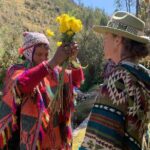
Chinchero is the kind of stop that can turn a “ruins day” into something richer because it starts with a craft you can actually picture. First you’ll head from Cusco to Chinchero (about 45 minutes), then you’ll visit a textile center for a demonstration focused on how alpaca wool dyeing was traditionally done using natural colors from plants and some minerals.
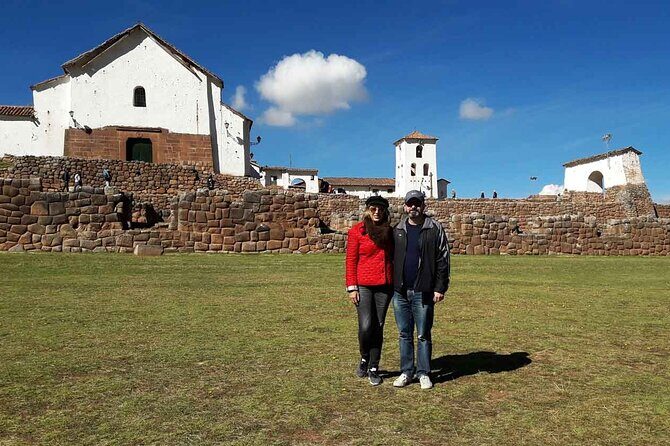
After that, you shift to the Inca citadel of Chinchero, with palaces, temples, and agricultural terraces. The terraces are especially helpful here: you’re not just learning that the Incas farmed—you’re seeing the architecture and slope logic that made farming work.
What to watch for: this stop includes a separate ticket for the archaeological/cultural entrance (not included in your base price). Also, it’s a good idea to think about how long you want to spend near viewpoints. Private guides can usually help you hit the best photo angles without rushing.
Salinas de Maras: walking through the salt pools
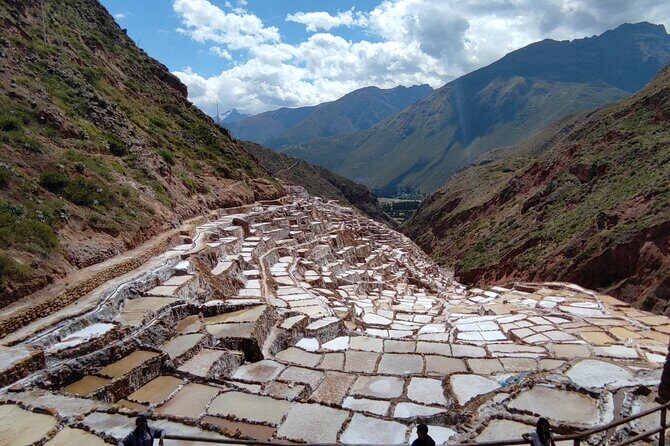
Next comes Salinas de Maras, about 25 minutes from Chinchero. This is the famous “salt mines” area, but what you’re seeing is more specific: around 3,000 salt pools cut into the hillsides.
The real appeal is that it’s not a dead museum site. The pools connect directly to salt harvesting methods that have been practiced for a long time, including during Inca times. You get a sense of how water works as a resource: salt forms as brine and evaporation do their thing, and the pools turn that process into a visible system.
Time is tight but fair—about 30 minutes is scheduled. If you like photography, you’ll want to use those minutes well: pick a couple of angles and keep moving rather than trying to see everything at once.
Key budgeting note: you’ll need the Salt Mines ticket (S/20.00 soles) for this stop.


Moray: Inca microclimates, explained by the architecture
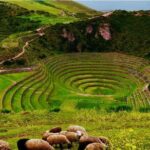
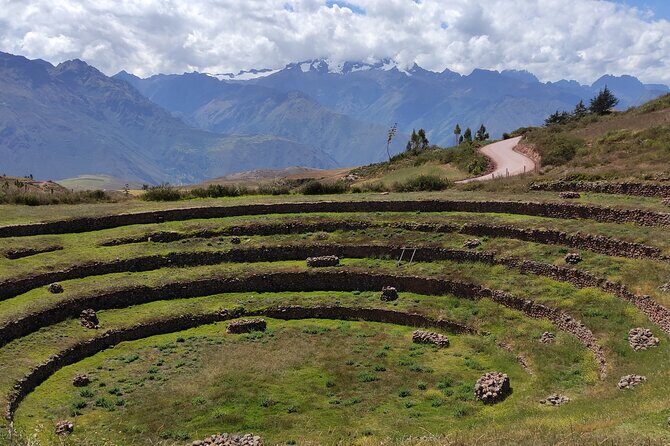
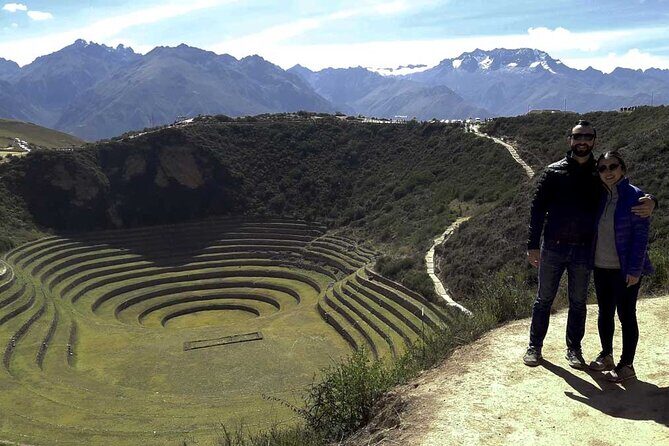
From Maras, you’ll head to Moray (about 30 minutes). Moray is one of those sites that looks simple until you understand the idea: it’s an Inca agricultural experimentation center built as a set of circular platforms. The platforms create different microclimates from top to bottom, allowing experimentation with conditions that affect crop growth.
This is where a guide earns their pay. Without context, you might see circles in a valley. With context, you start to connect the terraces to climate variation—why the Incas would design something like this rather than rely on a single farming approach.
The scheduled time is about 30 minutes. That’s enough to see the layout and understand the logic, especially with a guide who can explain what you’re looking at at each level.
Entrance here also requires a ticket, not included in your base price.
Ollantaytambo: megaliths and the Sun Temple
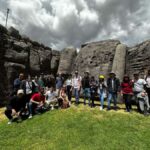
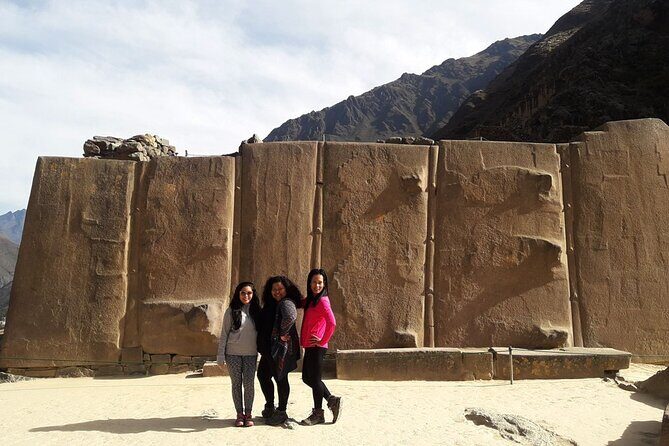
After Moray, you continue about 45 minutes to Ollantaytambo. This is one of the most impressive citadels in the region, and the standout detail is the scale of the stonework. You’ll see lithic blocks that can weigh between 80 and 100 tons, which makes the engineering feel real, not academic.
Ollantaytambo is also known for its astronomical temple dedicated to the Sun God. In plain terms: the site isn’t only about building defense or homes. It’s also about the way people organized space with the sky in mind.
You’ll have about 1 hour at this stop, and that’s the right amount of time if you want to walk around at an unhurried pace. If you’re the kind of person who reads everything on a sign, you might want a guide who can point out where to focus so you don’t lose time.
Again, plan on tickets not included.
Pisac: terraces, temples, and a calm end to the day
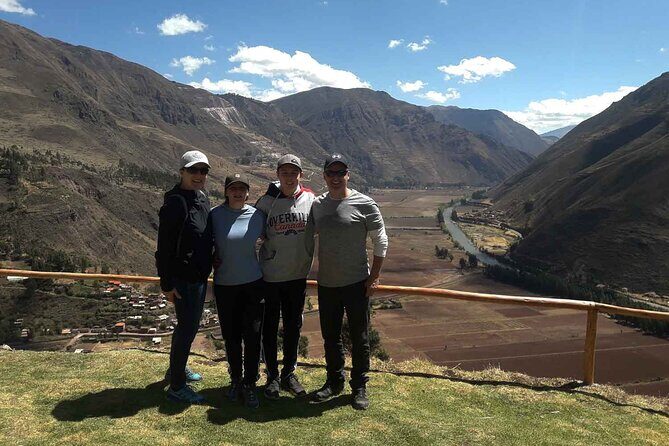
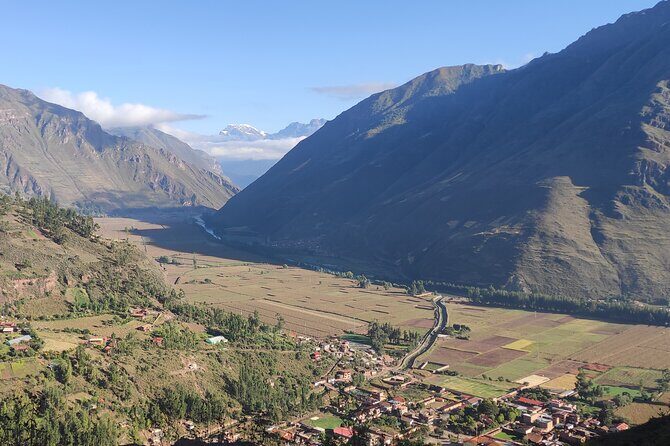
Finally, the tour heads to Pisac, about 30 minutes from the prior stop via the Urubamba area. There’s a 45-minute lunch window in Urubamba, and then you visit the archaeological zone of Pisac.
Pisac’s main draw is the combination of temples, palaces, and agricultural terraces. The terraces feel especially coherent after you’ve already seen Chinchero and Moray. By now, you’ve seen multiple ways the Incas used slopes and elevations, so Pisac becomes more than scenery—you start seeing patterns.
The time allocated here is about 1 hour, followed by the drive back to Cusco.
If you’re traveling with someone who’s tired by the end of a day, Pisac is a good closer. It has big “wow” visuals, but it also has areas where you can slow down, take in the stonework, and catch your breath before the ride back.
The guide and driver make or break this route
On a private Sacred Valley circuit, you’re not just hiring transport. You’re hiring someone to manage pace, context, and small issues that pop up when you’re in a different country.
A good example from how guides run this tour: guides such as Alfredo are known for adjusting the plan to match the group’s schedule, shifting the order of stops when needed, and pacing exploration so you spend time walking and learning instead of waiting. English support is a major plus if you want explanations that connect the sites to the bigger Inca story.
There’s also the safety and comfort factor. Since you’re in private transport, you’re not packed in with strangers, and it’s easier for the driver to take a smoother line through curves and stops.
The most practical thing I like is how this kind of guiding handles small emergencies. If someone runs short on cash for entry fees (and it happens), a proactive guide can help you solve it quickly, even by coordinating an ATM stop so the day doesn’t get derailed. The goal is to keep your sightseeing momentum.
In short: this tour works best when the guide treats your day like a plan you’re co-writing, not a script you must follow.
Who should book this, and who might feel the strain
This is a great match if you:
- Want major Sacred Valley highlights in one day without juggling buses or taxis
- Prefer a flexible schedule where your guide can adjust timing
- Like learning as you walk, not just standing at the gate
- Are traveling with a family group or mixed ages and want breaks built in
It may feel like a stretch if you:
- Have very limited endurance for a long day (10 hours) starting at 7:00 am
- Want a slow, deep study of one site (this route is multiple highlights, not one long deep-dive)
- Are extremely budget-sensitive after adding site tickets and lunch
Also, if you’re traveling with anyone who gets altitude-sensitive, plan to go easy and let your guide control the pace. A considerate guide tends to check in and adjust walking speed so you can keep enjoying the day.
Weather, crowds, and how to get the most from your morning
This tour requires good weather. If conditions are poor, the tour may be canceled and you’ll be offered a different date or receive a full refund. That matters because these sites are outdoors and the route depends on being able to move between stops smoothly.
Crowds are another reality. The early start helps. Starting in the morning means you’re in motion before the biggest rush hits certain viewpoints. Private transport also helps you avoid some of the long bottlenecks that happen when people arrive in waves on group schedules.
Packing-wise, the most useful strategy is simple: wear comfortable shoes and bring what you need to stay comfortable through a long day outdoors. You’ll be walking around several archaeological zones in succession.
Should you book this Sacred Valley private tour?
I think you should book it if your goal is a strong, efficient Sacred Valley highlights day: Chinchero for the textile demonstration and citadel, Salinas de Maras for the salt pools, Moray for the microclimates, Ollantaytambo for the megalithic scale and Sun Temple, and Pisac to close out with terraces and temples.
You’ll likely be happy with the experience if you value:
- Private transportation that reduces stress between scattered sites
- A guide who can tailor pacing and help you keep the day smooth
- Time built in for learning and photos, not just commuting
Before you book, do one quick reality check: entrance tickets, lunch, and tips are extra. If you’re okay budgeting for those, this tour is a good-value way to see a lot of what people come to the Sacred Valley for, with the comfort of a private schedule.
FAQ
FAQ
What time does the Sacred Valley private tour start?
The tour starts at 7:00 am, with hotel pickup included.
How long is the tour?
The duration is about 10 hours.
Is private transportation included?
Yes. Private transportation is included, along with a professional driver guide and hotel pickup and drop-off.
Are the salt mines and other site tickets included in the price?
No. The Salt Mines ticket is S/20.00 soles per person, and tourist tickets are S/70.00 soles per person.
Is lunch included?
No. Lunch is not included, but there is a planned stop in Urubamba with about 45 minutes for lunch.
Is this tour private or shared with other travelers?
This is a private tour/activity. Only your group will participate.
Is there a minimum number of people required?
Yes. The tour requires a minimum of 2 people.
What weather requirements affect the tour?
The experience requires good weather. If it’s canceled due to poor weather, you’ll be offered a different date or a full refund.
What should I do if I want to cancel?
You can cancel for a full refund up to 24 hours in advance of the experience’s start time.