REVIEW · CUSCO
Sacred Valley tour (Day Trip)
Book on Viator →Operated by Andes Peru Tour & Adventure · Bookable on Viator
Sacred Valley in a single, well-paced day sounds great—because it is. I like that you get Pisac Market and Ollantaytambo in one go, with a bilingual guide to translate the story behind the stones. I also like that lunch is included, so you can keep moving without hunting for food and getting stressed. The main catch: the big archaeological-site entry fees are not included, so you’ll want to budget for them.
This is built for travelers who want highlights fast, not a slow, days-long exploration. With a maximum group size of 12, it usually feels more personal than the giant bus tours. Just keep in mind the stops are time-boxed, so if you want to linger for hours, you may wish you had more days in the area.
In This Review
- Key highlights worth your attention
- One day in the Sacred Valley: what this $105 trip really buys you
- Pisac Market and the Inca terraces: why this stop works
- Ollantaytambo’s fortress setting and the water-temple idea
- Chinchero views, Sunday market, and the niches in the stone wall
- Manos De La Comunidad: alpacas, llamas, and a simple farm reset
- Timing, altitude, and how to not feel rushed
- Price and entry tickets: the real budget math
- Who this Sacred Valley day trip is best for
- FAQ
- What’s the duration of the Sacred Valley day trip?
- How much does the tour cost?
- What’s included in the price?
- Are entrance tickets to archaeological sites included?
- How long do the main stops last?
- What kind of guide will I have?
- What will I see at Manos De La Comunidad?
- Is this tour okay for most travelers?
- Should you book this Sacred Valley day trip?
Key highlights worth your attention

- Pisac’s Inca water-and-terrace system plus the daily rhythm of crafts at the market
- Ollantaytambo’s fortress setting between mountains, with temples and terraced areas to explore
- Chinchero’s quieter Sunday market and views out over the Sacred Valley and Salkantay
- Chinchero’s stone-and-church layers: an adobe colonial church over Inca foundations
- A short animal-farm stop at Manos De La Comunidad (llamas and alpacas), with admission included
- Small-group feel (up to 12 people) with a bilingual guide and lunch taken care of
One day in the Sacred Valley: what this $105 trip really buys you
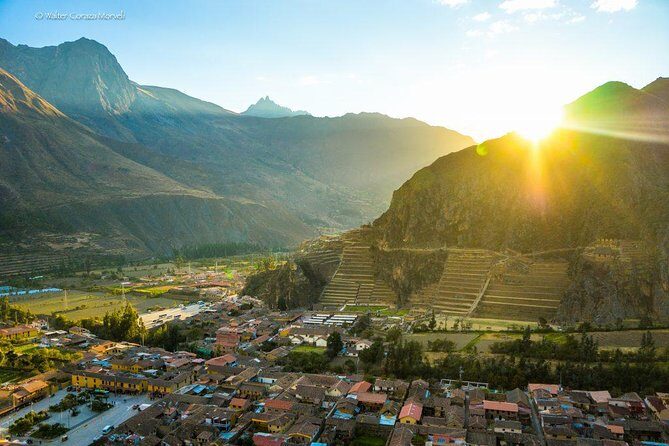
For $105 per person, you’re buying a guided highlights circuit—transport, a bilingual guide, and lunch included. The “value” part is that you don’t have to figure out timing between Cusco and the main Sacred Valley sights on your own. You also get an organized order of stops that makes sense geographically and keeps you moving through the day.
The tradeoff is how this kind of day trip works: you’ll cover a lot of ground, but you won’t have unlimited time at each site. With three major Inca-related stops plus a bonus weaving/animal-farm style stop, the day is active. If you love reading every stone inscription and want long, slow walks without checking the clock, you might find this feels tight.
Still, as an introduction to the Sacred Valley, it’s hard to beat—especially if it’s your first time around Cusco.
You can also read our reviews of more tours and experiences in Cusco

Pisac Market and the Inca terraces: why this stop works
Pisac is one of the best “start here” places in the Sacred Valley. The market sits in a picturesque town setting, and it’s known for long-running craft fairs, especially on Thursdays and Sundays. You’ll get a real sense of everyday life, not just a staged tourist bazaar.
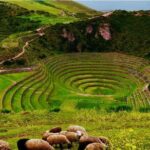
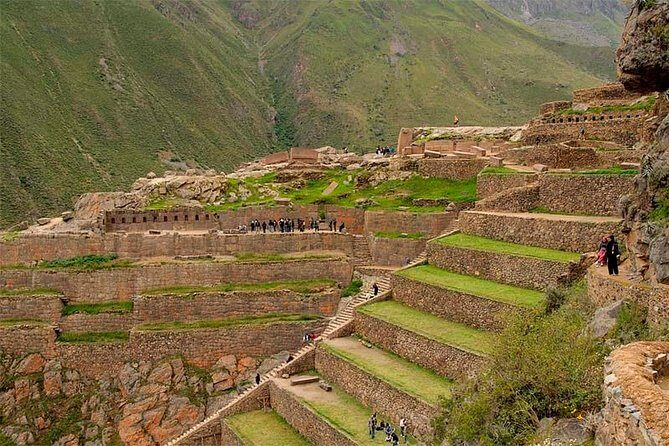
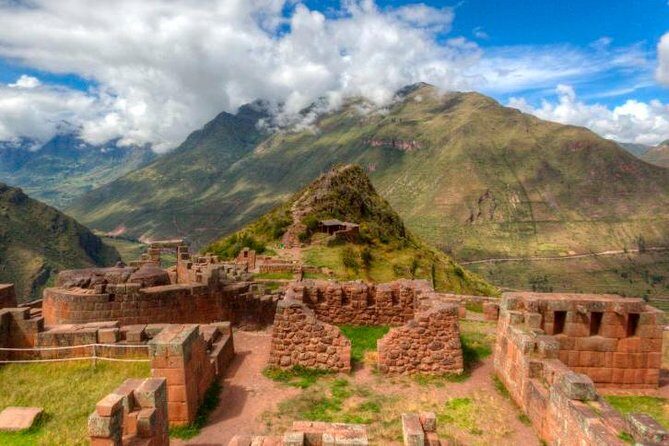
What makes Pisac more than shopping is what’s around it: the Inca archaeological area above the town. The description of the site points to an enormous Inca engineering system of terraces and irrigation channels that still supports agriculture even after centuries. The terraces are the headline, but the site also includes elements like the Intiwatana (described here as a major pre-Columbian cemetery) and features used for observation and ceremony, including a large solar clock or Intihuatana.
One detail I really like from the Pisac market context is the presence of Varayocs (local authorities) who go to listen to mass in Quechua. It gives the market a deeper cultural rhythm—like you’re watching community tradition, not just browsing souvenirs.
Time note: your Pisac stop is about 2 hours, and that’s enough for a market wander plus a basic sweep through the key viewpoints if you keep your pace. If you want to shop carefully (and not just collect magnets), bring your patience and decide what you actually want before you start.
Ollantaytambo’s fortress setting and the water-temple idea
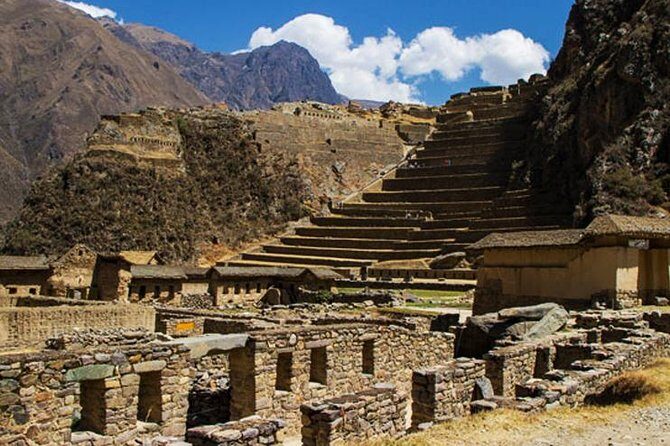
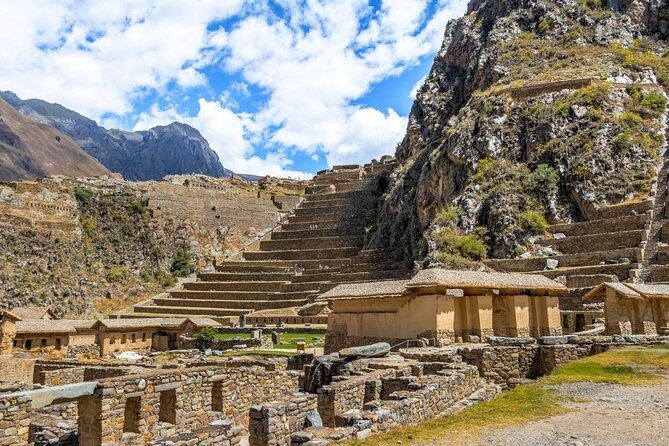
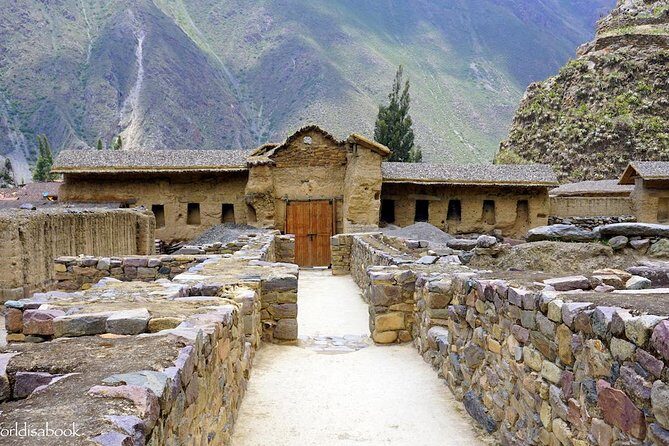
Ollantaytambo is the kind of place that makes you understand why the Incas were so focused on control of valleys. This is a village at 9160 feet, and the archaeological park is framed by a steep, dramatic valley entrance. That makes the ruins feel less like scattered rocks and more like a system designed to defend and manage space.
The highlight here is the mix of architecture and purpose:
- A fortress built between two mountains to guard the valley entrance.
- A ceremonial temple connected with water worship, with visitors climbing through layered terraces via a steep stairway.
You also have a set of named areas that help you read the site better: the Temple of Inti (the sun god), Incamisana, the baths of the Ñustas (princesses), and the Cachiccata funerary towers. Even if you don’t memorize every name, the guide can help connect the dots so you see why these locations mattered.
There’s also a natural-mountain element: the mountain called Pinculluna (also referred to as Tunupa), where Inca architectural remnants seem to function like a storehouse for food. That’s a useful detail because it shows the “Sacred Valley” concept wasn’t only ceremonial—it was practical, too.
Time note: your Ollantaytambo stop is about 2 hours. That usually means you’ll get a good orientation, then time to walk and take photos. If you’re the type who loves climbing every terrace route, you may wish for a longer visit.
Chinchero views, Sunday market, and the niches in the stone wall
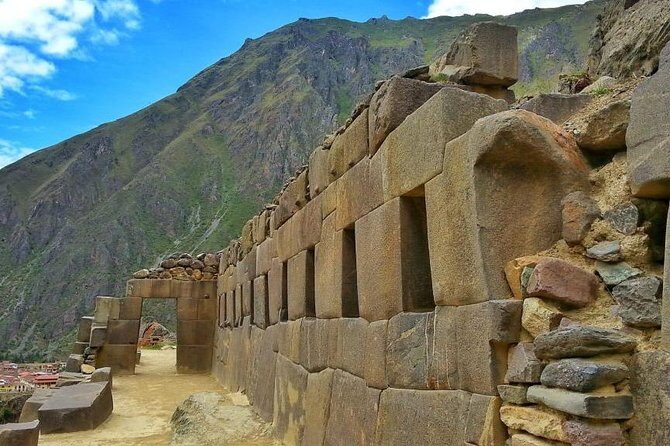
Chinchero adds a different flavor to the Sacred Valley. It’s a small Andean village high up on the plains of Anta at 3765m, about 30km from Cusco. The payoff is the scenery: you can look out over the Sacred Valley, with the Cordillera Vilcabamba and the snow-capped peak of Salkantay in the western horizon.
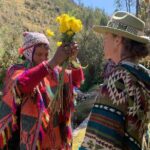
Tour-wise, the big draw is Chinchero’s Sunday market. The market is described as colorful but less tourist-oriented than Pisac, which is great if you want crafts and daily life with a slightly calmer feel. You’ll see locals working in traditional dress and mud-brick/adobe housing that gives the village a real “still here” quality.
Chinchero also has a strong Inca and early colonial overlap. In the main plaza, there’s a massive stone wall with ten trapezoidal niches, and the ruins are attributed here to Inca ruler Tupac Yupanqui (as described in the tour information). On top of those older foundations sits an adobe colonial church from the early seventeenth century. The ceiling and walls carry floral and religious designs, and it’s open on Sundays for mass.
One extra cultural thread I like: Chinchero is believed to be the mythical birthplace of the rainbow. Even if you take the myth as myth, it adds meaning to what you’re seeing—people here clearly connect stories, land, and ceremony.
Time note: your Chinchero stop is about 2 hours, and there’s also mention of a half-hour walk to Lake Piuri. The lake walk itself is described as around 3 hours, so it’s not really something you’d add unless you’re traveling with a different schedule. For this tour, plan on soaking up the village, the plaza ruins, and a solid view run.
Manos De La Comunidad: alpacas, llamas, and a simple farm reset
Between big ruins, you need a break that doesn’t involve stairs and wind. This tour includes a stop at Manos De La Comunidad for about 30 minutes, with admission included.
The focus here is animals: you’ll see llamas and alpacas on the farm. Even if you’ve seen alpacas before, this is the kind of stop that resets your energy. You get a calmer, more hands-on feel before you head back toward Cusco.
If you buy anything related to weaving later, this sort of stop also helps you connect the product to the source. Still, keep expectations realistic: 30 minutes is short, so treat it as a quick look and a friendly break, not a full farm experience.

Timing, altitude, and how to not feel rushed
This day trip is designed for efficiency: about 8 hours on the calendar, with roughly 2 hours at Pisac, 2 hours at Ollantaytambo, 2 hours at Chinchero, plus the 30-minute Manos De La Comunidad stop and transport time. That schedule is good for first-timers, but it also means you’ll need to be ready to move.
Altitude is part of the story in the Sacred Valley, even on day trips. Your stops include Chinchero at 3765m and Ollantaytambo at 9160 feet, so plan for cooler air and take it easy on the first half of the day. Hydrate, keep a steady pace, and don’t force a “hardcore hike” style walk just because you’re excited.
One practical tip: at each archaeological site, choose your “must-see” views early, then spend the rest of the time in a calmer loop. If you try to photograph everything from every angle, the clock will catch you.
Also, keep in mind that the archaeological entry fees aren’t included. If you show up unprepared, that’s the easiest way to turn a fun day into a stressful one. You’ll feel better if you’ve already budgeted for tickets before you board.
Price and entry tickets: the real budget math
The tour price is $105 per person, and it includes transport, a bilingual guide, and lunch. The big add-on is entrance fees for the archaeological sites: $18 for the day access (with a stated alternative of a $39 option for 10 days access).
That changes the true cost slightly, depending on what ticket format you buy and what else you plan to see in Peru during your trip. If you’re only doing one major day in the Sacred Valley, the day access makes sense. If you’ll visit multiple sites over several days, the 10-day option might help.
The value question here is simple: are you paying for convenience and interpretation? You are—because you’re getting transport, guide support, and a structured route that strings together the region’s most famous places. As long as you factor in the ticket cost ahead of time, you end up with a strong “see the highlights, learn the meaning” day.
Who this Sacred Valley day trip is best for
Book this if:
- You’re short on time in Cusco and want a guided highlights loop.
- You want the Sacred Valley sites explained with enough context to understand what you’re looking at.
- You like a small group pace (up to 12) and appreciate lunch being handled.
Skip it or consider a different format if:
- You want long, slow exploration at one site.
- You hate feeling time-boxed and prefer to travel independently.
- You’re the type who needs hours of solitude per ruin rather than a guided overview plus photos.
It’s a smart first-step tour for many people—then you can come back for deeper visits if you fall in love with a specific place.
FAQ
What’s the duration of the Sacred Valley day trip?
It runs for about 8 hours.
How much does the tour cost?
The price is $105.00 per person.
What’s included in the price?
It includes transport, a bilingual guide, and lunch. It also includes admission for the Manos De La Comunidad stop.
Are entrance tickets to archaeological sites included?
No. Entrance tickets for sites are not included, listed as $18 for day access (and $39 for 10 days access).
How long do the main stops last?
The tour lists about 2 hours at Pisac Market, about 2 hours at Ollantaytambo, and about 2 hours at Chinchero, plus about 30 minutes at Manos De La Comunidad.
What kind of guide will I have?
You’ll have a bilingual guide.
What will I see at Manos De La Comunidad?
You’ll see a llamas and alpakas farm, with admission included, for about 30 minutes.
Is this tour okay for most travelers?
The info provided says most travelers can participate.
Should you book this Sacred Valley day trip?
Yes—if you want a guided highlights day that actually helps you understand what you’re seeing, not just check boxes. The best reason to book is the combination of small-group pace, included lunch, and a route that hits Pisac, Ollantaytambo, and Chinchero in one coherent day.
Just do one thing before you go: budget for archaeological-site tickets. Once you’ve handled that, you can enjoy the day for what it is—an efficient, meaningful introduction to Sacred Valley Peru.