REVIEW · CUSCO
Short Inca Trail 2 days
Book on Viator →Operated by Peru Top Experience · Bookable on Viator
A short Inca Trail can still feel like the main event. You get the early-start trek up to Intipunku for that first dramatic view of Machu Picchu, then day two takes you inside the citadel with time for the big photo angles.
Two things I really like: the guided pacing through the historic waypoints, and the fact that you’re not guessing logistics because transfers, meals, and key timing are handled. One thing to consider up front is that even though it’s only 2 days, the route is still a real hike at altitude, so moderate fitness matters.
Guides make the difference on routes like this. In this itinerary, people consistently highlight patient, experienced guiding (including names like Mileny, Jaime, Manuel, and Jorge) and breaks that help you keep moving without feeling rushed. My one caution: the start is very early and the climbs include steep sections, so if you’re prone to altitude discomfort, plan to go slow, hydrate, and follow your guide’s lead.
In This Review
- Key Highlights You’ll Care About
- Why This Short Inca Trail Still Feels Like the Real Track
- Day 1: Cusco to Km 104, With Breakfast and a Proper Climb
- Chachabamba: A Smaller Site That Adds Big Context
- Wiñaywayna: The Rest Stop That Doesn’t Feel Like a Stop
- Intipunku to Aguas Calientes: The First Real Machu Picchu Moment
- Day 2: Riding Up, Then Walking the Machu Picchu Circuit
- Price and Value: What $640 Gets You (and Why It’s Not Just the Hike)
- Who This Short Inca Trail Fits Best
- Should You Book This Short Inca Trail 2 Days?
- FAQ
- What’s the duration of the Short Inca Trail 2 days?
- How much does it cost?
- How early does the tour start in Cusco?
- Is this tour private?
- What meals are included?
- Are safety items included for altitude concerns?
- Do I need to bring walking poles?
Key Highlights You’ll Care About
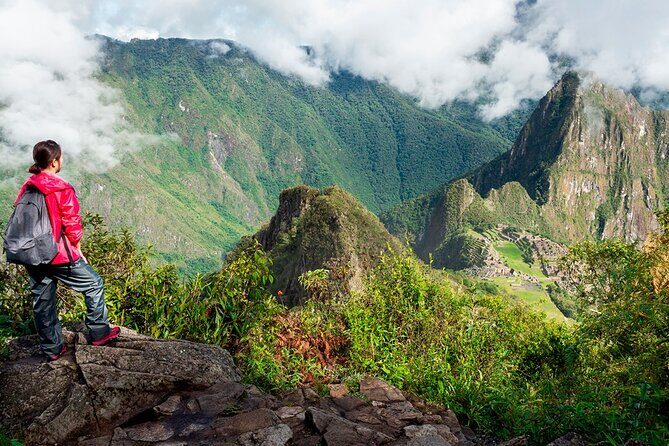
- Intipunku, Puerta del Sol viewpoint: the classic first reveal of Machu Picchu from the trail.
- Chachabamba and Wiñaywayna: smaller Inca sites that add meaning without requiring extra days.
- Watchman’s House photo time: a focused ascent on day two for the most famous angles.
- Oxygen cylinder + first aid kit: a practical safety layer for altitude concerns.
- Private group setup: you move at your group’s pace, not a rigid conveyor belt.
Why This Short Inca Trail Still Feels Like the Real Track
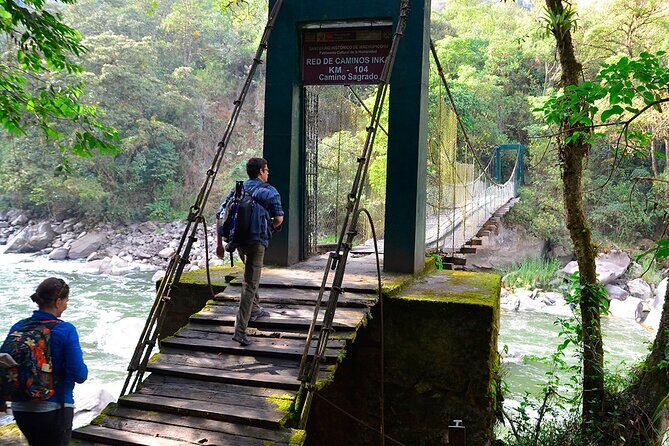
Let’s be honest: when people say short, you might worry it’s all speed and no soul. This one doesn’t feel that way because it hits the heart of the classic sequence—rising from the valley, passing Inca waypoints, cresting toward Intipunku, then finishing at Machu Picchu for the second-day circuit.
The altitude profile is one reason it works. You start low enough to warm up, but you still climb high during the day—Chachabamba sits around 2170–2250 meters (7119 feet), Wiñaywayna around 2650 meters (8692 feet), and Intipunku around 2745 meters (9005 feet). Then Machu Picchu is about 2430 meters (7972 feet), with Aguas Calientes around 2040 meters (6692 feet). That gives you a real sense of moving through zones, not just walking in a straight line.
And because it’s a private tour, the flow is steadier. You’re not fighting for space in a crowd the whole time. Guides can pace breaks for the group, and that matters when the climb starts early.
You can also read our reviews of more tours and experiences in Cusco

Day 1: Cusco to Km 104, With Breakfast and a Proper Climb
Day one begins very early in Cusco. The schedule is built around getting you to the Inca Trail entrance on time, and you’ll start the day with transport that takes you to the Ollantaytambo sector.
At Ollantaytambo you get free time to have breakfast at the station. After that, you board a tourist train to reach km 104—the start point for the hike portion of the day. This is one of the smartest parts of the route because it reduces the pressure of day one and leaves your energy for the actual walking.
From there, the plan is a climb in stages:
- Chachabamba as your first historical stop
- Continue upward to Wiñaywayna, which is also your resting point
- Push higher to Intipunku, where you get the panoramic view toward Machu Picchu
- Descend and transfer by bus to Aguas Calientes, where you stay overnight
You’ll also be given a box lunch during the day at the Wiñaywayna resting point. That detail matters more than it sounds. When food is timed well, you’re less likely to start feeling shaky or distracted mid-hike.
Time on the day is about 7 hours for this segment, and you’ll have dinner included for that first evening in Aguas Calientes.
Chachabamba: A Smaller Site That Adds Big Context
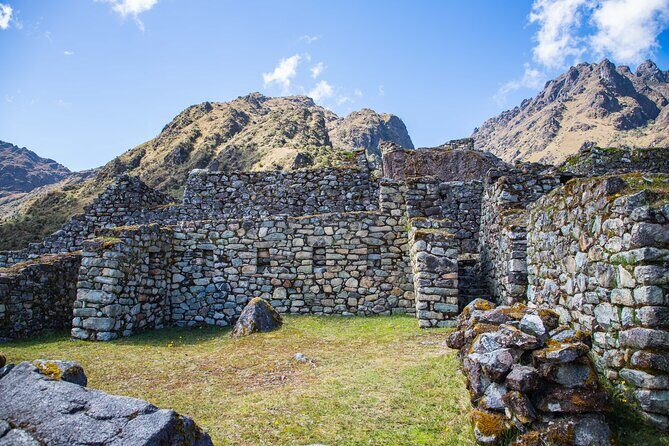
Chachabamba may not be as famous as Machu Picchu, but it plays the role of meaning-making early in the trek. It’s an Inca control-and-worship site on the road leading to Machu Picchu, located around 2250 meters (the itinerary lists roughly 2170 meters in one place, but it’s in the same altitude band overall).
What you’ll appreciate here is the way it sets the tone. You’re not just hiking between landmarks—you’re moving through a system of Inca religious and agricultural beliefs. The key idea: this was a place associated with worship and cult practices, possibly tied to agriculture and fertility.
Even if you’re not the type who reads every sign, this stop gives you something to look for as the trail climbs. It makes the later viewpoints feel less like scenery and more like a route with purpose.
Wiñaywayna: The Rest Stop That Doesn’t Feel Like a Stop
Wiñaywayna—meaning Forever Young in Quechua—is one of the best “short” trek advantages. You reach it after the first climb, it gives you a meaningful site to visit, and it’s timed as a resting point.
Altitude here is about 2650 meters (8692 feet). The tour allocates about 1 hour at Wiñaywayna, and that’s enough time to connect the architecture and setting without feeling like you’re constantly stopping.
You’ll also eat your scheduled box lunch around this point. In a 2-day trek, lunch timing is everything. If you eat too early, you fade before Intipunku. If you eat too late, you get hungry at the worst time—when the climb feels steepest.
From Wiñaywayna, the route continues with the final ascent toward Intipunku.
Intipunku to Aguas Calientes: The First Real Machu Picchu Moment
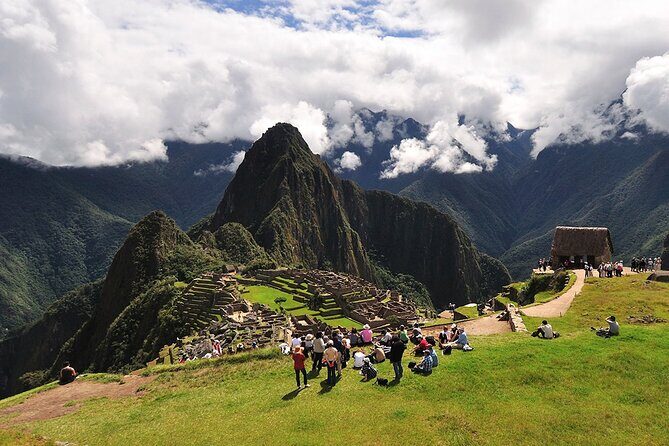
Intipunku is the Gate of the Sun. Even if you’ve seen Machu Picchu photos online, the view from here hits differently because you’re seeing it as a destination at the end of a climb you just earned.
The point itself sits around 2745 meters (9005 feet). Your tour includes a visit here after the ascent, and from Intipunku you get a panoramic look at the citadel.
Then the day turns practical. After the descent begins along the path to a control point, you can board a tourist bus to reach Aguas Calientes (about 2040 meters / 6692 feet). This keeps day one from becoming a forced endurance contest.
Once in Aguas Calientes, you check into a selected comfortable hotel and rest. Dinner is included, so you’re not worrying about where your first real meal after the hike will land.





Day 2: Riding Up, Then Walking the Machu Picchu Circuit
Day two starts with an early bus ride from Aguas Calientes back to Machu Picchu. You go to the bus station, return to the citadel, and start with an ascent to one of the most photogenic zones: the watchman’s house area.
This is one of the clearest “why this tour works” moments. Instead of wandering immediately, the route aims you toward a key photo viewpoint from the beginning. You then visit major areas of the citadel, including:
- the main square
- the sundial
- the royal quarters
- the Intihuatana
- the Temple of the 3 Windows
- the Condor area
The visit is about 2 hours on a regular basis, but this tour extends it so you can enjoy closer to 3 hours total inside Machu Picchu. That extra time is important if you like to take photos slowly, ask questions, or just pause and absorb details.
Afterward, you go back down to Aguas Calientes by the same path to have lunch on your own expense around 2:00 p.m.
Then you return by train to Ollantaytambo and finish with the tourist bus back to Cusco.
This is also where the guidance quality really shows. In the best-led versions of this experience, the guide keeps the flow smooth, with enough breaks to stay comfortable—people specifically mention proper breaks and plenty of time for pictures with guides like Jaime, Manuel, and Jorge.
Price and Value: What $640 Gets You (and Why It’s Not Just the Hike)
At $640 per person, the price isn’t low. But for many people, it’s a fair trade because this is not only a trek ticket. It’s a timed, coordinated package that covers the hard-to-organize parts.
Here’s what’s included:
- dinner, breakfast, lunch
- hotel pickup
- first aid kit and oxygen cylinder
- transportation between stages of the itinerary
- dietary variety if you request it (vegetarian and restrictions)
- a private setup for your group
It also helps that Machu Picchu entry is marked as included/free within the schedule for the tour’s key stops, so you’re not juggling separate admissions once you’re booked.
Two value checks you should do before you commit:
- Do you like the idea of having meals and transfers handled? If yes, the price feels more reasonable. If you prefer self-planning everything, this may feel expensive for a 2-day format.
- Do you want a guide who slows things down? Reviews repeatedly mention experienced, patient guiding and paced hiking, which is the difference between a stressful climb and a controlled one at altitude.
What’s not included:
- walking poles (you can add them for $15)
If you’re the kind of hiker who likes stability on descents, poles can be a small comfort boost. They’re optional, but they can help if your legs feel beat up on day one.
Who This Short Inca Trail Fits Best
This is a great match if you want:
- Machu Picchu in 2 days without losing the Inca route feeling
- a guided experience with stops that explain what you’re seeing
- a private group pace rather than a crowded scramble
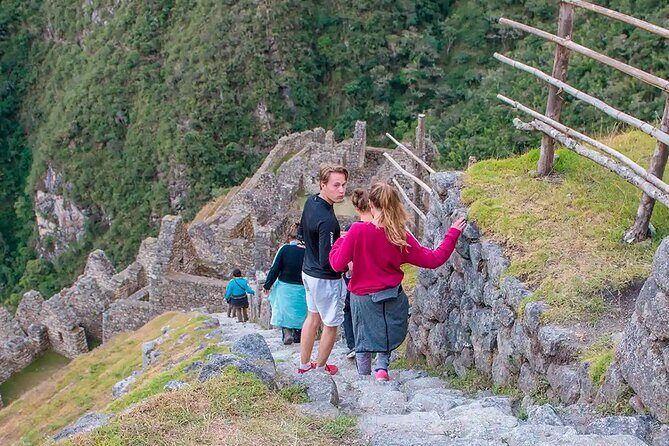
The route requires moderate physical fitness, and day one includes an early start plus a climb from Chachabamba up to Intipunku. If that sounds like your kind of challenge, you’ll likely enjoy it. It’s also a smart pick for first-timers to Machu Picchu who don’t want to figure out how to link train, bus, sites, and timing.
If you’re dealing with major mobility limits or you know you struggle with altitude even at lower exertion levels, I’d think twice. Not because the tour is unsafe—there’s an oxygen cylinder and first aid kit—but because the day still includes meaningful elevation and steep sections.
Should You Book This Short Inca Trail 2 Days?
I’d book it if you want a compact Inca experience that still hits the key moments: Chachabamba, Wiñaywayna, Intipunku’s view, and a well-timed Machu Picchu visit that includes the watchman’s house photo angle and the main circuit.
I would pause if you’re hoping for an easy walk. Even short treks in this altitude band can feel demanding, especially with an early start. Also note that your lunch around return to Aguas Calientes on day two is on your own expense.
If you’re flexible on pacing and you like guided structure, this is a strong way to do Machu Picchu without turning the trip into a logistics puzzle.
FAQ
What’s the duration of the Short Inca Trail 2 days?
It’s listed as 2 days approximately.
How much does it cost?
The price is $640.00 per person.
How early does the tour start in Cusco?
The experience operates with opening hours starting at 4:30 AM, and day one begins very early from Cusco.
Is this tour private?
Yes. It’s a private tour/activity, and only your group participates.
What meals are included?
Dinner, breakfast, and lunch are included.
Are safety items included for altitude concerns?
Yes. The tour includes a first aid kit and an oxygen cylinder.
Do I need to bring walking poles?
Walking poles are not included. You can include them for $15.00 dollars.