REVIEW · CUSCO
Ausangate Trek And Rainbow Mountain 5 Days – All Inclusive
Book on Viator →Operated by Peru Hike · Bookable on Viator
Rainbow Mountain is the warm-up, not the main event.
I like how this trek blends huge Andean scenery with real comfort for cold nights: you get full camping setup, a professional chef, and daily wake-up tea. I also like the rhythm of the route—big passes, glacier lakes, and an early push to see Vinicunca before the crowds do their thing. One catch: it is cold, and altitude is not a side note. Pack for serious chill and plan to acclimatize in Cusco.
In This Review
- Key Highlights You’ll Actually Feel
- Getting Out of Cusco: 4:30 a.m. Start and Trek-Starter Logistics
- All-Inclusive Camping Details: Tents, Sleeping Pads, and Tea on Demand
- Altitude Reality Check: Passes Near 5,200 m and How to Prepare
- Day 1: From Auzangate Area to Aarapa Pass and Yana Cocha
- Day 2: Pucacocha Sunrise, Pass Views, and Suinecocha Camp
- Day 3: Rainbow Mountain (Vinicunca) at First Light and Red Valley Photos
- Day 4: Palomani Pass Ceremony, Alpaca Valleys, and Qampa Camp
- Day 5: Seven Lagoons of Ausangate, Qollquecuz Views, and Pacchanta Hot Springs
- Food, Water, and Small Comfort Wins That Matter at 5,000 m
- Price and Value at $750: What You Pay For (and Why It’s Not Just a Ticket)
- Who This Trek Fits Best (and Who Should Rethink It)
- Should You Book This Ausangate and Rainbow Mountain 5-Day Tour?
- FAQ
- What time do you pick me up in Cusco?
- Is this tour private?
- Are meals included, and are they vegetarian or vegan?
- Is the entrance ticket to Rainbow Mountain included?
- What’s the highest point on the trek?
- What should I bring for sleeping outside and cold weather?
Key Highlights You’ll Actually Feel

- 4:30 am departures from Cusco mean you’re hiking early, when trails are calmer and views are crisp.
- All-inclusive camp comfort: PRO Air sleeping pads, sleeping bags, pillows, tents, warm night gear, plus tea and snacks daily.
- Ausangate circuit passes near 5,200 m bring big rewards—if you pace yourself and respect the altitude.
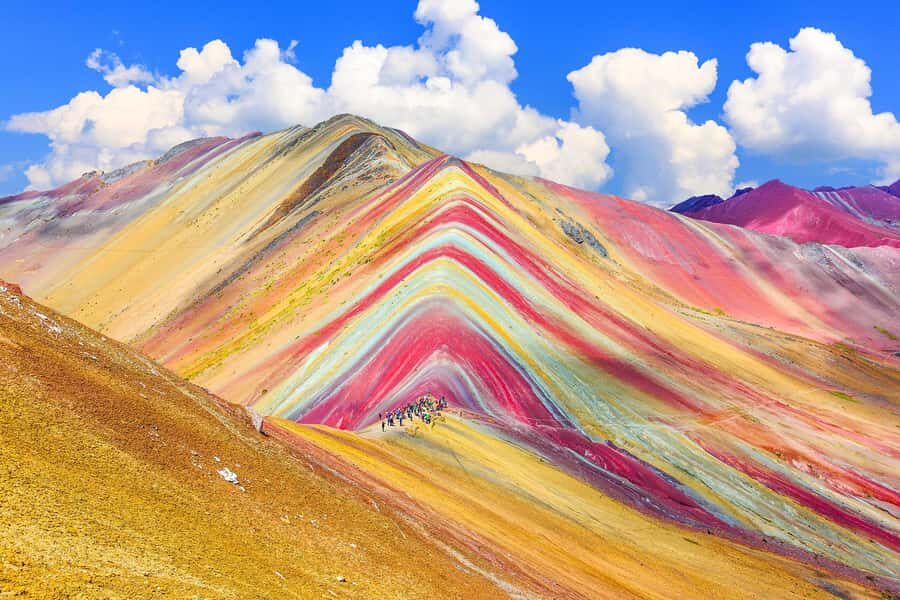
- Rainbow Mountain (Vinicunca) at first light with coffee time and guide explanation at the viewpoint.
- Cultural moments at high passes, including a small offering ceremony to the mountains and Pachamama.
- Pacchanta hot springs help your legs recover after the last long stretch.
Getting Out of Cusco: 4:30 a.m. Start and Trek-Starter Logistics

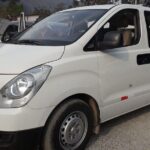
Pickup is at 4:30 am at the Plaza de Armas area. Then you ride about 3 hours to the trek start, which matters because your body will be awake but not rushed into a steep climb too fast. Expect breakfast after the drive, then you’re off on the trail with a clear plan for the day.
This is a private tour, so you’re not sharing the experience with random strangers. You also get a duffle bag per person, which is a small thing that helps you stay organized when you’re tired and cold.
If you like sleep, tell yourself this: the early start buys you calmer hiking and better light for photos later.
You can also read our reviews of more hiking tours in Cusco
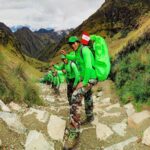
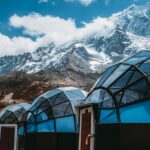
All-Inclusive Camping Details: Tents, Sleeping Pads, and Tea on Demand
Let’s talk comfort, because at these altitudes it can be the difference between grumpy and joyful. The trek includes sleeping pad (Therma-Rest brand), sleeping bag, pillows, and 4-season PRO tents. You also get polar sheets for every traveler and rubber warmers for the night, plus trekking sticks to steady your steps.
On top of that, the camp vibe includes little boosts: wake-up tea every morning, water on the trail daily, snacks each day, and tea time or happy hour every afternoon. One guide-cook team approach that comes through in the experience is that they actively try to keep you warm and settled at camp—like hot drinks at the right time, and cozy-night touches reported by earlier hikers.
What I like most: you’re not stuck piecing together gear rentals or guessing whether your camp setup is legit. The tour handles it so you can focus on hiking and views instead of shopping.
Altitude Reality Check: Passes Near 5,200 m and How to Prepare
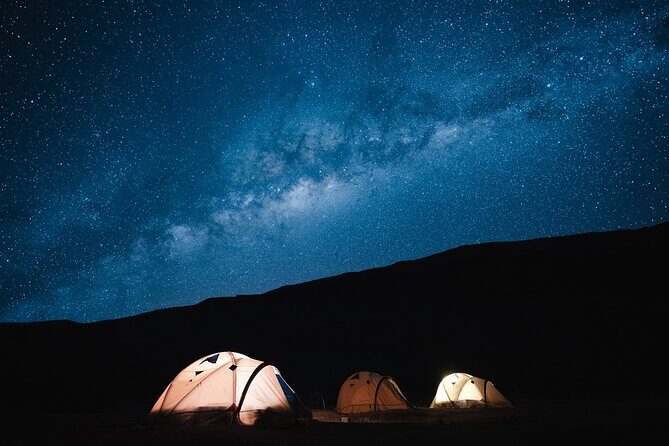
This trek runs through high elevations, roughly from the 4,500 m range up to about 5,200 m. You’ll walk multiple days with 5–6 hours of hiking and several climbs that test your breathing more than your legs.
The operator provides extra oxygen and a medical kit / first aid kit, which is reassuring. But extra oxygen is not magic. You still need good acclimatization habits.
Here’s the practical advice I’d follow before booking any high pass trek:
- Spend a bit of time in Cusco before the hike so your body has time to adjust.
- Keep a steady pace on climbs and don’t treat each ascent like a race.
- Dress for cold first, warmth second, style last.
A recurring theme from the experience: cold is usually the main discomfort, even when the distances don’t look extreme on paper.
Day 1: From Auzangate Area to Aarapa Pass and Yana Cocha

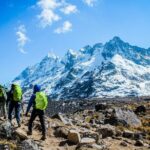
Day 1 starts with a flat trail feel at the beginning, which helps you ease into the altitude before the day’s real work. You’ll then take on a 2-hour climb to Aarapa Pass (4,800 m / 15,748 ft).
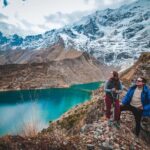
After that, you continue on mostly flatter hiking toward Yana Cocha (4,570 m / 14,993 ft), a campsite surrounded by snow peaks and colorful lakes. Your day totals about 5–6 hours of walking over roughly 15 km / 9.32 mi.
Why this day is important: it’s your acclimatization plus your first taste of how the circuit moves. The first pass teaches you pacing. If you go out too fast, you feel it more on nights later.
Day 2: Pucacocha Sunrise, Pass Views, and Suinecocha Camp

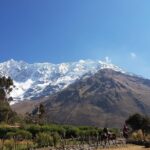
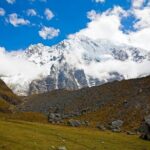
Day 2 begins very early, with tea or coffee so you can catch sunrise over the lakes and glaciers. After breakfast with Ausangate in view, you hike uphill to Pucacocha Pass (4,870 m / 15,977 ft).
From there, you get your first major “big picture” moment—wide views across the Ausangate region. Then it’s downhill to Hananpa camp for lunch, followed by another uphill push to Warmisaya Pass (4,985 m / 16,354 ft). From Warmisaya, you can see Rainbow Mountain in the distance, long before you walk to it.
You finish the day at Suinecocha camp (4,570 m / 14,993 ft) after walking inclines and descents. Total time is again about 5–6 hours, around 14 km / 8.69 mi.
What I like about this pacing: it layers the experience. You see Rainbow Mountain from afar, then you earn the close-up on Day 3. It also helps you break up your effort, instead of turning every day into a single-wall climb.
You can also read our reviews of more tours and experiences in Cusco
Day 3: Rainbow Mountain (Vinicunca) at First Light and Red Valley Photos

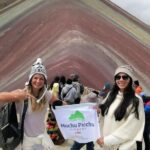
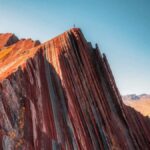
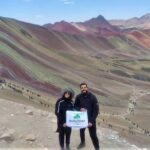
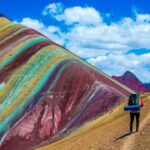
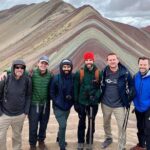
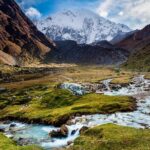
This is the day people come for, and the timing here is the whole point. You wake up early, have tea and breakfast, and then walk about 30 minutes to reach Rainbow Mountain (5,100 m / 16,732 ft).
The best move is simple: be there early enough to see the colors clearly and take photos before the viewpoint gets busy. You’ll stay at the viewpoint area for coffee and a guide explanation of the natural phenomenon behind the rainbow effect, plus time to enjoy the view before you start back down and back up.
After Rainbow Mountain, you hike toward Warmy saya pass for about 2 hours, then drop down toward Hanananta lunch camp. In the afternoon, you continue through a region known for alpacas and reach Ausangate cocha camp (about 4,500 m / 14,763 ft).
Day 3 is about 5–6 hours of walking and around 14 km / 8.69 mi. The altitude hits here most because you’re at the highest point of the itinerary for the Rainbow Mountain summit area.
If you want great photos, protect your focus: go slow on the last push and let your breath settle. It helps your camera work, too.
Day 4: Palomani Pass Ceremony, Alpaca Valleys, and Qampa Camp

Day 4 is built for payoff. Breakfast comes prepared by the chef (so you’re fueled before the big climb), then you hike uphill to Palomani Pass (5,200 m / 17,060 ft), the highest pass on this circuit.
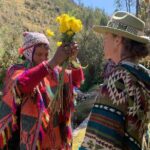
At the pass, there’s a small offering ceremony to the mountains and Pachamama, a custom practiced since Inca times. Even if you don’t think about this kind of ritual day-to-day, it makes the day feel grounded in place instead of just “a photo stop.”
You descend about 1 hour to Palomani Pampa for lunch, described as a green valley where alpacas graze. Then you continue to Qampa camp (about 4,700 m / 15,419 ft) via an inclined trail.
From camp, you can look out toward the area’s peaks, with alpacas and chinchillas in the region (you might spot them depending on conditions), plus a river running near the campsite.
This day is shorter on paper—about 4–5 hours and roughly 13 km / 8.07 mi—but it can still feel intense because the pass is high and the air is thin.
Day 5: Seven Lagoons of Ausangate, Qollquecuz Views, and Pacchanta Hot Springs

The final day starts with tea and breakfast again, plus a hike uphill (about 2 hours) to Qampa pass. From there you’re meant to appreciate snowy Qollquecuz and snowy Ausangate.
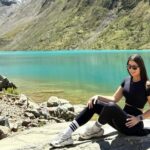
Then it’s downhill for about 2 hours to the 7 lagoons of Ausangate, where lunch comes with a view. You’ll walk through the lagoons afterward, and the tour explains them by their colors in Quechua, including one highlighted lagoon called Otorongo cocha.
After the lagoon time, you hike about 1.5 hours to the final camp area where you can bathe in Aguas Termales Pacchanta hot springs. Then you transfer back to Cusco (about 3 hours) and return to the meeting point.
Total hiking time is about 4–5 hours and roughly 14 km / 8.6 mi. The hot springs finish is what makes this trek feel complete. Your legs might be tired, but you also get that moment of relief that makes all the earlier cold feel worth it.
Food, Water, and Small Comfort Wins That Matter at 5,000 m
This trek runs on more than endurance. It’s set up with daily food rhythm: vegetarian and vegan meals, plus breakfast (5), lunch (5), dinner (4). You’ll also have daily snacks on the trail, wake-up tea each morning, and water available on the route.
A professional chef handles meals for your group. That’s not just about taste. It’s also about timing and calories when your appetite can wobble at altitude.
There are also warm small touches reported by earlier hikers, like hot-water bottles in sleeping bags and coca tea at wake-up, plus fun nighttime extras such as popcorn at happy hour. You don’t need to love any of that to appreciate the intent: this team tries to keep you warm and in good spirits when conditions are rough.
Price and Value at $750: What You Pay For (and Why It’s Not Just a Ticket)
At $750 per person, this sits in the “serious trek” range. The value comes from how much is included rather than how low the base cost is.
You’re paying for:
- Transfers from Cusco and back
- Private guide support in English and Spanish
- A professional cook for your group
- Camping equipment that’s built for cold and high altitude
- Sleeping pads, sleeping bags, tents, pillows
- Trail essentials: water, snacks, wake-up tea
- Entrance tickets for Rainbow Mountain and the Ausangate trek
- Extra oxygen, medical kit, and even an emergency horse
In plain terms: you’re buying less hassle and better odds of a safe, comfortable camp. If you try to cobble this together on your own, the coordination headache alone can eat your time and energy.
Who This Trek Fits Best (and Who Should Rethink It)
This is best for hikers with moderate fitness who are willing to work at altitude between about 4,300 and 5,200 m. If you’ve done high-elevation day hikes and handled the cold okay, you’ll likely appreciate the route.
It’s also a good choice if you care about a well-run camp. People highlight how guides, cooks, and horse handlers can make the logistics smooth—tents ready on arrival, meals served with real attention, and a guide style that balances conversation with giving you space.
If you hate cold and don’t handle thin air well, you’ll probably feel miserable. This route is not “walk in the park.” It can be challenging mostly because of temperature and breathing, not because it’s all steep every minute.
Should You Book This Ausangate and Rainbow Mountain 5-Day Tour?
I’d book it if you want a classic high-Andes circuit that mixes passes, glacier lakes, and the most photogenic part of the Cusco region—done early and handled with serious camp gear. I’d also book it if the all-inclusive setup matters to you, because this trek is about staying focused on the experience instead of worrying about logistics.
I’d pause and rethink if you’re very sensitive to cold or if you haven’t acclimatized at all in Cusco. Even with extra oxygen and a medical kit, your body still has to do the work.
One last practical check: pack for cold nights. The tour gives you a lot of gear, but you still need your own warm layers to make the sleeping setup work for you.
If you choose to go, plan your Cusco time for acclimatization, keep your pace calm on climbs, and let Day 3 happen when your legs are ready. That’s when Rainbow Mountain goes from a headline to a memory.
FAQ
What time do you pick me up in Cusco?
Pickup is at 4:30 am from the Plaza de Armas de Cusco area.
Is this tour private?
Yes. It’s private, and only your group participates.
Are meals included, and are they vegetarian or vegan?
Yes. Vegetarian and vegan meals are included, with breakfast (5), lunch (5), and dinner (4). You’ll also get wake-up tea in the morning, snacks on the trail daily, and tea time or happy hour in the afternoon.
Is the entrance ticket to Rainbow Mountain included?
Yes. Entrance ticket to Rainbow Mountain is included.
What’s the highest point on the trek?
The highest pass on the circuit is Palomani Pass at about 5,200 m (17,060 ft).
What should I bring for sleeping outside and cold weather?
Bring warm clothes. The hike reaches very high elevations and conditions can be cold at night, so warm layers are essential even with the sleeping gear provided.