REVIEW · CUSCO
Sacred Valley and Machu Picchu in 2 Days
Book on Viator →Operated by Inca Jungle Trek | Sap Adventures · Bookable on Viator
Two days, two Inca hits.
This Sacred Valley to Machu Picchu run is interesting because it strings together classic Inca sites in the morning, then gets you to Machu Picchu early enough to actually enjoy it. I like the early start structure that makes the day feel organized instead of chaotic, and I also appreciate how the guides keep the story moving scene by scene. You’ll see towns, terraces, salt mines, and a top-tier ruins circuit without having to map it all out yourself.
My favorite part is the small-group feel (max 10 people), which helps the guide keep an eye on timing and questions. I also really enjoyed how the Machu Picchu guidance includes practical timing for views and photos, not just facts. One possible drawback: these are long, early days with a tight schedule, so you’ll want to be comfortable with waking up early and moving between towns by train and bus.
In This Review
- Key things that make this 2-day combo work
- Why this schedule feels smoother than DIY
- Day 1: Sacred Valley stops that actually have variety
- Chinchero: weaving and a colonial church in the same view
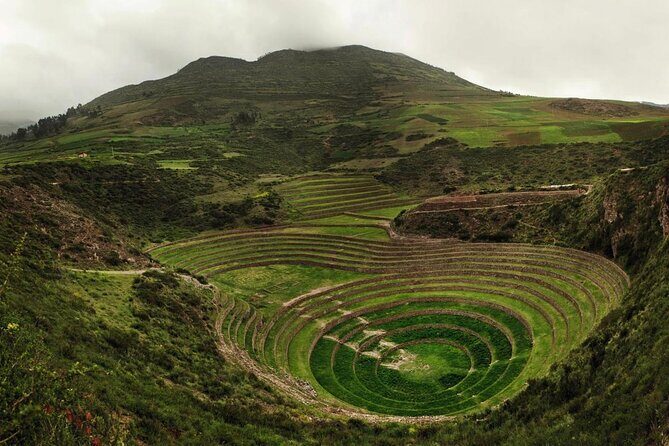
- Moray: the circular terraces that look futuristic
- Maras: the salt mines and the view that steals attention
- Ollantaytambo: Inca fortress vibes before your train
- Day 2: Machu Picchu Circuit 2 from 8:00 to 11:00
- The bus up from Aguas Calientes at 7:00 am
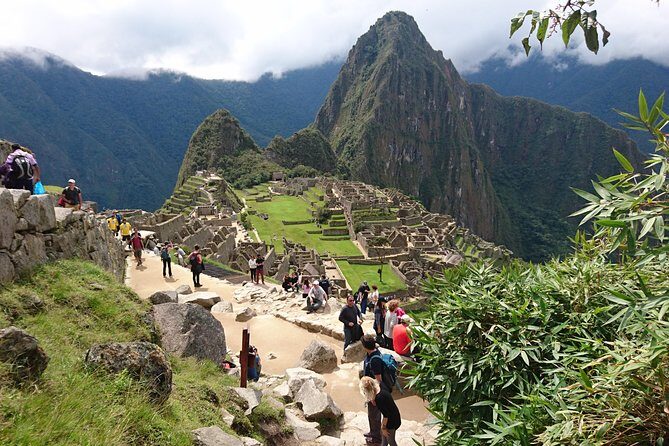
- Your guided Circuit 2 window: the iconic Machu Picchu highlights
- Fog, photo spots, and guides who manage the weather
- Head back down and get home around 6:30 pm
- Price and value: what $425 buys (and what it doesn’t)
- In the real world: guides, group size, and how you’ll feel
- What to pack for this 2-day grind in the Sacred Valley and at Machu Picchu
- Who should book this tour
- Should you book this Sacred Valley and Machu Picchu combo?
- FAQ
- What is the price and duration?
- How many people are in the group?
- What time do you get picked up on Day 1?
- What are the Machu Picchu timing details on Day 2?
- How do you get back to Cusco after Machu Picchu?
- What’s included and what’s not?
Key things that make this 2-day combo work

- Small group limit (max 10) keeps the pace manageable on crowded routes
- Sacred Valley morning highlights include Chinchero, Moray, Maras, and Ollantaytambo
- Train Cusco area to Aguas Calientes saves you the stress of day-of logistics
- Machu Picchu Circuit 2 guided tour (8:00–11:00) focuses on the most iconic stops
- Good timing mindset with fog/view planning shows up in how guides manage departure
Why this schedule feels smoother than DIY

If you’ve planned Machu Picchu before, you already know the biggest enemy is not distance. It’s timing. Here, the plan is built around the kind of early mornings you can’t really fake, plus timed train and bus connections that keep you from bouncing around town all day.
On Day 1, you start between 6:20 and 6:50 am in Cusco, then you roll through the Sacred Valley stops in a sensible order: weaving and heritage in Chinchero, agriculture experiments at Moray, the famous salt pans at Maras, then the dramatic Inca fortress area at Ollantaytambo. You’re done enough to board the 4:30 pm train to Aguas Calientes, where you check in and get a real night to recover.
On Day 2, you’re ready again at 6:00 am with breakfast, take the bus at 7:00 am up to the ruins, then enjoy a guided window from 8:00 to 11:00. After that, you head back down and catch the 2:55 pm train to Ollantaytambo, finishing with a minibus transfer to Cusco that gets you there around 6:30 pm.
That pacing matters. It’s the difference between seeing Machu Picchu as a box to check versus seeing it with enough time to slow down, look up, and take pictures without feeling rushed from one guardrail to the next.
You can also read our reviews of more tours and experiences in Cusco

Day 1: Sacred Valley stops that actually have variety
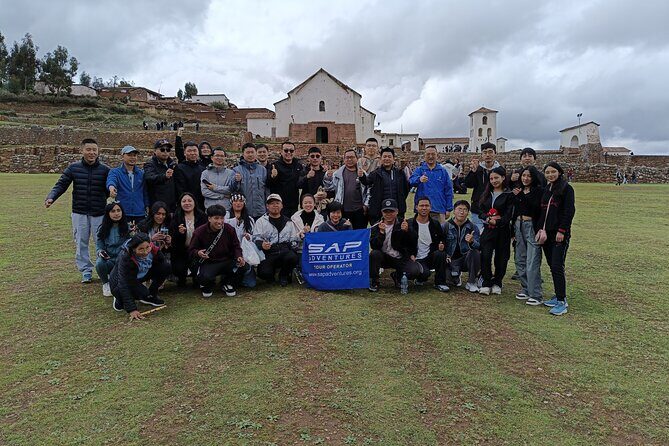
Sacred Valley is one of those places where the scenery is stunning, sure—but the real value is how different each site feels. This day is designed like a sampler platter: a craft town, weird Inca farming engineering, surreal salt mines, then a fortress with serious presence.
Chinchero: weaving and a colonial church in the same view
Chinchero starts the day with a gentle cultural landing. You get the traditional weaving theme, which you can connect to how the Incas and local communities valued textiles, patterns, and dyes as part of everyday life. It’s also a town with a colonial church, so you get that layered story you see across the Andes: Inca foundations and later Spanish influence living side by side.
Practical note: this stop is the one that feels less like a sprint and more like a chance to get your bearings. It’s also where you’ll understand the rhythm of the day—short walking segments, guide-led explanations, then moving on.
Moray: the circular terraces that look futuristic
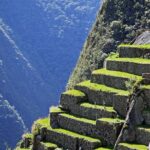
Moray is where the Sacred Valley gets “how did they think of that?” The circular agricultural terraces are unique. The shape alone grabs your attention, but the point is what the Incas were doing with it: using the terraces like an outdoor set of microclimates to experiment with crops.
This stop is usually quick compared to how long you want to stare at it, because the terraces don’t just look pretty. They make you wonder how smart and methodical the system was. If you like architectural logic and farming ingenuity, this is one of the best stops in the day.
Maras: the salt mines and the view that steals attention
Maras is famous for its salt mines, and what you remember is the pattern—rows upon rows of small salt pools cut into the hillside. It’s striking because the mining zones create a built geometry against the natural slope.
You’ll likely find this stop visually addictive, since you can walk a bit and keep seeing the same repeating layout from new angles. It’s also a good spot to slow down, because it’s one of the sites where “fast touring” actually reduces your enjoyment.





Ollantaytambo: Inca fortress vibes before your train
Ollantaytambo is your final Sacred Valley anchor, and it’s a strong one. You’re looking at an impressive archaeological site and Inca fortress, which gives the whole day a climax feeling before you transition to modern-day travel.
Then comes the practical win: your schedule is built so you can reach the train smoothly. At 4:30 pm, you ride the train to Aguas Calientes. The day ends with check-in around 6:30 pm, so you can eat, reset, and not spend the evening hunting for a ride or wondering if you missed something.
Also, your hotel check-in time matters for altitude fatigue. You’ll be higher up and walking at elevation, and that downtime is not wasted time—it helps you show up on Day 2 without feeling totally cooked.
Day 2: Machu Picchu Circuit 2 from 8:00 to 11:00
Machu Picchu is one of those places where crowds are part of the deal. The trick is making sure your time on-site feels intentional. This tour does that by planning a full morning block with a guide, rather than rushing you through like it’s a photocopy machine.
The bus up from Aguas Calientes at 7:00 am
After breakfast at 6:00 am, you take the bus at 7:00 am from Aguas Calientes to Machu Picchu. That timing puts you in the right place for the most important part of the day: getting into the ruins early enough to see what makes them magical.
Bring patience with you. The ride is part of the experience, and it’s also where you’ll feel how fast the day is moving. Still, having the bus timing handled for you is a huge stress reducer.
Your guided Circuit 2 window: the iconic Machu Picchu highlights
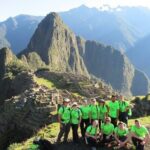
Your guided tour runs 8:00–11:00, using Circuit 2. That matters because the route selection changes what you see and how you move. Circuit 2 is the one that focuses on the most recognizable Machu Picchu areas, so it’s a good choice when you want the “wow” moments without needing to study maps first.
This guide-led format is especially useful if you want more than random ruins photos. The guide’s job is to connect the stonework to how the Inca built, used, and organized the site. You get that sense of cause and effect instead of just walking through walls.
Fog, photo spots, and guides who manage the weather
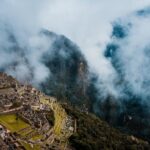
One thing that stands out from the experience is how the guide approach handles Machu Picchu conditions. In particular, Samuel has been described as paying close attention to weather and daily entry conditions, then adjusting timing so the group can avoid waiting in the wrong spot. That’s not magic. It’s just smart timing and awareness.
If fog rolls in, you don’t want to panic or stare in the wrong direction. A good guide will point out when views may clear and steer you to spots for photos while you wait. That’s the kind of small decision-making that turns a normal visit into a memorable one.
Head back down and get home around 6:30 pm
After the morning circuit, you take the bus back to Aguas Calientes at 12:30 pm, then catch the 2:55 pm train to Ollantaytambo. From there, a minibus transfer to Cusco at 4:30 pm brings you back by about 6:30 pm.
This is a full travel day, but it’s a complete one. You end with a confirmed return flow rather than scrambling around Aguas Calientes for the next step.
Price and value: what $425 buys (and what it doesn’t)

At $425 per person, you’re not just paying for sightseeing. You’re paying for a package that handles the hard parts: getting you from Cusco to the right places on the right schedule, including trains to Aguas Calientes, plus ground transfers, plus a guided Machu Picchu slot in the Circuit 2 format.
Here’s what’s included:
- Breakfast (Day 2)
- Lunch (during the tour)
- Train ticket to Aguas Calientes (Day 1)
- Tourist minibus transportation
- Guided tour of Machu Picchu
And here are the admissions notes you should care about:
- Sacred Valley admission is included for that Day 1 program
- Machu Picchu admission ticket is free as listed for Day 2
What’s not included:
- Dinner (you’ll need to plan around this)
Value-wise, the big question is whether you trust yourself to assemble train/bus timing without risking delays. If you’re the type who likes structure—especially on a first Machu Picchu trip—this price starts to make sense. If you’re the DIY type with strong planning skills, you might find cheaper options, but the schedule risk is real.
In the real world: guides, group size, and how you’ll feel

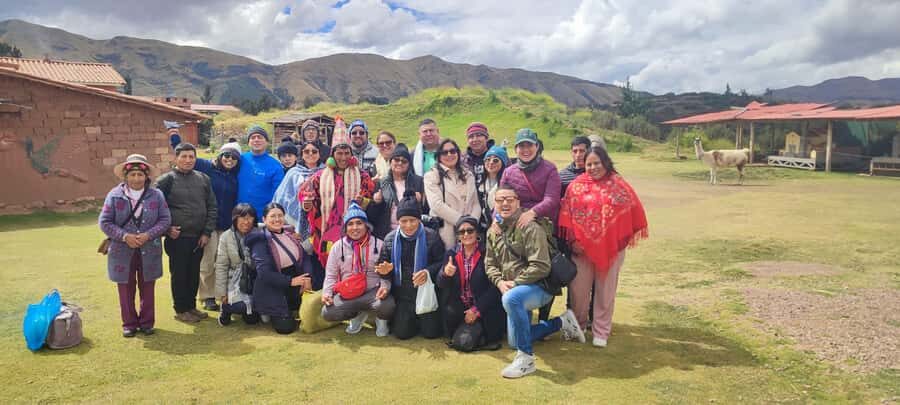
This is a max 10-person experience, and that size changes the vibe. You’re not swallowed by a huge bus group where everyone gets lost in the shuffle. Guides can actually manage timing, answer questions, and keep the day moving.
Guide names mentioned in past departures include Andy and Paul for the two-day pairing, plus Sandro and Samuel on other runs. The consistent theme is enthusiasm and professionalism—guides explaining what you’re seeing in a way that feels more like a story than a lecture.
The other practical win is support responsiveness. The tour team is described as staying in touch and being quick with help when plans change. That matters because Machu Picchu trips have enough moving parts even when everything goes right. If you run into a snag, it’s comforting to know there’s a team ready to assist.
What to pack for this 2-day grind in the Sacred Valley and at Machu Picchu

You don’t get to choose the schedule, so you choose comfort.
What I’d plan for:
- Layers (early mornings near Cusco and mornings at the ruins can feel cool)
- Comfortable walking shoes (you’ll cover ground across multiple stops)
- A small day bag for water and essentials
- Rain protection (fog and mist can happen around Machu Picchu, and conditions can change fast)
Because dinner isn’t included, you’ll also want to think about where you’ll eat after you arrive in Aguas Calientes on Day 1. You’ll have a check-in around 6:30 pm, so a plan for your evening meal is smart.
Who should book this tour

I think this works best for:
- First-timers who want the big sights without building the logistics puzzle
- People who like having a guide handle timing, route flow, and explanations
- Anyone who wants a compact 2-day trip that still includes an actual guided Machu Picchu circuit
It might not be ideal if you hate early starts, or if you need super flexible pacing. The plan is efficient, which means you won’t have hours to wander unstructured.
One more thing to keep in mind: the experience is non-refundable and cannot be changed for any reason. If your dates are uncertain, that’s worth weighing before you pay.
Should you book this Sacred Valley and Machu Picchu combo?

If you want a smart, time-efficient route that gets you to Machu Picchu with a guided Circuit 2 morning and a clean return to Cusco the same day, I’d say this is a solid bet. The value is in the bundled logistics: train to Aguas Calientes, transfers, admissions coverage, and a guide-led ruins visit that helps you enjoy the site instead of just surviving it.
If you can handle early mornings and a tight schedule, book it and focus on the payoff: Chinchero’s craft feel, Moray’s weird farming geometry, Maras’ salt-pattern visuals, then Machu Picchu when the day is still young.
If you want, tell me your travel month and whether you prefer early photos or slower breaks, and I’ll suggest how to pace yourself around the morning schedule.
FAQ
What is the price and duration?
The price is $425.00 per person. The duration is about 2 days.
How many people are in the group?
This experience has a maximum of 10 travelers.
What time do you get picked up on Day 1?
Pick-up from your hotel in Cusco is scheduled between 6:20 and 6:50 am.
What are the Machu Picchu timing details on Day 2?
You eat breakfast at 6:00 am, take the bus to Machu Picchu at 7:00 am, and enjoy a guided tour from 8:00 to 11:00 am on Circuit 2. You return by bus at 12:30 pm.
How do you get back to Cusco after Machu Picchu?
You take the train from Aguas Calientes to Ollantaytambo at 2:55 pm, then a minibus transfer to Cusco at 4:30 pm. Arrival in Cusco is around 6:30 pm.
What’s included and what’s not?
Included: breakfast, lunch, train to Aguas Calientes, tourist minibus transportation, and a guided tour of Machu Picchu (with Machu Picchu admission listed as free and Sacred Valley admission listed as included). Not included: dinner.