REVIEW · CUSCO
3 Days Amazon Jungle Tour in Manu Peru
Book on Viator →Operated by Green Amazon Tours Peru · Bookable on Viator
Manu starts before sunrise. This 3-day tour from Cusco drops you from cloud forest down toward Parque Nacional del Manu, with a plan built around wildlife and real field time. I love how the day includes both daytime spotting and a real push for night creatures, when the jungle turns louder and stranger.
I also love the targeted stops that make sightings more likely, from the Madre de Dios parrot clay lick by canoe to balsa-raft time on the Machuwasi Lake area. One thing to consider: this is not a slow, sit-and-smile tour. You’ll do early departures, long boat rides, and short walks, and conditions like heavy rain and high river levels can affect what’s out and active.
In This Review
- Key highlights worth planning for
- A 5:00 am Cusco start that sets the tone for Manu
- Ninamarca to the cloud forest: Day 1’s birds, orchids, and folklore stops
- Entering the Amazon by canoe: Day 2 and the Madre de Dios clay lick show
- Machuwasi Lake plus night-scouting: where the jungle turns wild
- Day 3 hummingbird garden and the ride back to Cusco
- Price and what you actually get for $540 per person
- Comfort in the jungle: what “basic” means here
- Who should book this 3-day Manu jungle tour
- Should you book this 3-day Amazon jungle tour in Manu?
- FAQ
- What time does the tour start, and when do we get back to Cusco?
- What’s included in the price, and what isn’t?
- Is this tour private, or will I be with other people?
- How physically demanding is the trip?
- What wildlife and birds does the itinerary focus on?
- Can I get a refund if I cancel?
Key highlights worth planning for

- Ajanaco Pass entry moment: registration as you start the Manu National Park stretch
- Cloud forest bird walks: chances for the cock of the rock, toucans, and tanagers
- Parrot clay lick by canoe: a classic Madre de Dios hotspot for macaws and parrots
- Machuwasi Lake by balsa raft: search capybaras, caimans, monkeys, and water birds
- Day-and-night wildlife time: night searches for spiders, tarantulas, frogs, snakes, caimans, and night monkeys
- Basic lodge comfort: mosquito nets and clean toilets, with reviews noting running water and WiFi
A 5:00 am Cusco start that sets the tone for Manu

Your day begins at 5:00 am in Cusco. The tour uses a private car adapted for the route through mountains and into jungle-country, so you’re not just “heading south,” you’re actually traveling through very different ecosystems in a single trip. That early start matters because wildlife activity often ramps up fast after dawn, and the schedule is built to get you into position before the day gets hot and visibility gets tricky.
You’ll also pass places along the way, including Ninamarca, described as a pre-Inca construction linked to the Lupaca culture. It’s a useful reminder that this trip isn’t only about animals. You’re moving through a region with layered human history, then shifting gears into protected rainforest.
By the time you reach the Ajanaco Pass area, the tour includes a registration stop tied to the start of the Manu National Park zone. It’s not a “check the box” moment. For many people, it’s when the trip feels official and real.
The practical side: you’ll want to be ready for long travel days and early mornings. If you need a slow start, bring snacks, keep water handy, and treat the drive as part of the experience rather than time you’re “stuck” in transit.
You can also read our reviews of more tours and experiences in Cusco
Ninamarca to the cloud forest: Day 1’s birds, orchids, and folklore stops
Day 1 begins with that pre-dawn departure, then it turns into a moving tour with story stops and quick wildlife breaks. One of the first notable cultural places is Paucartambo, including the valley and the town itself, known as the folklore capital of Peru. Even if you only get a brief look, it’s the kind of stop that helps the countryside feel lived-in, not just scenery.
Then you continue toward the Ajanaco Pass, described as the beginning of Manu National Park. After registration, the tour shifts into descent mode. This is where the scenery changes in a hurry: you pass through cloud forest, and that matters because cloud forest is where you often get the densest mix of birds, orchids, and “hard to find later” species.
Once you’re in that cloud forest zone, you take short walks focused on birds and mammals. The itinerary highlights the cock of the rock (listed as Peru’s national bird), plus toucans and tanagers. You’ll also be looking for monkeys and coaties, and with good luck you may spot sloth or a spectacled bear.
Two things I appreciate about Day 1:
- Short walks keep you from turning into a sweaty endurance contestant, while still giving you enough time for slow birdwatching.
- The tour doesn’t only chase the biggest mammals. It puts real attention on flowers and orchids, so you’re not waiting all day for one dramatic animal photo.
Possible drawback: because this is wildlife-first, you can’t treat sightings like a guaranteed checklist. Weather and animal movement are real variables. You go for the experience, not only the outcome.
Entering the Amazon by canoe: Day 2 and the Madre de Dios clay lick show
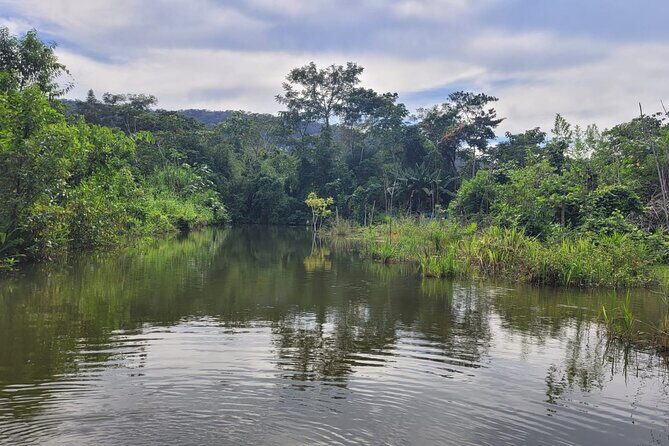
Day 2 starts early from the lodge and heads toward Atalaya, then you take a canoe along the Madre de Dios River. The first major wildlife moment is the parrot clay lick, located on the river bank.
Clay licks are one of those nature scenes that look almost ordinary until the wildlife arrives—and then it gets intense fast. The plan here is to watch macaws and parrots eating clay. It’s a great setup for birds because you can often see lots of activity in a relatively focused area, which helps your guide spot patterns and point out behavior.
After the clay lick, you go to Machuwasi Lake and explore it on balsa rafts. This part is designed for animals that use the lake edges and calmer water zones. The search includes capybara (the largest rodent in the world), caimans, monkeys, and water birds that live around Amazonian lakes.
What makes this day valuable for you: it’s not just “boat ride sightseeing.” The schedule moves between hotspots that each support different kinds of wildlife. River birds and licking behavior. Then lake mammals, reptiles, and shore activity.
You return by boat to the Eco Manu Lodge near Atalaya, where the afternoon continues with more jungle exploring for monkeys, birds, and medicinal plants. And then the tour shifts again at night—because that’s when the jungle plays its second act.
If you’re the type who loves your photos sharp and your animal IDs accurate, you’ll probably enjoy this structure. Your guide (in the reviews, Alex is specifically praised) uses spotting skill and optics help to make phone photos work better than you’d expect.
Machuwasi Lake plus night-scouting: where the jungle turns wild

Night in the rainforest can feel like stepping into a different world. Day 2 includes a nighttime wildlife search before dinner. The itinerary calls out spiders, tarantulas, frogs, snakes, caiman, night monkeys, and a lot of insects.
This is one of the most praised elements of the experience because it changes what you think of as “Amazon wildlife.” In daylight, you tend to focus on birds and larger mammals. At night, the jungle becomes a busy network of small movement, calls, and sudden flashes near the ground and in low vegetation.
Two practical notes for you:
- Night hikes mean you’ll want to follow the group and your guide’s instructions closely. The goal is careful looking, not sprinting.
- Lighting and movement are part of how you spot animals. A good guide helps you find the moment, not just the species name.
Day 2 also includes daytime medicinal plant exploration. That’s not random trivia. Plants and ecosystem knowledge helps you understand why certain animals show up where they do, and it makes the jungle feel less like a blur of green.
From a value angle, night-scouting is worth paying attention to because it adds meaningful time and skill—not just another short stop. Many trips rush night viewing. This one builds it into the itinerary so you get a real chance.
Day 3 hummingbird garden and the ride back to Cusco

Day 3 is the wrap-up day, and it’s paced to avoid total chaos. After breakfast, you return by canoe to Atalaya, then take the private car back to Cusco, arriving around 5:00 pm.
The key wildlife stop before heading back is the hummingbird garden. This is a classic place to focus on birds that are fast and small—exactly the kind of birds your eyes struggle with in open forest. Here, the plan is to appreciate different types of hummingbirds of all sizes and colors.
Why this works as a final day:
- It gives you a concentrated bird experience before you swap back into road time.
- It’s easier to enjoy the moment when you’re not also juggling multiple long river segments.
Then you do the long return drive. You’ll probably feel it—after two full days of boats, short walks, and wildlife searching. But the payoff is that you’re ending with birds, not with a rushed scramble to catch your flight.

Price and what you actually get for $540 per person

At $540 per person for about 3 days, the big question is value: what are you buying beyond transportation and a bed?
Here’s what’s included in a way that matters on the ground:
- Meals: 2 breakfasts, 3 lunches, and 2 dinners
- Camping and field gear: tables, chairs, rubber boots, and rain items
- Core time on the water and in the forest: canoe, boat travel, and balsa rafts
- A private setup for your group, with reviews describing small group limits
What’s not included: the first breakfast and the last dinner. So plan on a meal buffer on arrival/departure days, especially if you’re sensitive about getting fed at the exact right time.
The reason this can feel like good value for the right traveler: the trip is structured around wildlife behavior, not just generic sightseeing. Parrot clay lick viewing, lake searching by raft, and night scouting aren’t “extras.” They’re the heart of the itinerary.
One more value detail from reviews: the guide is praised for spotting ability and for helping with photos using phones and a high-resolution telescope. That doesn’t cost you extra, but it changes the experience a lot if you care about capturing what you’re seeing.
Still, keep your expectations realistic. A once-in-a-lifetime trip doesn’t promise jaguar or sloth on schedule. Even the best guides work with wildlife randomness and conditions like rainfall and river levels.
Comfort in the jungle: what “basic” means here

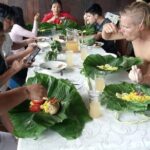
This is a lodge-based jungle trip with basics handled for you. Reviews describe mosquito nets, clean toilet facilities, and food that’s described as great. Some reviews also mention running water and WiFi, which is a nice reality check: yes, you’re in the rainforest, but it’s not total survival mode.
Because you have rubber boots and rain items included, you’re less likely to arrive unprepared and suffer in soggy ground. That matters. In the Amazon, discomfort isn’t just annoying—it can limit how long you can stay alert during animal spotting.
Food-wise, reviews mention they can handle dietary requests, including vegan. That’s not a small point. Good jungle food keeps energy steady for walking and night searching.
As for safety and stress: reviews praise the professionalism of the crew and the feeling of being well cared for. You still should use common sense—listen to your guide, keep track of footwear, and don’t wander off after dark—but this tour appears designed around guided control rather than DIY chaos.
Who should book this 3-day Manu jungle tour

This tour fits best if you want:
- Wildlife-focused days with both daylight and night searching
- A structured route with real animal hotspots (clay lick, lake raft time, hummingbird garden)
- A guide who’s hands-on with spotting and helps you get better photos (Alex gets named in reviews for this)
- Small-group feel within a private-tour format
You might want to choose another kind of Peru trip if you:
- Don’t like early starts (5:00 am is non-negotiable here)
- Want long stretches of rest with minimal walking
- Expect a guaranteed mammal list every day
If you’re traveling with kids, reviews describe the guide as patient and able to adapt. That said, it still involves boats and nighttime wildlife time, so choose based on your family’s comfort with early mornings and moderate movement.
Should you book this 3-day Amazon jungle tour in Manu?
I’d book it if you’re aiming for a genuine rainforest experience over a checklist of landmarks. The itinerary is clearly built to maximize time where animals are likely to show up: cloud forest bird walks on Day 1, clay-lick action on Day 2, lake searching by raft, then a hummingbird stop before you head back to Cusco.
I’d pause if you’re extremely weather-sensitive or have limited tolerance for long travel days and night hikes. Heavy rain and high river levels can affect animal sightings, and this tour does not pretend that nature is predictable.
If you do book, go in with the right mindset:
- Treat sightings as a bonus, not the only goal
- Bring layers and follow the gear plan
- Ask your guide for the day’s priorities so you don’t spend your time chasing only one species
In short: this is a strong pick for wildlife lovers who want fewer frills and more real jungle time.
FAQ
What time does the tour start, and when do we get back to Cusco?
The tour starts at 5:00 am. After the final stops on Day 3, you return to Cusco and arrive at about 5:00 pm.
What’s included in the price, and what isn’t?
Included: camping equipment such as tables, chairs, rubber boots, and rain items; plus 2 breakfasts, 3 lunches, and 2 dinners. Not included: the first breakfast and the last dinner.
Is this tour private, or will I be with other people?
It’s a private tour/activity, meaning only your group participates. Reviews also describe small group limits (max 6) for the operator’s tours.
How physically demanding is the trip?
The tour asks for a moderate physical fitness level. Expect short walks in forest areas and travel time involving boats and moving around during stops.
What wildlife and birds does the itinerary focus on?
You’ll have opportunities to look for cloud forest birds like the cock of the rock, toucans, and tanagers, plus monkeys and coaties. Day 2 focuses on the parrot clay lick for macaws and parrots, and on Machuwasi Lake for capybara and caimans. The night portion includes searches for spiders, tarantulas, frogs, snakes, caiman, night monkeys, and insects.
Can I get a refund if I cancel?
You can cancel up to 3 days in advance for a full refund. If you cancel less than 3 days before the experience starts, the amount paid won’t be refunded.