REVIEW · CUSCO
Salkantay Trek Premium 5D/4N
Book on Viator →Operated by Conde Travel · Bookable on Viator
Cold air, big views, one hard day at altitude. That’s what you’re signing up for on the Salkantay Trail, ending at Machu Picchu with an early sunrise plan. I like that the trip is set up to reduce the usual chaos: you get a professional bilingual guide, a cook and assistants, camping gear support, and entrance fees and transport handled.
One thing to take seriously: the altitude. Even if the distances don’t look scary on paper, Salkantay Pass and the thin air can feel like the main event, so go in with good acclimatization and realistic expectations.
In This Review
- Key things I’d circle before you book
- A 5-day route that actually helps you focus on hiking
- Starting early from Cusco: the 5:00 am reality
- Day 1 to Humantay Lake: horse support and your first real altitude taste
- Day 2 and Salkantay Pass: the day that decides how the trek feels
- Lucmabamba coffee + zipline day: a break that feels earned
- Day 4: Llactapata’s Machu Picchu view, then down to Aguas Calientes
- Day 5: Machu Picchu sunrise with a private guide
- Meals, camp setup, and what you’re really paying for
- Price and value: $510 and what you get for it
- What to pack (and what usually gets forgotten)
- Who should book this trek (and who should think twice)
- Should you book the Salkantay Trek Premium 5D/4N?
- FAQ
- How fit do I need to be for the Salkantay Trek Premium 5D/4N?
- Is Machu Picchu entrance and transportation included?
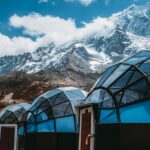
- Where will I sleep during the trek?
- What meals are included, and what meals are not?
- Are Huayna Picchu or Mountain Machu Picchu included?
- What time does the trek start?
- What if I cancel?
Key things I’d circle before you book
- Humantay Lake at 4200 m with a horse team carrying the camp kit
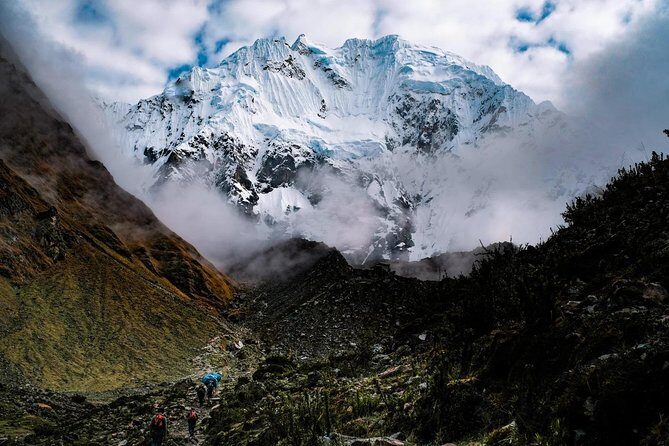
- Salkantay Pass up to 4600 m, then a long downhill into the high jungle
- Lucmabamba coffee experience plus a ziplining activity break (with an optional hot springs add-on)
- Llactapata viewpoint for Machu Picchu views before heading down to Aguas Calientes
- Small group size (max 12) and a guide team that can adjust to different paces
- Camping + lodge mix: three nights outside, one night in a hotel, plus sleeping bag included
A 5-day route that actually helps you focus on hiking
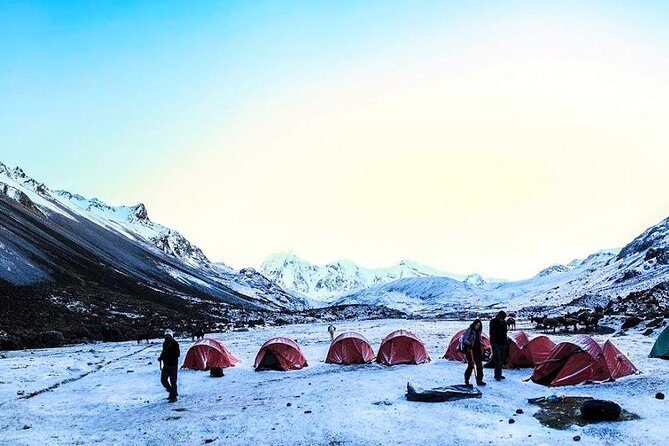
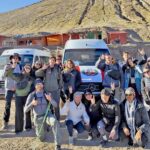
This trek is built around a simple idea: if you’re climbing mountains and sleeping outdoors, you don’t want to also manage logistics. Here, you’re in a small group (up to 12), with a professional bilingual guide, cook, and assistants. That matters because it keeps the day moving and the camp running without you chasing details.
I also appreciate how many of the big costs are handled for you. Entrance fees for Machu Picchu are included, and you get the buses up from Aguas Calientes to the ruins as part of the plan. Add in the roundtrip train portion between Aguas Calientes and Ollantaytambo, plus transfers in Cusco, and the whole thing feels like a full package instead of a patchwork.
The other quality that stands out: the operator clearly expects you to come prepared for altitude. In this kind of trek, the hiking is only half the challenge. The other half is how your body reacts above 4000 m. If you treat the pass day like a normal trek day, the mountain will remind you who’s in charge.
You can also read our reviews of more hiking tours in Cusco
Starting early from Cusco: the 5:00 am reality
The day starts at 5:00 am. That’s not a gimmick; it’s how you beat cooler temps, bus timing, and that early-morning momentum you need when you’re working at elevation.
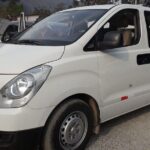
Before you leave, you’ll do a hotel pickup in the area of Cusco, then transfer to Mollepata. From there, breakfast is included before the trek day begins. The early schedule can feel intense if you’re arriving in Peru and still buzzing from travel. That’s why I strongly suggest you don’t plan zero-acclimatization time. Even a short buffer in Cusco can make a noticeable difference for how you feel on the higher passes.
Day 1 to Humantay Lake: horse support and your first real altitude taste
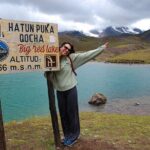
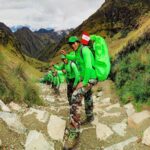
Your first stop is Humantay Lake. You’ll have an early breakfast in Mollepata, then start trekking from Soraypampa at 3900 m. The big help here is that horsemen and horses carry the camping equipment. That means your load is smaller, and you can spend your energy on pacing and breathing.
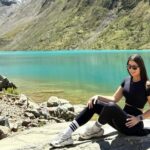
Humantay Lake sits at about 4200 m. It’s high enough to make you slow down a bit, but it’s also a great way to ease your body into the day. You walk to the lake, enjoy the visit, then head back to Soraypampa. Lunch is waiting there with the cook.
Later you move to Salkantaypampa basecamp. This is where the trek starts feeling like a proper expedition: snowy views of Salkantay in the afternoon, tea time, and dinner. You’re still in the acclimatization zone, but the camp rhythm helps you get set for the next days.
What to watch: the timing. Day 1 gives you a taste of altitude, then you sleep under it. If you arrive in Cusco the day before, you might feel the difference faster than you want.
Day 2 and Salkantay Pass: the day that decides how the trek feels
Day 2 is where altitude stops being theory. After waking with coca tea and breakfast, you begin the climb to the highest point: Salkantay Pass at 4600 m. The climb is described as taking about 3 hours, and then the route continues toward Wayrac Machaq for lunch.
From there, you shift into downhill walking toward the second campsite. This is also where the environment changes in a way that keeps the day from turning into one long grind. You’ll pass through areas where large trees hang over streams with bromeliads and orchids—signs you’re moving from cold, high conditions toward a more humid, high-jungle feel.
This is also the day where good guides make a difference. In past departures, guides such as Jhimmy and Carlos have been praised for taking care of the group and adjusting to different ability levels. That shows up most on tough days: you don’t need a faster pace, you need a pace that lets your body catch up.
My practical advice for pass day: move like you’re already tired. Don’t chase other people’s steps. If you feel out of breath, that’s normal here. What you want is steady breathing, not hero mode.
Lucmabamba coffee + zipline day: a break that feels earned
Day 3 adds variety. You wake early, eat breakfast, then hike along the cloud forest for about 3 hours. You’ll be surrounded by rivers and waterfalls along the way, which helps break up the mental monotony of high-altitude trekking.
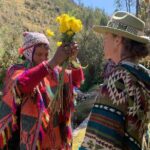
After lunch, it’s another hike segment of roughly 3 hours before arriving at Lucmabamba campsite. This day includes a ziplining activity, plus time for coffee-related activities in coffee plantations where you can learn and see processing.
Two tips here:
- Treat this day as a recharge. You’re still hiking, but the activities shift the focus from legs-only to curiosity too.
- If you’re tempted by extra activities, plan carefully. There’s an optional trip to Cocalmayo hot springs about 30 minutes from the campsite, but it doesn’t come included. The extra transportation and entrance are on you.
If you like food and culture as much as views, this is the day you’ll remember for more than just elevation numbers.
Day 4: Llactapata’s Machu Picchu view, then down to Aguas Calientes
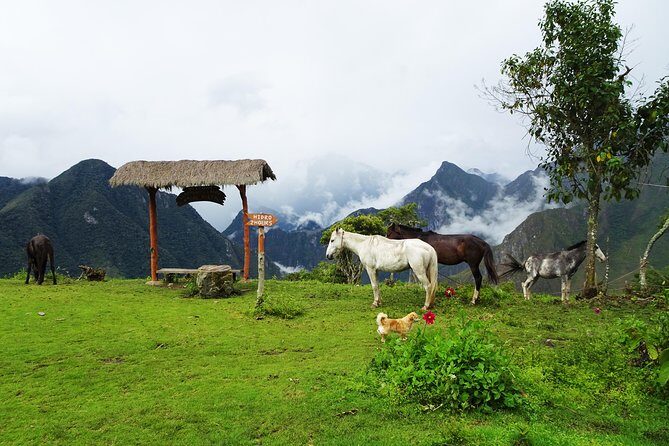
Day 4 starts with breakfast, then you hike up to Mirador de Llactapata. The payoff is a view of the Machu Picchu area and the surrounding valleys. This moment matters because it gives you context before you finally arrive at the site itself. It helps Machu Picchu feel less like an icon and more like a place.
After the viewpoint, you hike downhill to Hydroelectric for lunch. Then you continue another stretch of walking—about 3 hours—toward Aguas Calientes, where you spend the night in a hotel.
The hotel night is a big value add. Camping days are great, but after several nights outdoors, a real room helps you sleep better and show up fresher for sunrise at Machu Picchu. Also, Aguas Calientes is where you’ll shift from trek mode into ruins mode.
What to watch: walking days don’t always feel shorter just because you’ve done a few days already. Save some energy on the downhill and keep your feet protected. Blisters can turn Machu Picchu plans into a sad sock story.
Day 5: Machu Picchu sunrise with a private guide
Day 5 begins early. You take the bus up from Aguas Calientes to Machu Picchu for sunrise. The timing is one of the reasons this trek feels worth doing instead of just arriving for a standard day trip—cooler morning light, less heat, and a more peaceful start.
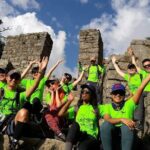
Once you’re in, you explore with a private tour guide. That’s key. Machu Picchu isn’t just “see big stones.” A good guide helps you understand what you’re looking at—paths, terraces, and how the place connects to the mountain setting. You then finish your visit and head back: train and bus back to Cusco.
You’ll still want to plan for a long day. Sunrise ruins feel short, but travel time stacks up fast. Comfort-wise, you’re done with the hardest part of the trek. Mentally, you might still feel like you’re catching up.
Meals, camp setup, and what you’re really paying for
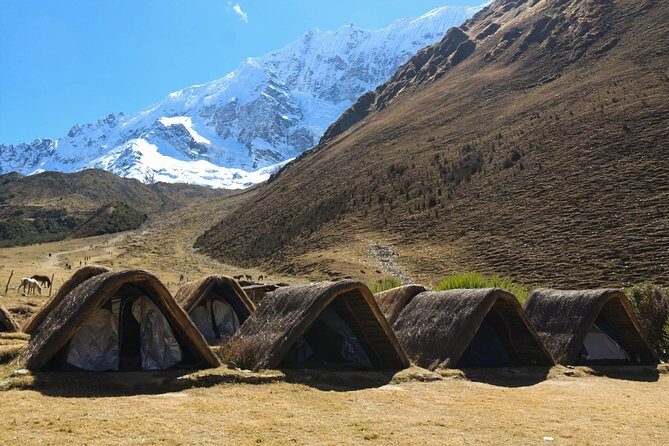
This is an all-in setup for the trek portion. You get a roomy dining tent and kitchen area, plus chairs and dining tables. There’s also a sleeping bag included, which is a practical inclusion (and one less thing to pack).
Meal coverage is solid:
- Breakfast is included for 4 mornings.
- Lunch is included for 4 days.
- Dinner is included for 4 evenings.
Not included are breakfast on day 1 and the lunch and dinner on the last day. That’s normal for multi-day treks, but it’s worth knowing so you don’t assume everything is fully covered from the moment you wake in Cusco.
One of the strongest signals of quality here is food handling. In the operator’s better departures, the cook team is known for preparing fresh meals and serving enough for everyone. With a trek, the food isn’t a luxury; it’s fuel. You’ll feel it most on the pass day and the downhill days that follow.
Practical note: bring small extras for yourself. The tour suggests bringing personal items, insect repellent, sunscreen, a UV factor of at least 40, and toilet paper. You’ll be happier if you pack for wet weather and sun at the same time, because high-altitude weather can flip quickly.
Price and value: $510 and what you get for it
At $510 per person, this trek sits in the mid-range for a multi-day Salkantay-to-Machu Picchu program with guided logistics. The value comes from how much is bundled.
You’re getting:
- Machu Picchu entrance fees
- Roundtrip buses between Aguas Calientes and Machu Picchu
- Train ticket from Aguas Calientes to Ollantaytambo
- Transfers around the Cusco region
- Professional bilingual guide, cook, and assistants
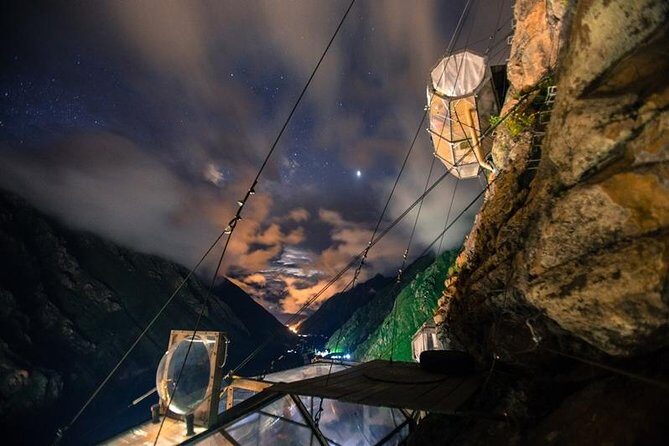
- Camping for 3 nights and 1 night in a hotel
- Sleeping bag
- Meals during the trek days (with a couple of specific meal gaps)
What’s not included:
- Tips
- Additional horse (you don’t need it unless you add personal weight beyond what’s planned)
- Huayna Picchu or Mountain Machu Picchu options
- Some meals at the edges of the schedule
My honest take on value: if you tried to DIY this with separate tickets, guides, camp gear, and daily logistics, you’d spend a lot more time and likely pay similar money once you add everything. The $510 feels fair for a small group trek that ends with the most complicated part: the Machu Picchu access timing.
What to pack (and what usually gets forgotten)
The included packing list is basically your sleeping gear (sleeping bag) and the camp setup. You still need your own clothing and comfort items. The tour suggests:
- strong walking shoes or tennis shoes
- sweater and thick jacket
- hat or cap
- rain coat
- long sleeve shirts, long and short pants
- insect repellent
- sunscreen UV 40+
- toilet paper
- lantern
- sunglasses
- plastic bags
- medical/personal items
- a lightweight backpack for your day bag
- camera and charger
- some cash in change
And bring just one bottle of water if you can manage it early; refills and purchases may be possible on the route.
My packing strategy for this trek: expect cold mornings, sun by midday, and wet patches depending on where you are. Pack in layers. Keep your day bag light so your legs stay fresh for the long downhill stretches.
Walking poles are a big help too. They’re especially useful on the downhill sections where altitude plus fatigue can turn joints into jelly.
Who should book this trek (and who should think twice)
This is suitable for travelers with good fitness and moderate physical fitness level overall. But do not underestimate the altitude. Even when the hiking seems manageable, the pass is at 4600 m. You’ll feel it most if you treat it as just another hike.
This trek fits best if you:
- can walk for 8 to 10 hours on most days
- are comfortable sleeping in camps for multiple nights
- want a guided route that ends at Machu Picchu without you stitching together tickets and timing
- enjoy a mix of nature, viewpoints, and a coffee stop
You might rethink or choose a gentler route if:
- you’ve had serious altitude issues before
- you don’t have time to acclimatize in Cusco
- you’re expecting a low-altitude experience
A smart move is to give yourself time in Cusco before starting. Even one extra day can improve how you breathe and sleep in the high zones.
Should you book the Salkantay Trek Premium 5D/4N?
If you want a true mountain trek that ends with a guided Machu Picchu sunrise, this is a strong pick. The value is in the bundled logistics: guide team, camping structure, meals, entrance fees, and the hardest access planning handled for you.
Book it if you’re the type who enjoys early starts, tough-but-manageable hiking, and the satisfaction of reaching Machu Picchu after earning your morning views.
Skip it (or plan something gentler) if you’re sensitive to altitude, want minimal time outdoors, or cannot realistically acclimatize.
FAQ
How fit do I need to be for the Salkantay Trek Premium 5D/4N?
The tour is for travelers with a good level of fitness and is described as having a moderate physical fitness requirement. The route includes long walking days and high altitude, so pace yourself and consider acclimatizing in Cusco before you go.
Is Machu Picchu entrance and transportation included?
Yes. Entrance fees to Machu Picchu are included, and you also get roundtrip bus transport between Aguas Calientes and Machu Picchu. You’ll travel back afterward by train and bus to Cusco.
Where will I sleep during the trek?
You’ll sleep in camp for 3 nights and in a hotel for 1 night (on the night in Aguas Calientes).
What meals are included, and what meals are not?
Breakfast is included for 4 mornings, lunch for 4 days, and dinner for 4 evenings. The tour does not include breakfast on the first day, and it does not include lunch and dinner on the last day.
Are Huayna Picchu or Mountain Machu Picchu included?
No. Huayna Picchu and Mountain Machu Picchu are not included.
What time does the trek start?
The tour start time is 5:00 am.
What if I cancel?
This experience is non-refundable and cannot be changed for any reason. If you cancel or request an amendment, the amount paid is not refunded.
If you want, tell me your hiking background and how many days you’ll have in Cusco before the trek, and I’ll help you judge whether this pacing feels right for you.