Five hours in Cusco, with ancient walls all around. This tour strings together the biggest Inca-era sights near town, plus Qorikancha’s famous blend of Inca and Spanish building styles. You also get private transportation and an official tourism guide, so you spend less time figuring things out and more time looking closely.
I love the way the stops are spaced for good pacing: short drives between sites and about an hour at each one. You’ll also see why the guide matters here, since guides like Jhonny and Victor are praised for clear explanations and high energy that keeps the group moving at a comfortable rhythm.
The main drawback to plan for is cost: the tour price does not include archaeological entrance fees. You’ll likely need a $25 partial ticket for the archaeological centers and also pay $7 for Qorikancha, so your final spend is higher than the $32 base price.
In This Review
- Key highlights you’ll feel right away
- Why This Cusco City Tour Works So Well for First Timers
- Plaza de Armas Pick-Up and the Easy Private-Transport Flow
- Qorikancha: Inca Gold Temple Meets Spanish Colonial Stone
- Saqsayhuamán’s Massive Stones: Fortification With Ceremony
- Q’enqo: Underground Chambers and Rock-Carved Ritual Space
- Puka Pucara: The Red Fortress and the Inca Defense Story
- Tambomachay: The Inca Bath and Water Worship Engineering
- Price and Tickets: What $32 Really Buys You
- What to Bring and How to Make the Most of Your Time
- Should You Book This Cusco City Tour Cusco?
- FAQ
- Where does the tour start and end?
- How long is the Cusco city tour?
- What is included in the price?
- What entrance fees are not included?
- How many people are in the group?
- What days and hours does the tour run?
- Is the tour suitable for most travelers?
- Is the tour refundable if I need to cancel?
Key highlights you’ll feel right away
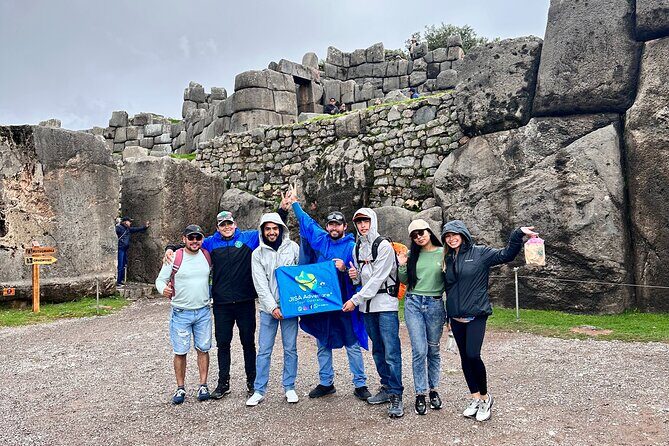
- Small group size (max 12) helps keep the pace smooth at altitude.
- Private transportation means shorter commutes and less hassle.
- Guides with real momentum (Jhonny, Victor, Saul, Jorge, and more) make the sites easier to understand.
- Oxygen ball included, a practical touch in a high-elevation city.
- Five major sites in one circuit, so you get a strong Cusco orientation fast.
Why This Cusco City Tour Works So Well for First Timers
Cusco can feel like information overload on day one. You’re surrounded by stone, names, and timelines, and it’s easy to see the sights but miss the meaning. This city tour is built to fix that problem by grouping the most important nearby places into one efficient loop.
The magic is the mix: you start at Qorikancha, the Temple of the Sun, where Inca gold-era beliefs meet Spanish colonial construction. Then you move to Saqsayhuamán, Q’enqo, Puka Pucara, and Tambomachay—each one showing a different purpose in Inca life, from ceremony to defense to water worship. If you want a clean overview before bigger adventures like the Sacred Valley, this format does the job.
You’ll also appreciate the pacing. It’s designed around guided time at each stop (around an hour), with short transfers between them. That matters because Cusco’s altitude can slow you down, and you don’t want long waits on uneven streets.
You can also read our reviews of more city tours in Cusco
Plaza de Armas Pick-Up and the Easy Private-Transport Flow
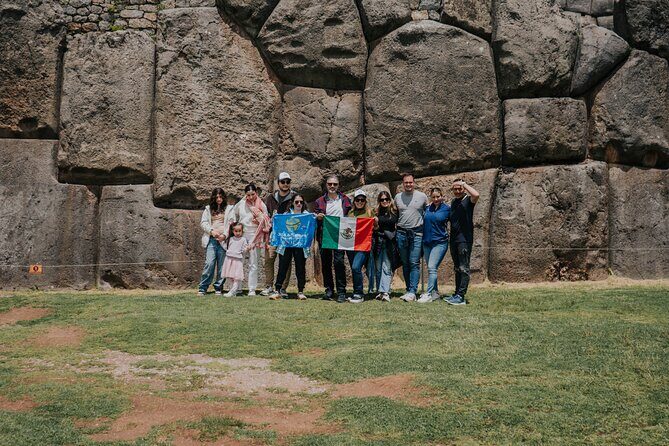
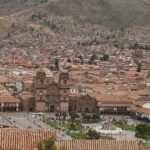
The tour starts at Plaza de Armas, Cusco, and it returns you there at the end. That’s a big deal in Cusco, where directions can get tricky fast. Your pick-up is at a central landmark, so you’re not committing to a second navigation challenge before your first photo.
The other practical win is private transportation. Most of the travel between sites is done by van, not on foot. That keeps energy for walking on site, and it reduces the “hike between highlights” feeling that can drain you if you arrive tired or still adjusting to elevation.
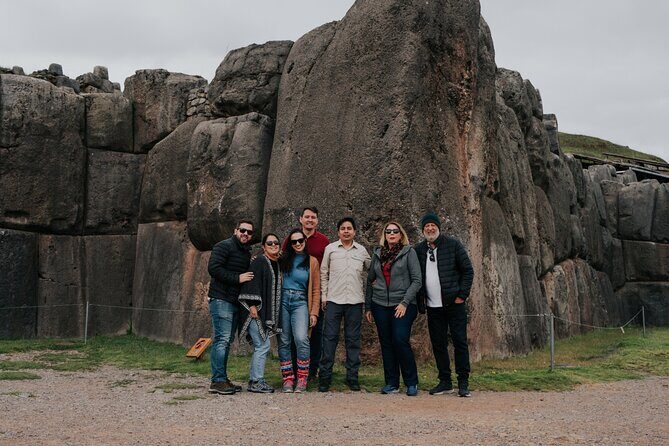
Group size is capped at 12 travelers. A small group helps the guide manage timing—especially when there are multiple viewpoints and photo spots at places like Saqsayhuamán. If you’ve ever been stuck behind someone moving at a different speed, this set-up is calmer.
Qorikancha: Inca Gold Temple Meets Spanish Colonial Stone
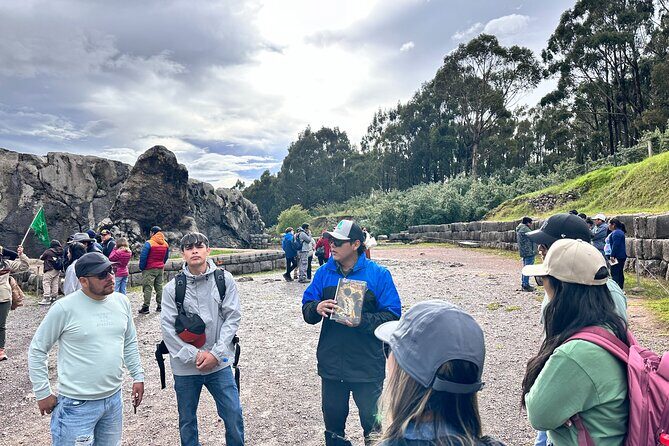
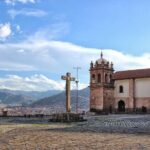
Qorikancha is the headliner to start with. After pick-up at Plaza de Armas, you’ll head to the Temple of the Sun for a guided visit of about 45 minutes. The big point here isn’t just that it was important. It’s how it looks today.
You’ll notice the fusion of Inca and Spanish colonial architecture. That blend is one of Cusco’s defining visual stories: Inca foundations and layouts reshaped under Spanish rule. A good guide helps you read the site—what parts echo Inca religious design and what parts reflect the colonial overlay.
This stop also sets a theme for the whole day: religion in Inca Cusco wasn’t abstract. It was tied to specific places, materials, and even the way the built environment framed belief. If you come in with no context, you’ll leave with a clearer mental map.
One practical catch: the entrance to Qorikancha is not included. Budget for the site fee (listed at $7) so you don’t lose time handling payments on the fly.
Saqsayhuamán’s Massive Stones: Fortification With Ceremony
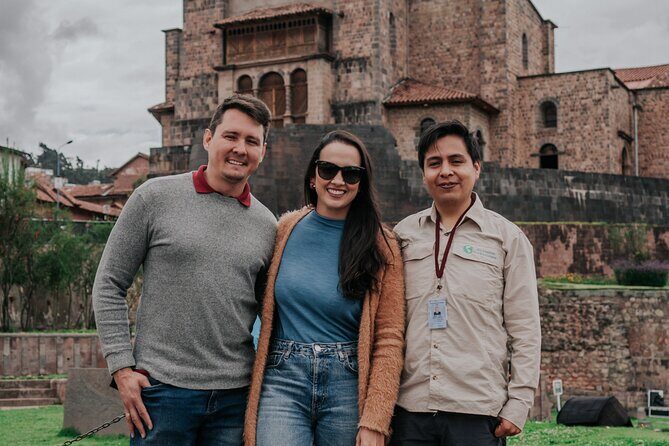
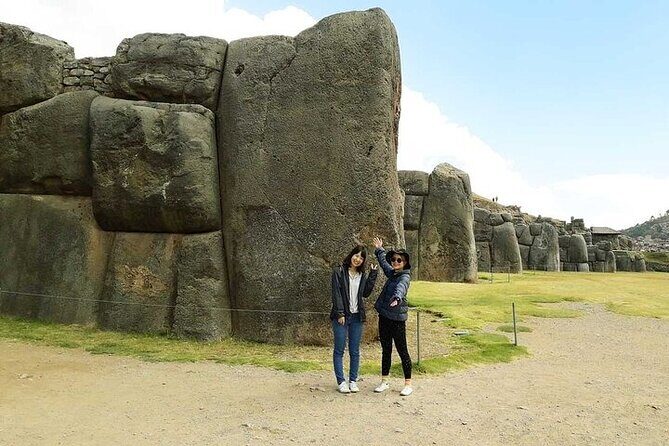
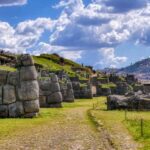
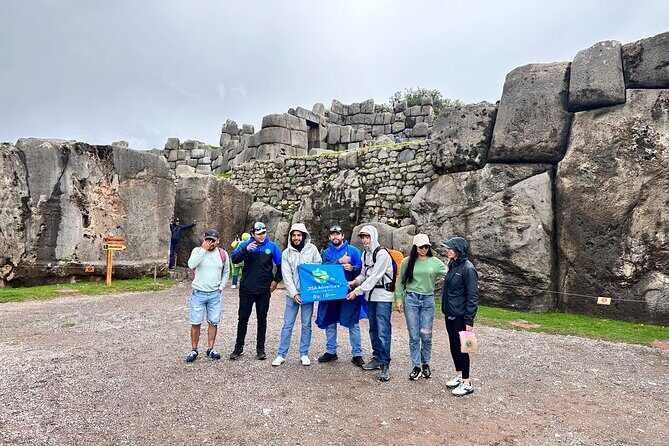
Next up is Saqsayhuamán, reachable after a short drive (about 20 minutes). This is where the tour shifts from sacred space to Inca might. You’ll get around an hour here with a guide focused on the site’s scale and construction.
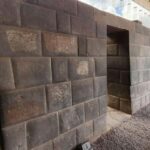
The main wow factor is the sheer size of the carved stones and the imposing walls. Even if you don’t know what to look for at first, you’ll be pointed to key details: stone-cutting precision, wall layout, and how the site functioned beyond just being impressive.
Saqsayhuamán also has a ceremonial layer. The guide’s job is to connect the dots between fortress-like design and the historical and ceremonial importance tied to Cusco. If you love architecture, this is a strong stop because you can physically see the engineering choices.
What to consider: this is an outdoors-heavy site. Plan for sun and breathing at altitude. If your guide is someone like Victor or Jhonny, you’ll likely get pacing advice and frequent reminders about where to stand for the best angles and most helpful explanations.
Q’enqo: Underground Chambers and Rock-Carved Ritual Space
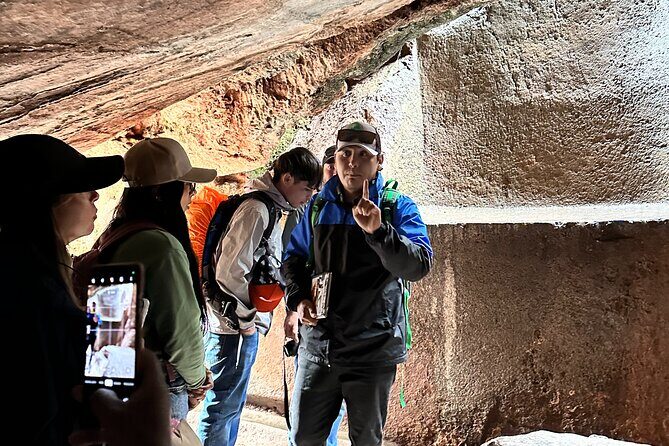
After Saqsayhuamán, you’ll continue to Q’enqo, a ritual center on a rocky outcrop. Expect about an hour here.
This is one of the more atmospheric stops. Instead of broad views and walls, Q’enqo feels like a place designed for specific rites. You’ll explore areas with underground chambers and altars carved into the rock. The guide should help you connect the physical carving to how the Inca viewed the world—ritual and cosmology built into the landscape.
The upside of this stop is contrast. After the big defensive energy of Saqsayhuamán, Q’enqo pulls you toward something more interior and intentional. It’s also a good moment to slow your pace. Even when you’re eager for photos, take time for the guide’s explanation of what you’re actually standing on.
The downside is simple: rock-carved spaces can mean uneven surfaces and tight spots. If your legs are already feeling altitude fatigue, move carefully and take breaks when needed.






Puka Pucara: The Red Fortress and the Inca Defense Story
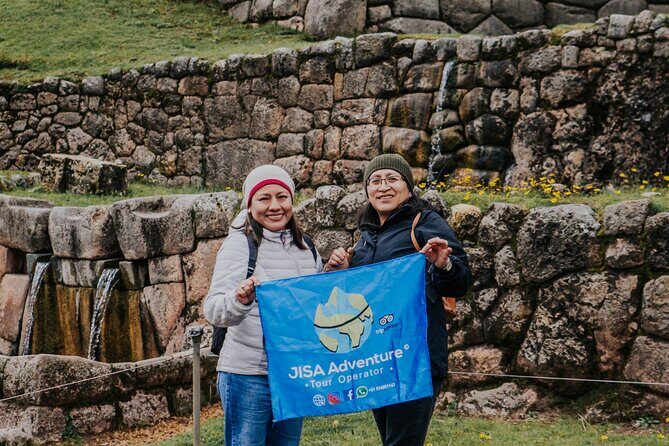
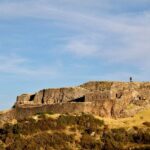
From Q’enqo, you’ll drive about 15 minutes to Puka Pucara, described as a military fortress. You’ll also have around an hour at this site.
The standout visual here is the red construction. That color makes it memorable even before you start hearing details. Then the guide connects that look to function: how it fit into the Inca Empire’s defensive and strategic needs.
This stop is valuable because it rounds out the day’s theme. You’ve seen sacred space at Qorikancha. You’ve seen major stonework and fortress energy at Saqsayhuamán. Now you get the idea of a smaller, more specific defensive role at Puka Pucara. It helps your brain organize the day into clear categories instead of a random list of ruins.
If you’re the type who likes to understand why things were built where they were, you’ll probably appreciate how the guide explains the site’s purpose in relation to the wider area.
Tambomachay: The Inca Bath and Water Worship Engineering
Your last stop is Tambomachay, also called the Baño del Inca, with about an hour to visit. This is the “water and engineering” stop, and it’s a great way to end.
You’ll see stone fountains and canals, and the guide will frame the place as connected to ceremonies and water worship. The key value here is how the Inca approached water management. It wasn’t just practical—it was integrated into spiritual and ritual meaning.
What I like about finishing with Tambomachay is that it gives your brain a final “aha.” After stones, walls, and carved ritual chambers, you leave thinking about how Inca life depended on infrastructure that worked.
After Tambomachay, you’ll ride back to Cusco and end at the meeting point in Plaza de Armas.
Price and Tickets: What $32 Really Buys You
The base price is $32 per person for about 5 hours. That’s the upfront number you’ll see, but it’s not the whole budget picture.
What you do get for $32:
- Official tourism guide
- Private transportation
- Oxygen ball
- A structured route through five major sites with guided time
That’s solid value if you’re thinking about time saved and reduced stress. In Cusco, a guided itinerary can be worth it even if you already know your ruin basics, because the guide helps you interpret what you’re looking at. Plus, private transport keeps you from losing chunks of your day moving between far-apart points.
What you don’t get:
- Tourist entrance fees
- Tips
The listed estimate includes $25 for a partial ticket covering archaeological centers and $7 for Qorikancha specifically. So, your real cost is the $32 tour plus those site fees. If you’re traveling with a tight budget, plan this early so you’re not surprised mid-tour.
Also remember: tour timing is fixed to the route. If you prefer to wander independently or linger longer at one site, this format may feel a bit “schedule-driven.” Still, for most first visits, it’s a smart trade-off.
What to Bring and How to Make the Most of Your Time
With a circuit like this, you don’t need to overpack. But you do want the basics that keep you comfortable.
I’d bring:
- Water and a light snack, especially if you’re still acclimating
- Sun protection for the open-air portions (Saqsayhuamán and beyond)
- Comfortable shoes with good grip for rocky and uneven surfaces
- A layer for morning-to-afternoon temperature shifts (Cusco can feel cool, then sunny)
The tour includes an oxygen ball, which is a helpful safety-minded extra at high elevation. It doesn’t replace common sense, but it’s the kind of practical item you appreciate when you’re moving around stone sites at elevation.
If you’re focused on photos, don’t rush. The guide’s job is to get you to the right viewpoints and keep the group from piling up in the wrong spot. Guides like Jhonny and Victor are praised for both information and group management, and that usually translates into better photo timing.
Finally, pace yourself on the day. The tour is only about five hours, but the altitude can turn five hours into a workout. Short breaks and slower climbing between viewpoints make the whole day more enjoyable.
Should You Book This Cusco City Tour Cusco?
Book it if you want a first-pass orientation to Cusco’s major nearby Inca sites in one clean loop. It’s especially worth it when you value a guide who can explain what you’re seeing, because that’s how you turn ruins into understanding. The small group limit and private transportation are also strong perks if you’re trying to keep your day calm.
Skip or rethink it if entrance fees will strain your budget, since the $32 tour price doesn’t include the main archaeological costs. Also consider your preferred travel style: this tour is timed and structured, not a slow, independent wander.
For most people—especially first-timers—this is a practical, efficient way to learn the Cusco “big picture” fast, then use that context for whatever you do next.
FAQ
Where does the tour start and end?
The tour starts at Plaza de Armas, Cusco and ends back at the same meeting point.
How long is the Cusco city tour?
It runs for about 5 hours.
What is included in the price?
The tour includes an official tourism guide, private transportation, and an oxygen ball.
What entrance fees are not included?
Tips are not included. Archaeological entrance tickets are not included, including a $25 partial ticket for archaeological centers, and Qorikancha entrance ($7).
How many people are in the group?
The tour has a maximum of 12 travelers.
What days and hours does the tour run?
It runs Monday through Sunday, with operating hours listed as 12:00 AM to 6:00 PM.
Is the tour suitable for most travelers?
The tour notes that most travelers can participate.
Is the tour refundable if I need to cancel?
No. The experience is non-refundable and cannot be changed for any reason.