REVIEW · CUSCO
Sam’s Zip Line in Sacred Valley
Book on Viator →Operated by Sam's Zipline - Cusco · Bookable on Viator
If you’re nervous about heights, start here. This zipline adventure from the Racchi viewpoint gives you a safe way to fly hill to hill over the Sacred Valley, with practiced obstacles on the way and strong safety gear. I love that the team uses Petzl-certified equipment and pairs it with a clear briefing, and I also like that you’ll get at least three action photos of you in the air.
The only real downside to plan for is physical effort: once you reach the end of each run, you climb and reposition to catch the next line, and that can feel harder than expected if you’re a little short on air.
Cusco’s altitude and the mountain setting matter here. You’ll be moving, not just riding, so show up with comfortable confidence and you’ll have a much better time.
In This Review
- Quick Hits Before You Go
- Racchi Viewpoint Zipline: 4 Cables, a Tibetan Bridge, and Sacred Valley Views
- Safety Gear and Civil Defense Checks: What You’re Wearing and Why It Matters
- The Flying Portion: Balance Obstacles, Secure Gear, and Repositioning
- Getting Photos in the Air: At Least 3 Shots, Plus Video Energy
- How the Day Moves: Private Transport, Short Window, and a Max of 12
- Mercado de Artesanias: Crafts Shopping Time That Fits the Tempo
- Chinchero Archaeological Complex: A Culture Stop Without Taking Over the Day
- Price and Value: Is $61.54 Worth It?
- Who This Is Best For (and Who Should Think Twice)
- Should You Book Sam’s Zip Line in Sacred Valley?
- FAQ
- How much does Sam’s Zip Line in Sacred Valley cost?
- How long is the zipline experience?
- What’s included with the tour?
- What isn’t included?
- Where does the activity take place?
- How many travelers are in a group?
- What are the stops during the experience?
- What are the flying components?
- What are the operating hours?
- Is it safe?
Quick Hits Before You Go
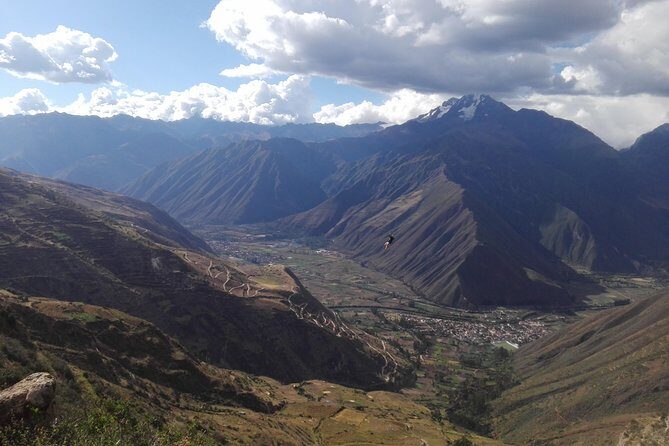
- Racchi viewpoint flying: hill-to-hill ziplining in the Sacred Valley area
- 4 cables plus a Tibetan bridge (suspension) for a change of pace
- Certified safety gear: harness, helmet, and gloves provided
- Small group size (max 12) keeps the vibe controlled and personal
- At least 3 photos included so you’re not leaving empty-handed
- Two extra culture stops: Mercado de Artesanias and Chinchero archaeological area
Racchi Viewpoint Zipline: 4 Cables, a Tibetan Bridge, and Sacred Valley Views
This is a classic “fly like a bird, land like a human” experience. The main action happens at the Racchi viewpoint, where you zip from one section to the next across the Sacred Valley area. You’re not stuck watching from a platform. You’re strapped in, you’re moving, and you’re seeing the valley stretch out from above.
What makes this setup feel special is the mix of elements. You’re not only doing a repeating ride. The experience includes four zip cables plus a Tibetan bridge (suspension). That bridge bit changes the tempo. It’s the kind of moment where you go from pure speed to a more hands-and-feet careful crossing before you go again.
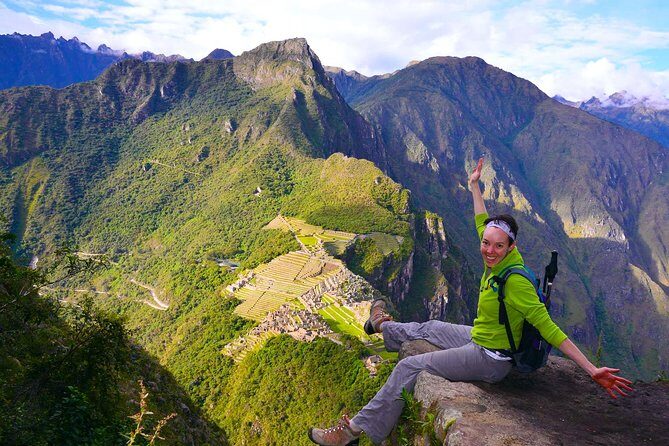
The views are a major reason people choose this. You’ll get a bird’s-eye sense of how the valley sits between mountains, and you’ll feel how close this area is to everyday community life in the Racchi area.
You can also read our reviews of more tours and experiences in Cusco.



Safety Gear and Civil Defense Checks: What You’re Wearing and Why It Matters
Before you fly, you’ll be outfitted with the essentials: harness, helmet, and gloves. These aren’t optional extras. The whole point is that you’re protected while you learn the timing of each run and each landing.
From an operations standpoint, this company states that facilities are validated by Civil Defense and that their equipment is certified by Petzl. They also mention a health agreement for unforeseen events. I take that seriously, because ziplining is one of those activities where the quality of the safety system matters more than the marketing.
Also, the briefing isn’t just a checklist. You’re getting instructions so your body knows what to do—how to move, how to balance, and how to handle your positioning between lines. In past experiences with this type of setup, the biggest fear is getting confused right when you want to focus. Here, the goal is to reduce that panic with a straightforward safety run-through.
The Flying Portion: Balance Obstacles, Secure Gear, and Repositioning
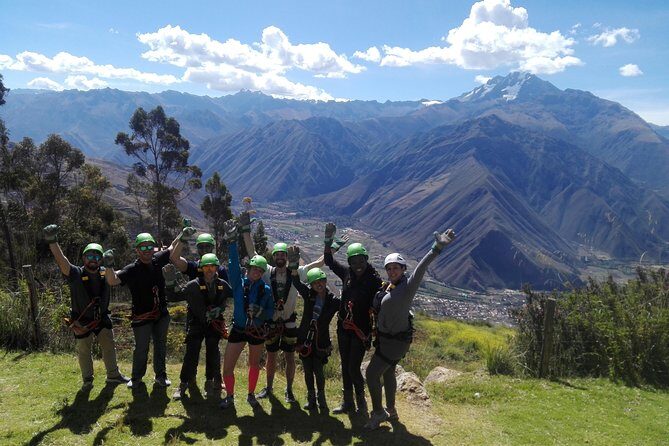
You start with a bit of “practice mode.” The experience includes fun obstacles meant to help you work on balance. That matters because each cable ride isn’t only about speed. It’s also about controlling your posture while you’re attached to the line and preparing for what comes next.
You’ll also be told how to handle personal items. The setup includes storage so you don’t have to wrestle with pockets, phones, or small bags while you’re flying. That’s a small detail that makes a big difference in comfort.
Then comes the flying. You’ll go from hill to hill across four cables, and you’ll add that suspended bridge segment between runs. Your body will feel it: the height is real, and the air can take you by surprise if you’re not used to breathing in altitude.
One practical point learned from the reality of this activity: the hardest part can be the in-between. After each zip, you climb and get repositioned. If you’re in your first day in Cusco, I’d expect that to feel more challenging than you think.
Getting Photos in the Air: At Least 3 Shots, Plus Video Energy
Good ziplining saves you from the awkward question of whether you were actually brave enough. Here, photos are included, and you should come away with at least three pictures of you in the air.
You might also appreciate that the experience includes a larger photo-and-video feel beyond those core stills. Multiple accounts of this activity highlight that drivers or the team can capture extra footage while you’re in transit and waiting—so even if the included photos are the main souvenir, you may end up with more visual proof of your flying moment.
Tip: wear something you feel confident in. You’ll be in the harness and helmet, but you’ll still want your outfit to photograph well against the valley view.
How the Day Moves: Private Transport, Short Window, and a Max of 12
The duration is about 1 hour for the core activity, but the full day experience depends on your pickup and the two cultural stops. Expect a day that’s active, not a long, slow tour.
Price is $61.54 per person, and when I look at value here, I don’t just think about the zipline itself. You’re also getting private transportation, safety gear (harness, helmet, gloves), storage for personal items, and photos. In other words, you’re not paying extra on arrival for the parts that make the experience possible.
The group size caps at 12 travelers. That’s important. It usually means fewer people waiting around, fewer rushed safety moments, and more time to get attention if you have questions.





Mercado de Artesanias: Crafts Shopping Time That Fits the Tempo
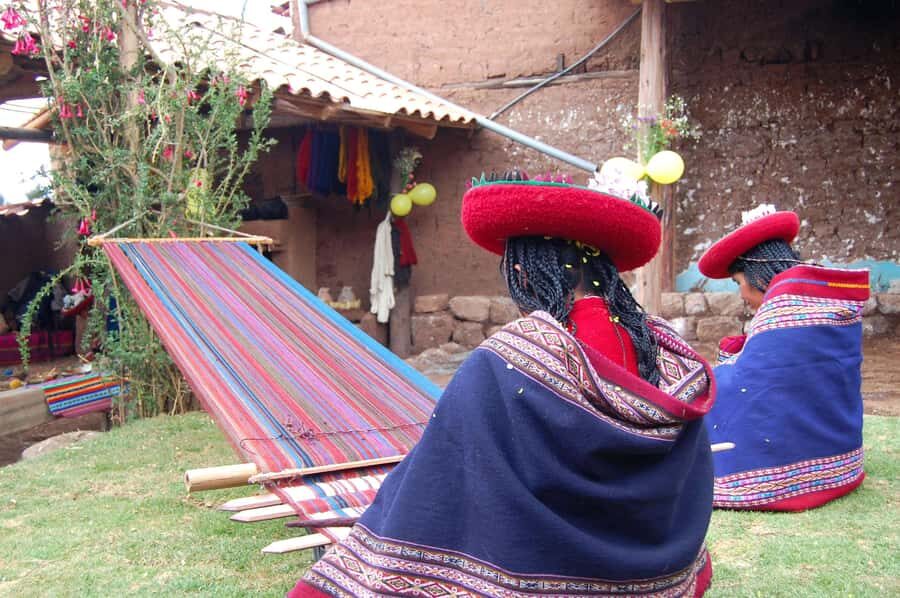
The day includes a stop at Mercado de Artesanias. This is your “slow down and re-ground” moment. Instead of standing in line for something later, you handle shopping early and keep the rest of the day lighter in your mind.
What I’d do here: browse before you commit. If textiles and small handmade items are your thing, you’ll likely find plenty of options. The more you look, the better you get at judging quality by stitch work and fabric feel.
If you want a simple souvenir that still feels connected to place, a textile or small craft is often a better choice than a generic postcard-style item. Just keep in mind you won’t have unlimited time, so decide your budget before you get carried away.
Chinchero Archaeological Complex: A Culture Stop Without Taking Over the Day
Next up is Complejo Arqueologico Chinchero. This stop gives the trip context. You’re not only chasing adrenaline in the Sacred Valley; you’re also stepping into the area’s long timeline through an archaeological complex visit.
There’s a practical upside here too. If you’re visiting Cusco for the first time, you may feel like every day has to be a major museum day. This offers a shorter, focused cultural pause that doesn’t drain you before the main highlight.
What to expect is simpler than a full-day cultural tour. You’ll have enough time to see it, absorb it, and move on—then you’re back in motion for the zipline side of the experience.
Price and Value: Is $61.54 Worth It?
In my opinion, this price makes sense if you care about three things: safety equipment, real flight time, and photos included.
Here’s what you’re getting without add-ons:
- Harness, helmet, and gloves
- Storage for your personal items
- Photos with at least three action shots
- Private transportation
- A full adventure package that includes four cable rides and a Tibetan bridge plus obstacles
Also, the company says their equipment is certified and their facilities are validated by Civil Defense. That’s the kind of assurance that can quietly justify the cost—because the worst kind of “cheap” is unsafe.
One caution: bottled water isn’t included. I’d plan to have cash or extra options for a drink, especially if you’re traveling at altitude and running around between stops.
Who This Is Best For (and Who Should Think Twice)
This is a strong fit if you:
- Want an active Cusco-adjacent day without spending all day on transportation
- Like scenic adrenaline with a safety-forward setup
- Prefer small group energy (max 12)
It’s also a good family option. On this kind of outing, what matters most is that kids can follow instructions and be supported at each step. The experience includes a setup where guides can ride with kids, and families have reported that kids ages 6 and 8 can enjoy it when the team checks in and keeps the pace comfortable.
Think twice if:
- You’re expecting a totally passive ride. You will move, climb, and reposition between runs.
- You have conditions that make it hard to manage short exertion at altitude. The altitude isn’t the main “cause” of difficulty, but it can make the walking and climbing feel tougher.
If you’re older, anxious, or just new to adventure sports, don’t let that stop you. The key is to communicate your needs early and follow the team’s instructions without rushing.
Should You Book Sam’s Zip Line in Sacred Valley?
Yes, if you want a well-run zipline that blends real flight with practical safety measures and a couple of Sacred Valley stops. The Petzl-certified equipment, Civil Defense validation claims, and the small group limit make it feel like a controlled adventure rather than a chaotic one.
Book it especially if you want:
- 4 cable rides + Tibetan bridge in one session
- included harness/helmet/gloves
- photos so you don’t have to gamble with your camera skill mid-flight
- a day that mixes adrenaline with a short marketplace and Chinchero archaeological context
Skip it if you’re looking for an easy, purely scenic ride with zero physical movement between runs. This one asks you to participate.
FAQ
How much does Sam’s Zip Line in Sacred Valley cost?
The price is listed as $61.54 per person.
How long is the zipline experience?
The activity duration is about 1 hour.
What’s included with the tour?
You get a team providing harness, helmet, and gloves, private transportation, storage for personal items, and photos (at least three pictures of you in the air).
What isn’t included?
Bottled water is not included. No food or drinks are listed as included.
Where does the activity take place?
The ziplining happens at the Racchi viewpoint in the Sacred Valley area near Cusco.
How many travelers are in a group?
The tour has a maximum of 12 travelers.
What are the stops during the experience?
The stops listed are Mercado de Artesanias and Complejo Arqueologico Chinchero.
What are the flying components?
The operation states it includes 04 cables plus a Tibetan bridge (suspension).
What are the operating hours?
It’s listed as Monday to Sunday, 9:00 AM to 4:00 PM.
Is it safe?
The information provided says the facilities are validated by Civil Defense, the equipment is certified by Petzl, and there’s a health agreement for unforeseen events. You’ll also be equipped with harness, helmet, and gloves for protection.