REVIEW · CUSCO
Sacred Valley of the Incas with Moray and Salt Mines, from Cusco
Book on Viator →Operated by ATV CUSCO ADVENTURES ON WHEELS · Bookable on Viator
A long day with salt, stone, and early starts. This Sacred Valley route hits Chinchero, Moray, Salinas de Maras, and more, with a bilingual guide and a small group. I especially like the hotel pickup at 6:30 a.m. and the chance to pair archaeological stops with a hands-on ATV/quad-bike vibe that many people call the best part of the day.
You’ll also get a real lunch in Urubamba (a buffet), so you are not surviving on snacks by mid-afternoon. The one thing to keep in mind: key entrances are not included (and the day depends on good weather), so you should budget extra before you go.
In This Review
- Key highlights to know before you ride
- 6:30 a.m. Pickup, Air-Conditioned Comfort, and a Small-Group Rhythm
- Chinchero: Living Culture, Inca-Style Foundations, and Weaving You Can Watch
- Moray’s Circular Terraces: The Inca Lab in Stone
- Salinas de Maras: Over 3,000 Salt Pools and the Golden Fountain
- Urubamba Lunch: A Real Break That Helps the Afternoon Land
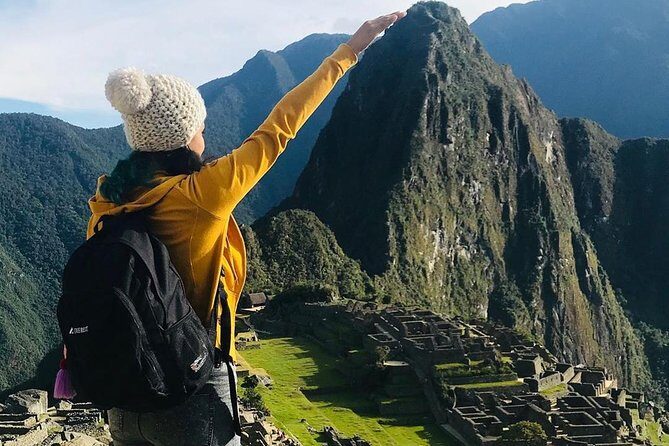
- Ollantaytambo: A Multi-Use Power Center Carved Into Control Points
- Pisac: Smart Platforms, Irrigation Canals, and a Market Stop That’s Actually Useful
- Price and Value: The $35 Tour Fee Plus Site Admissions
- Weather, Timing, and the Hidden Realities of a 12-Hour Day
- Active Fun Adds a Useful Boost (Guides Matter Here)
- Who Should Book This Sacred Valley Day Trip?
- Tips I’d Use Before You Go
- Should You Book It?
- FAQ
- FAQ
- What time does pickup happen?
- How long is the tour?
- Is lunch included?
- What admissions are not included?
- Are there any stops with free admission?
- Will the tour be in English?
- Do you need moderate physical fitness?
- Is the group size limited?
- Is bottled water included?
- What happens if weather is poor?
Key highlights to know before you ride
- 6:30 a.m. hotel pickup sets you up to beat the crowds and use the day well
- Small group size (max 10) keeps the pace from feeling rushed
- Moray and Salinas are the big science-and-salt moments, with different terrain and explanations
- A lunch buffet in Urubamba is included, plus vegetarian options can be handled
- Guides named by past guests include Flora, Antony, Miss Ruth, Lisbeth, Felix, and Antonio
6:30 a.m. Pickup, Air-Conditioned Comfort, and a Small-Group Rhythm
This is a true full-day outing, starting at 6:30 a.m. right from the lobby of your hotel. The team shows up in branded gear and contacts you before pickup, which matters in Cusco where mornings can feel chaotic.
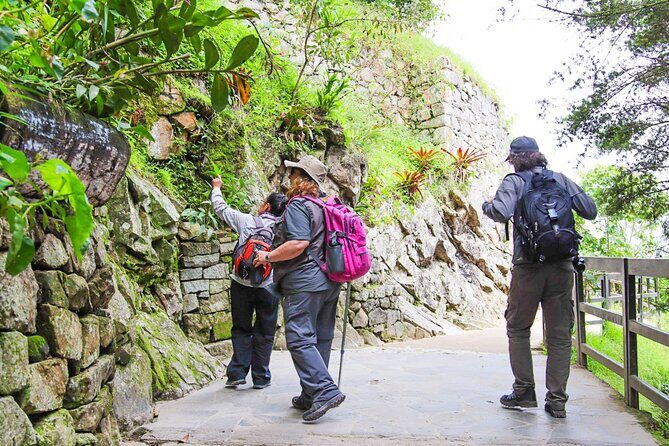
One of the smartest parts of this format is the group size: up to 10 travelers. In a day that involves several stops and long drives, a smaller group means less waiting at junctions and a better chance to ask questions. You also get a professional bilingual guide and a first aid kit, which is reassuring when you are doing more active sightseeing.
Also note the practical stuff: you’ll likely use a mobile ticket, the vehicle is air-conditioned, and the tour is listed for English. If you’re planning around altitude, this kind of guided, scheduled structure can help you pace yourself instead of bouncing around town on your own.
You can also read our reviews of more tours and experiences in Cusco.

Chinchero: Living Culture, Inca-Style Foundations, and Weaving You Can Watch
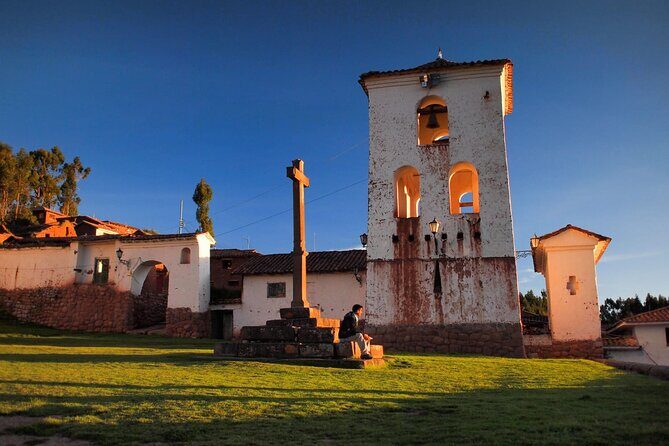
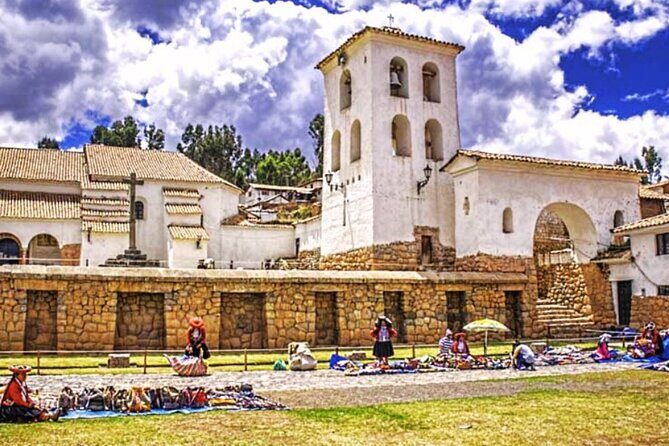
Chinchero is where the morning turns from travel into real culture. You arrive around 7:30 a.m. at the archaeological center, and the tour timing includes about 2 hours here.
What makes Chinchero special is that it is not just ruins. The site connects original Inca design with later layers, and you’ll see how an old religious footprint became part of the colonial church and the tower structure. That mix is easy to miss if you are only looking for one era, so the guide’s explanations are genuinely useful.
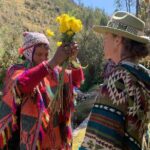
The other big draw is the weaving. You’ll have a chance to appreciate local artisanal work using ancestral weaving techniques. If you like textiles, clothing patterns, or how people keep skills alive, Chinchero is one of the best places to focus your attention on craft rather than stone.
A small drawback: it is early, and mornings in Cusco can feel cool. Bring a light layer you can stash, so you are comfortable while you walk and watch demonstrations.
Moray’s Circular Terraces: The Inca Lab in Stone
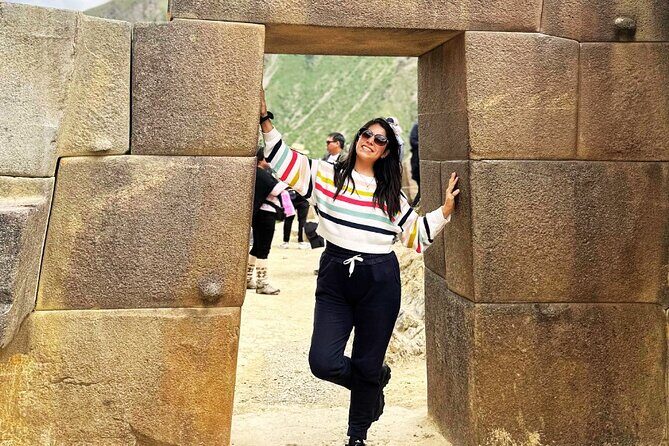
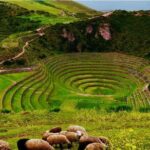
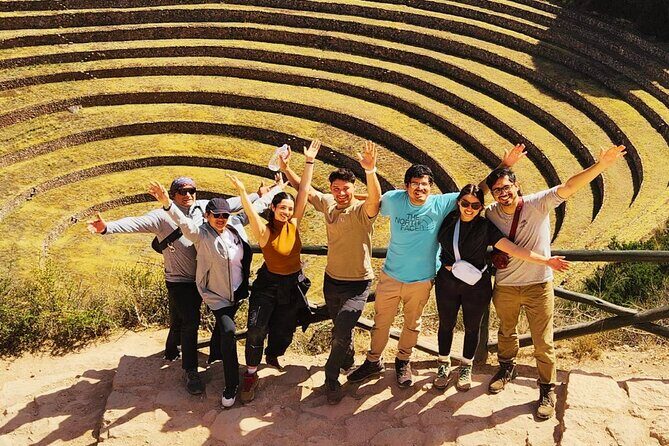
Next comes Moray, arriving around 9:00 a.m. The tour sets aside about 2 hours here, and it frames Moray as an agricultural experimentation zone built from circular terraces.
The core idea to listen for is microclimates. Moray’s terraces were used to test how plants behaved under different growing conditions—things like domestication, acclimatization, and hybridization. That sounds academic, but walking the terraces makes the logic feel physical. You start to see how the Inca engineered growing conditions rather than just building pretty terraces.
Moray’s admission is listed as not included, so you should plan for that cost separately. I recommend you keep small cash or be ready to pay on-site if the tour does not collect it in advance.
If your day includes ATV/quad-bike time, Moray often becomes the “calm” contrast: stone terraces, quiet explanations, and time to take photos without the adrenaline pressure.
Salinas de Maras: Over 3,000 Salt Pools and the Golden Fountain
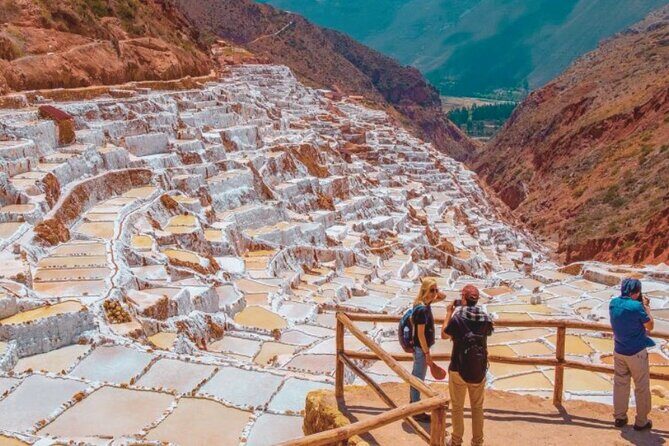
Salinas de Maras is the morning highlight for a lot of people for a reason. You arrive around 10:30 a.m. and spend about 1 hour at the salt extraction area.
This is more than scenery. The salt pools are described as 3,000+ shallow pools, owned by nearly 380 local families. Water flows from a natural spring on the hill called Qoripukiu (Golden Fountain), and you get to see the tradition of salt extraction that traces back before the Incas.
Practical tip: this site can be bright, and the ground can be uneven. Wear shoes you trust and bring sun protection. Since bottled water is listed as not included, plan to carry your own or purchase along the way so you’re not scrambling when you’re thirsty.
One more note for timing: because you only have about an hour, it’s smart to move at a steady pace, choose a couple of photo angles early, and then linger where the guide points out the pool flow.
Urubamba Lunch: A Real Break That Helps the Afternoon Land
After the salt and terraces, you get a reset in Urubamba around 12:00 p.m. Lunch is scheduled for about 1 hour, and it’s included as a buffet.
This matters more than it sounds. A long Sacred Valley day can turn into “eat whenever you can.” Here, you get a structured meal window so you can refuel before Ollantaytambo and Pisac.
Dietary needs can be accommodated, including vegetarian, which is helpful if you don’t want to gamble on what’s available on-site.
If you want to stay comfortable for the rest of the route, don’t go too heavy. Keep it simple, drink what you need, and save space for late-afternoon exploring when your legs will be doing more work.



Ollantaytambo: A Multi-Use Power Center Carved Into Control Points
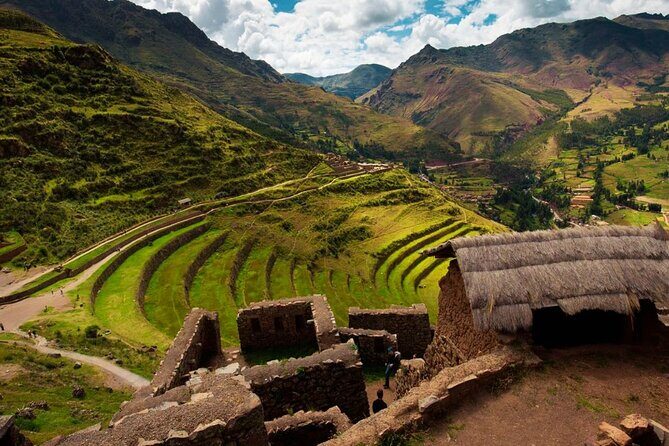
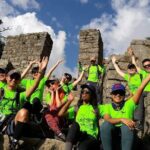
Ollantaytambo is reached by bus after lunch, with travel time built into the schedule (about 30 minutes). The guided stop is around 2 hours, starting roughly 2:00 p.m.
Ollantaytambo is described as a multifunctional Inca center used for administrative, military, social, and economic purposes. It also functioned as a control point connecting different ecological levels. In plain terms: this is where the Inca managed people and resources across changing environments.
That control-point framing can make the architecture more meaningful. Instead of seeing it as random stone steps, you start to understand it as infrastructure—built to organize movement and power.
This is also where the day’s pace becomes more physical. Expect to walk on uneven ground. If you’re moderately fit, you should be fine, but keep an eye on your footing and take short pauses if you feel winded.
Pisac: Smart Platforms, Irrigation Canals, and a Market Stop That’s Actually Useful
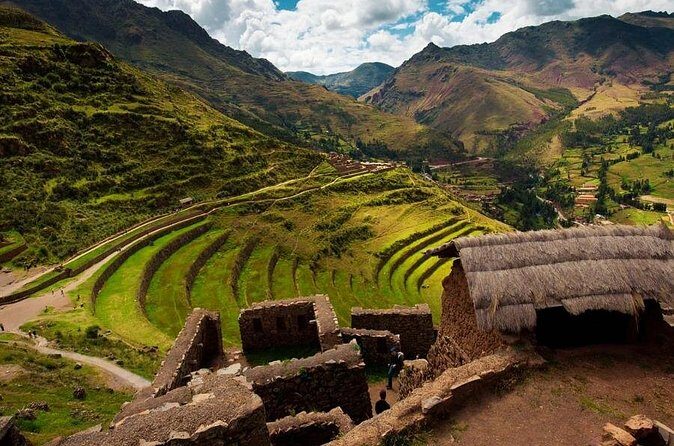
Pisac wraps up the sightseeing portion, with arrival around 4:00 p.m. The tour sets about 2 hours here.
Pisac is known for “smart platforms” and irrigation canals that allowed high-quality corn cultivation. If you liked Moray’s science lesson, this is the practical sibling: you get to see how water management and slope design shaped farming outcomes.
After the archaeological focus, there’s time at the model market for handicrafts and pottery. This is the kind of stop where you can browse calmly, ask questions about materials, and buy small souvenirs that actually feel connected to local work instead of generic tourist goods.
Because it’s late in the day, I suggest shopping with a plan. Decide what you want (textiles, pottery, gifts), set a budget, and don’t let fatigue push you into impulse buys.
Price and Value: The $35 Tour Fee Plus Site Admissions
The tour price is listed at $35 per person, and you’re getting a full-day structure: air-conditioned transport, a bilingual guide, and lunch buffet included.
But you should also budget for admissions. The information provided lists:
- Tourist Ticket: $19 per person (not included)
- Access to Salinas de Maras: $6 per person (not included)
- Moray admission: not included (amount not specified)
So, at minimum, you should plan on at least $25 in known extra site costs, plus whatever Moray requires. If you’re traveling with someone who will pay attention to ruins, terraces, and salt extraction as more than photo stops, the value tends to hold up because you’re paying for guided time, transport, and an included meal.
If you are trying to keep costs super tight, this tour is still reasonable—just don’t assume every entrance is included. Confirm the total extra admissions you personally will need before you arrive.
Weather, Timing, and the Hidden Realities of a 12-Hour Day
The tour is listed as requiring good weather, which is important in the Cusco area. If conditions are poor, the tour can be canceled with a different date offered or a refund.
The schedule is also long: pickup at 6:30 a.m. and return around 7:00 p.m. That’s basically a full workday plus. The upside is you see a lot. The downside is you should come prepared.
Also, the tour is described as needing moderate physical fitness. That fits most people who can handle walking uneven surfaces and doing several stops in one day. It’s not a high-altitude marathon, but it’s not a sit-and-snap photo tour either.
And since you’re in Peru’s high country, think about comfort more than speed: layers for changing temperatures, solid shoes, and a plan for water.
Active Fun Adds a Useful Boost (Guides Matter Here)
Even though the day’s heart is archaeological and cultural stops, the experience is offered through ATV CUSCO ADVENTURES ON WHEELS, and past guests highlighted the ATV/quad-bike portion as a big reason to book.
In the feedback, several guide names came up with the kind of details you can use when choosing how you’ll feel during the day:
- Flora was praised for giving tips and making pickup easy
- Antony was called great and specifically tied to the experience and views
- Miss Ruth was noted for clear information about the Moray salt flats portion and for guiding questions
- Lisbeth received praise for cordial attention
- Felix and Antonio were mentioned for punctual, attentive service
What you should take from this: choose the tour format if you want explanations, not just transport. A good guide helps you understand what you’re seeing at Moray and Salinas, and it can also make the active part feel safer and more fun.
Who Should Book This Sacred Valley Day Trip?
This is a strong fit if you want:
- A structured one-day Sacred Valley route from Cusco
- A guide who explains both the cultural and practical side of the sites
- Included lunch, with vegetarian options possible
- A small group feel with a maximum of 10 travelers
- A mix of archaeology plus an ATV/quad-bike thrill (based on the tour provider and guest feedback)
It may be less ideal if you hate long days or you struggle with steady walking on uneven terrain. Also, if you’re on a very tight budget, the added site admissions can change your total cost quickly.
Tips I’d Use Before You Go
- Bring water: bottled water is listed as not included, so plan ahead
- Wear sturdy shoes for salt flats and stone sites
- Pack layers: mornings can feel cool, afternoons can feel warmer
- Have small cash or payment ready for Moray and other admissions you might pay on-site
- Start the day calm: 6:30 a.m. is early, so eat light at breakfast and save your energy for walking
- Ask questions at stops: Moray’s microclimates and Ollantaytambo’s control-point role are way easier with a guide’s framing
Should You Book It?
Yes, I’d book this if you want a well-timed Sacred Valley day that balances Chinchero’s living culture, Moray’s agricultural logic, and Salinas de Maras’ real salt extraction scene—plus you want your day to include a fun active component with clear guidance.
I would not book it blindly if you hate early starts or if you don’t want to deal with extra admissions. If you’re okay with a long day and you plan for entrance costs, this tour has a lot going for it: small group size, included lunch, and stops that each teach you something different.
FAQ
FAQ
What time does pickup happen?
Pickup is at 6:30 a.m. from your hotel lobby in Cusco, with staff contacting you before pickup.
How long is the tour?
The tour runs for about 12 hours, ending with a return to Cusco around 7:00 p.m.
Is lunch included?
Yes. Lunch is included as a buffet in Urubamba.
What admissions are not included?
The tour data lists the Tourist Ticket ($19 per person) as not included, Moray admission as not included, and Salinas de Maras access ($6 per person) as not included.
Are there any stops with free admission?
The itinerary lists free admission for Chinchero, Ollantaytambo, and Pisac.
Will the tour be in English?
Yes. The tour is offered in English.
Do you need moderate physical fitness?
The tour notes it requires moderate physical fitness.
Is the group size limited?
Yes. The tour has a maximum of 10 travelers.
Is bottled water included?
No. Bottled water is not included.
What happens if weather is poor?
The tour requires good weather. If it’s canceled due to poor weather, you’ll be offered a different date or a full refund.